The UK is pinning the blame on Russia for the "PETYA" cyberattack that crippled firms, including FedEx and Merck. Stu Woo, Reporter at The Wall Street Journal, joined us to break down the implications of the claim.
This is the first time a major Western government has accused Russia for being responsible for the cyberattack. When the attack first happened, Ukraine bore the brunt of the attack and pointed the finger at Russia. Woo said there a couple of options for a U.S. response. He said economic sanctions and a retaliatory cyberattack are in the cards.
Woo said it is extraordinary for Trump Administration to come out and accuse Russia of cyberattacks in light of the possibility that Russia interference may have aided Trump's 2016 election victory. Russia has denied meddling in the U.S. and U.K. elections.
Ben Kohn, Playboy CEO, joined Cheddar to discuss the lifestyle brand's foray into NFTs and hopes for legal THC.
Jack Conte, CEO and co-founder of Patreon, told Cheddar that the latest fundraise will help the company continue to "internationalize."
With more similar services on the market, there are questions if TikTok can remain king especially as it chases after advertiser dollars.
Vineyard Wind CEO Lars Thaaning Pedersen spoke to Cheddar about beginning production of its wind power farm off the coast of Massachusetts.
Barcodes have radically changed the world, helping fuel the rise of everything from massive companies like Walmart to major world powers like China. And it all started with a man daydreaming on a beach in 1949.
Al Oppenheiser, chief engineer at GMC, joined Cheddar about the robust features and delivery timetable for the GMC all-electric Hummer SUV slated for this fall.
The Supreme Court is siding with Google in an $8 billion copyright dispute with Oracle.
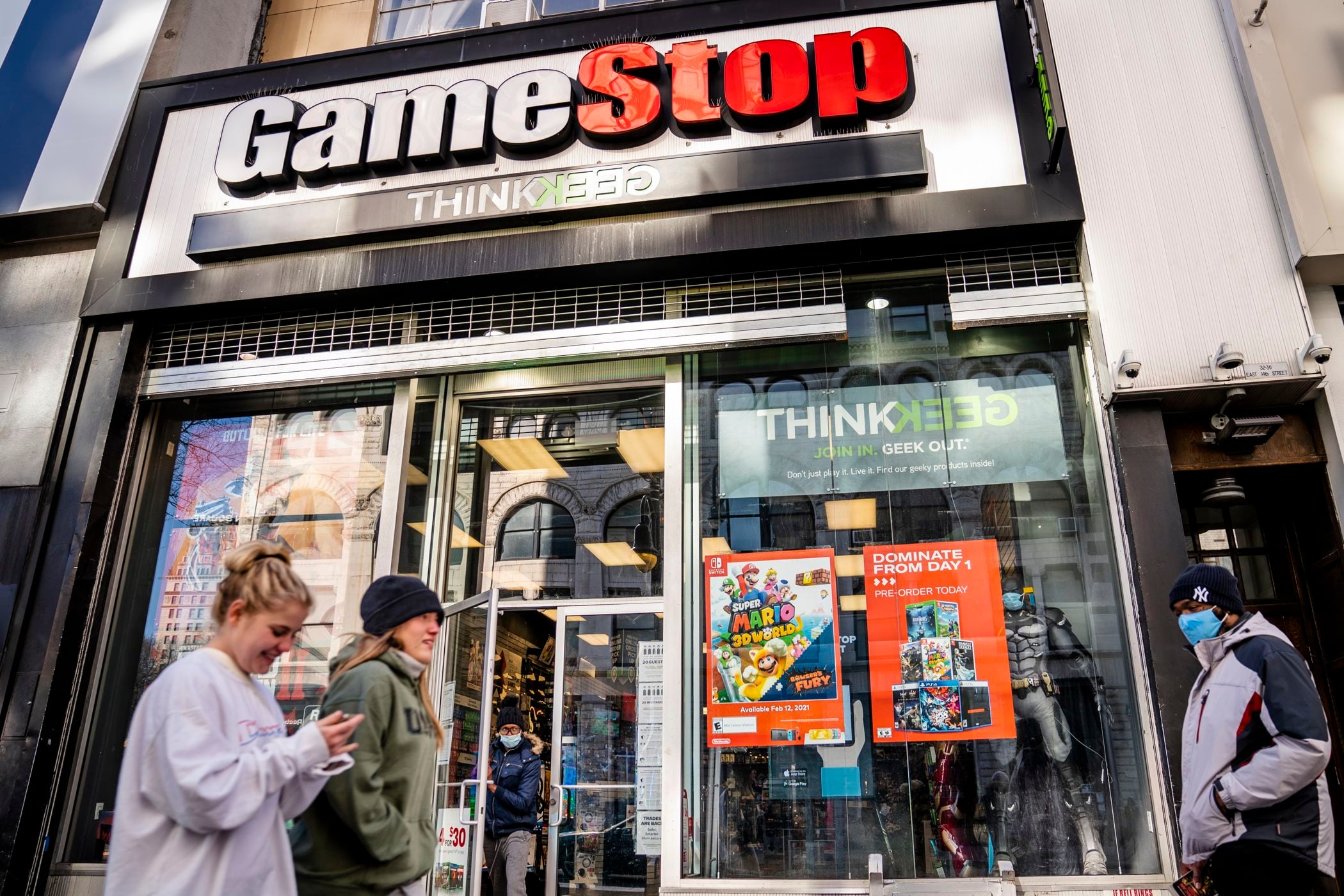
Two months after a market phenomenon took shares of GameStop to the moon, the video game retailer says that it will sell up to 3.5 million of its shares.
Details from more than 500 million Facebook users have been found available on a website for hackers.
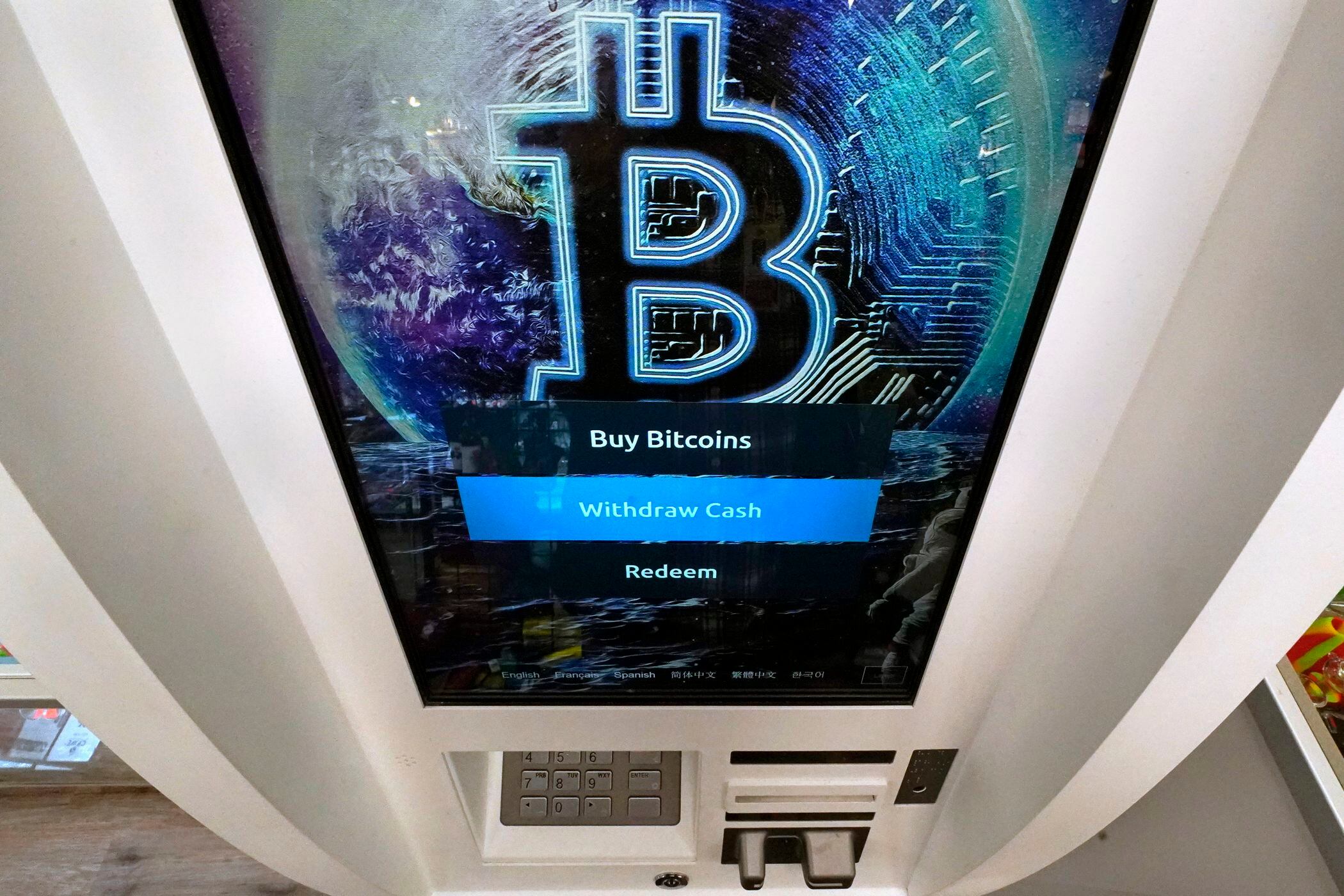
Several fintech companies this year plan to release credit cards that offer a percentage back in bitcoin on every purchase.