The UK is pinning the blame on Russia for the "PETYA" cyberattack that crippled firms, including FedEx and Merck. Stu Woo, Reporter at The Wall Street Journal, joined us to break down the implications of the claim.
This is the first time a major Western government has accused Russia for being responsible for the cyberattack. When the attack first happened, Ukraine bore the brunt of the attack and pointed the finger at Russia. Woo said there a couple of options for a U.S. response. He said economic sanctions and a retaliatory cyberattack are in the cards.
Woo said it is extraordinary for Trump Administration to come out and accuse Russia of cyberattacks in light of the possibility that Russia interference may have aided Trump's 2016 election victory. Russia has denied meddling in the U.S. and U.K. elections.
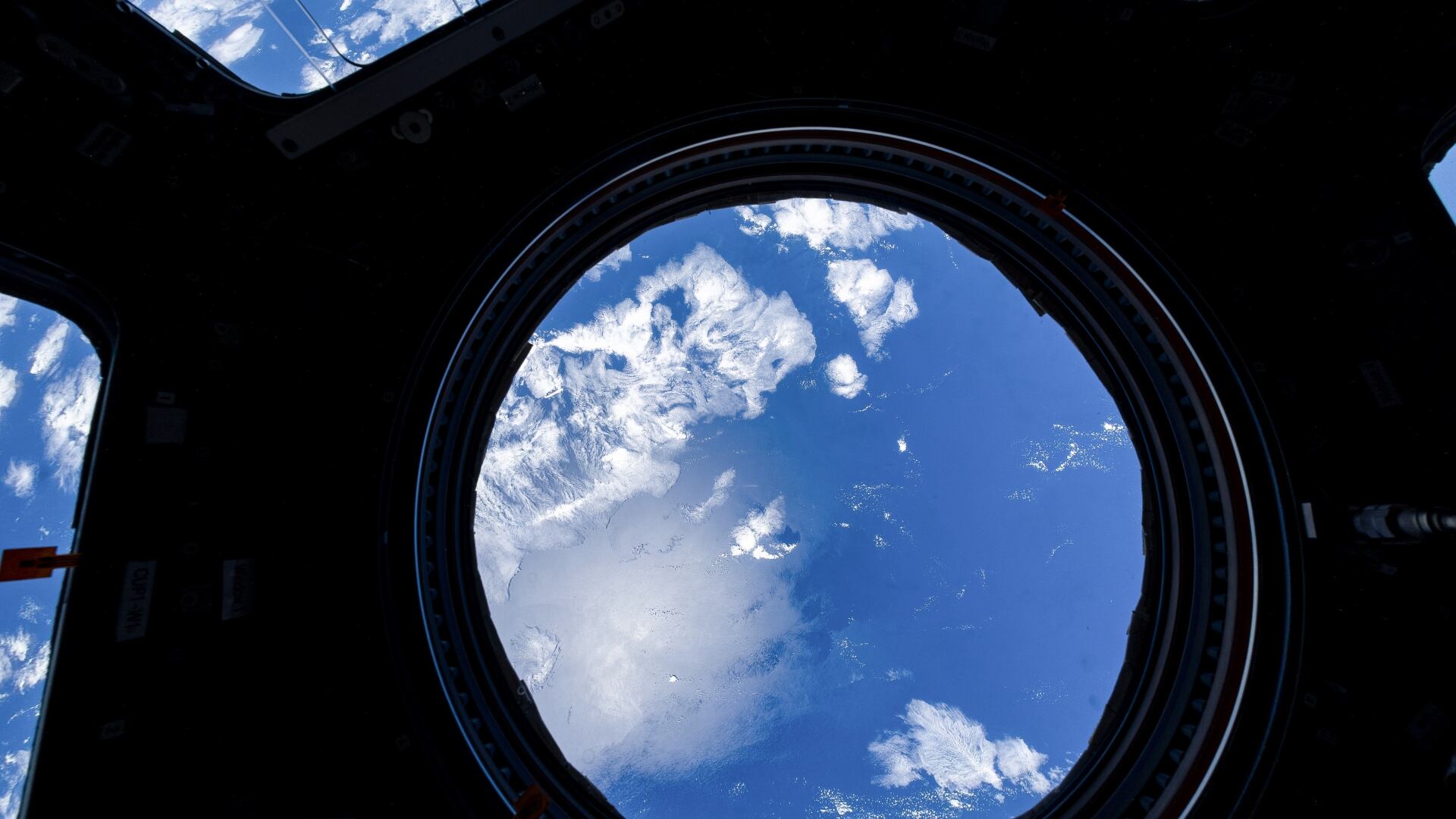
Tensions from the Russia-Ukraine war have spilled into space. The head of Russia's space agency has threatened to pull the country out of the International Space Station if sanctions aren't lifted on the country — but that doesn't seem to be happening any time soon. What would it mean if Russia really did leave the ISS, who would it harm the most, and what would the consequences be both for the other ISS partners, and private space travel? Casey Dreier, Chief Advocate & Senior Space Policy Adviser at The Planetary Society, joins Closing Bell to discuss.
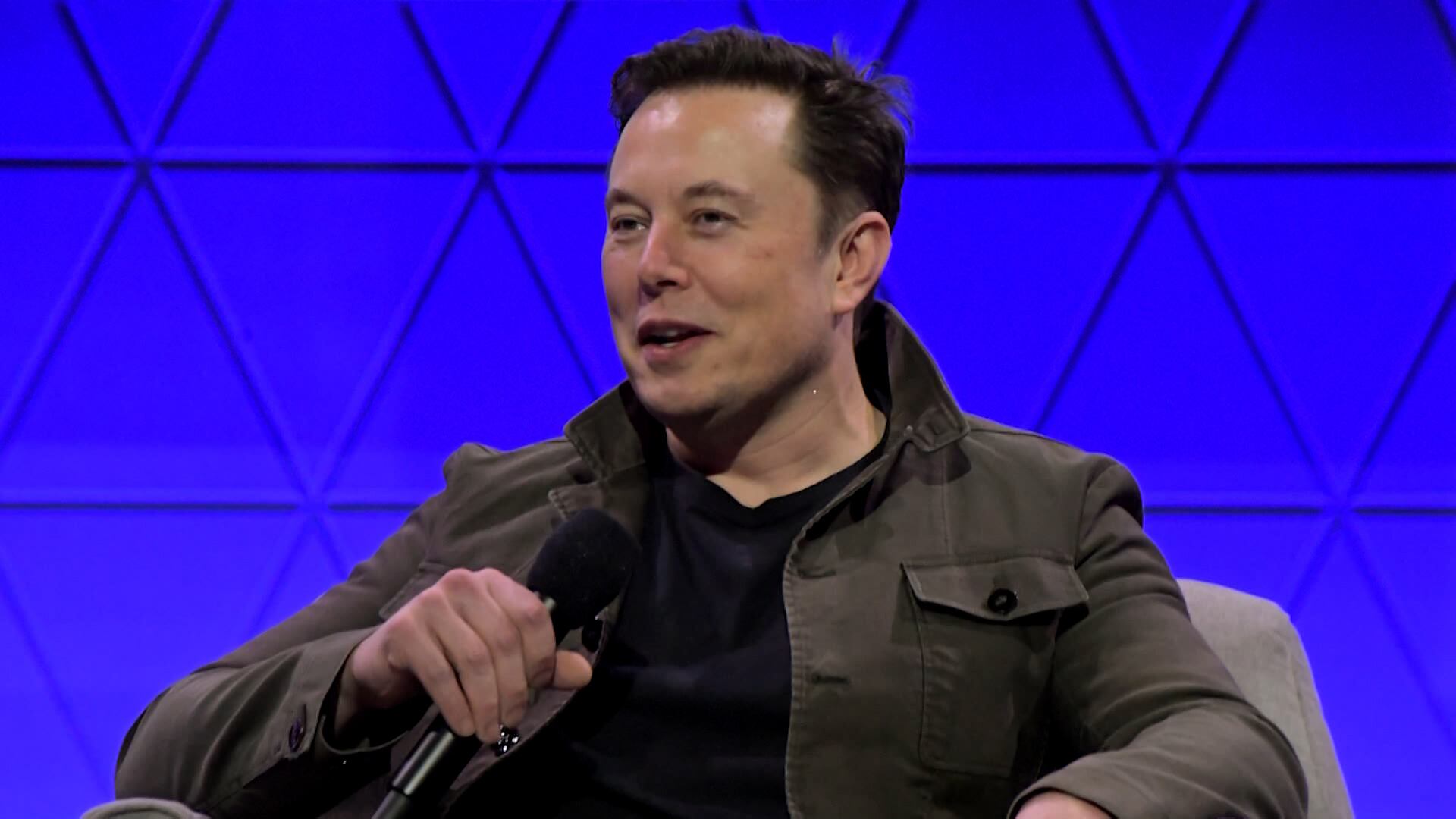
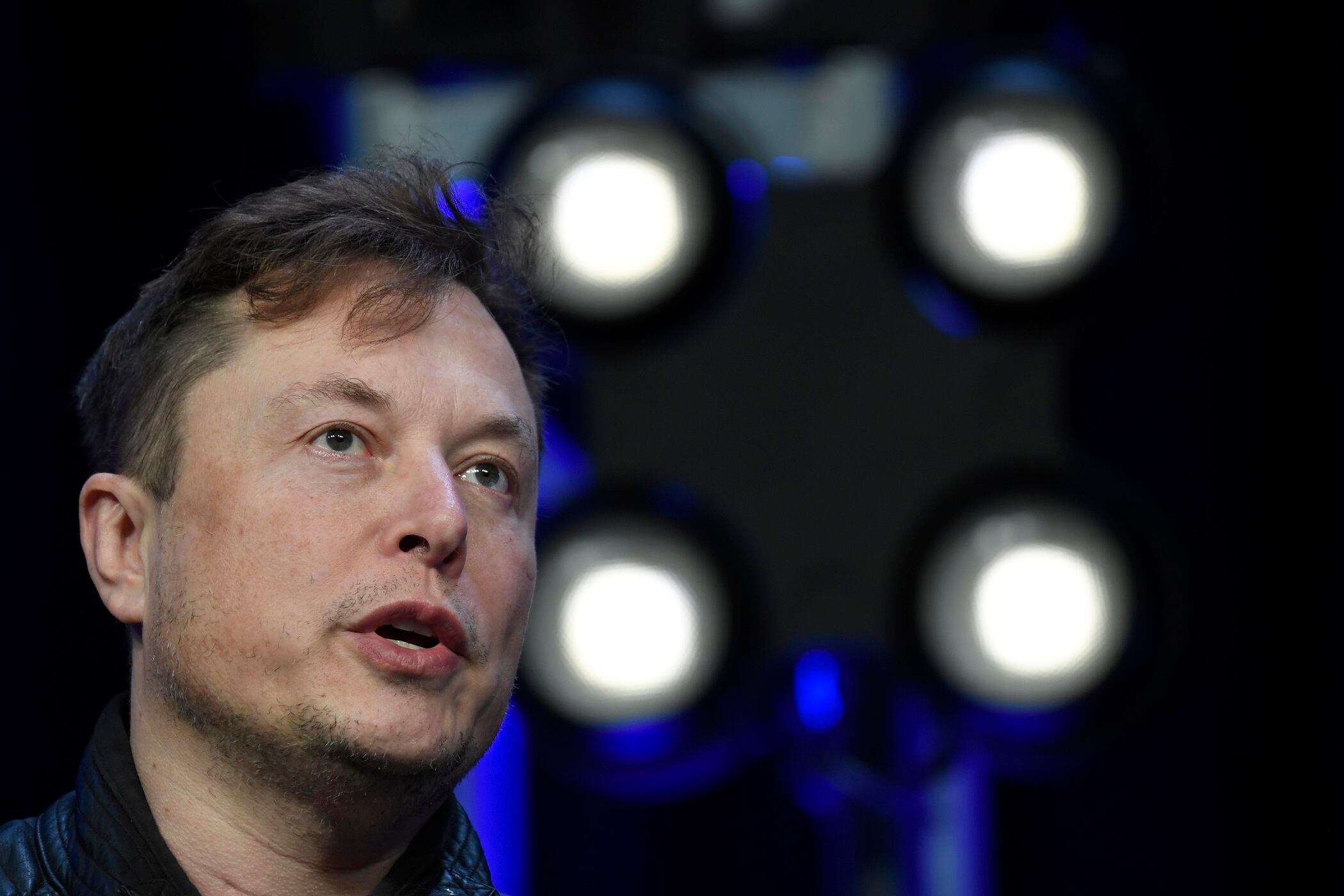
Elon Musk is set to join Twitter's board of directors. This comes shortly after the Tesla CEO purchased a 9.2% stake in Twitter, sending shares surging as much as 27% and making him the largest shareholder in the social media company. Angelo Zino, Senior Industry Analyst at CFRA Research, joined Cheddar's Opening Bell to gives his take on the social media saga.