The UK is pinning the blame on Russia for the "PETYA" cyberattack that crippled firms, including FedEx and Merck. Stu Woo, Reporter at The Wall Street Journal, joined us to break down the implications of the claim.
This is the first time a major Western government has accused Russia for being responsible for the cyberattack. When the attack first happened, Ukraine bore the brunt of the attack and pointed the finger at Russia. Woo said there a couple of options for a U.S. response. He said economic sanctions and a retaliatory cyberattack are in the cards.
Woo said it is extraordinary for Trump Administration to come out and accuse Russia of cyberattacks in light of the possibility that Russia interference may have aided Trump's 2016 election victory. Russia has denied meddling in the U.S. and U.K. elections.
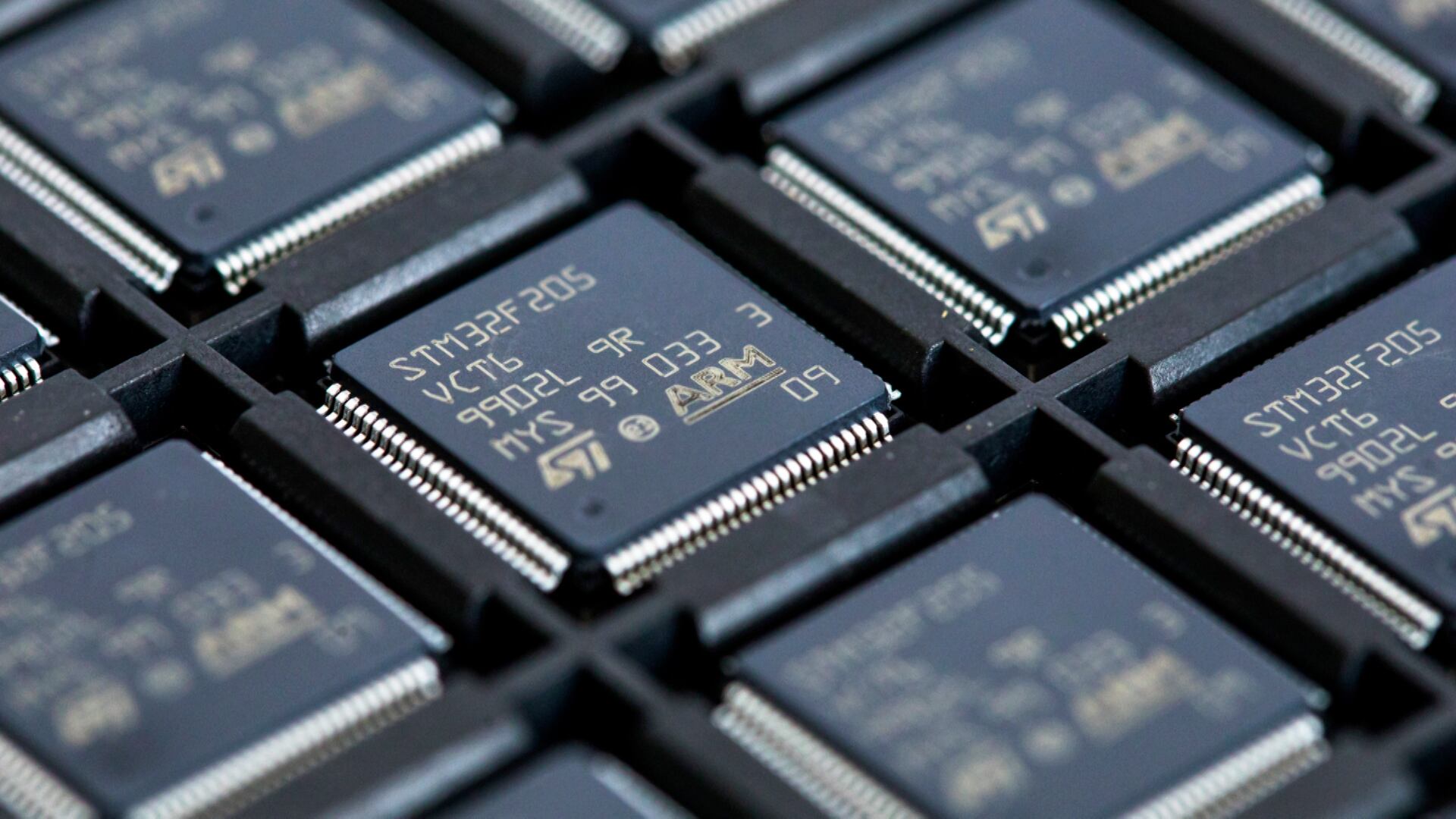
The global semiconductor shortage is actively hurting numerous industries, with the auto industry itself on pace to lose $210 billion by the end of the year. Brad Wimmer, EVP at Auto Lenders, joined Cheddar to discuss a White House meeting surrounding chip shortages and how industries can find a way to move forward. He noted that the end of the shortage is unlikely if the U.S. continues to depend on outside manufacturers. "We need consistent momentum and clarity, and we do not have that right now," Wimmer said. "So, I think this is going to continue into 2023."