By Kelvin Chan
British antitrust regulators on Wednesday blocked Microsoft’s $69 billion purchase of video game maker Activision Blizzard, thwarting the biggest tech deal in history over worries that it would stifle competition for popular titles like Call of Duty in the fast-growing cloud gaming market.
The Competition and Markets Authority said in its final report that “the only effective remedy” to the substantial loss of competition “is to prohibit the Merger.” The companies have vowed to appeal.
The all-cash deal faced stiff opposition from rival Sony, which makes the PlayStation gaming system, and also was being scrutinized by regulators in the U.S. and Europe over fears that it would give Microsoft and its Xbox console control of hit franchises like Call of Duty and World of Warcraft.
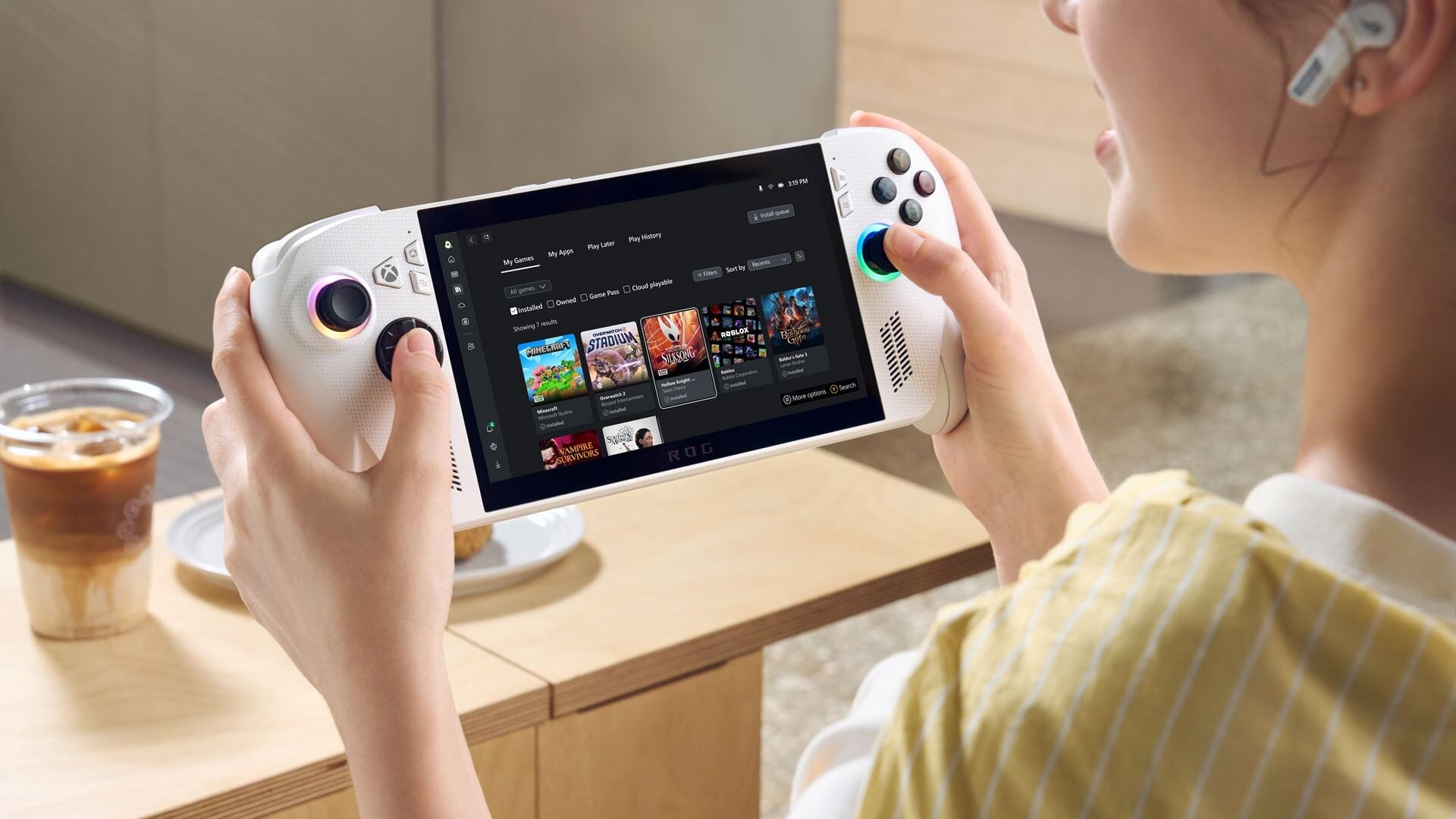
The U.K. watchdog’s concerns centered on how the deal would affect cloud gaming, which streams to tablets, phones and other devices and frees players from buying expensive consoles and gaming computers. Gamers can keep playing major Activision titles, including mobile games like Candy Crush, on the platforms they typically use.
Cloud gaming has the potential to change the industry by giving people more choice over how and where they play, said Martin Colman, chair of the Competition and Markets Authority’s independent expert panel investigating the deal.
“This means that it is vital that we protect competition in this emerging and exciting market,” he said.
The decision underscores Europe’s reputation as the global leader in efforts to rein in the power of Big Tech companies. A day earlier, the U.K. government unveiled draft legislation that would give regulators more power to protect consumers from online scams and fake reviews and boost digital competition.
The U.K. decision further dashes Microsoft’s hopes that a favorable outcome could help it resolve a lawsuit brought by the U.S. Federal Trade Commission. A trial before FTC’s in-house judge is set to begin Aug. 2. The European Union’s decision, meanwhile, is due May 22.
Activision lashed out, portraying the watchdog's decision as a bad signal to international investors in the United Kingdom at a time when the British economy faces severe challenges.
The game maker said it would “work aggressively" with Microsoft to appeal, asserting that the move “contradicts the ambitions of the U.K." to be an attractive place for tech companies.
"We will reassess our growth plans for the U.K. Global innovators large and small will take note that — despite all its rhetoric — the U.K. is clearly closed for business,” Activision said.
Redmond, Washington-based Microsoft also signaled it wasn't ready to give up.
“We remain fully committed to this acquisition and will appeal,” President Brad Smith said in a statement. The decision “rejects a pragmatic path to address competition concerns" and discourages tech innovation and investment in Britain, he said.
“We’re especially disappointed that after lengthy deliberations, this decision appears to reflect a flawed understanding of this market and the way the relevant cloud technology actually works,” Smith said.
It’s not the first time British regulators have flexed their antitrust muscles on a Big Tech deal. They previously blocked Facebook parent Meta’s purchase of Giphy over fears it would limit innovation and competition. The social media giant appealed the decision to a tribunal but lost and was forced to sell off the GIF sharing platform.
When it comes to gaming, Microsoft already has a strong position in the cloud computing market, and regulators concluded that if the deal went through, it would reinforce the company’s advantage by giving it control of key game titles.
In an attempt to ease concerns, Microsoft struck deals with Nintendo and some cloud gaming providers to license Activision titles like Call of Duty for 10 years — offering the same to Sony.
The watchdog said it reviewed Microsoft’s remedies “in considerable depth” but found they would require its oversight, whereas preventing the merger would allow cloud gaming to develop without intervention.
An expert forecast suggested cloud gaming will see explosive growth in Britain’s 5 billion ($6.2 billion) video game market over the coming years, with user numbers tripling from the start of 2021 to the end of 2022 and the cloud game market expected to grow to a value of 1 billion pounds by 2026, regulators said.
They had dropped concerns last month that the deal would hurt console gaming, saying it wouldn't benefit Microsoft to make Call of Duty exclusive to its Xbox console.
___
AP Technology Writer Matt O'Brien in Providence, Rhode Island contributed to this report.
UPDATES: Updates with UK gaming market statistics, more comment from Activision, background on UK block Facebook-Giphy deal, US case and EU deadline, contributor line.