Ujo Music Founder Says Blockchain Can Fix the Music Industry
*By Jacqueline Corba*
The music industry is broken because artists are not getting paid what they should, said Ujo Music's co-founder Jesse Grushack, and he can fix it with blockchain technology.
Ujo Music is part of the Consensys studio, led by Joe Lubin, the co-founder of the blockchain-based computing platform Ethereum.
More than 80 artists, including Imogen Heap, RAC, and Giraffage, are on Ujo Music's platform. No money can be exchanged yet, but Grushack said eventually artists will be paid with Ethereum.
"What matters is the artist is getting a fair value for use of their song," Grushack said Thursday on Cheddar's The Crypto Craze.
Through Ujo Music, creators can maintain control of their licensing agreement and set their own price and rules for how their own content can be used. Grushack said the goal is to create an ecosystem in which no matter where content lives on the web, artists get paid.
"A lot of people have grand ideas in blockchain, but the pipes to build all that stuff aren't quite there yet," said Grushack. "Consensys allows us to play with ideas, play with tech, and provides us with services such as marketing and diligence."
For the full interview, [click here](https://cheddar.com/videos/how-ujo-music-is-leveraging-blockchain-to-pay-artists-fairly).
The parcel delivery industry is getting more competitive as more companies enter the space with climate change in mind. Carl-Magnus Norden, founder and executive chairman at Volta Trucks, joined Cheddar to talk about electrifying delivery vehicles as well as the startup’s $44 million funding round. Despite ongoing driver shortages, he noted that he didn't see autonomous delivery being available in city settings within the next five years.
Jeff Bezos' space travel company Blue Origin is under fire after a group of 20 current and former employees signed a letter to the FAA claiming safety violations that were detailed along with accusations of sexual harassment.
Cloud contact center software company Five9's shareholders voted against the $14.7 billion all-stock acquisition deal from Zoom. A return to offices and in-person meetings have been cited for at least some of the reasons the deal ultimately fell through.
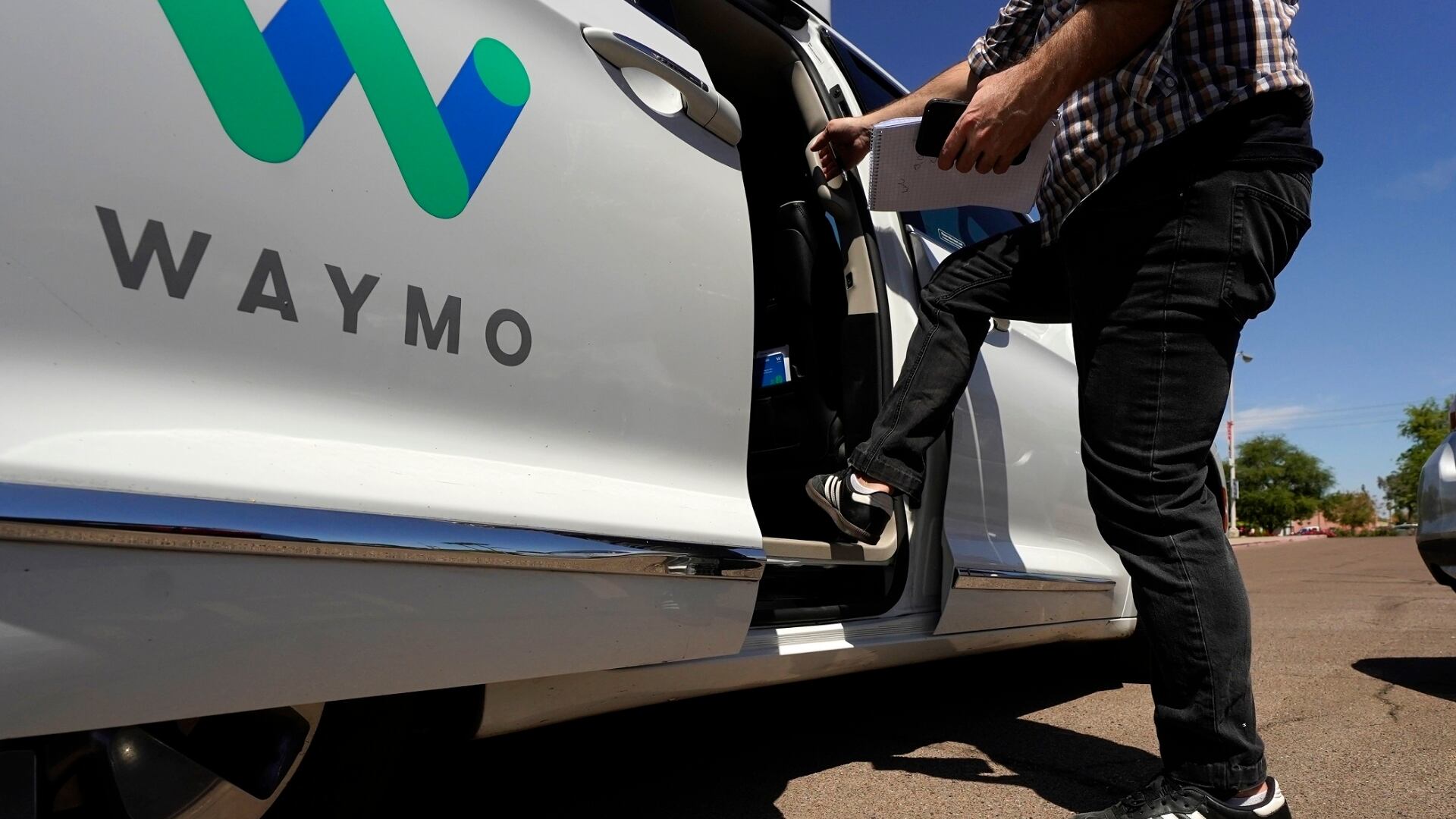
Autonomous car companies Waymo and Cruise are one step closer to offering driverless ridesharing in California after receiving approval from the state's DMV to begin charging fees for their services. Both companies still need approval from the California Public Utilities Commission before offering rides to the public.