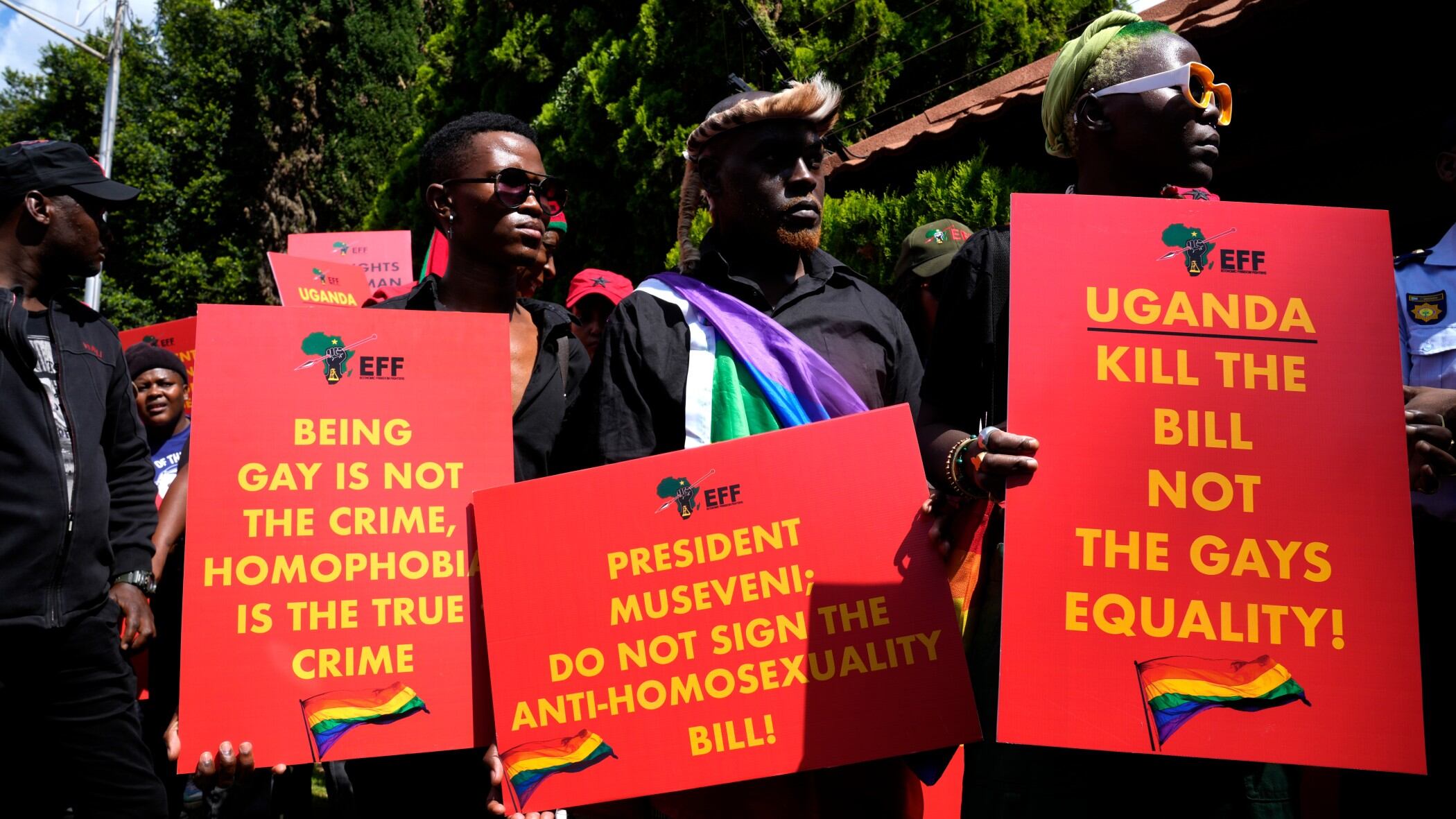
Activists hold placards during their picket against Uganda's anti-homosexuality bill at the Ugandan High Commission in Pretoria, South Africa on April 4, 2023. Uganda's president Yoweri Museveni has signed into law tough new anti-gay legislation supported by many in the country but widely condemned by rights activists and others abroad, it was announced Monday, May 29, 2023. (AP Photo/Themba Hadebe, File)
By Rodney Muhumuza
Uganda's president has signed into law anti-gay legislation supported by many in this East African country but widely condemned by rights activists and others abroad.
The version of the bill signed by President Yoweri Museveni doesn't criminalize those who identify as LGBTQ, a key concern for some rights campaigners who condemned an earlier draft of the legislation as an egregious attack on human rights.
But the new law still prescribes the death penalty for “aggravated homosexuality,” which is defined as cases of sexual relations involving people infected with HIV, as well as with minors and other categories of vulnerable people.
A suspect convicted of “attempted aggravated homosexuality” can be imprisoned for up to 14 years, according to the legislation.
Parliamentary Speaker Anita Among said in a statement that the president had “answered the cries of our people” in signing the bill.
“With a lot of humility, I thank my colleagues the Members of Parliament for withstanding all the pressure from bullies and doomsday conspiracy theorists in the interest of our country,” the statement said.
Museveni had returned the bill to the national assembly in April, asking for changes that would differentiate between identifying as LGBTQ and actually engaging in homosexual acts. That angered some lawmakers, including some who feared the president would proceed to veto the bill amid international pressure. Lawmakers passed an amended version of the bill earlier in May.
LGBTQ rights campaigners say the new legislation is unnecessary in a country where homosexuality has long been illegal under a colonial-era law criminalizing sexual activity “against the order of nature.” The punishment for that offense is life imprisonment.
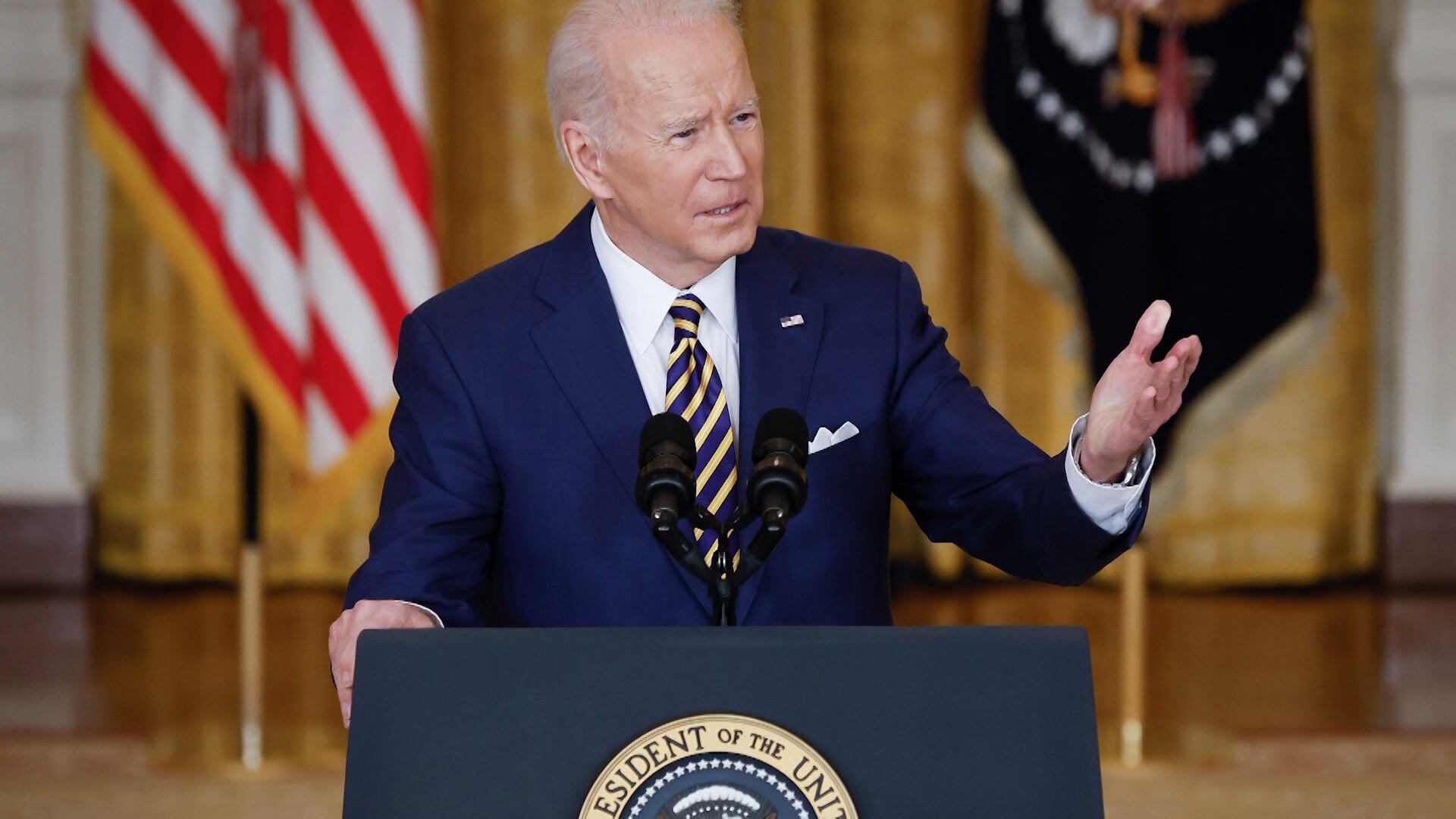
The U.S. had warned of economic consequences over legislation described by Amnesty International as “draconian and overly broad.” In a statement from the White House later on Monday, U.S. President Joe Biden called the new law “a tragic violation of universal human rights — one that is not worthy of the Ugandan people, and one that jeopardizes the prospects of critical economic growth for the entire country.”
"I join with people around the world — including many in Uganda — in calling for its immediate repeal. No one should have to live in constant fear for their life or being subjected to violence and discrimination. It is wrong," Biden said.
The U.N. Human Rights Office said it was “appalled that the draconian and discriminatory anti-gay bill is now law," describing the legislation as ”a recipe for systematic violations of the rights" of LGBTQ people and others.
In a joint statement the leaders of the U.N. AIDS program, the U.S. President's Emergency Plan for AIDS Relief and the Global Fund said they were “deeply concerned about the harmful impact” of the legislation on public health and the HIV response.
“Uganda’s progress on its HIV response is now in grave jeopardy,” the statement said. “The Anti-Homosexuality Act 2023 will obstruct health education and the outreach that can help end AIDS as a public health threat.”
That statement noted that “stigma and discrimination associated with the passage of the Act has already led to reduced access to prevention as well as treatment services" for LGBTQ people.
Rights activists have the option of appealing the legislation before the courts. One group of activists and academics later on Monday petitioned the constitutional court seeking an injunction against enforcement of the law.
An anti-gay bill enacted in 2014 was later nullified by a panel of judges who cited a lack of quorum in the plenary session that had passed that particular bill. Any legal challenge this time is likely to be heard on the merits, rather than on technical questions.
Anti-gay sentiment in Uganda has grown in recent weeks amid news coverage alleging sodomy in boarding schools, including a prestigious school for boys where a parent accused a teacher of abusing her son.
The February decision of the Church of England ’s national assembly to continue banning church weddings for same-sex couples while allowing priests to bless same-sex marriages and civil partnerships outraged many in Uganda and elsewhere in Africa.
Homosexuality is criminalized in more than 30 of Africa’s 54 countries. Some Africans see it as behavior imported from abroad and not a sexual orientation.
Members of Congress have voted to advance a bill meant to address antitrust concerns related to tech giants including Amazon, Apple, Google, and Meta. The 'American Innovation and Choice Online Act' is largely seen as one of the best chances for the government to reign in Big Tech's dominance
Seth Schachner, Managing Director StratAmericas; Digital Business Executive joined Cheddar's Opening Bell to discuss.
American semiconductor company, Intel officially announcing plans to build a new $20 billion chip manufacturing complex outside Columbus, Ohio. This comes as the global chip shortage continues to hamper production of everything from smart phones, to cars. Jennifer Smith - Logistics and Supply Chain Reporter, WSJ joined Cheddar's Opening Bell to discuss.
The U.S. has put more than 8,000 American troops on high alert for possible deployment to Eastern Europe as the West prepares for a potential Russian invasion of Ukraine. With Russia building up more than 100,000 troops near the Ukrainian border, concerns over the country's behavior are mounting. Joel Rubin, Former Deputy Assistant Secretary of State and President of the Washington Strategy Group, joined Cheddar to discuss what this means for U.S.-Russia relations, and where the conflict might be heading next.
As the midterm election looms, things aren't looking too promising for President Joe Biden. One year into his term as president, Biden is facing one of the lowest approval ratings of any modern-day president, threatening his party's control of the House in 2022. Brian Bennett, Senior White House Correspondent for TIME, joined Cheddar's Opening Bell to discuss.
A full one year into his term as President of The United States, President Biden addressed the nation on Wednesday, facing questions on everything from inflation to chip shortages and covid-19. As Biden enters his second year in office, he is facing one of the lowest approval ratings of any modern-day president. Kate Davidson, Reporter, POLITICO joined Cheddar's Opening Bell to discuss.
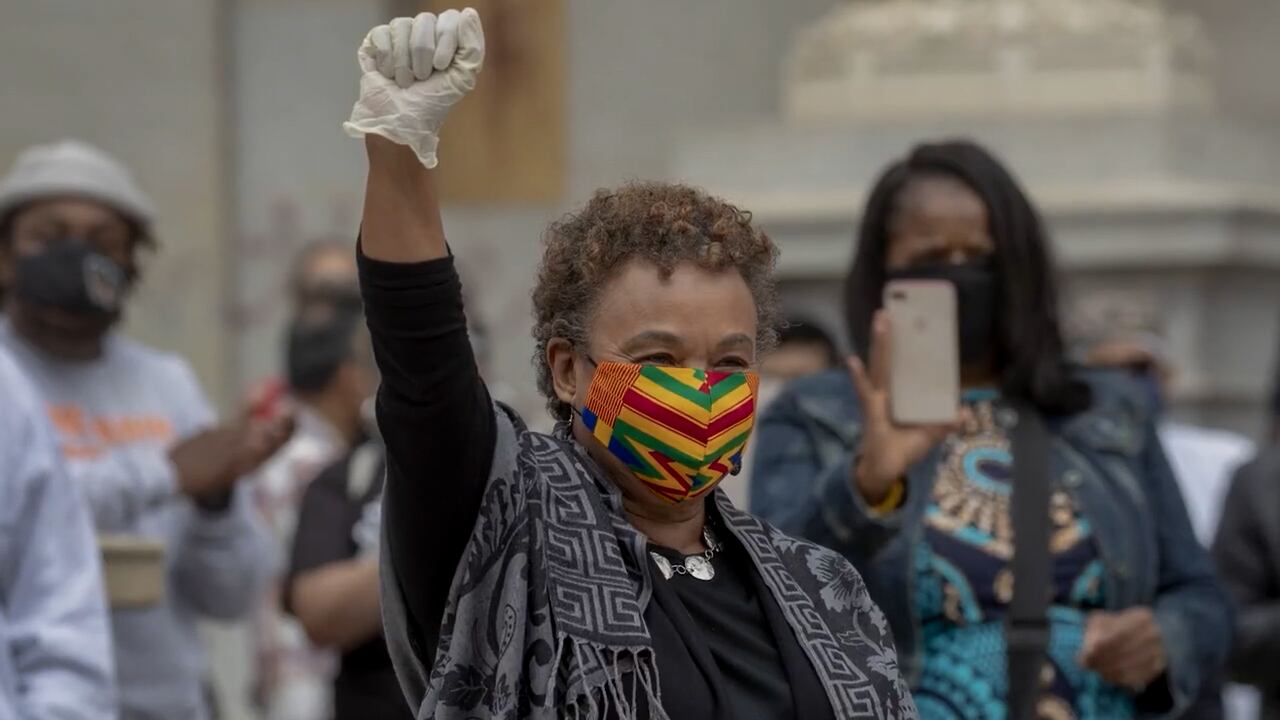
"Barbara Lee: Speaking Truth to Power" is the story of how the longtime House Democrat became, as she Is known to some, as "the Conscience of Congress." The film also
shows Representative Lee from her days working to fight community poverty to famously becoming the only member of Congress to vote "no" against the war in Afghanistan days after 9/11. The film is nominated for an NAACP Image Award, and Premieres on Starz on February 1. Film director Abby Ginzberg and Rep. Barbara Lee (D-Calif. 13th District), joined Cheddar to discuss more.
San Diego has just implemented a new law that could set the stage for how the country deals with food waste. This new law hopes to make a dent in that. Businesses and groceries stores out in San Diego will need to put a plan in place to *donate edible food rather than toss it straight to the trash. Food Rescue Manager at Feeding San Diego, Kate Garret
Earlier this month, New York City experienced one of the deadliest fires it has seen in decades. 17 people lost their lives in the Fordham section of the Bronx. This was due to a faulty space heater which reportedly began on the lower floor of the 120 unit building. Thanks to the F. D. N. Y. And heroic neighbors, many were able to get out in time. Unfortunately, the toxic smoke surged upwards through a safety door. Now, many advocates say negligence by policymakers and landlords has led to the deaths in black and brown communities from fires that honestly could have been preventable. Legislative Director of Citizen Action of New York, Rebecca Garrard, and the Chair of Journalism and New Media Studies at St. Joseph's College Theodore Hamm, joined Cheddar to discuss more.
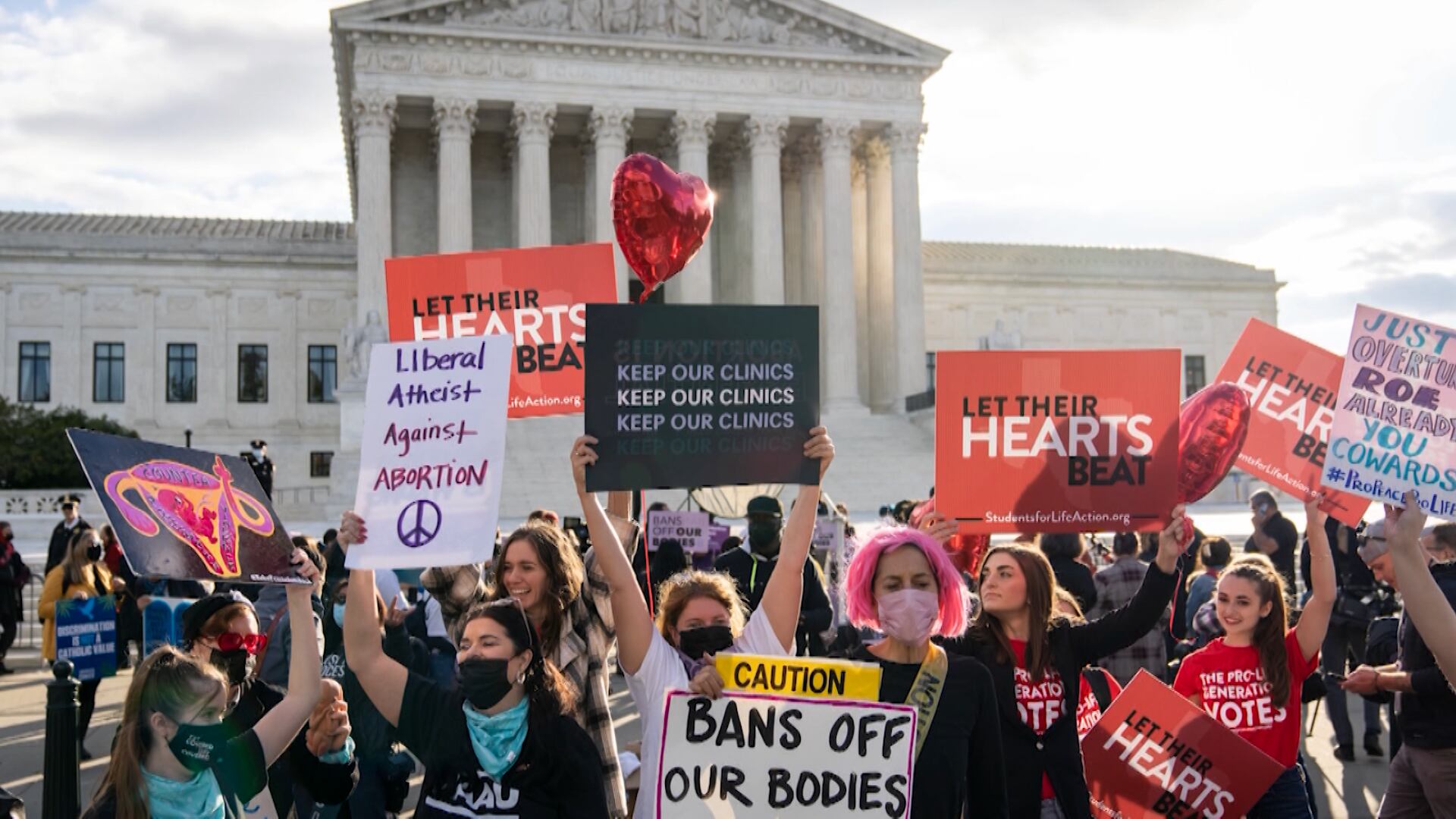
The Supreme Court has declined to order the Texas Abortion case back to the original trial judge for further proceedings. Essentially if Texas abortion providers were able to get their case back to the lower court., It would have greatly helped the group move against the law. However, this decision is likely to prolong the case legal battle. Professor and Author of "The Turnaway Study: Ten Years, a Thousand Women, and the Consequences of Having — Or Being Denied — An Abortion", Diane Foster, joined Cheddar to discuss more.
The Supreme Court rejected yet another bid by abortion providers to block Texas's law - which bans most abortions after six weeks of pregnancy. This is the fourth time that advocates have tried and failed to block the most restrictive abortion ban in the country. Leah Litman, assistant professor of law at The University of Michigan and co-host of the "Strict Scrutiny" podcast, joins Cheddar News to discuss.