UBS said Monday that it has completed its takeover of embattled rival Credit Suisse, nearly three months after the Swiss government hastily arranged a rescue deal to combine the country's two largest banks in a bid to safeguard Switzerland’s reputation as a global financial center and choke off market turmoil.

A statement from the bank said that “UBS has completed the acquisition of Credit Suisse today, crossing an important milestone."

UBS had said last week that it expected to complete the acquisition worth 3 billion Swiss francs ($3.3 billion) as early as Monday — which will be the last trading day for Credit Suisse shares on the Swiss stock exchange. Credit Suisse will also no longer be traded on the New York Stock Exchange.

It's a pivotal moment for the two Zurich-based rivals, whose combination has raised concerns about thousands of expected job losses, drawn rebukes and lawsuits over the terms of the deal, and stirred fears about the impact of creating a Swiss megabank that would be too big to fail.

“This is a very important moment — not just for UBS, (but) for Switzerland as a financial location and for Switzerland as a country,” UBS CEO Sergio Ermotti said on Friday. “So we do feel the responsibility, but we are fully motivated.”

Ermotti, who returned to UBS to push through the deal, acknowledged that “the coming months will certainly be bumpy” but said the bank was “very focused on doing on it right.”

The Swiss government orchestrated the rescue of Credit Suisse over a weekend in March after the lender’s stock plunged and customers quickly pulled out their money, fearing its collapse could further roil global financial markets in the wake of the failure of two U.S. banks.

“I’m pleased that we’ve successfully closed this crucial transaction in less than three months, bringing together two global systemically important banks for the first time,” UBS Chairman Colm Kelleher said in Monday’s statement. “We are now one Swiss global firm and, together, we are stronger.”

Ermotti said that “we’ll present our clients an enhanced global offering, broader geographic reach and access to even greater expertise.”

UBS Group AG will manage two separate parent banks, UBS and Credit Suisse, with each continuing to have its own branches and customers.

The 167-year-old Credit Suisse had seen a string of scandals over the years that hit the heart of its business, ranging from bad bets on hedge funds to failing to prevent money laundering by a Bulgarian cocaine ring and accusations it didn’t report secret offshore accounts that wealthy Americans used to avoid paying U.S. taxes.

UBS will inherit ongoing cases against Credit Suisse and the financial repercussions those entail, including a recent ruling in Singapore that said Credit Suisse owes former Georgian Prime Minister Bidzina Ivanishvili hundreds of millions of dollars for failing to protect the billionaire’s money in a trust pilfered by a manager.

Credit Suisse is appealing that and a similar case in Bermuda, where Ivanishvili says a bank subsidiary failed to prevent “fraudulent mismanagement” of his assets in two life insurance policies.

Switzerland’s government has agreed to provide UBS with 9 billion Swiss francs (nearly $10 billion) in guarantees to cover any losses it may face from the takeover after UBS covers any hits up to 5 billion francs ($5.5 billion).

That emergency rescue plan is facing political pushback ahead of parliamentary elections in October. Switzerland’s lower house has rebuked it in a symbolic vote, and lawmakers have approved setting up an inquiry into the deal and the events leading up to it. The Swiss attorney general’s office already has opened a probe.

Credit Suisse investors also have sued the country’s financial regulators after about 16 billion Swiss francs ($17.7 billion) in higher-risk bonds were wiped out.

The U.S. Federal Reserve, the European Union’s executive branch and others worldwide have signed off on the takeover. Credit Suisse was classified as one of 30 globally significant banks because its collapse posed a wider risk to the financial system.

___

Bonnell reported from London.
Share:
More In Business
Could This Year's Meme Stock Mania Surrounding GameStop, AMC, and Others Continue in 2022 and Beyond?
As 2021 is approaching its end, the meme stock mania that surrounded companies like Gamestop and AMC this year doesn't seem to be going anywhere. Stocks for both companies plunged to their lowest levels in months on Monday, but on Tuesday, traders seemed to come to the rescue, as the stocks for both companies saw rebounds. Great Hill Capital Chariman Thomas Hayes joins Cheddar News' Closing Bell to discuss.
Upward Farms Aims to Reconnect Consumers with Locally-Grown Food
Upward Farms is an indoor vertical farming company on a mission to heal our broken food system and reconnect consumers with organic locally-grown food. The Brooklyn-based company uses its controlled environment farms to grow organic leafy greens, which are sold at whole foods markets in New York City. Upward Farms co-founder and CEO Jason Green joined Cheddar Climate to discuss.
Electric Companies Join National Coalition to Build EV Charging Network
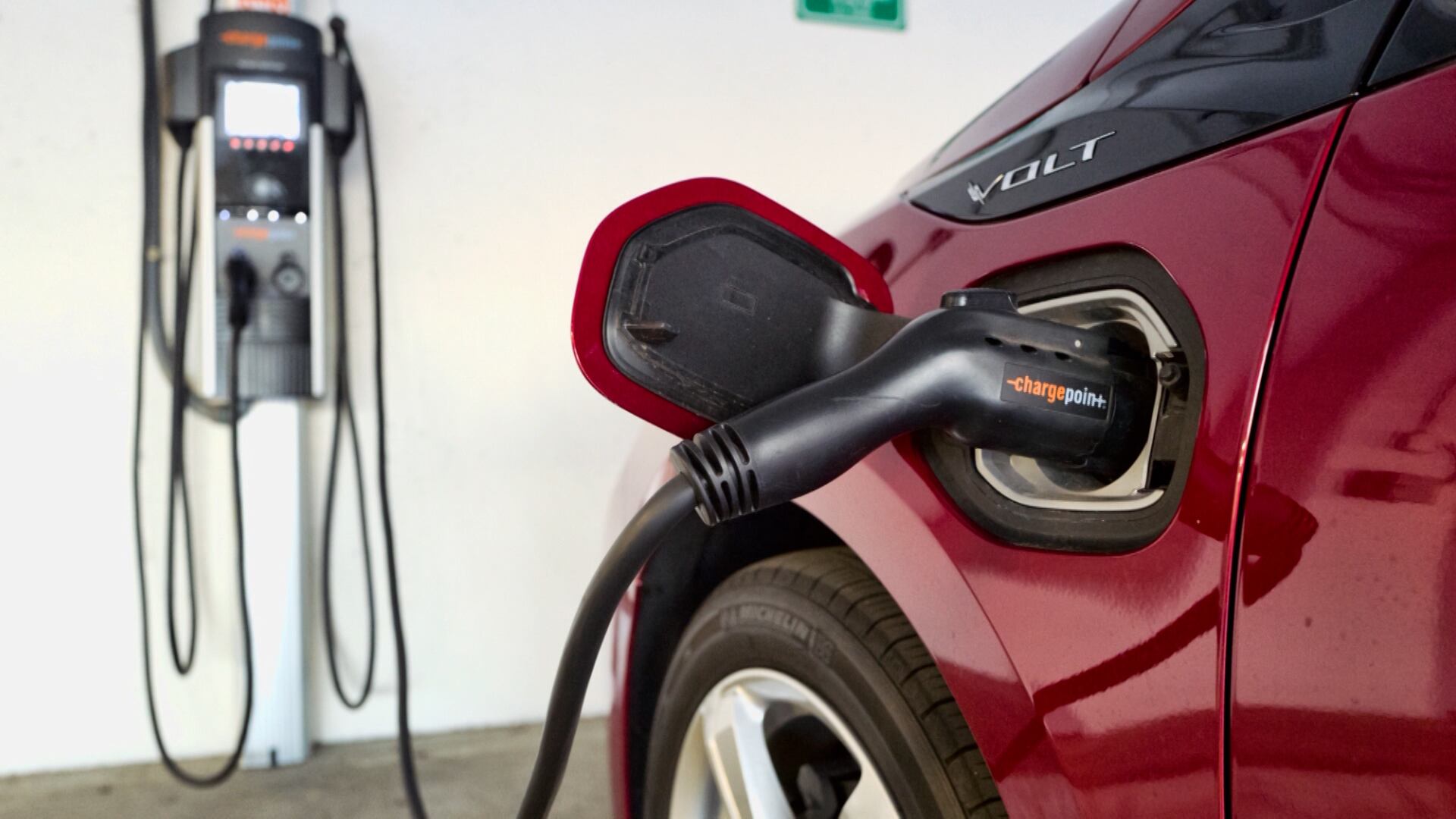
One of the biggest hurdles when it comes to widespread electric vehicle adoption is consumer hesitation about their ability to keep their EV charged if they take a longer trip outside of their locality. Now, electric companies nationwide are teaming up as part of a coalition to build out a network of EV charging stations spanning major U.S. travel corridors. Kellen Schefter, director of electric transportation at the Edison Electric Institute, joins Cheddar Climate to discuss the coalition's plans, how drivers can compare fueling up with gas to recharging an EV on a long trip, how the charging network will be funded, and more.
12 Terms of 2021: Infrastructure
Cheddar is looking back at the 12 biggest buzzwords of the year leading up to Christmas. Today's word of the day is "Infrastructure." Definition: (noun) the basic physical and organizational systems that uphold the structure of the economy.
Golden State Warriors President on Teaming Up on NFTs With FTX Crypto Exchange
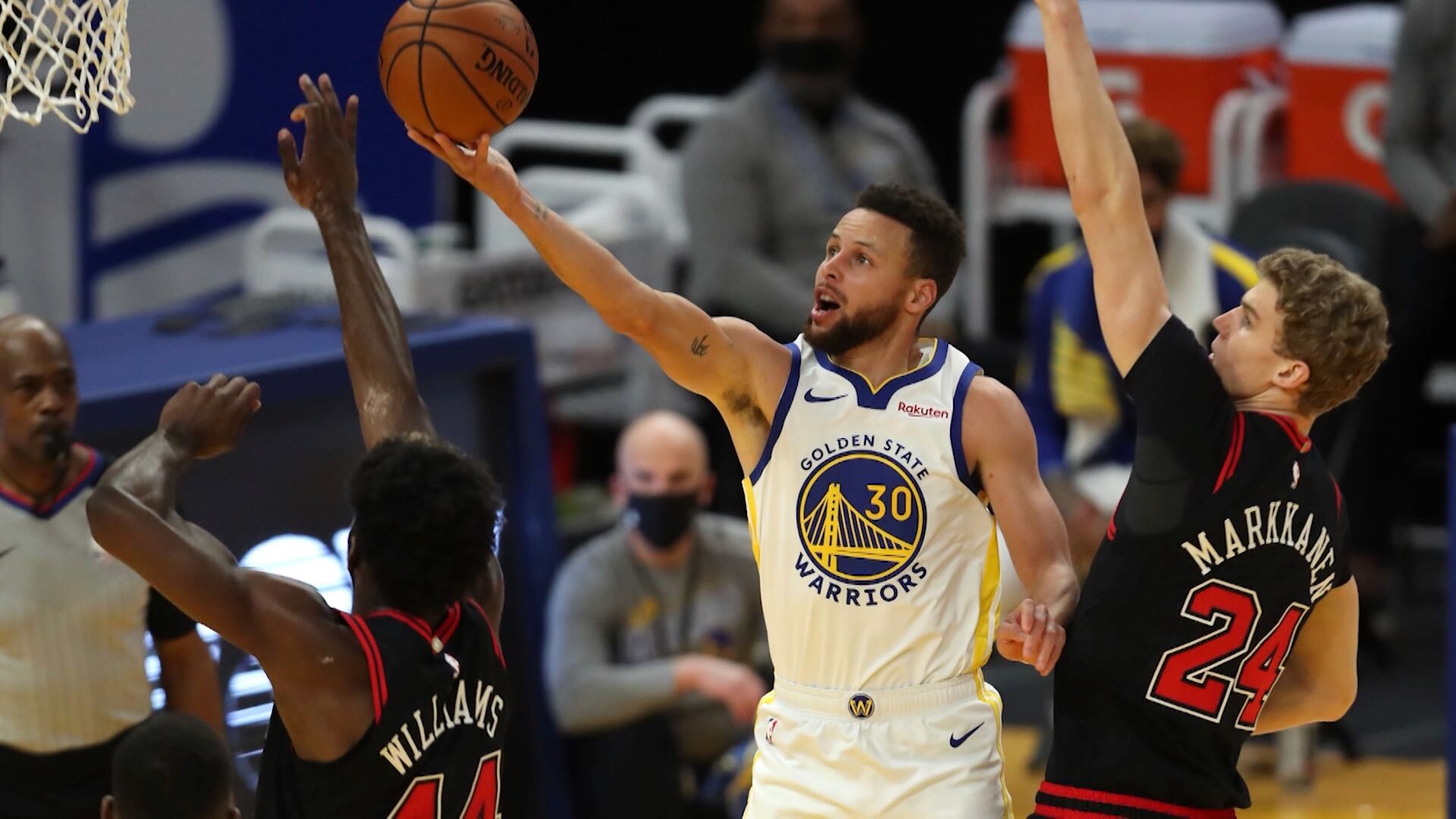
The NBA's Golden State Warriors announced a partnership with crypto exchange FTX. It will become the official crypto trading platform for the franchise as well as home to a number of NFTs it plans to drop. Brandon Schneider, president and chief operating officer of the team, joined Cheddar's Kristen Scholer to provide some background on the deal and talked about how digital assets are transforming the world of sports. "We as a society, not just in sports, are kind of at the beginning of the beginning with crypto and NFTs specifically, so we're really excited to partner with FTX to see where we can take this together," he said.
2022 Predictions for Cannabis Industry
The U.S. cannabis industry is on track to hit almost $25 billion in sales, according to New Frontier Data. Vivien Azer, managing director and senior research analyst at Cowen, and Russell Stanley, managing director and equity research at Beacon Securities Limited, join Cheddar News to give their predictions for the budding industry in 2022.
Equity in the Cannabis Industry
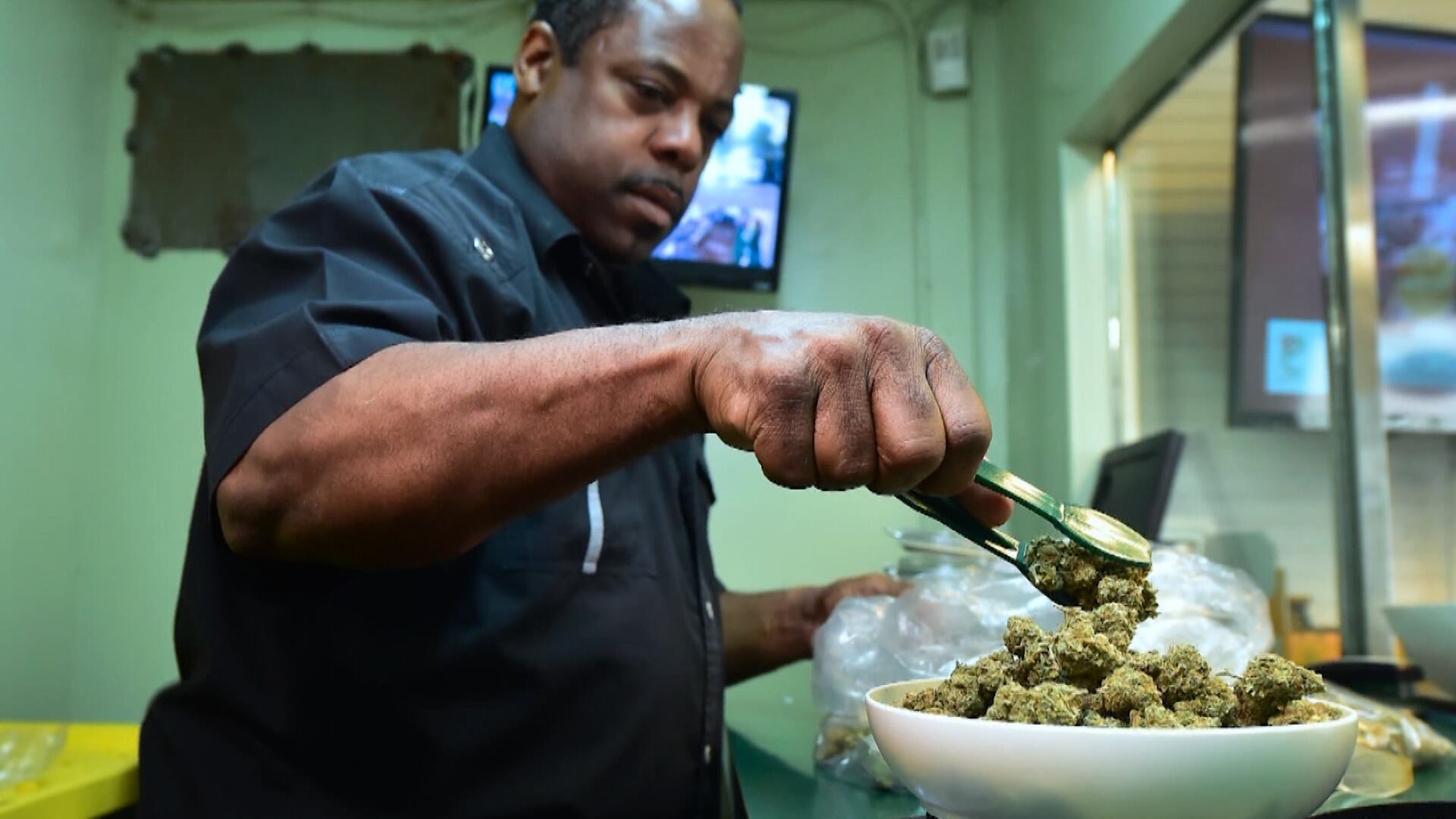
Dan Pettigrew, CEO of Village, joins Cheddar News to discuss the company's strides in creating equity within the cannabis industry.
The Environmental Impact of Cannabis Farms
As more states begin to legalize recreational marijuana, there's a growing interest in legalizing cannabis cultivation. As the rise in cannabis farms expands across the U.S., more research is being done to examine its impact on the planet. Michael Katz, executive director at Mendocino Cannabis Alliance, joins Cheddar News to talk about the carbon footprint of cannabis farms.
Oregon Congressman Says 'Tidal Wave of Support' Behind Federal Cannabis Legalization
Rep. Earl Blumenauer (D-Ore. 3rd District), the co-chair of the Congressional Cannabis Caucus, joined Cheddar's "Cannabiz" to discuss the state of marijuana legalization on the federal level as more states continue to greenlight medical and adult use. He stated that there couldn't be a better time to revise the old policies on marijuana with more than 90 percent of Americans, including a majority of Republicans, on board. "This tidal wave of support continues. There were five states that approved in the last general election, and I think, rather than one single event, it is this momentum and the demonstration of broad public support that is making the difference," Blumenauer said.
Load More