UBS said Monday that it has completed its takeover of embattled rival Credit Suisse, nearly three months after the Swiss government hastily arranged a rescue deal to combine the country's two largest banks in a bid to safeguard Switzerland’s reputation as a global financial center and choke off market turmoil.
A statement from the bank said that “UBS has completed the acquisition of Credit Suisse today, crossing an important milestone."
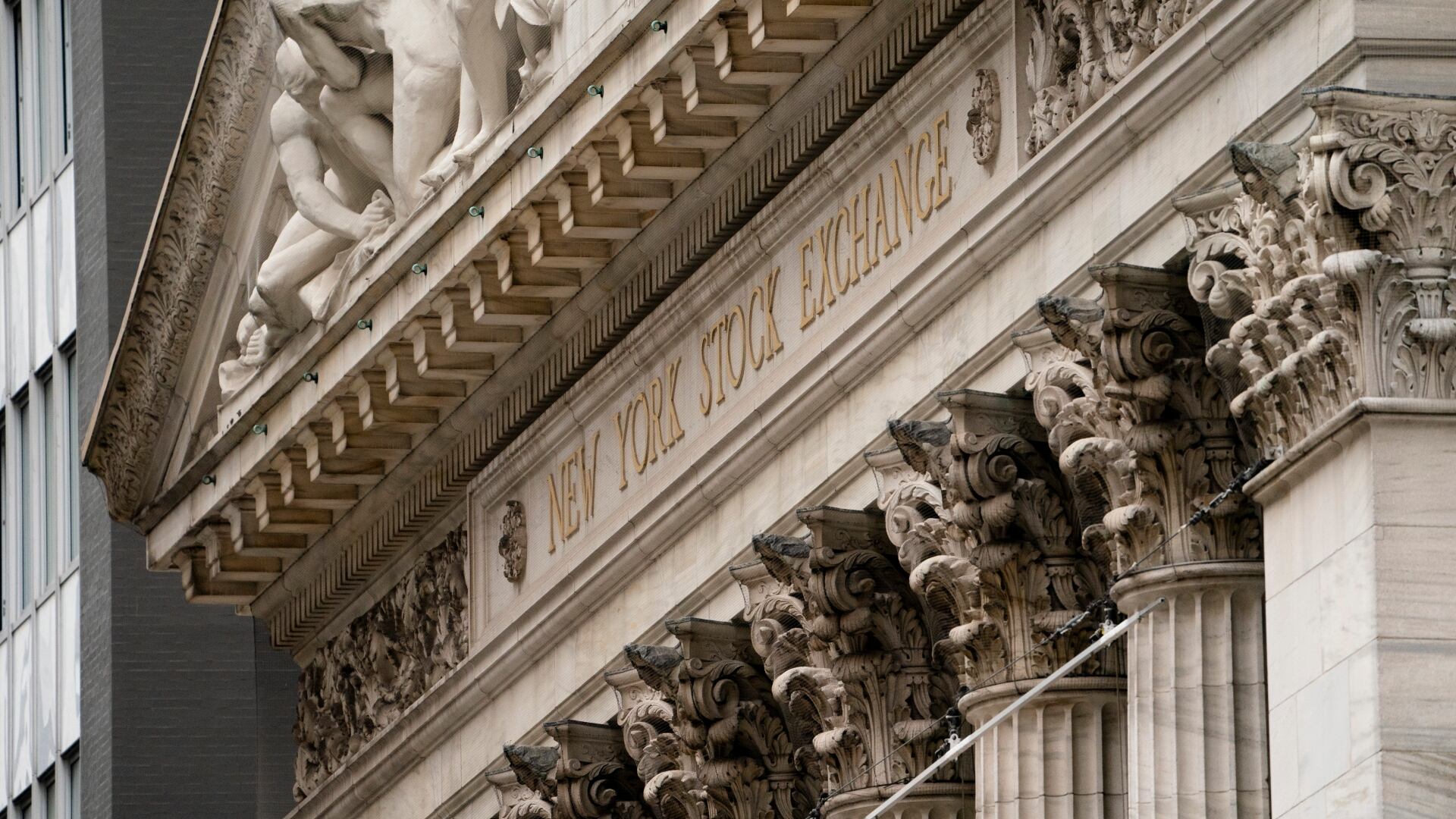
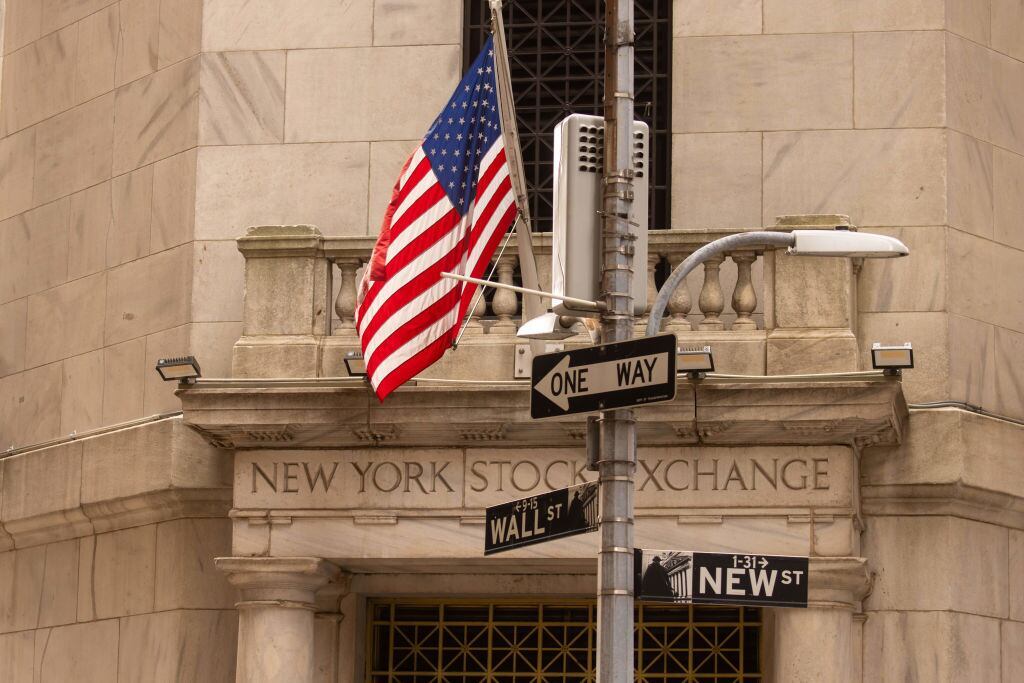
UBS had said last week that it expected to complete the acquisition worth 3 billion Swiss francs ($3.3 billion) as early as Monday — which will be the last trading day for Credit Suisse shares on the Swiss stock exchange. Credit Suisse will also no longer be traded on the New York Stock Exchange.
It's a pivotal moment for the two Zurich-based rivals, whose combination has raised concerns about thousands of expected job losses, drawn rebukes and lawsuits over the terms of the deal, and stirred fears about the impact of creating a Swiss megabank that would be too big to fail.
“This is a very important moment — not just for UBS, (but) for Switzerland as a financial location and for Switzerland as a country,” UBS CEO Sergio Ermotti said on Friday. “So we do feel the responsibility, but we are fully motivated.”
Ermotti, who returned to UBS to push through the deal, acknowledged that “the coming months will certainly be bumpy” but said the bank was “very focused on doing on it right.”
The Swiss government orchestrated the rescue of Credit Suisse over a weekend in March after the lender’s stock plunged and customers quickly pulled out their money, fearing its collapse could further roil global financial markets in the wake of the failure of two U.S. banks.
“I’m pleased that we’ve successfully closed this crucial transaction in less than three months, bringing together two global systemically important banks for the first time,” UBS Chairman Colm Kelleher said in Monday’s statement. “We are now one Swiss global firm and, together, we are stronger.”
Ermotti said that “we’ll present our clients an enhanced global offering, broader geographic reach and access to even greater expertise.”
UBS Group AG will manage two separate parent banks, UBS and Credit Suisse, with each continuing to have its own branches and customers.
The 167-year-old Credit Suisse had seen a string of scandals over the years that hit the heart of its business, ranging from bad bets on hedge funds to failing to prevent money laundering by a Bulgarian cocaine ring and accusations it didn’t report secret offshore accounts that wealthy Americans used to avoid paying U.S. taxes.
UBS will inherit ongoing cases against Credit Suisse and the financial repercussions those entail, including a recent ruling in Singapore that said Credit Suisse owes former Georgian Prime Minister Bidzina Ivanishvili hundreds of millions of dollars for failing to protect the billionaire’s money in a trust pilfered by a manager.
Credit Suisse is appealing that and a similar case in Bermuda, where Ivanishvili says a bank subsidiary failed to prevent “fraudulent mismanagement” of his assets in two life insurance policies.
Switzerland’s government has agreed to provide UBS with 9 billion Swiss francs (nearly $10 billion) in guarantees to cover any losses it may face from the takeover after UBS covers any hits up to 5 billion francs ($5.5 billion).
That emergency rescue plan is facing political pushback ahead of parliamentary elections in October. Switzerland’s lower house has rebuked it in a symbolic vote, and lawmakers have approved setting up an inquiry into the deal and the events leading up to it. The Swiss attorney general’s office already has opened a probe.
Credit Suisse investors also have sued the country’s financial regulators after about 16 billion Swiss francs ($17.7 billion) in higher-risk bonds were wiped out.
The U.S. Federal Reserve, the European Union’s executive branch and others worldwide have signed off on the takeover. Credit Suisse was classified as one of 30 globally significant banks because its collapse posed a wider risk to the financial system.
___
Bonnell reported from London.