UBS said Monday that it has completed its takeover of embattled rival Credit Suisse, nearly three months after the Swiss government hastily arranged a rescue deal to combine the country's two largest banks in a bid to safeguard Switzerland’s reputation as a global financial center and choke off market turmoil.
A statement from the bank said that “UBS has completed the acquisition of Credit Suisse today, crossing an important milestone."
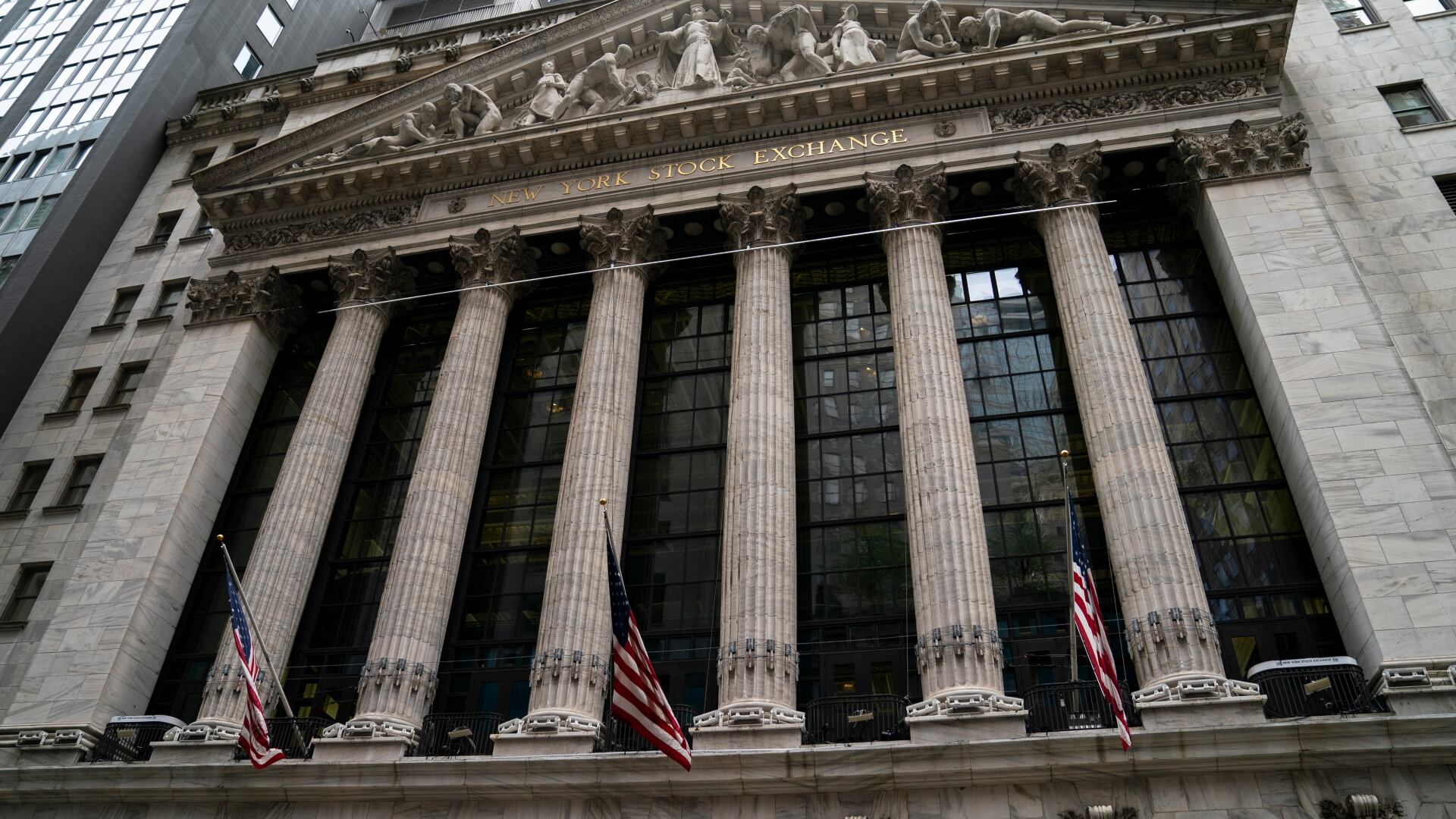
UBS had said last week that it expected to complete the acquisition worth 3 billion Swiss francs ($3.3 billion) as early as Monday — which will be the last trading day for Credit Suisse shares on the Swiss stock exchange. Credit Suisse will also no longer be traded on the New York Stock Exchange.
It's a pivotal moment for the two Zurich-based rivals, whose combination has raised concerns about thousands of expected job losses, drawn rebukes and lawsuits over the terms of the deal, and stirred fears about the impact of creating a Swiss megabank that would be too big to fail.
“This is a very important moment — not just for UBS, (but) for Switzerland as a financial location and for Switzerland as a country,” UBS CEO Sergio Ermotti said on Friday. “So we do feel the responsibility, but we are fully motivated.”
Ermotti, who returned to UBS to push through the deal, acknowledged that “the coming months will certainly be bumpy” but said the bank was “very focused on doing on it right.”
The Swiss government orchestrated the rescue of Credit Suisse over a weekend in March after the lender’s stock plunged and customers quickly pulled out their money, fearing its collapse could further roil global financial markets in the wake of the failure of two U.S. banks.
“I’m pleased that we’ve successfully closed this crucial transaction in less than three months, bringing together two global systemically important banks for the first time,” UBS Chairman Colm Kelleher said in Monday’s statement. “We are now one Swiss global firm and, together, we are stronger.”
Ermotti said that “we’ll present our clients an enhanced global offering, broader geographic reach and access to even greater expertise.”
UBS Group AG will manage two separate parent banks, UBS and Credit Suisse, with each continuing to have its own branches and customers.
UBS will inherit ongoing cases against Credit Suisse and the financial repercussions those entail, including a recent ruling in Singapore that said Credit Suisse owes former Georgian Prime Minister Bidzina Ivanishvili hundreds of millions of dollars for failing to protect the billionaire’s money in a trust pilfered by a manager.
Credit Suisse is appealing that and a similar case in Bermuda, where Ivanishvili says a bank subsidiary failed to prevent “fraudulent mismanagement” of his assets in two life insurance policies.
Switzerland’s government has agreed to provide UBS with 9 billion Swiss francs (nearly $10 billion) in guarantees to cover any losses it may face from the takeover after UBS covers any hits up to 5 billion francs ($5.5 billion).
That emergency rescue plan is facing political pushback ahead of parliamentary elections in October. Switzerland’s lower house has rebuked it in a symbolic vote, and lawmakers have approved setting up an inquiry into the deal and the events leading up to it. The Swiss attorney general’s office already has opened a probe.
The U.S. Federal Reserve, the European Union’s executive branch and others worldwide have signed off on the takeover. Credit Suisse was classified as one of 30 globally significant banks because its collapse posed a wider risk to the financial system.
The year 2021 saw numerous natural disasters around the world, including extreme heat and wildfires, rare deep freezes, and historic flooding. This year's United Nations COP26 conference was key for getting world leaders on board with emissions reductions and other climate-focused policies as the UN Secretary-General said the agency's report on global warming is a 'code red for humanity.' In the U.S., President Joe Biden has focused most of his domestic agenda on slashing emissions and building climate-focused infrastructure. Guests from The Economist, UNC-Chapel Hill, Global Rescue, and more join Cheddar Climate's year-end special to discuss how the climate changed in 2021, and what to expect in 2022.
It's no secret tech giant Amazon has a mission of becoming a major player in sports media, and the company is poised to make progress on that goal in 2022. Amazon Prime Video will be the exclusive home to Thursday Night Football for the 2022-23 NFL season. In December, the New York Post reported that Amazon is in the beginning stages of developing studio sports programs, and hopes to soon have a full daily lineup of sports shows. Front Office Sports senior reporter A.J. Perez joined Cheddar News' Closing Bell to discuss.
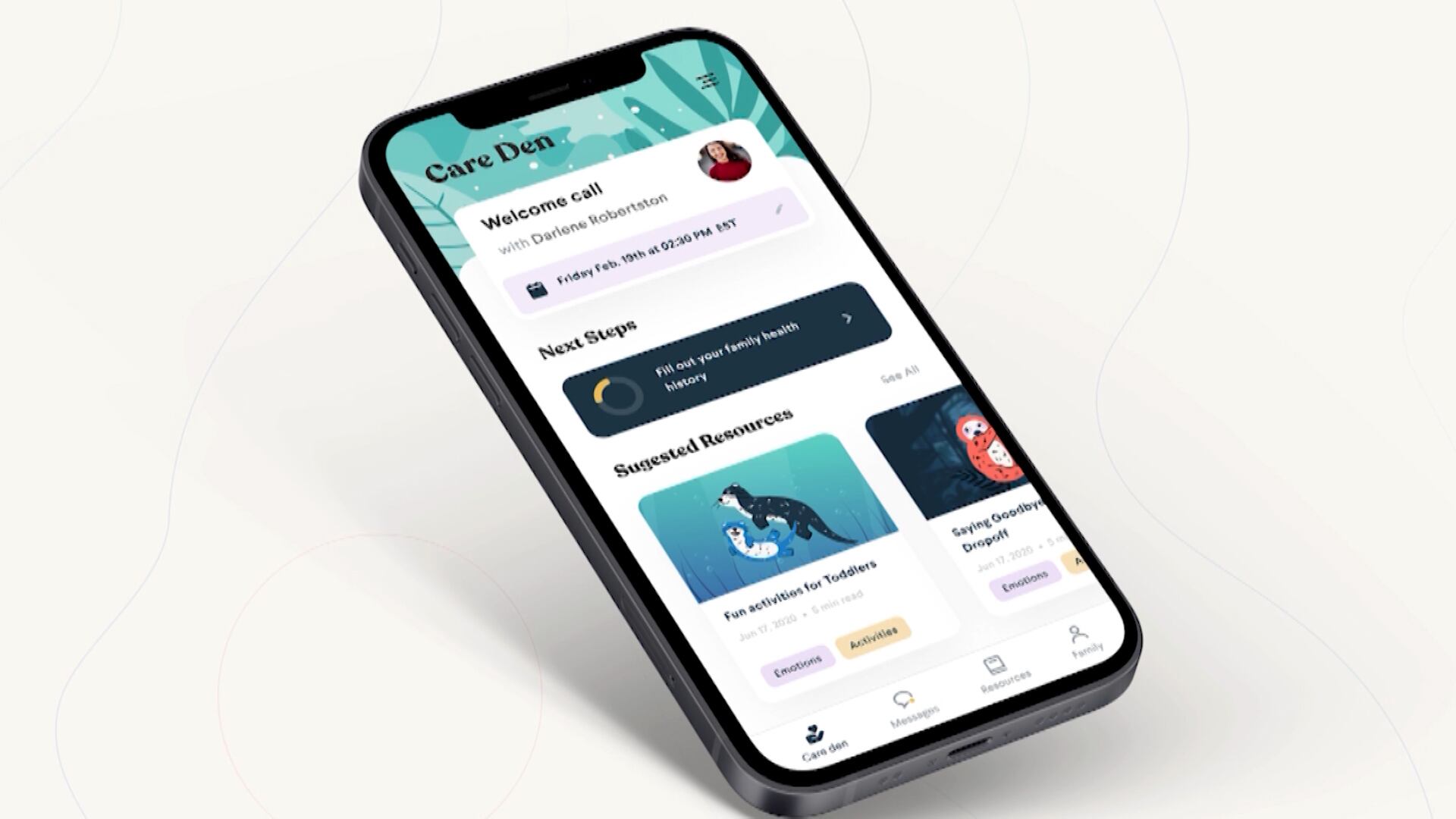
Digital mental health company Little Otter recently announced it closed a $22 million Series A round. Little Otter was founded in 2020 by a mother-daughter team, which based the company on the idea that a child's mental health can only be addressed by treating the whole family through technology available to everyone. Little Otter CEO and co-founder Rebecca Egger and her mother, Little Otter Chief Medical and Scientific Officer and co-founder Dr. Helen Egger joined Cheddar News' Closing Bell to discuss.
Stocks closed lower Thursday with the tech-heavy Nasdaq in particular under pressure as investors dump tech stocks amid interest rate hike fears. This is the third session in a row that the Nasdaq has slipped. Meanwhile, rate-sensitive stocks gained one day after the Federal Reserve announced its more hawkish policy including three rate hikes this year. Kristina Hooper, Chief Global Market Strategist at Invesco, joins Cheddar News' Closing Bell to discuss today's close, this week's Fed minutes and the central bank's new hawkish policy, and more.
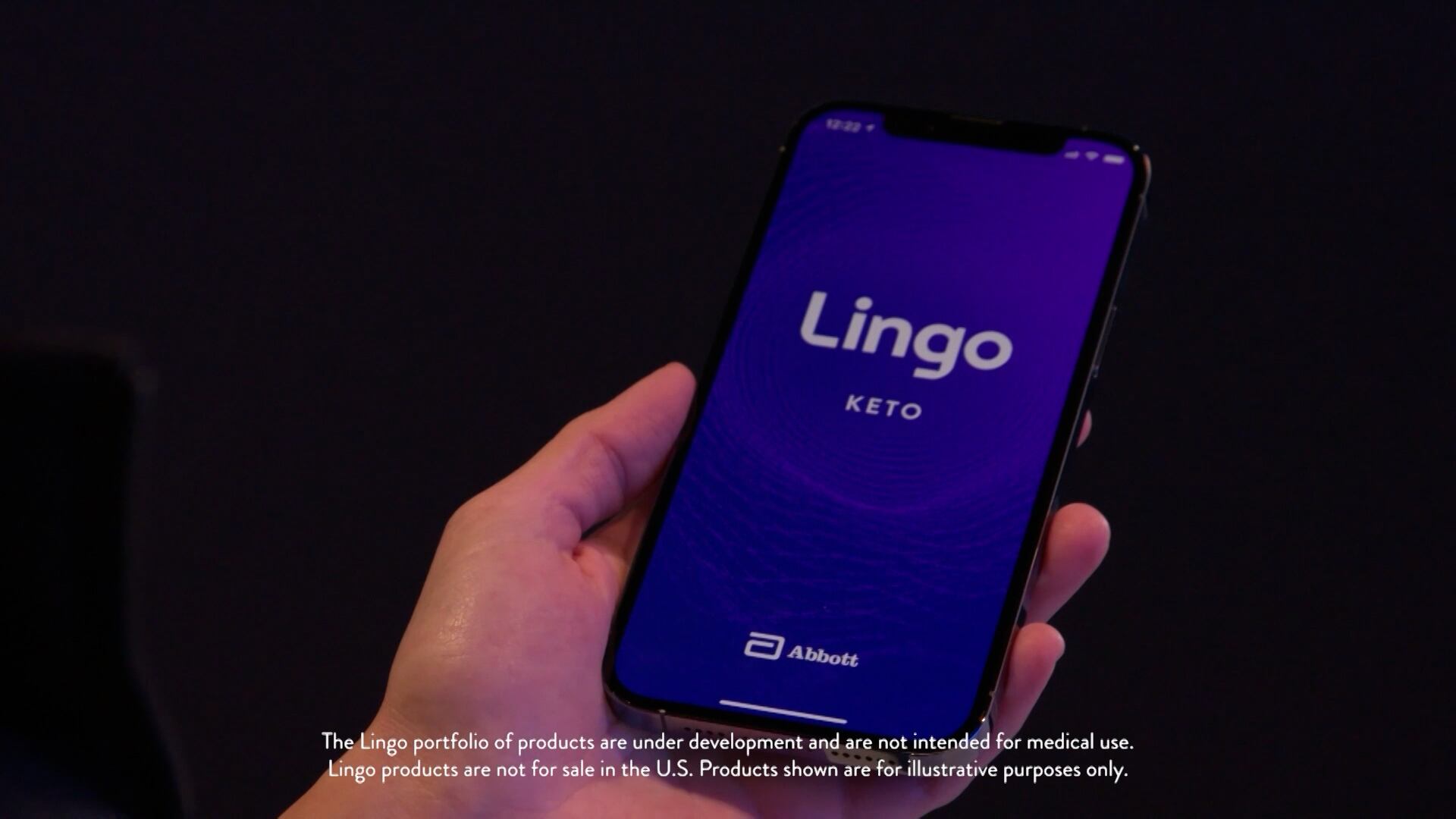
Jared Watkin, senior vice president, diabetes care, at Abbott Laboratories, joined Michelle Castillo from the CES 2022 floor to discuss the future of health tech, including Abbott's consumer-facing biowearable called Lingo. The accessory is supposed to send real-time biomarker information like glucose or ketone levels to the Lingo app for the wearer to review. "The idea is that it's a window into your body," Watkin said. "It gives you insight into what's going on in your body and the certain circumstances that you otherwise wouldn't be able to have."
Aaron Jefferson, VP of product at Luminar, joined Cheddar to discuss partnering with automaker Volvo to bring its LIDAR (light detection and ranging) tech into autonomous cars capable of safely driving on the highway. While companies like Tesla have come under fire due to safety issues with its self-driving technology, Jefferson noted how his company's tech differs. "Our LIDAR, its iris sensor that's really set for production, is able to sense, understand, and give the vehicle confidence to react accordingly such that you don't have these same types of issues," he said. The Ride Pilot technology in Volvo vehicles will be rolled out in California following safety testing.
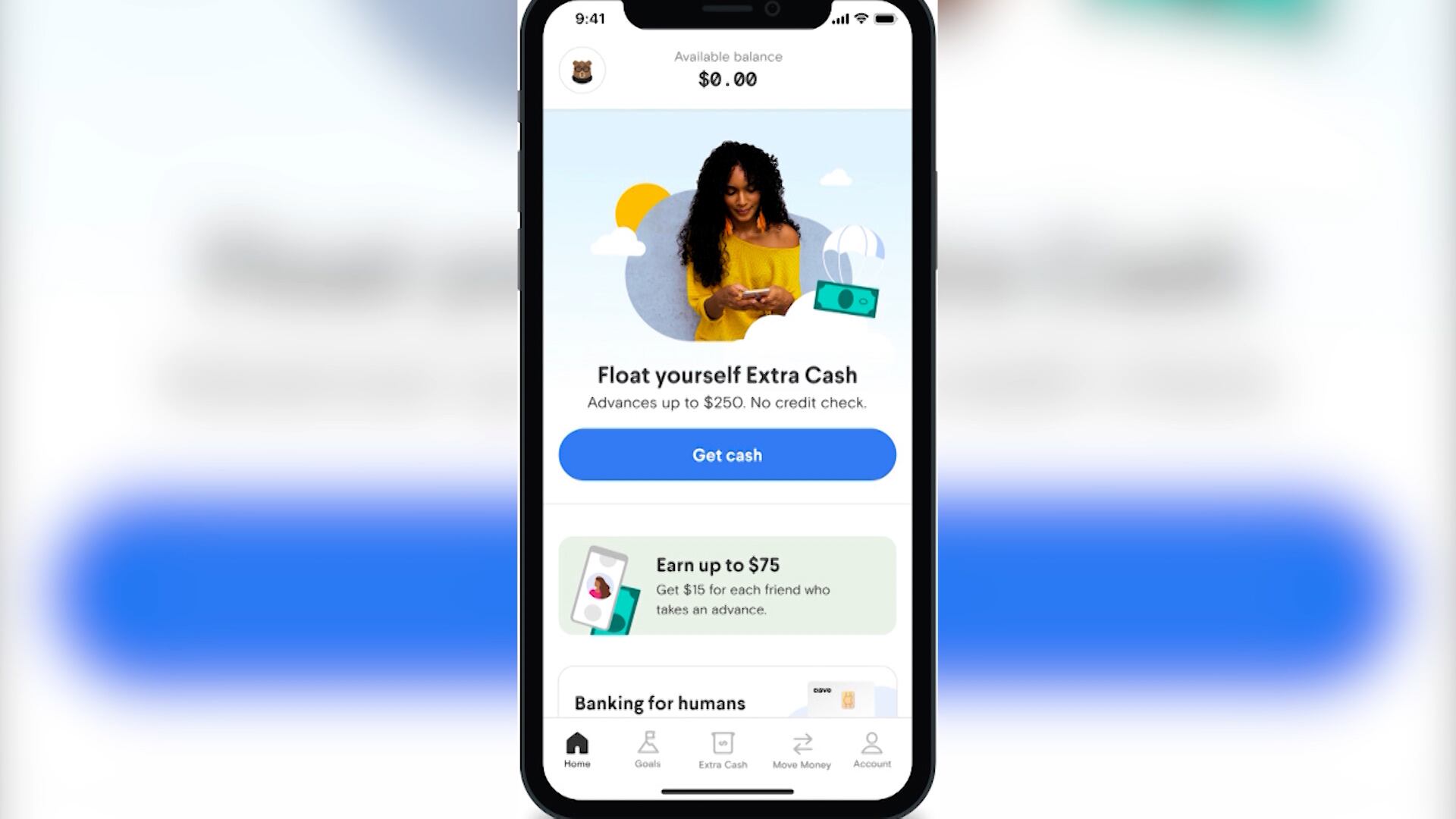
The fintech app backed by billionaire Mark Cuban called Dave made its public debut on the Nasdaq Thursday via a SPAC merger. CEO and co-founder Jason Wilk spoke to Cheddar's Kristen Scholer about the IPO and how his company's services distinguish it from traditional banks. "Customers come to us because they're tired of paying $20 billion of overdraft fees, and they come to Dave, they download our app, and within minutes they can get access to $250 of no interest credit, which we give them through our own proprietary machine learning model," he told Cheddar.