Uber's net losses widened to nearly $1 billion in its latest quarter as it invested in new businesses prior to its initial public offering expected next year, the private company said in its self-reported financial disclosures.
The losses were 32 percent greater than the previous quarter.
Revenues were nearly $3 billion, up 38 percent over the same period last year but a slower rate of growth from the prior quarter.
For the first time, Uber disclosed some numbers related to its fast-growing Uber Eats delivery service. That division accounted for $2.1 billion of $12.7 billion in gross bookings ー a 150 percent increase from the same quarter last year.
Uber's losses can be partially attributed to its increasingly diversified business model, in which ride-hailing is but one of the ways the company intends to make money in the future. In addition to Uber Eats, which is growing in emerging markets and will soon [cover](https://www.cnbc.com/2018/10/23/uber-plans-to-expand-food-delivery-to-70percent-of-the-us.html) 70 percent of the U.S. population, Uber has invested in new mobility offerings like e-scooters and bike shares.
Uber is on course for an initial public offering in 2019 that could value the company at as much as $120 billion.
A company has installed vending machines that sell ammunition in grocery stores in Alabama, Oklahoma, and Texas, raising gun control concerns.
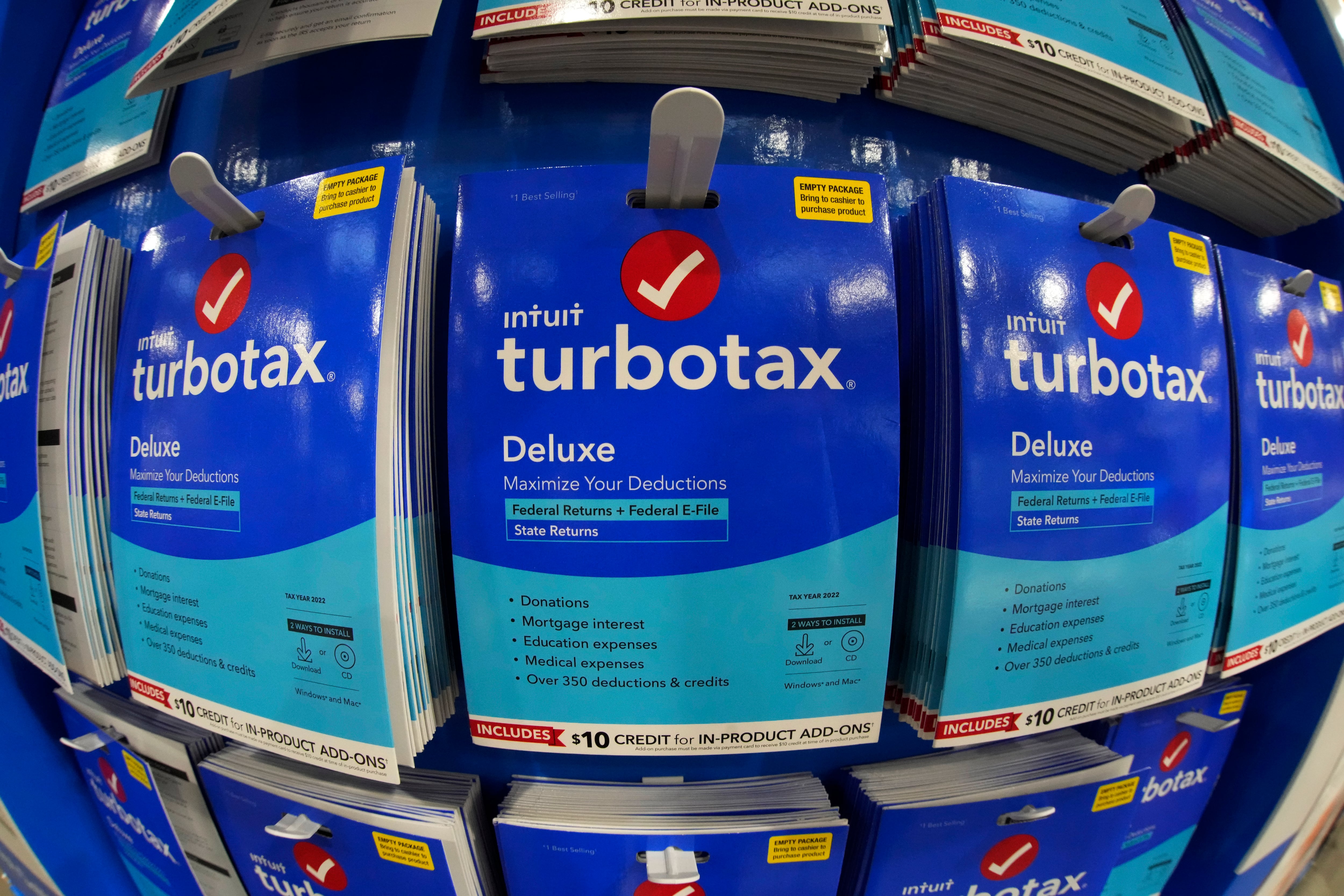
WASHINGTON (AP) — Tax preparation and financial software company Intuit announced an AI-focused reorganization plan Wednesday that includes laying off abou
Microsoft has relinquished its seat on the board of OpenAI, saying its participation is no longer needed because the firm has improved its governance.
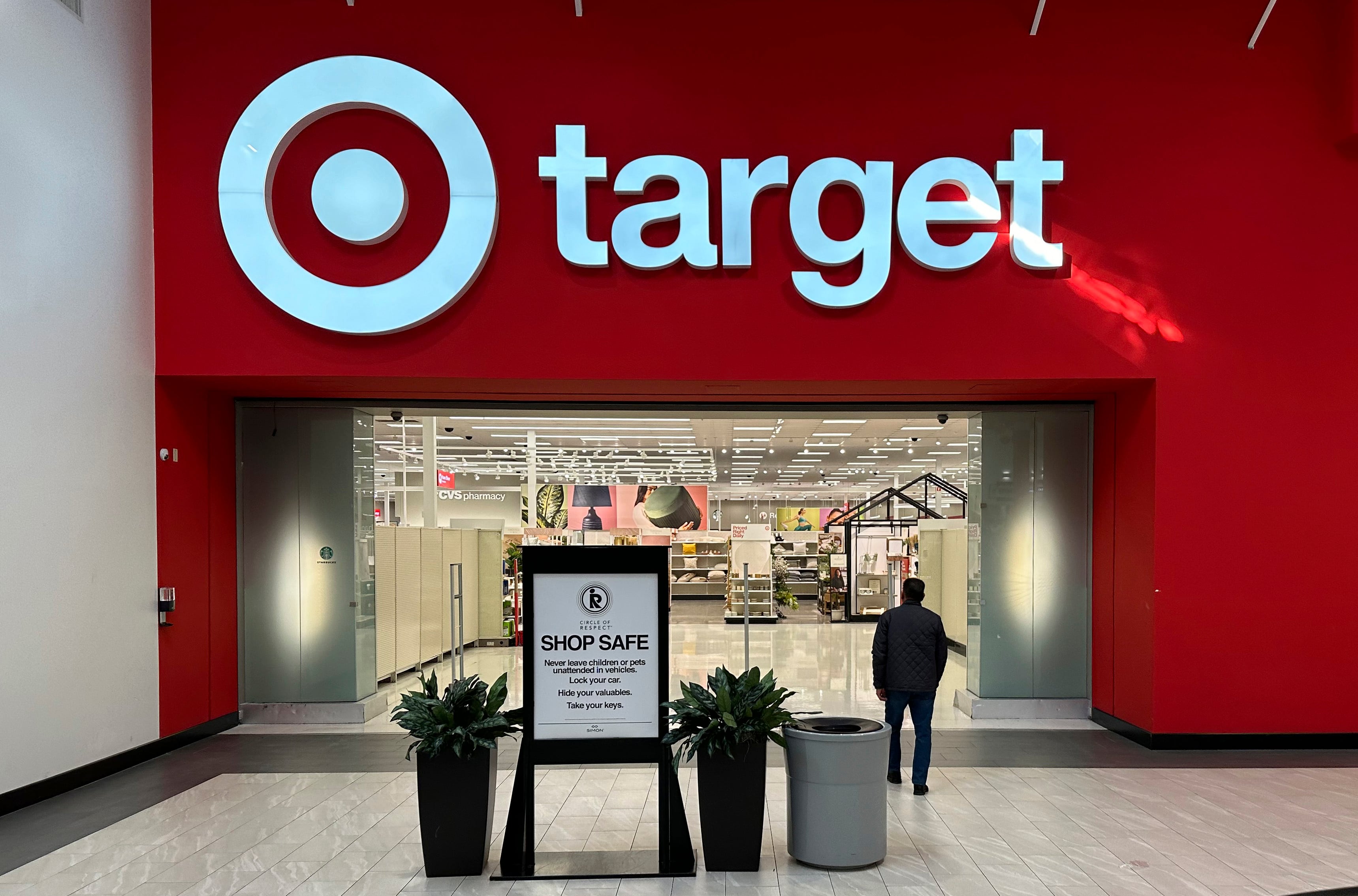
Target will no longer accept personal checks from shoppers as of July 15 in a sign of how a once ubiquitous payment method is going the way of the dodo.
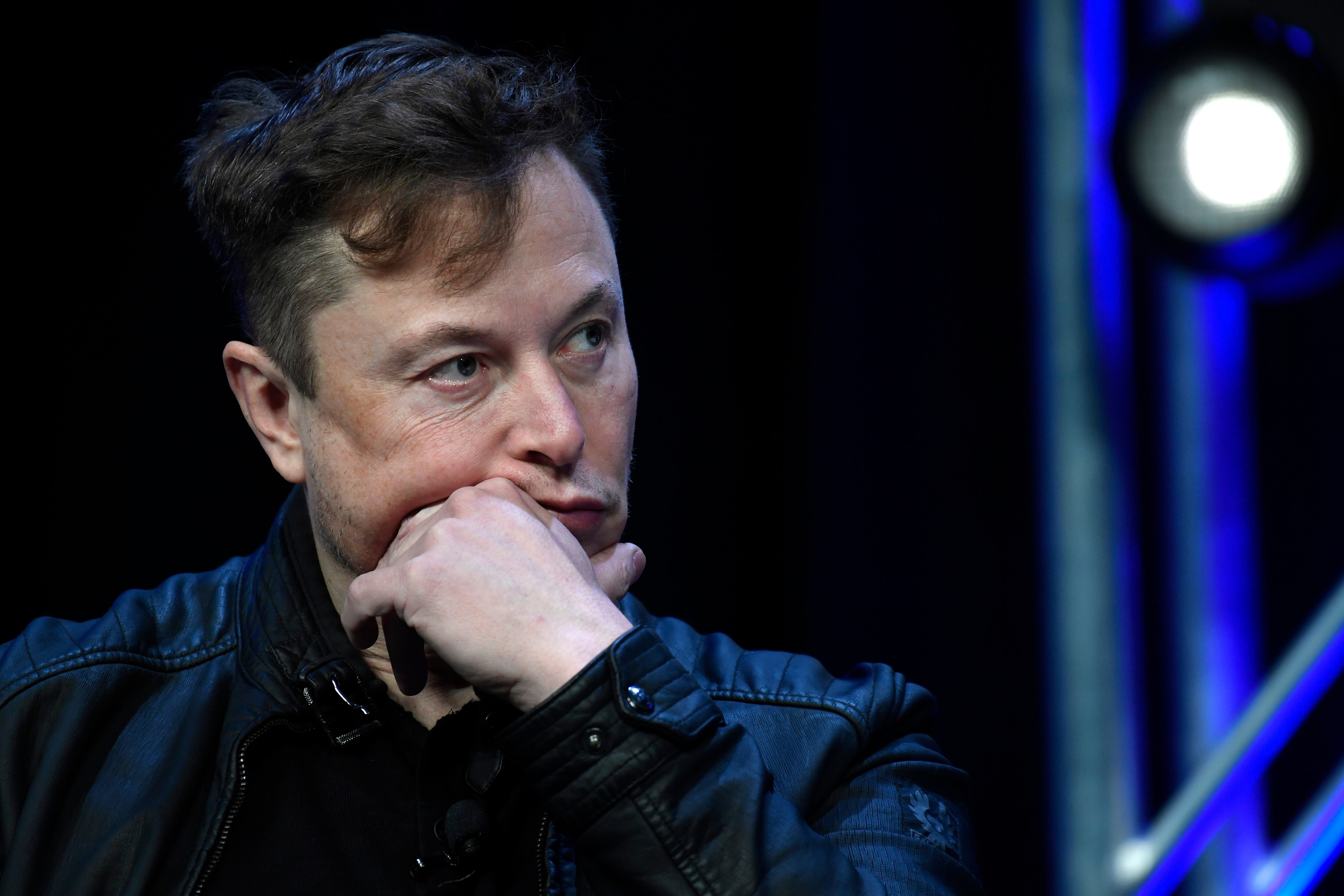
A Delaware judge is considering a massive and unprecedented fee request by lawyers who successfully voided a pay package for Tesla CEO Elon Musk
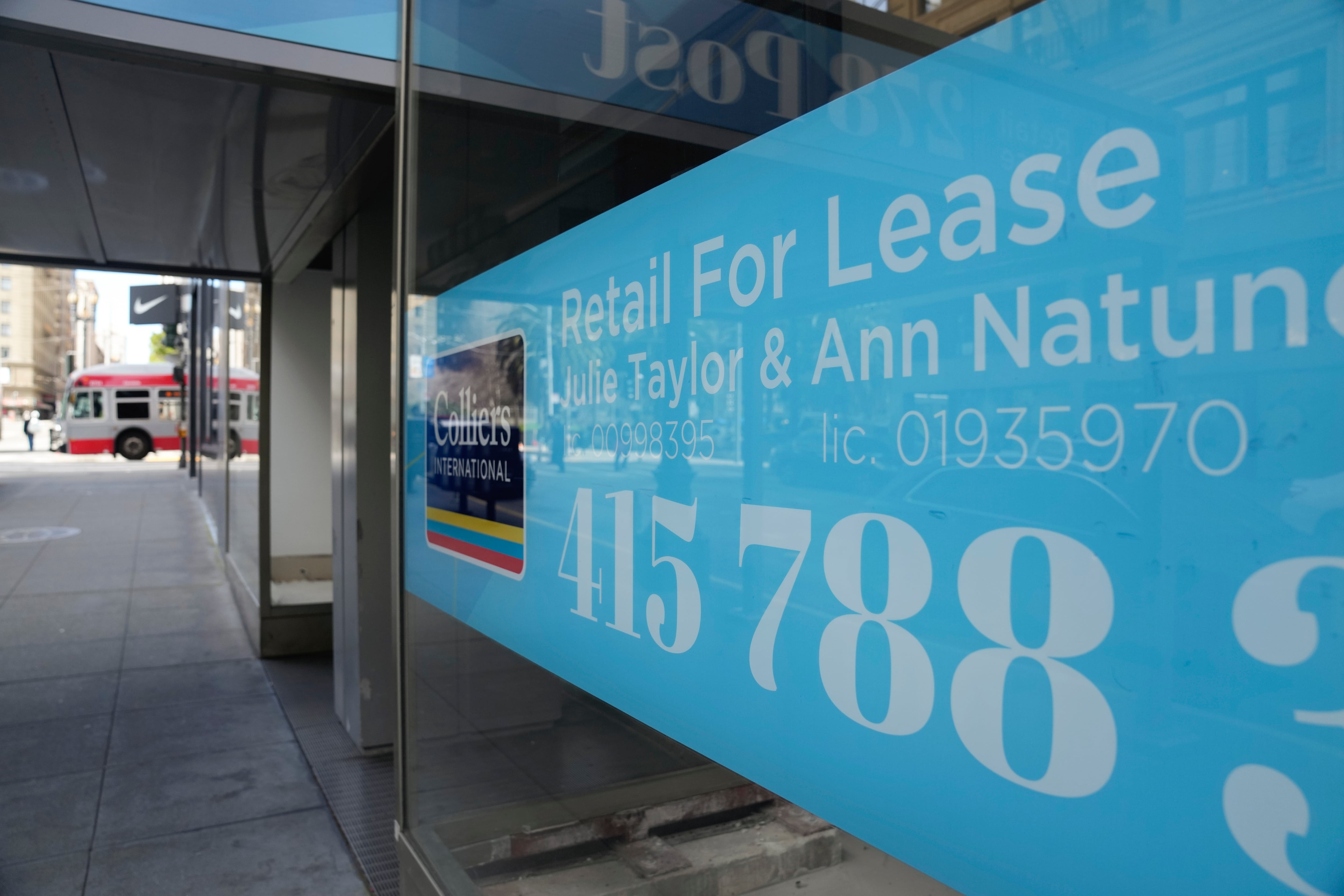
The Bank of America Institute found that average monthly rent payment growth for the bank's small business clients rose 12% year-on-year.
A driverless ride-hailing car in China hit a pedestrian, but people on social media are taking the carmaker’s side in an AI vs. humans debate.
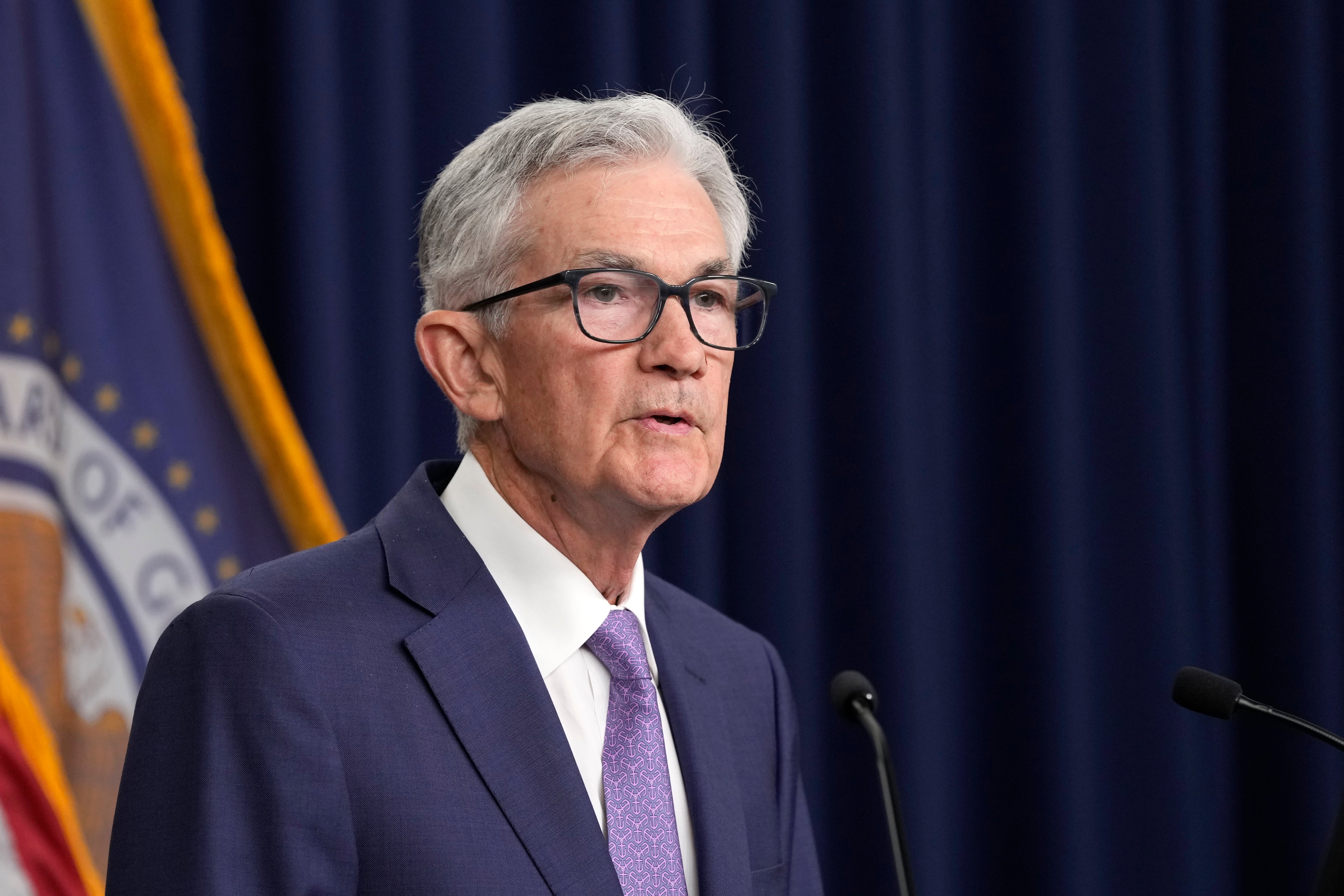
The Federal Reserve faces a cooling job market as well as persistently high prices, Chair Jerome Powell said in a possible sign of looming rate cuts.
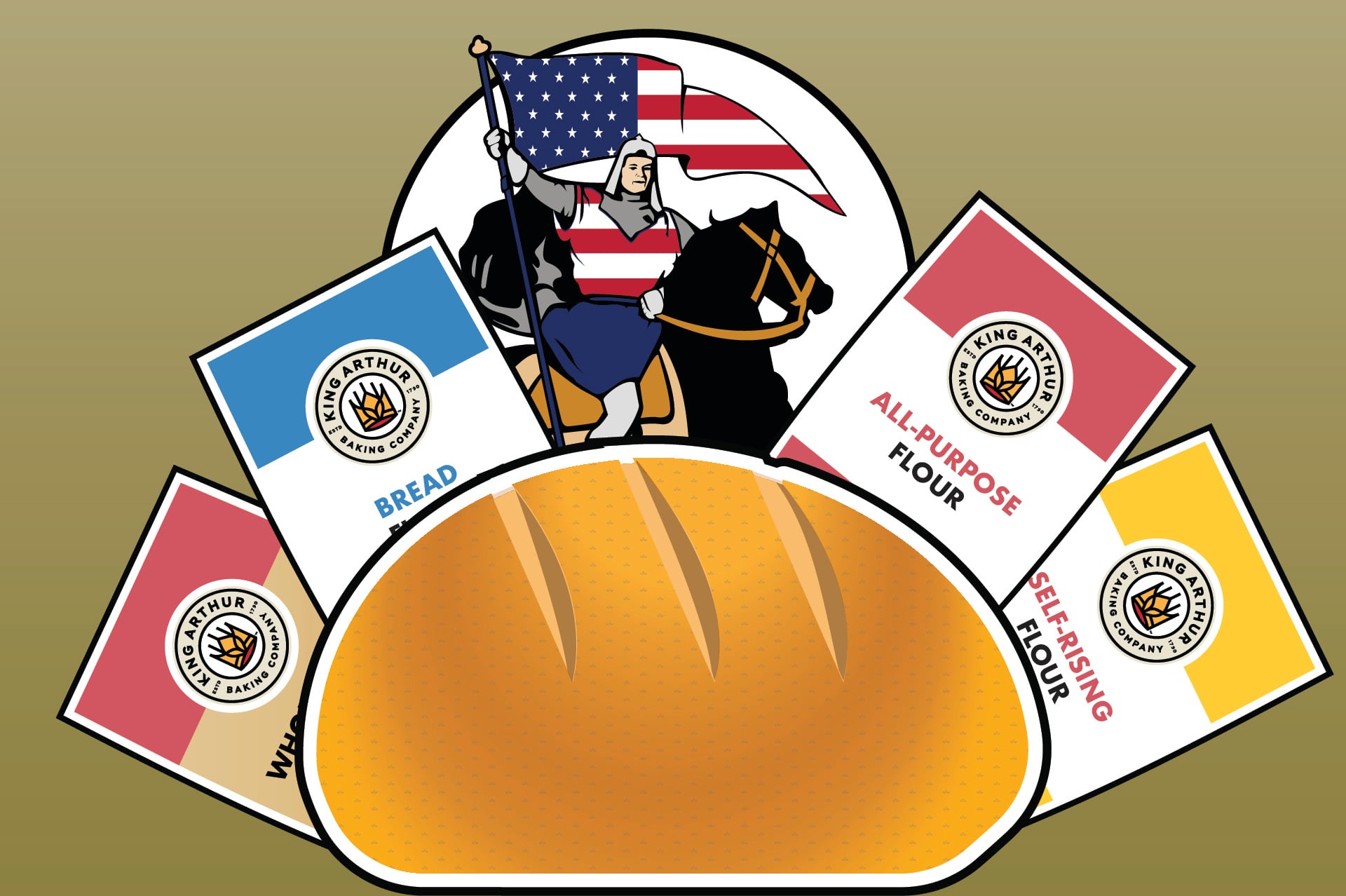
America’s oldest flour company, King Arthur Baking Co., saw a six-fold increase in demand during the pandemic, and baking interest continues to rise.
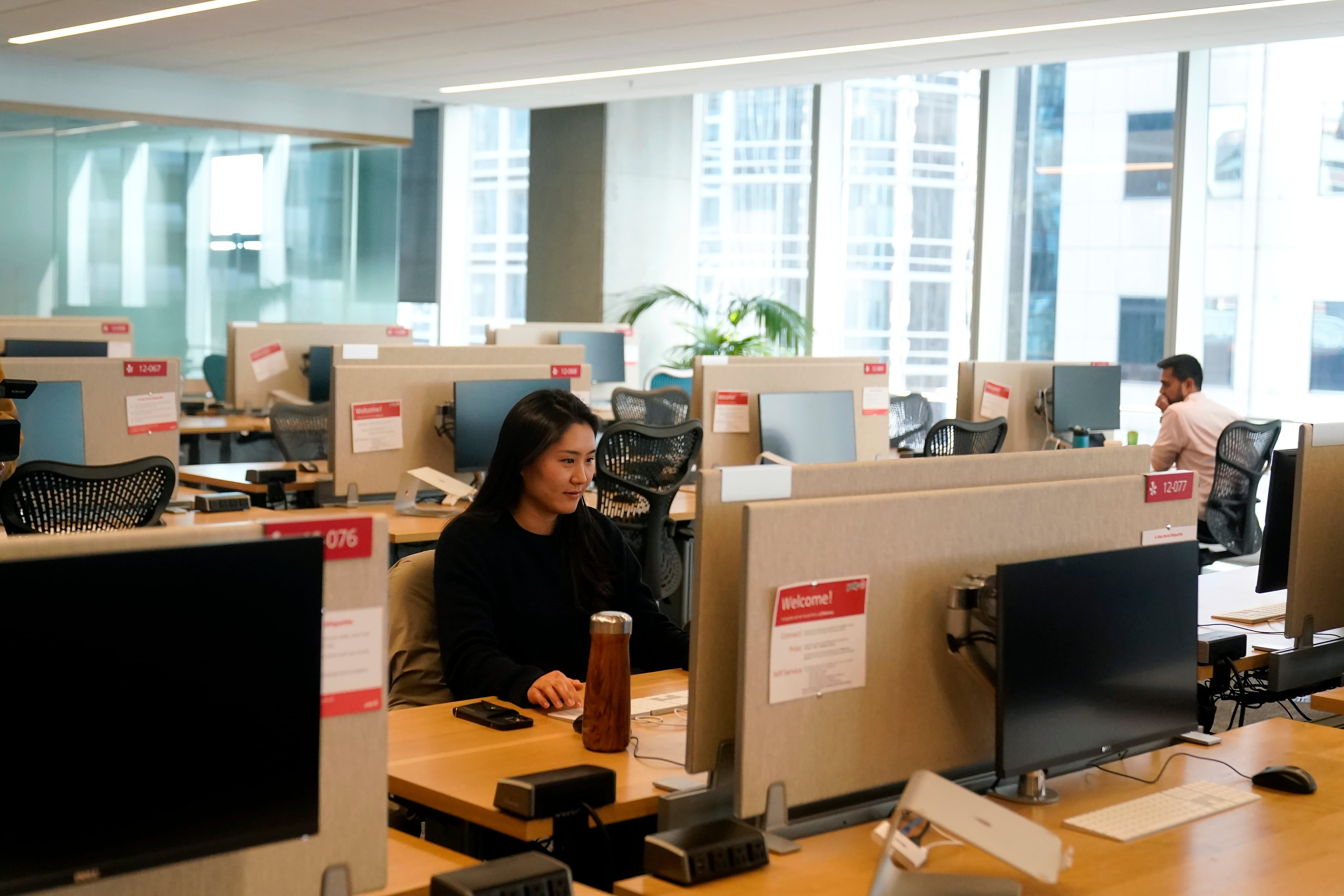
The surgeon general has said there's a loneliness epidemic in America. For many people, that includes a lack of friendships at work. But there's hope!