Uber's Growth Slows as It Diversifies Business Ahead of IPO
Uber's net losses widened to nearly $1 billion in its latest quarter as it invested in new businesses prior to its initial public offering expected next year, the private company said in its self-reported financial disclosures.
The losses were 32 percent greater than the previous quarter.
Revenues were nearly $3 billion, up 38 percent over the same period last year but a slower rate of growth from the prior quarter.
For the first time, Uber disclosed some numbers related to its fast-growing Uber Eats delivery service. That division accounted for $2.1 billion of $12.7 billion in gross bookings ー a 150 percent increase from the same quarter last year.
Uber's losses can be partially attributed to its increasingly diversified business model, in which ride-hailing is but one of the ways the company intends to make money in the future. In addition to Uber Eats, which is growing in emerging markets and will soon [cover](https://www.cnbc.com/2018/10/23/uber-plans-to-expand-food-delivery-to-70percent-of-the-us.html) 70 percent of the U.S. population, Uber has invested in new mobility offerings like e-scooters and bike shares.
Uber is on course for an initial public offering in 2019 that could value the company at as much as $120 billion.
Former Medtronic CEO and author of 'True North' Bill George explains the steps Boeing leadership must take to regain client and consumer trust after 737 Max 9 production was stopped.
Amazon blamed "regulatory hurdles" for calling off its proposed acquisition of robot vacuum maker iRobot. Not even a Roomba could clean up the deal's antitrust scrutiny.
To celebrate Flutter Entertainment's debut on the NYSE, FanDuel CEO Amy Howe shares her thoughts on the company's plans for growth, the future of online sportsbetting, and Super Bowl Sunday.
Investopedia's Caleb Silver shares thoughts on the upcoming Fed meeting, why individual investors are still slightly skeptical, and what he's looking for from mega cap tech earnings.
Season's greetings! Tax season, that is. January 29 is the first day you can file your tax return. We walk you through each step — plus a checklist you can download.
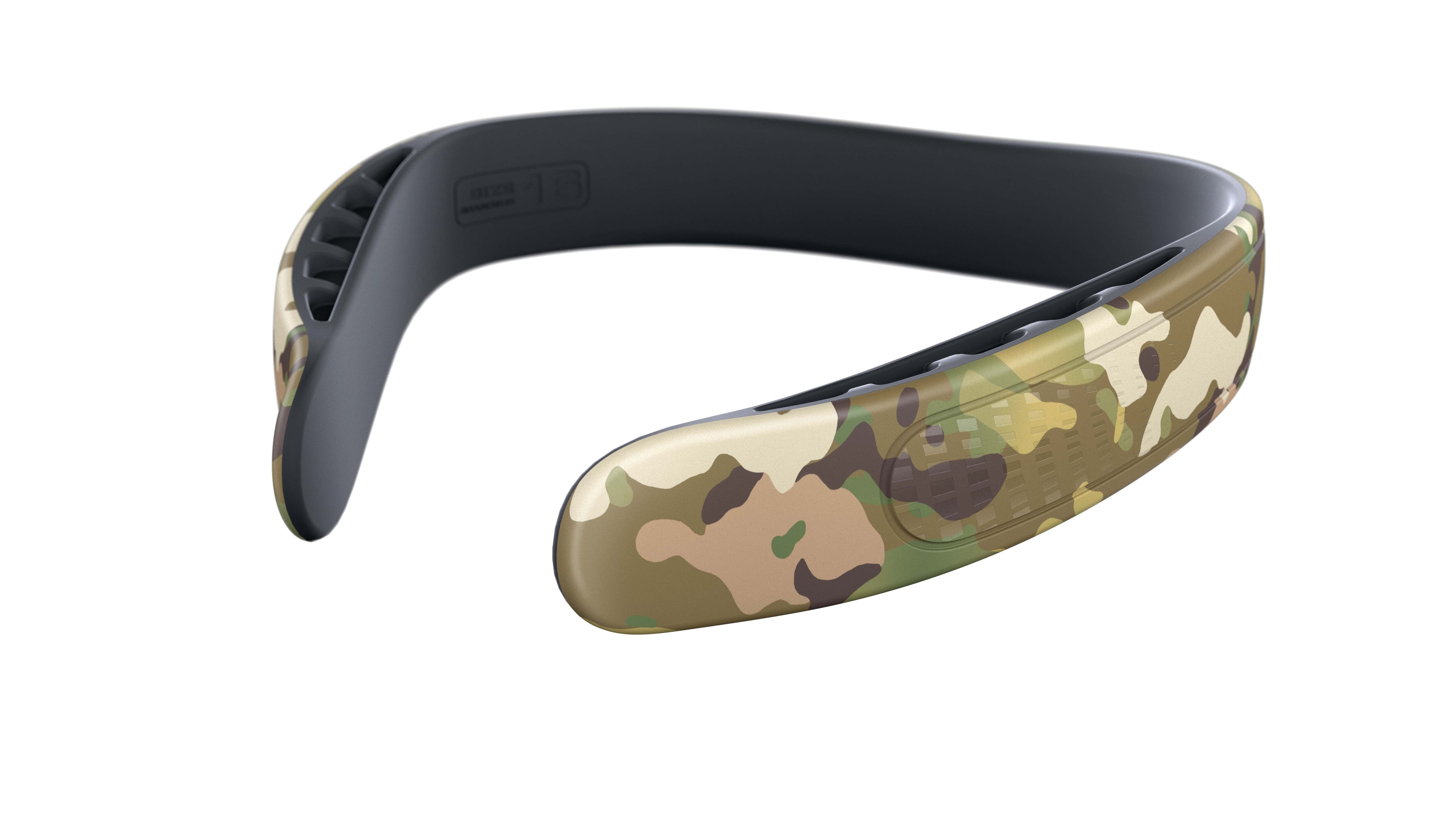
The Q-Collar helps protect athletes from impact-related concussions. Now, the U.S. Army is evaluating if the device could help reduce traumatic brain injury cased by blast weapons.
Co-founder and executive chairman of the board at Vaxxinity Lou Reese shares how the company is working to bring vaccines for chronic illnesses like heart disease and Parkinson’s to market with an eye for accessibility.
Mario Veneroso, Kingsview Asset Management Partner, weighs in on the latest economic data and whether the market is pricing in too many rate cuts for the coming year.