Uber's Growth Slows as It Diversifies Business Ahead of IPO
Uber's net losses widened to nearly $1 billion in its latest quarter as it invested in new businesses prior to its initial public offering expected next year, the private company said in its self-reported financial disclosures.
The losses were 32 percent greater than the previous quarter.
Revenues were nearly $3 billion, up 38 percent over the same period last year but a slower rate of growth from the prior quarter.
For the first time, Uber disclosed some numbers related to its fast-growing Uber Eats delivery service. That division accounted for $2.1 billion of $12.7 billion in gross bookings ー a 150 percent increase from the same quarter last year.
Uber's losses can be partially attributed to its increasingly diversified business model, in which ride-hailing is but one of the ways the company intends to make money in the future. In addition to Uber Eats, which is growing in emerging markets and will soon [cover](https://www.cnbc.com/2018/10/23/uber-plans-to-expand-food-delivery-to-70percent-of-the-us.html) 70 percent of the U.S. population, Uber has invested in new mobility offerings like e-scooters and bike shares.
Uber is on course for an initial public offering in 2019 that could value the company at as much as $120 billion.
Resale platforms do big business – and Mercari just became the first in the U.S. to eliminate all fees for sellers and completely changed how returns work on its platform.
e.l.f.’s affordable price point and makeup and skincare options made it a social media darling – and the company’s CEO says the company even gets product ideas from its audience.
Nearly 40% of Americans choose travel over financial stability, funding trips on credit and sacrificing other budget line items to take a vacation — because live fast or die trying.
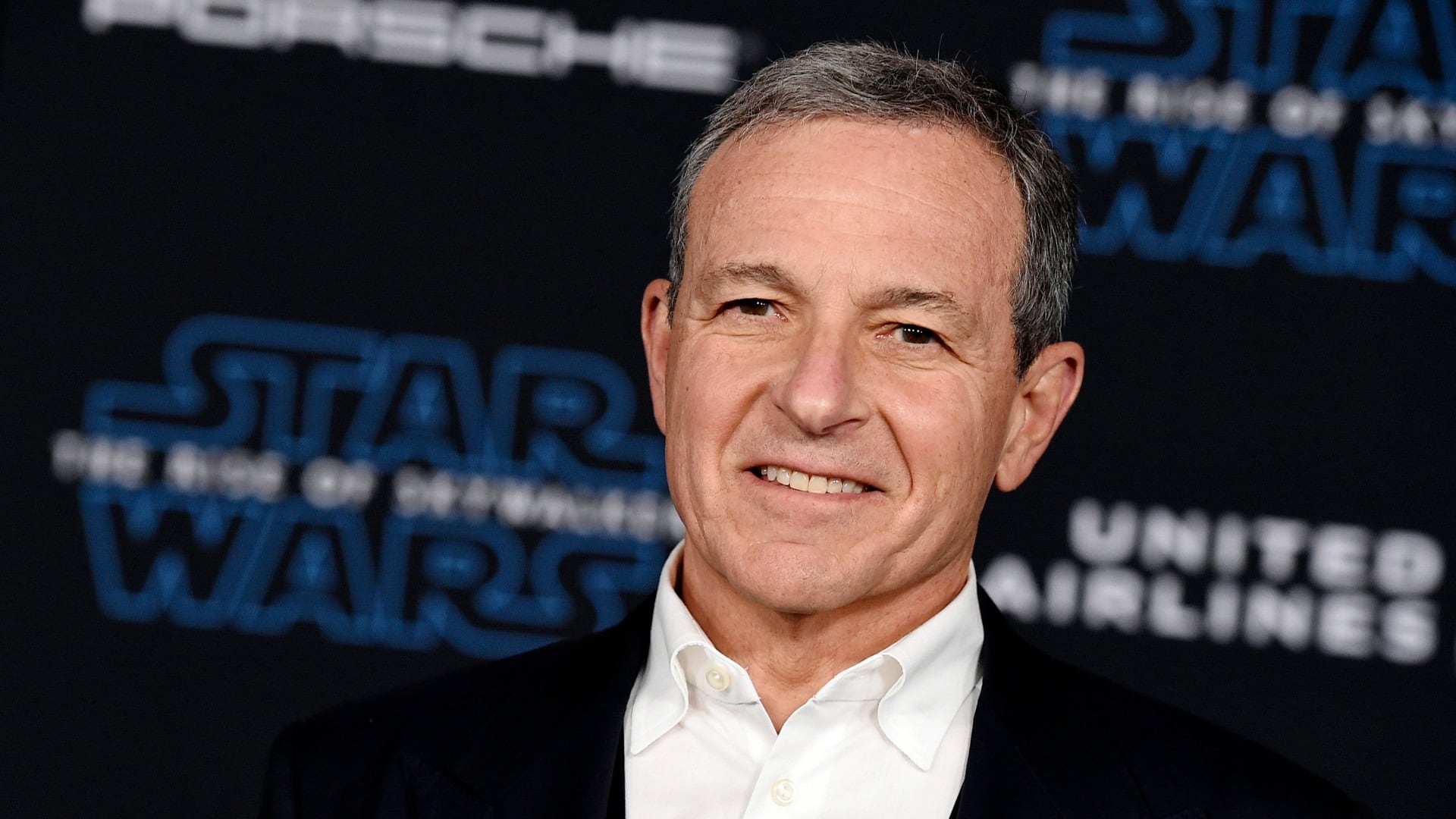
Disney shareholders have rallied behind longtime CEO Robert Iger. They voted Wednesday to rebuff activist investor Nelson Peltz and his ally, former Disney chief financial officer Jay Rasulo.
Student loan borrowers have the ability to earn retirement funds pegged to their payments – and the company Summer might be bringing it to your workplace.
It might not be what investors want to hear… but bringing down inflation could mean interest rates stay higher for (even) longer. But it's not all downside.