Uber's Growth Slows as It Diversifies Business Ahead of IPO
Uber's net losses widened to nearly $1 billion in its latest quarter as it invested in new businesses prior to its initial public offering expected next year, the private company said in its self-reported financial disclosures.
The losses were 32 percent greater than the previous quarter.
Revenues were nearly $3 billion, up 38 percent over the same period last year but a slower rate of growth from the prior quarter.
For the first time, Uber disclosed some numbers related to its fast-growing Uber Eats delivery service. That division accounted for $2.1 billion of $12.7 billion in gross bookings ー a 150 percent increase from the same quarter last year.
Uber's losses can be partially attributed to its increasingly diversified business model, in which ride-hailing is but one of the ways the company intends to make money in the future. In addition to Uber Eats, which is growing in emerging markets and will soon [cover](https://www.cnbc.com/2018/10/23/uber-plans-to-expand-food-delivery-to-70percent-of-the-us.html) 70 percent of the U.S. population, Uber has invested in new mobility offerings like e-scooters and bike shares.
Uber is on course for an initial public offering in 2019 that could value the company at as much as $120 billion.
Recent headlines might make it sound like World War III is imminent, but when it comes to your finances, it's not the time to panic. The market is coming off its longest winning streak since 2011.
You may have noticed fewer new venture capital-backed startups (like Airbnb or Uber) lately. The market slowed to a crawl after 2021, but things are expected to take off again in 2025.
Corporate earnings season is underway, that time when companies share their billions in sales or double-digit profits. But the data shows even companies are struggling with high inflation and interest rates.
Boeing continues their terrifying trend of having their planes fall apart mid-flight, inflation — checks notes — is still up and the future of AI looks terrifying. Cheery!
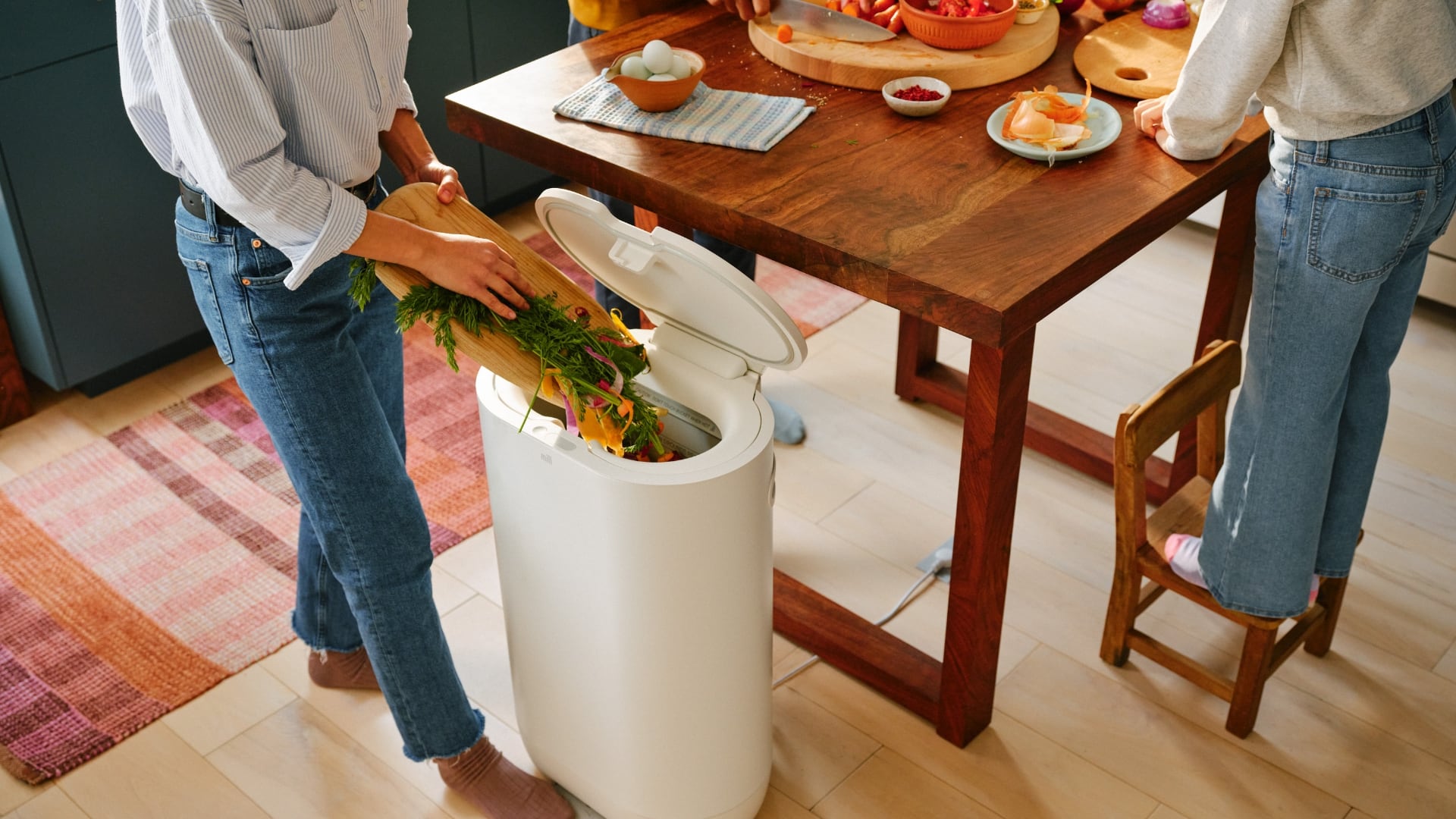
Food waste – uneaten scraps or leftovers sent to landfills – is responsible for 10% of global emissions. Mill, a new product from the co-founder of Nest, thinks technology can play a role in eliminating it.
By the time the 2024 election is over, be prepared to see some form of a recession – but this shouldn’t be as bad as what we experienced in 2020 or 2008.
International Master Alice Lee defeated grandmaster Irina Krush to win the American Cup – becoming one of the best women players in the world in the process – but she’s not stopping there.
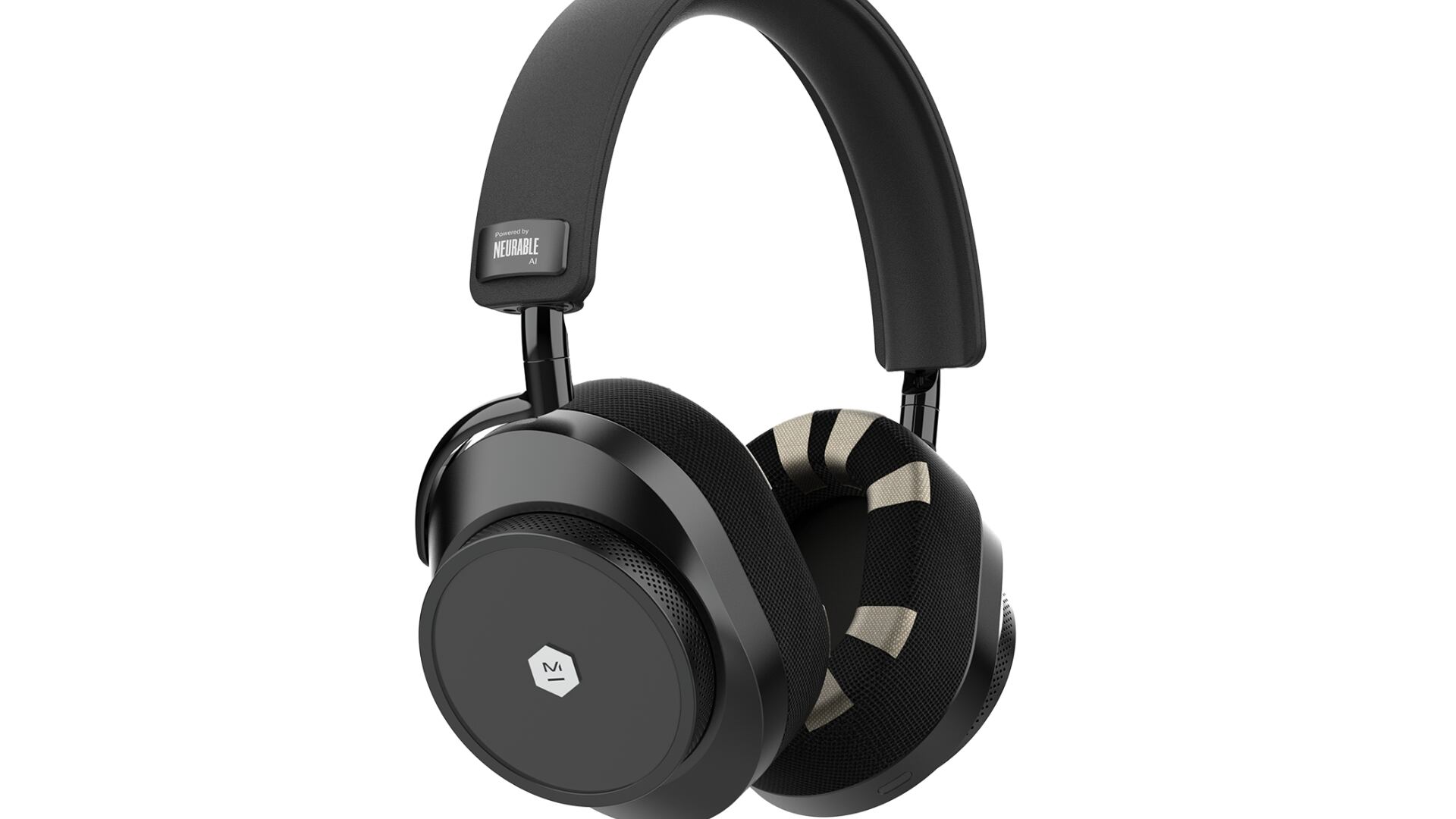
You can track your sleep habits or heart rate, but how about your brain? Neurable's MW75-Neuro headphones turn your focus and productivity into data you can use to avoid burnout – here's how they do it.