Uber's China Rival Gets a Boost, and Spotify Takes a Step Toward Public Markets
Didi Chuxing secures a $4 billion investment from SoftBank and Mubadala, bringing its valuation to $56 billion. The latest funding round comes amid reports SoftBank is looking to invest in rival Uber at a significant discount to its last $68 billion valuation.
And Spotify will reportedly get approval to list its shares directly on the New York Stock Exchange, a step towards avoiding a traditional IPO. The company could be valued as high as $20 billion.
Plus, speaking of going public, Pinterest will reportedly delay its planned IPO until 2019, as the company expects to fall short of revenue forecasts for the year. The photo-sharing app will bring in sales of $490 million this year, according to The Information. That compares to early estimates above $500 million.
The U.S. economy grew at an unexpectedly brisk 3.3% annual pace from October through December as Americans showed a continued willingness to spend freely despite high interest rates and frustrating price levels.
Alan Becker, CEO and Investment Adviser Representative at Retirement Solutions Group and RSG Investments, shares his thoughts on the latest GDP data plus why he's not sold cryptocurrency as a long-term asset.
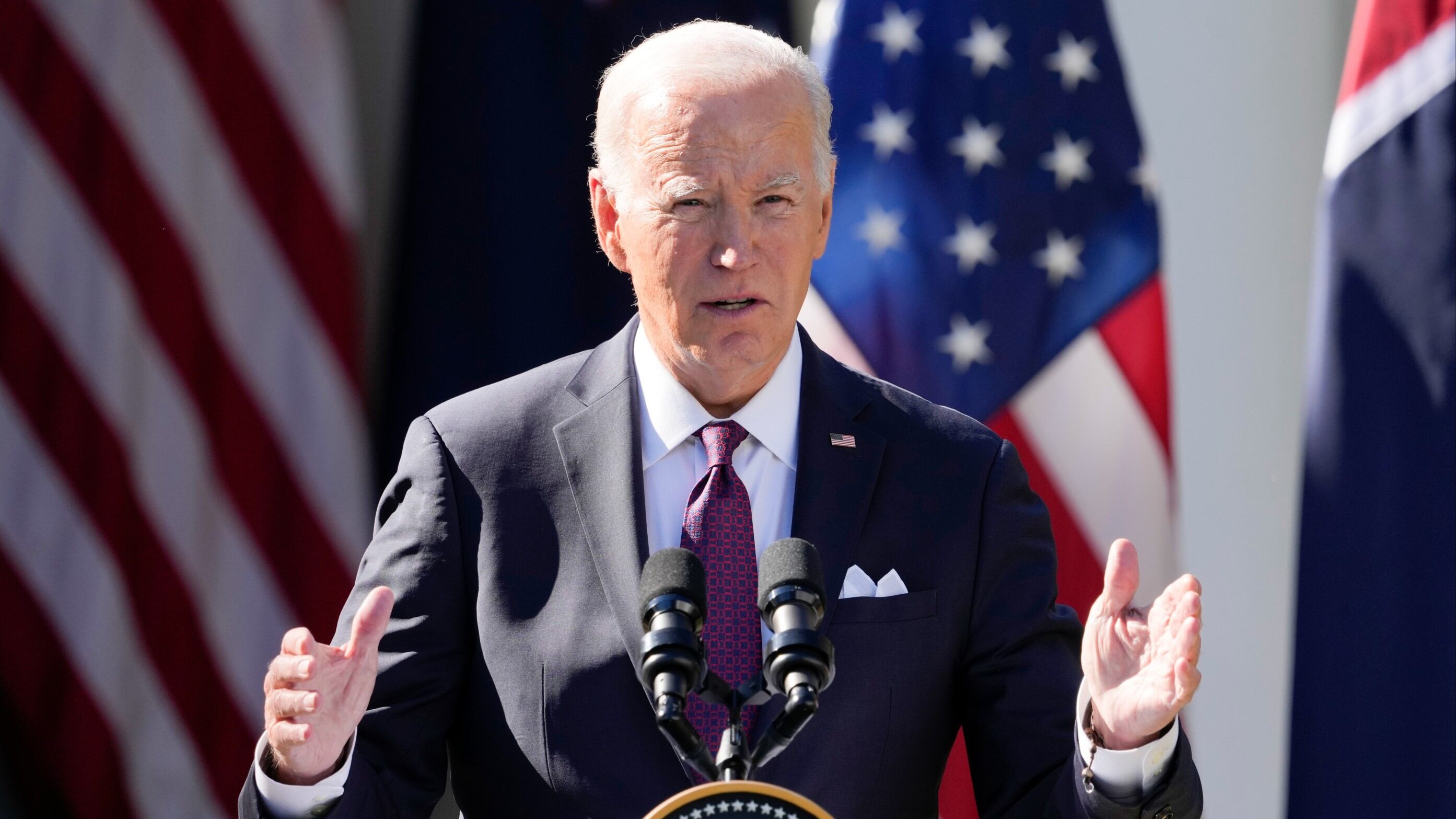
The Biden administration wants to ban another type of bank “junk fee," targeting fees that are typically charged by banks when a transaction is declined in real time.
Al Root, senior writer at Barron’s, breaks down everything expected from Tesla’s earnings report, from Elon Musk’s demands from the board to why the market has been looking for affordable EV options.
Online retailer eBay Inc. will cut about 1,000 jobs, or an estimated 9% of its full-time workforce. The announcement follows similar moves by other tech companies that ramped up hiring during the pandemic while people spent more time and money online.
Tony Drake, CFP at Drake and Associates, LLC shares thoughts on whether the record gains in technology will broaden to other sectors, the risks of the Fed keeping interest rates higher for too long, and the health of the U.S. consumer.
The Federal Trade Commission ruled that Intuit engaged in deceptive practices by running ads claiming consumers could file their taxes for free using TurboTax — when many taxpayers did not qualify for such free offerings.