Uber's Autopilot Has Challenges on the Road and in the Air
*By Britt Terrell*
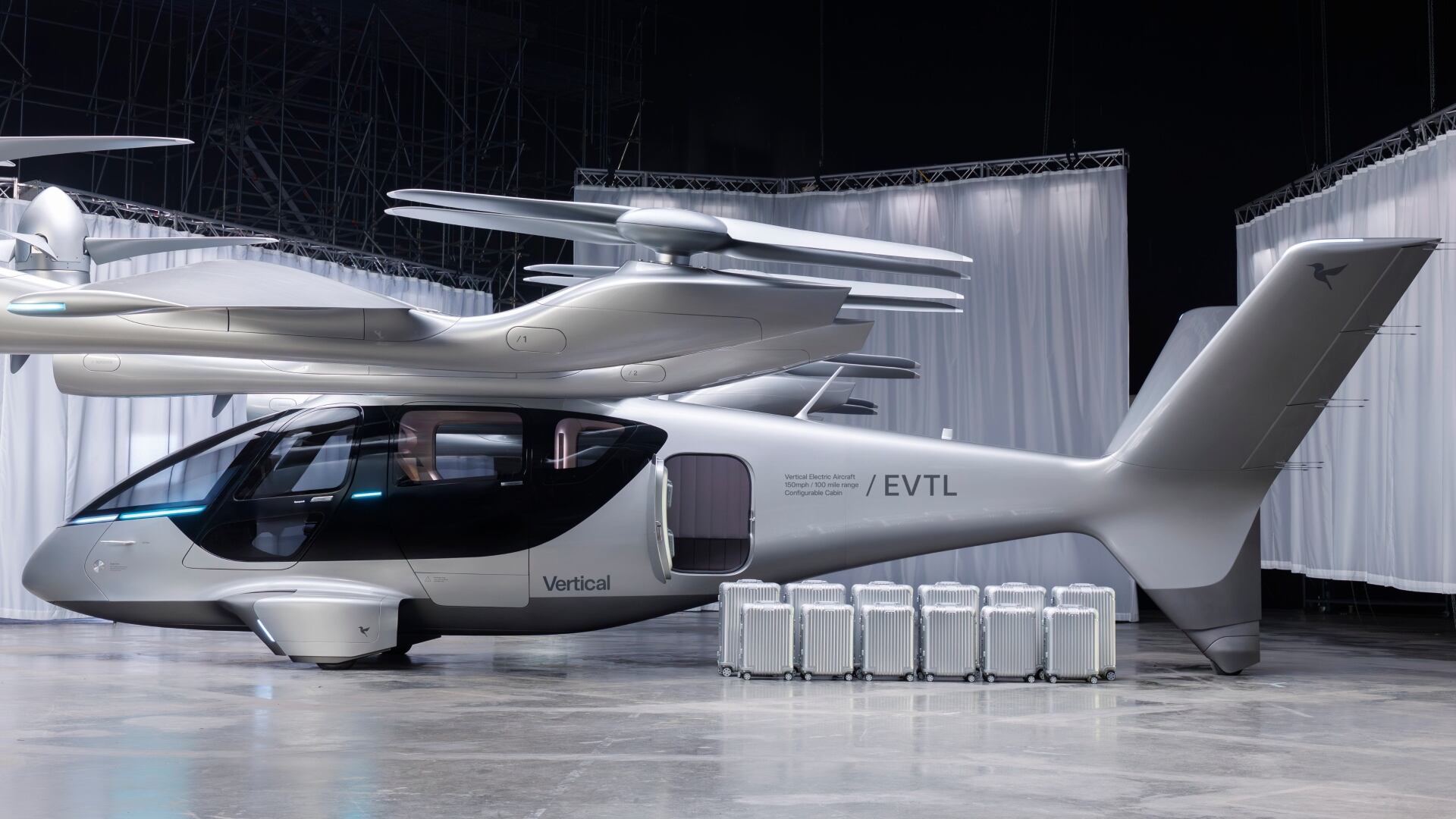
In the race to deploy autonomous driving technology to chauffeur passengers wherever they might go by road, Uber's Elevate division is also looking to gain an edge in the air by becoming the first company to bring similar self-driving technology to its fleet of flying taxis [as early as 2020](https://nypost.com/2018/05/07/uber-hopes-to-have-flying-taxis-by-2020/).
"It's actually going to be significantly easier we think, because a lot of the problems that you deal with on the road such as complicated street signs, such as other cars that may not be necessarily cooperative ー we're going to build the system to be autonomous for the future vision from the outset," said Nikhil Goel, head of product and advanced programs at Uber.
But in an interview Tuesday with Cheddar, Goel said the company was proceeding with caution, especially as Uber addresses issues with its ground-level autonomous driving technology. The company found that its self-driving feature was at fault when one of its cars killed a pedestrian in March. The vehicle did not brake soon enough.
Though the challenges for autonomous driving on the ground are different from those in the air, the technology still needs some work.
"These vehicles will actually start out as piloted," Goel said, referring to Uber's plans for flying taxis, adding they would only be used after close coordination with the Federal Aviation Administration and after a thorough safety review.
Uber was scheduled to meet with U.S. transportation and safety officials this week at its second annual Elevate Summit. Officials will hear about the company's technological developments as it seeks to begin testing its flying taxi technology in Los Angeles, Dallas, and Dubai.
For the full interview, [click here](https://cheddar.com/videos/uber-gets-elevated).
Apple became the first publicly traded U.S. company to hit the $3 trillion valuation mark after its stock price jumped to $182.86 in morning trading before slipping back just under the mark. The tech giant has tripled its worth since 2018.
There is a new player in the mobile app stock trading space.
Zingeroo recently announced a funding round of $8.5 million. The company says it aims to bring 'friendly competition' to stock trading, by literally breaking trading down into daily and weekly competitions between friends. Zingeroo also says it hopes its new approach can make trading more accessible, educational, and social than ever before. Zingeroo co-founder and CEO Zoe Barry joins Cheddar News' Closing Bell for more.
As cell carriers AT&T and Verizon planned to roll out nationwide 5G service this week, the FAA and U.S. DOT are asking the companies to pause their plans so more research can be done on the impact 5G has on aircraft technology. The companies are refusing, citing French regulations that limit wireless signals around airports while allowing research to continue. This week's launch wasn't the first time concerns have delayed 5G — last year, Airbus and Boeing express concerns, pushing the deadline into November, December, and then into this year. So what happens now — and what happens next? Will 5G roll out this year as expected? Jon Swartz, Senior Reporter at MarketWatch, joins Cheddar News' Closing Bell to discuss the state of the planned 5G rollout, why the FAA and U.S. Department of Transportation are asking carriers to stall the launch, and more.
Tyrone Ross, CEO of Onramp Invest, joins Cheddar News' Closing Bell, where he explains why he believes the current crypto slump is expected to persist and says that investors should be focusing more on Bitcoin's hashrate when it comes to metrics.
Luke Larsen, senior editor at Digital Trends, joins Cheddar News to discuss the largest tech convention in the world, CES, kicking off in Las Vegas this week.