Uber's Autopilot Has Challenges on the Road and in the Air
*By Britt Terrell*
In the race to deploy autonomous driving technology to chauffeur passengers wherever they might go by road, Uber's Elevate division is also looking to gain an edge in the air by becoming the first company to bring similar self-driving technology to its fleet of flying taxis [as early as 2020](https://nypost.com/2018/05/07/uber-hopes-to-have-flying-taxis-by-2020/).
"It's actually going to be significantly easier we think, because a lot of the problems that you deal with on the road such as complicated street signs, such as other cars that may not be necessarily cooperative ー we're going to build the system to be autonomous for the future vision from the outset," said Nikhil Goel, head of product and advanced programs at Uber.
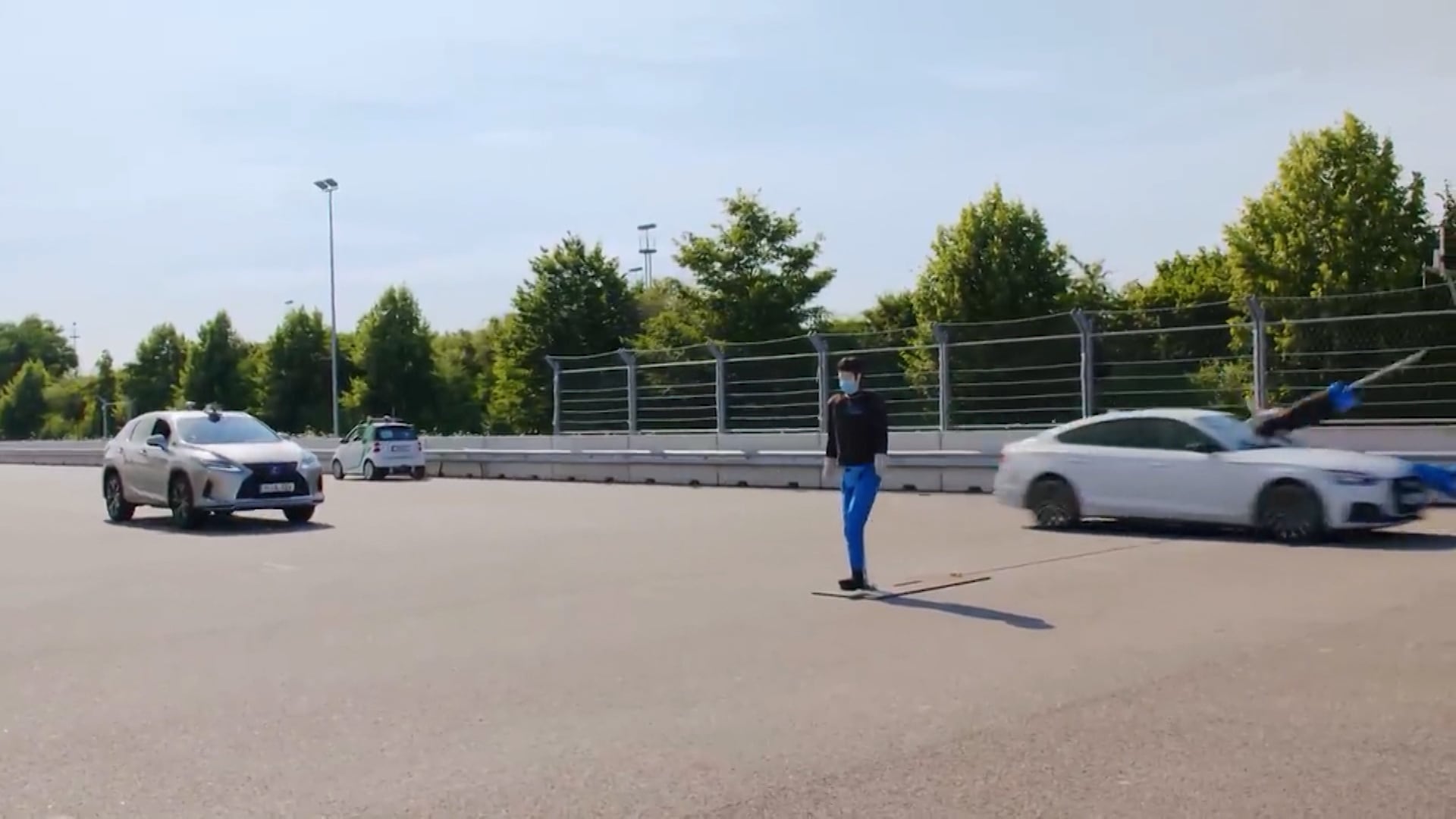
But in an interview Tuesday with Cheddar, Goel said the company was proceeding with caution, especially as Uber addresses issues with its ground-level autonomous driving technology. The company found that its self-driving feature was at fault when one of its cars killed a pedestrian in March. The vehicle did not brake soon enough.
Though the challenges for autonomous driving on the ground are different from those in the air, the technology still needs some work.
"These vehicles will actually start out as piloted," Goel said, referring to Uber's plans for flying taxis, adding they would only be used after close coordination with the Federal Aviation Administration and after a thorough safety review.
Uber was scheduled to meet with U.S. transportation and safety officials this week at its second annual Elevate Summit. Officials will hear about the company's technological developments as it seeks to begin testing its flying taxi technology in Los Angeles, Dallas, and Dubai.
For the full interview, [click here](https://cheddar.com/videos/uber-gets-elevated).
The year 2021 saw numerous natural disasters around the world, including extreme heat and wildfires, rare deep freezes, and historic flooding. This year's United Nations COP26 conference was key for getting world leaders on board with emissions reductions and other climate-focused policies as the UN Secretary-General said the agency's report on global warming is a 'code red for humanity.' In the U.S., President Joe Biden has focused most of his domestic agenda on slashing emissions and building climate-focused infrastructure. Guests from The Economist, UNC-Chapel Hill, Global Rescue, and more join Cheddar Climate's year-end special to discuss how the climate changed in 2021, and what to expect in 2022.
It's no secret tech giant Amazon has a mission of becoming a major player in sports media, and the company is poised to make progress on that goal in 2022. Amazon Prime Video will be the exclusive home to Thursday Night Football for the 2022-23 NFL season. In December, the New York Post reported that Amazon is in the beginning stages of developing studio sports programs, and hopes to soon have a full daily lineup of sports shows. Front Office Sports senior reporter A.J. Perez joined Cheddar News' Closing Bell to discuss.
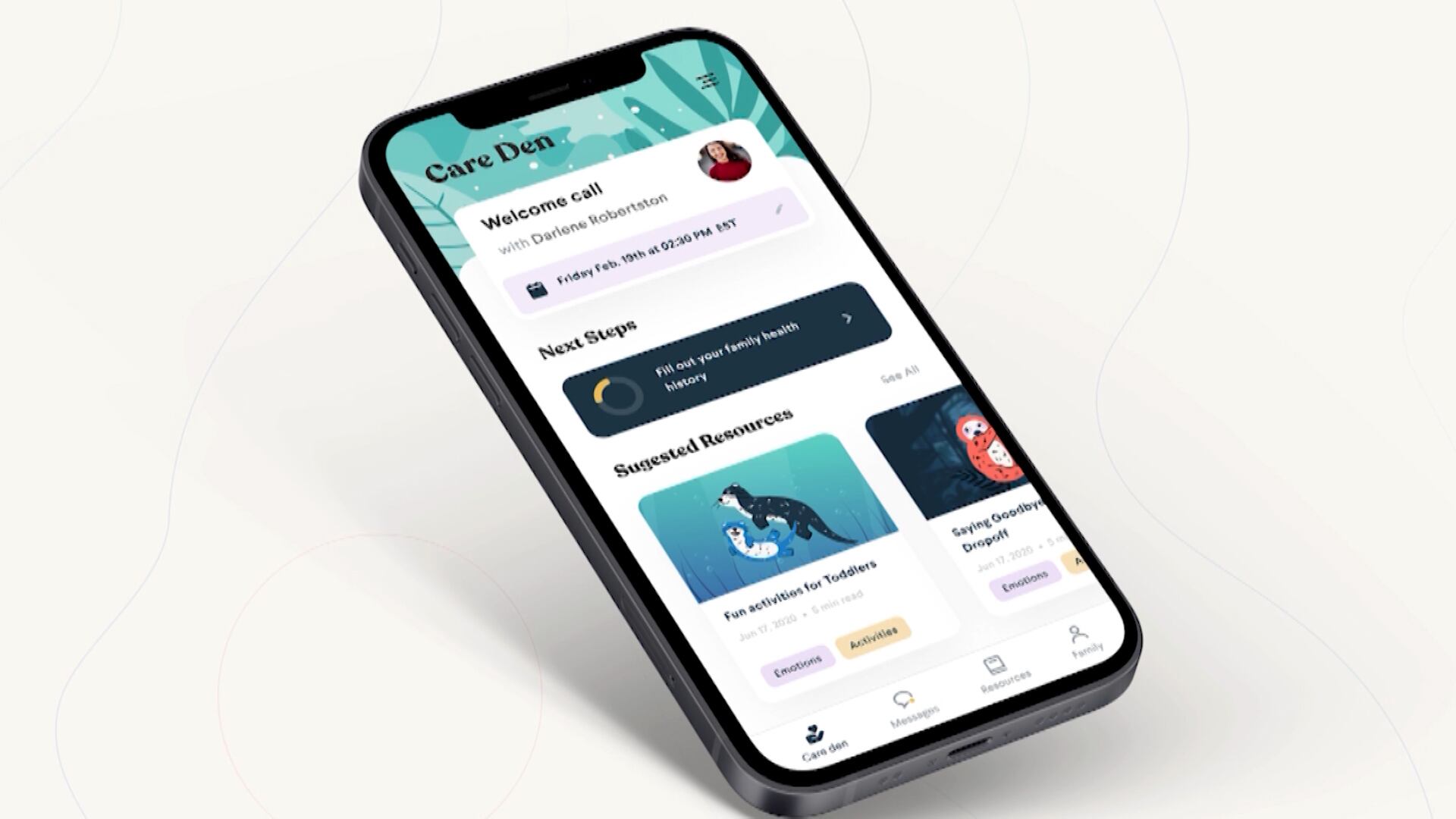
Digital mental health company Little Otter recently announced it closed a $22 million Series A round. Little Otter was founded in 2020 by a mother-daughter team, which based the company on the idea that a child's mental health can only be addressed by treating the whole family through technology available to everyone. Little Otter CEO and co-founder Rebecca Egger and her mother, Little Otter Chief Medical and Scientific Officer and co-founder Dr. Helen Egger joined Cheddar News' Closing Bell to discuss.
Stocks closed lower Thursday with the tech-heavy Nasdaq in particular under pressure as investors dump tech stocks amid interest rate hike fears. This is the third session in a row that the Nasdaq has slipped. Meanwhile, rate-sensitive stocks gained one day after the Federal Reserve announced its more hawkish policy including three rate hikes this year. Kristina Hooper, Chief Global Market Strategist at Invesco, joins Cheddar News' Closing Bell to discuss today's close, this week's Fed minutes and the central bank's new hawkish policy, and more.
Kim Grauer, Director of Research for Chainalysis, joins Cheddar News' Closing Bell, where she breaks down her recent study and says while scammers took a record $14 billion in crypto in 2021, the share of overall activity of those events are at an all-time low.
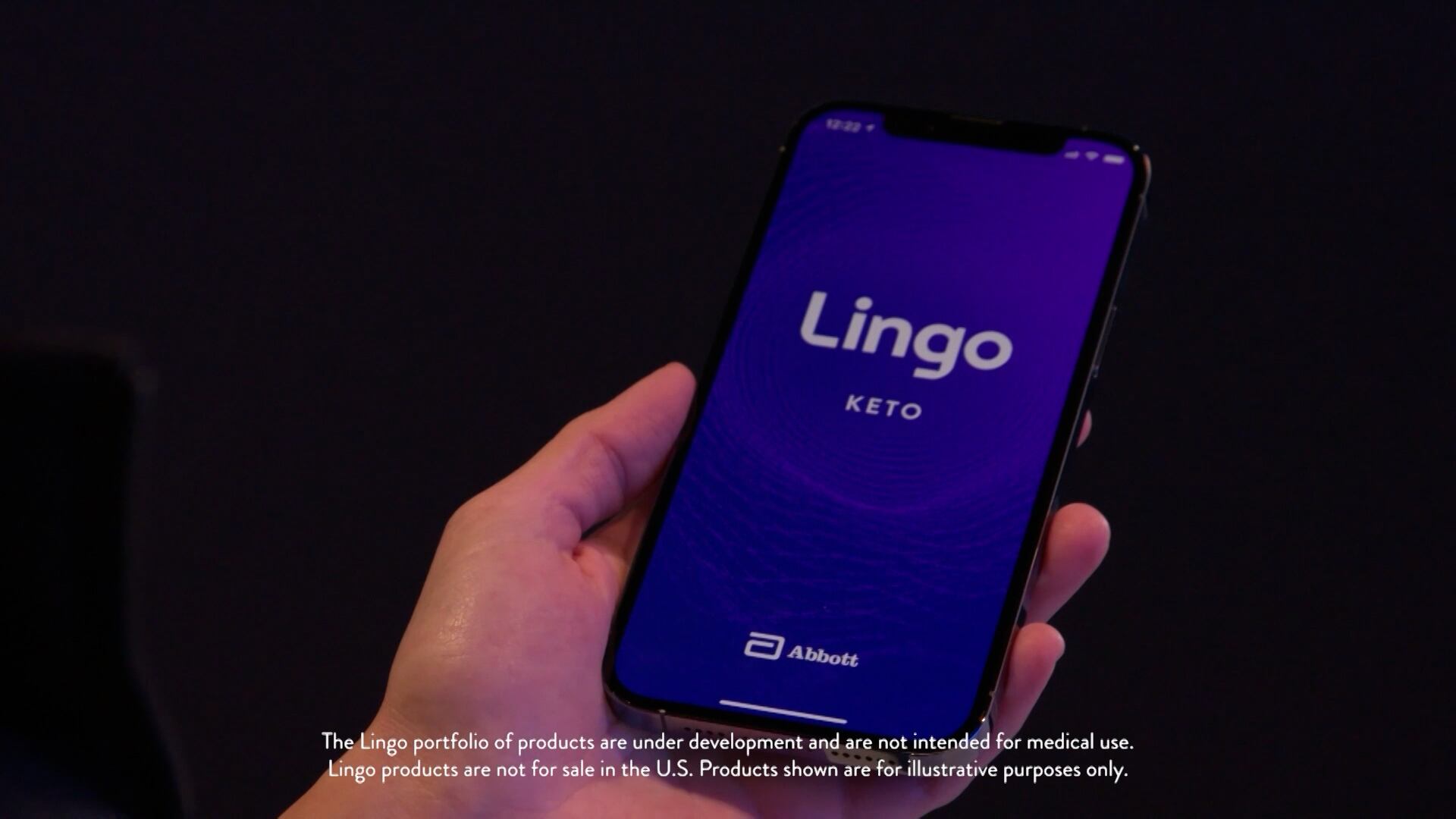
Jared Watkin, senior vice president, diabetes care, at Abbott Laboratories, joined Michelle Castillo from the CES 2022 floor to discuss the future of health tech, including Abbott's consumer-facing biowearable called Lingo. The accessory is supposed to send real-time biomarker information like glucose or ketone levels to the Lingo app for the wearer to review. "The idea is that it's a window into your body," Watkin said. "It gives you insight into what's going on in your body and the certain circumstances that you otherwise wouldn't be able to have."
Aaron Jefferson, VP of product at Luminar, joined Cheddar to discuss partnering with automaker Volvo to bring its LIDAR (light detection and ranging) tech into autonomous cars capable of safely driving on the highway. While companies like Tesla have come under fire due to safety issues with its self-driving technology, Jefferson noted how his company's tech differs. "Our LIDAR, its iris sensor that's really set for production, is able to sense, understand, and give the vehicle confidence to react accordingly such that you don't have these same types of issues," he said. The Ride Pilot technology in Volvo vehicles will be rolled out in California following safety testing.