Uber's Autopilot Has Challenges on the Road and in the Air
*By Britt Terrell*
In the race to deploy autonomous driving technology to chauffeur passengers wherever they might go by road, Uber's Elevate division is also looking to gain an edge in the air by becoming the first company to bring similar self-driving technology to its fleet of flying taxis [as early as 2020](https://nypost.com/2018/05/07/uber-hopes-to-have-flying-taxis-by-2020/).
"It's actually going to be significantly easier we think, because a lot of the problems that you deal with on the road such as complicated street signs, such as other cars that may not be necessarily cooperative ー we're going to build the system to be autonomous for the future vision from the outset," said Nikhil Goel, head of product and advanced programs at Uber.
But in an interview Tuesday with Cheddar, Goel said the company was proceeding with caution, especially as Uber addresses issues with its ground-level autonomous driving technology. The company found that its self-driving feature was at fault when one of its cars killed a pedestrian in March. The vehicle did not brake soon enough.
Though the challenges for autonomous driving on the ground are different from those in the air, the technology still needs some work.
"These vehicles will actually start out as piloted," Goel said, referring to Uber's plans for flying taxis, adding they would only be used after close coordination with the Federal Aviation Administration and after a thorough safety review.
Uber was scheduled to meet with U.S. transportation and safety officials this week at its second annual Elevate Summit. Officials will hear about the company's technological developments as it seeks to begin testing its flying taxi technology in Los Angeles, Dallas, and Dubai.
For the full interview, [click here](https://cheddar.com/videos/uber-gets-elevated).
L’Oréal is doubling down on its investment in tech. The French beauty giant unveiled two new high-tech products ahead of CES 2022, aimed at simplifying the hair coloring process. Guive Balooch, global vice president of L’Oréal Technology Incubator, joined Cheddar's Opening Bell to discuss the company's innovations for hair coloring, including the Colorsonic application device and the Coloright AI diagnostic tool.
Walmart is one of the latest companies looking to adapt to the emerging digital economy by possibly establishing its own cryptocurrency. The retail giant filed at least seven applications with the U.S. Patent and Trademark Office, including one for blockchain assets.
Bitcoin plunged below the $40,000 mark on Monday, hitting its lowest price since September. The world's most valuable cryptocurrency has had months of hot and cold streaks, and the latest drop now has investors wondering just what 2022 will have in store for bitcoin and the crypto space as a whole. Ben McMillan, CIO at IDX Digital Assets, joined Cheddar Movers to discuss.
You could be seeing more electric delivery vans on the road soon. Walmart and FedEx have inked deals with GM's all-electric brand BrightDrop to add thousands of vehicles to their fleets. Walmart has reserved 5,000 vans for the first time, while FedEx is expanding an initial order of 500 vehicles. Michael Zimmerman, partner and head of logistics at Kearney, joined Cheddar to discuss what this means for the electric vehicle market moving forward.
After nearly a century, General Motors is no longer the top-selling automaker in America. Toyota has dethroned the long-reigning champ to become the leader in U.S. auto sales for the first time, and the first non-domestic automaker to take that title. The Japanese automaker outsold GM by about 114,000 vehicles, or 5% more, in 2021. Al Root, senior writer for Barron's, joined Cheddar to discuss the meaning behind these numbers.
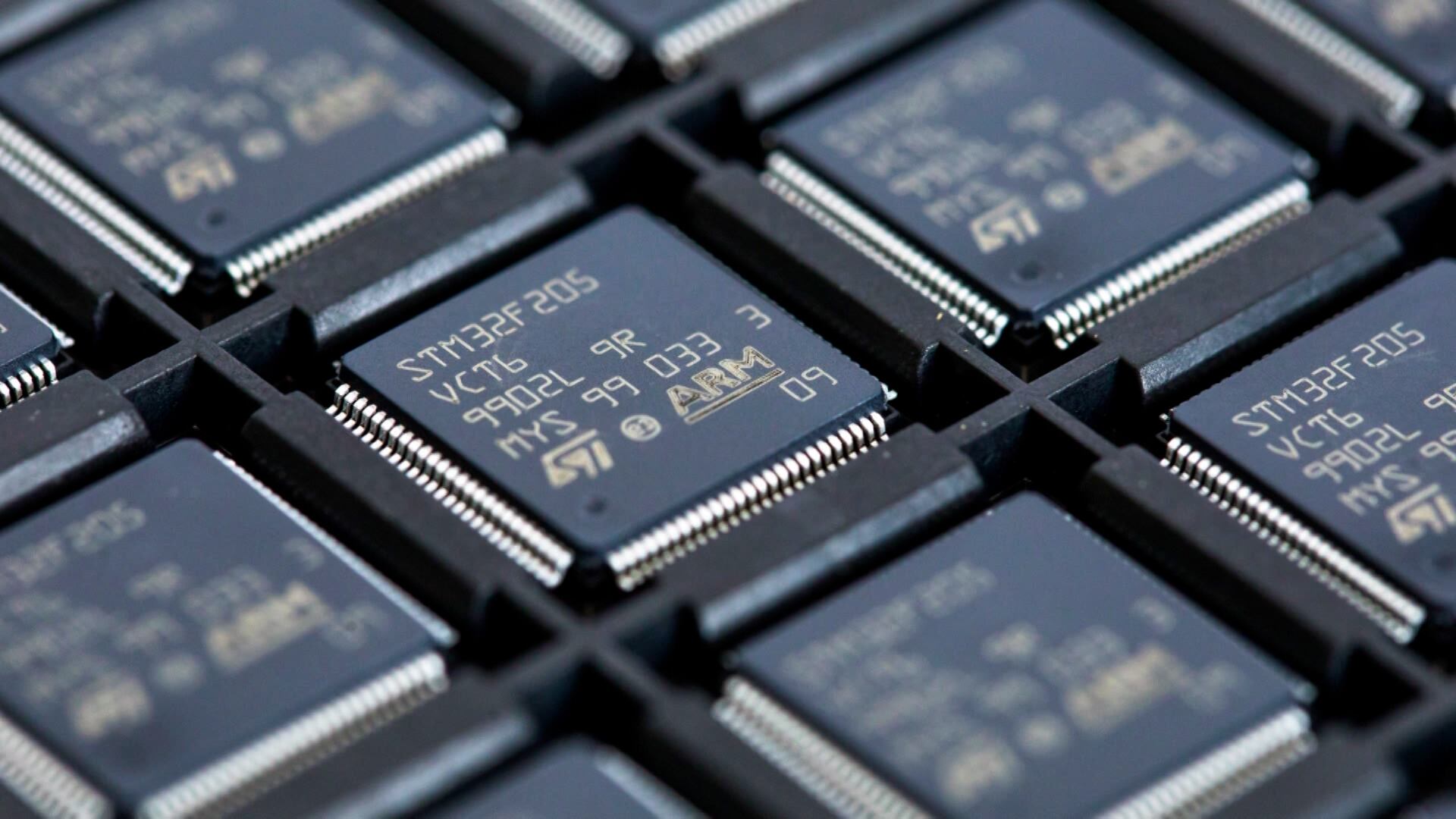
This year's worldwide semiconductor shortage limited the supply of everything from new cars to smart phones.
Looking ahead, several experts in the chip industry expect the shortage to continue deep into 2022, and maybe even 2023. Syed Alam, Accenture's Global Semiconductor Lead, joined Cheddar Movers to discuss.
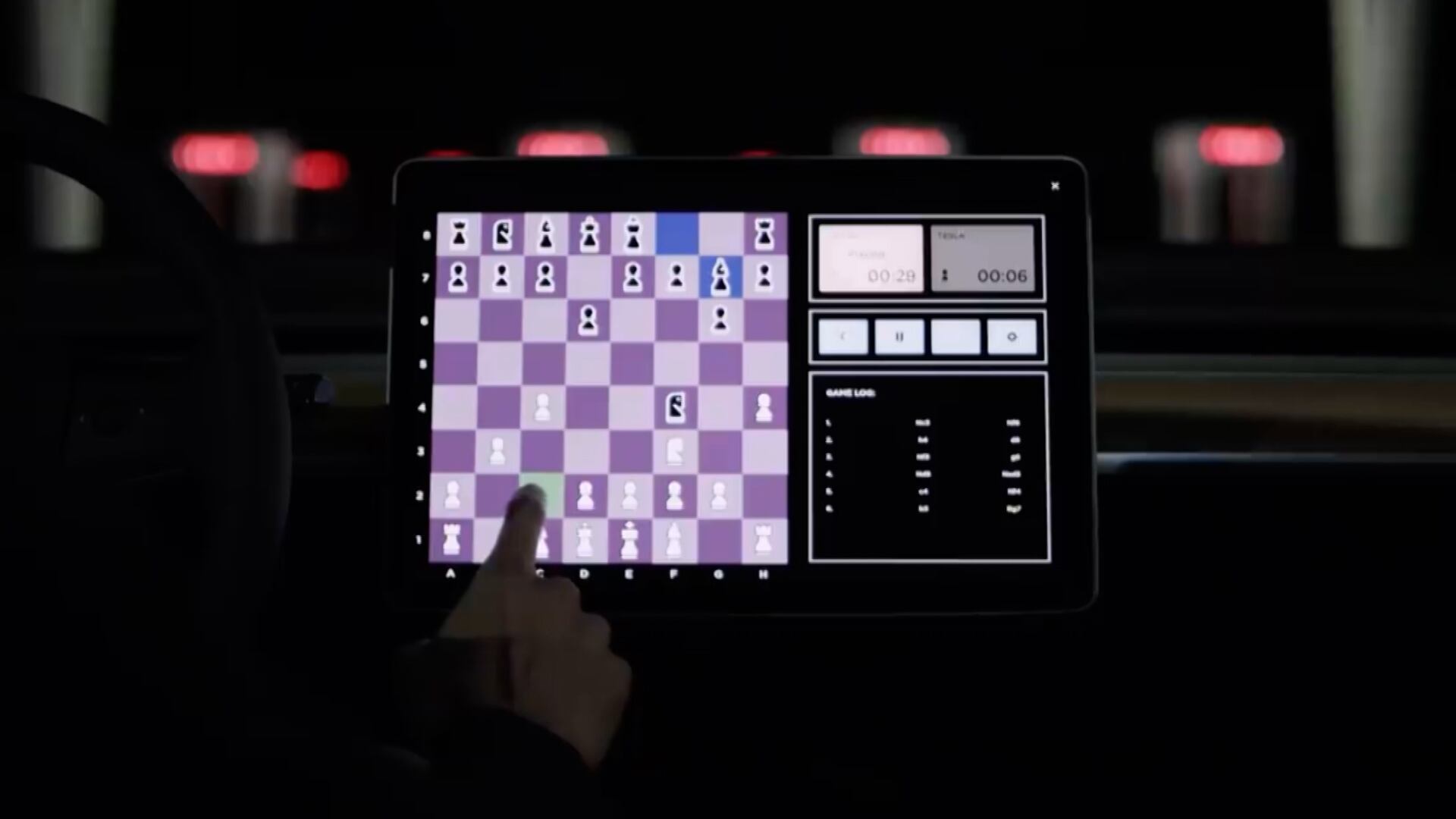
The National Highway Traffic Safety Administration is investigating roughly 580,000 Tesla vehicles due to their front touch screen 'passenger play' gaming feature amid concerns over possible distracted driving. The investigation covers Tesla models ranging from the years 2017-2022. Brian Moody, Executive Editor at Autotrader, joined Cheddar Movers for more.
After a two-week delay of 5G deployment at airports due to the airline industry's claims it will cause "catastrophic disruption," AT&T and Verizon are set to roll out the service on January 19. Michael Boyd, CEO of aviation consultancy Boyd Group International, joined Cheddar to discuss the concerns being voiced by the airlines. "If the airline industry thinks it's going to be something to disrupt our system or impair safety, it shouldn't roll out at all, period," Boyd said, noting that the telecom giants should rethink the activation over safety and security.