Uber's Autopilot Has Challenges on the Road and in the Air
*By Britt Terrell*
In the race to deploy autonomous driving technology to chauffeur passengers wherever they might go by road, Uber's Elevate division is also looking to gain an edge in the air by becoming the first company to bring similar self-driving technology to its fleet of flying taxis [as early as 2020](https://nypost.com/2018/05/07/uber-hopes-to-have-flying-taxis-by-2020/).
"It's actually going to be significantly easier we think, because a lot of the problems that you deal with on the road such as complicated street signs, such as other cars that may not be necessarily cooperative ー we're going to build the system to be autonomous for the future vision from the outset," said Nikhil Goel, head of product and advanced programs at Uber.
But in an interview Tuesday with Cheddar, Goel said the company was proceeding with caution, especially as Uber addresses issues with its ground-level autonomous driving technology. The company found that its self-driving feature was at fault when one of its cars killed a pedestrian in March. The vehicle did not brake soon enough.
Though the challenges for autonomous driving on the ground are different from those in the air, the technology still needs some work.
"These vehicles will actually start out as piloted," Goel said, referring to Uber's plans for flying taxis, adding they would only be used after close coordination with the Federal Aviation Administration and after a thorough safety review.
Uber was scheduled to meet with U.S. transportation and safety officials this week at its second annual Elevate Summit. Officials will hear about the company's technological developments as it seeks to begin testing its flying taxi technology in Los Angeles, Dallas, and Dubai.
For the full interview, [click here](https://cheddar.com/videos/uber-gets-elevated).
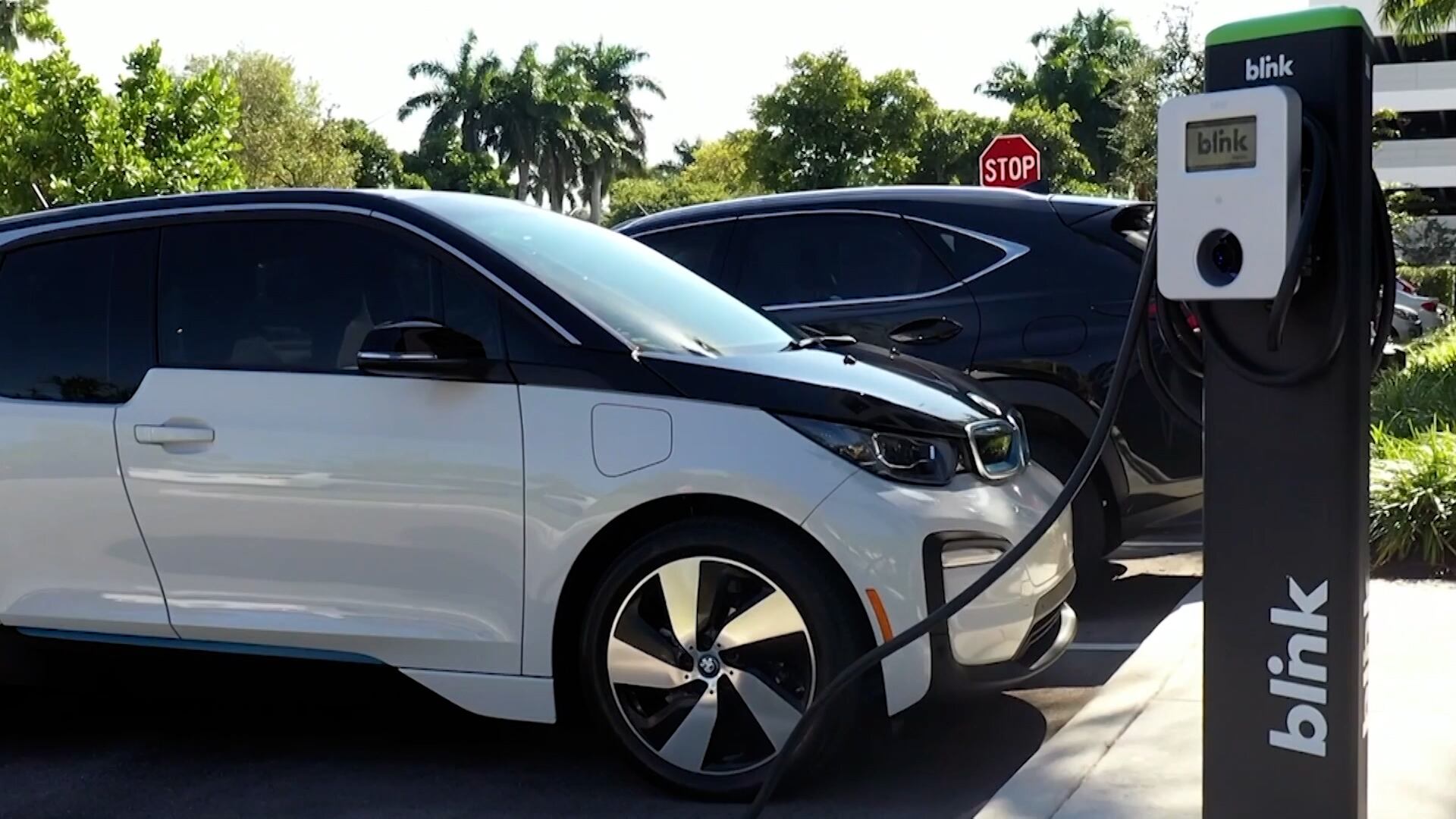
Coming off of CES, Blink Charging announced a partnership with legacy automaker General Motors to provide charging stations for its newest electric cars. The company specializes in stations they own and operate that also accommodate residential and commercial locations. Michael D. Farkas, founder and CEO, noted that they "don’t discriminate” when it comes to locating their chargers while also taking the philosophy of seeing their hardware more like hot water heaters rather than smartphones constantly in need of upgrading. "We believe it's one of the reasons why we were selected by GM," Farkas said. "These dealerships have to invest in these locations and make sure that this hardware is workable for a very, very long period of time."
Simeon Siegel, managing director and senior analyst at BMO Capital Markets joins Cheddar News to discuss CNBC's report that Peloton plans to halt production, despite the company's CEO denying those claims.
Jackie Rotman, founder and CEO of the Center for Intimacy Justice joins Cheddar News to talk about why Facebook is banning ads by companies targeting women's sexual health but not ads catered to men.
TikTok recently announced that it is testing a paid subscription model. The news comes days after Instagram publicized a similar service. TikTok has made $2.3 billion from in-app purchases, but mostly through tips, in 2021, showing that its users may be open to spending money on the platform.
Netflix beat its earnings projections for Q4 — but the stock still plummeted as the streaming pioneer cut back on its forecast for future subscribers. Michael Robinson, the chief technology strategist at Money Map Press, joined Cheddar to discuss the report and what's driving the downward pressure on its shares. "It's the growth is really what's worrying people," he said. "'A' we have slowing economic growth, and 'B' we've got slowing growth for this company, as 'C' we have an increase in competition."
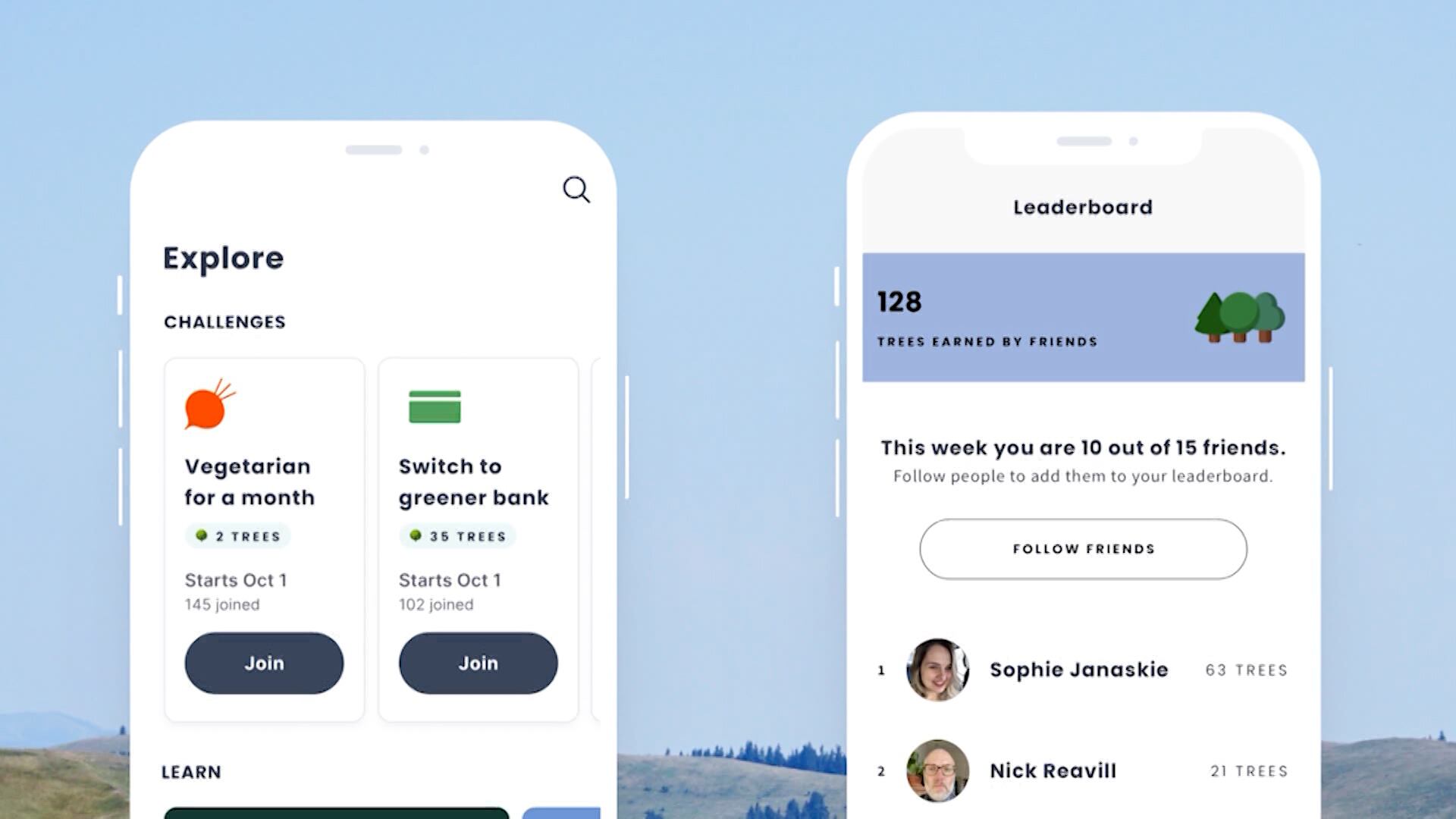
Sanchali Pal, Founder and CEO of Joro, joins ChedHER to discuss how her app can help users track, reduce, and automatically offset the carbon footprint of their purchases, and gives advice for other women seeking careers in climate.