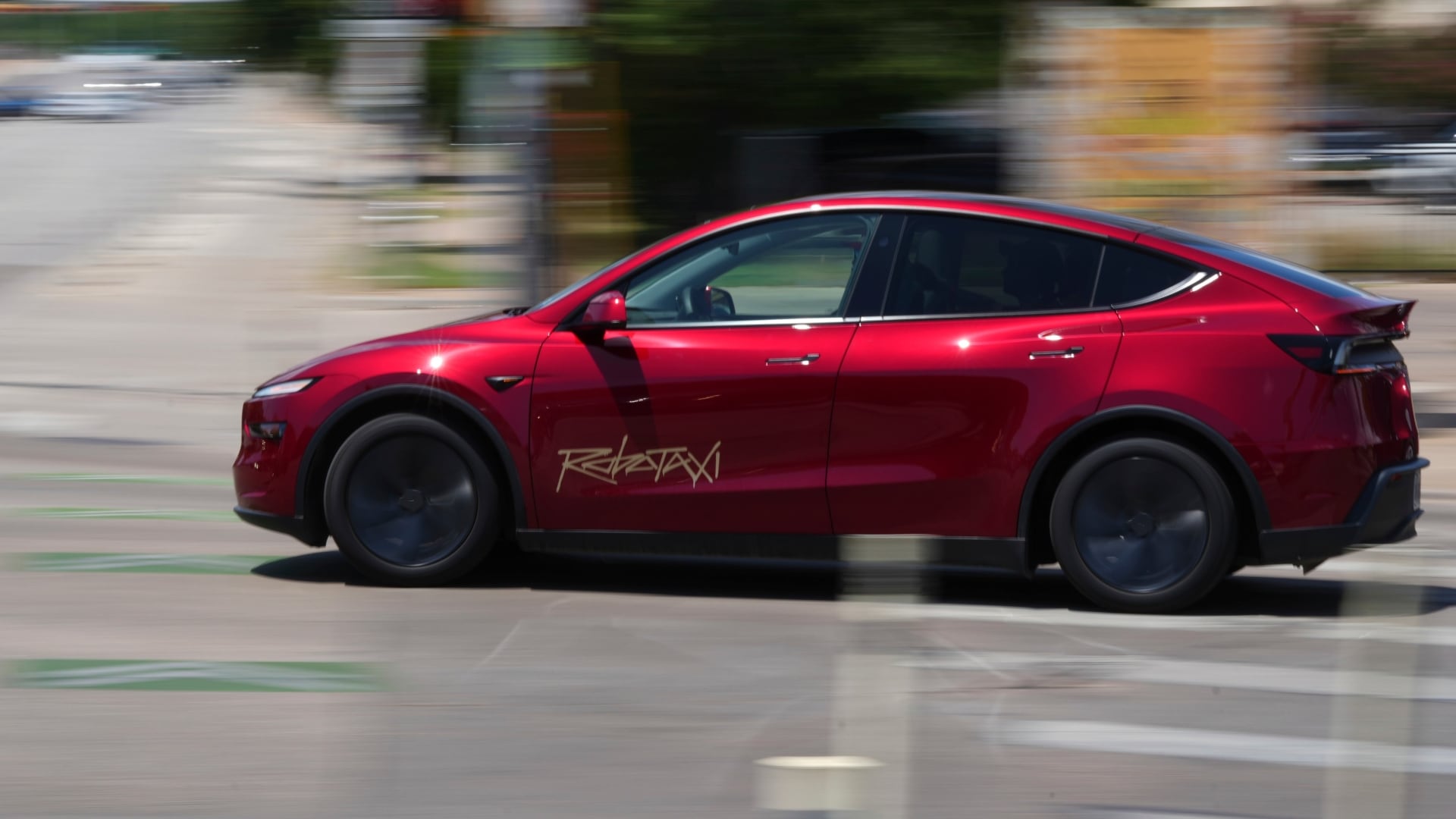
Uber’s autonomous vehicle program has been in crisis mode long before the fatal accident last week in Tempe, Ariz. That’s according to an investigation by the New York Times. And Daisuke Wakabayashi, the reporter who broke this story, says the company’s technology lags far behind its prime competitor, Alphabet unit Waymo. “Waymo started in 2009 and they have been testing ever since,” Wakabayashi told Cheddar Monday. “Uber didn’t really start until about 2016...They’re years behind. They’re racing to catch up.” After looking through hundreds of Uber’s internal documents, the Times found that, as of March this year, its self-driving cars could go just 13 miles before requiring human intervention. Waymo cars meanwhile could clock nearly 5,600 miles without a person having to jump in to take control. Uber’s vehicles also had trouble navigating construction zones and driving next to tall vehicles. And it’s not just a matter of being behind -- Wakabayashi says Uber’s driverless car project is central to the company’s future. “Executives will tell you it’s existential,” he said. “If you think about what percentage of their operating costs go to the drivers, it’s a substantial amount. If you can lower that cost by making it autonomous, then Uber goes from being the company that lost the most amount of money as a private company to becoming incredibly profitable.” Last week, one of Uber’s self-driving cars struck and killed a pedestrian in Arizona in the first known fatality involving an autonomous vehicle. Local police and the National Transportation Safety Board are currently investigating the incident. Initially, Tempe police said Uber may not have been at fault in this case because the pedestrian suddenly came out of the shadows. But Wakabayashi said authorities are walking that back a bit. He points out that local authorities are now putting out more cautious statements. “Anyone who knows anything about autonomous vehicles will tell you that the car should have detected the woman crossing the road,” he said. “Autonomous vehicles and all the sensors that are on them are supposed to detect things like that.” For the full interview, [click here](Last Sunday, one of Uber's self-driving cars struck and killed a pedestrian in Tempe, Arizona. The police said Uber was likely not at fault because the accident would have been hard to avoid, even for a human driver. However, reports have surfaced that uber's driverless technology was faltering well before the crash. Daisuke Wakabayashi, Reporter at the New York Times, breaks down the root of Uber's self-driving problems. For the full interview, [click here](Last Sunday, one of Uber's self-driving cars struck and killed a pedestrian in Tempe, Arizona. The police said Uber was likely not at fault because the accident would have been hard to avoid, even for a human driver. However, reports have surfaced that uber's driverless technology was faltering well before the crash. Daisuke Wakabayashi, Reporter at the New York Times, breaks down the root of Uber's self-driving problems. For the full interview, [clicl here](https://cheddar.com/videos/ubers-self-driving-headache-showed-symptoms-before-the-deadly-crash-says-nyt).