Uber Scales Back Self-Driving Unit in Wake of Crash
*By Justin Chermol*
Uber is laying off more than 100 test drivers in its autonomous car division in Pittsburgh and San Francisco, replacing them with 55 highly-trained drivers known as "mission specialists".
It's an attempt by the ride-hailing company to prove it's serious about safety in its self-driving division after a fatal crash in Tempe, Ariz., last March.
But whether real progress has been made is another story.
"There's the public messaging and there is what is actually happening," said Mark Rechtin, Executive Editor at Motor Trend. "Uber is saying all the right things publicly, but the accident in Arizona has really set them back."
Uber initially suspended all testing of its autonomous driving program after a pedestrian was struck and killed on March 18, but restarted some tests earlier this month.
Former self-driving car operators are eligible to apply for the new roles, which must operate cars on both public roads and private tracks and are expected to give technical feedback to developers.
Rechtin is optimistic about the effort, but still raised concerns.
"We need to make sure whatever Uber does is something that is functional."
It might feel like the artificial intelligence train has left the station, but there are still opportunities to get in before the boom gets even bigger.
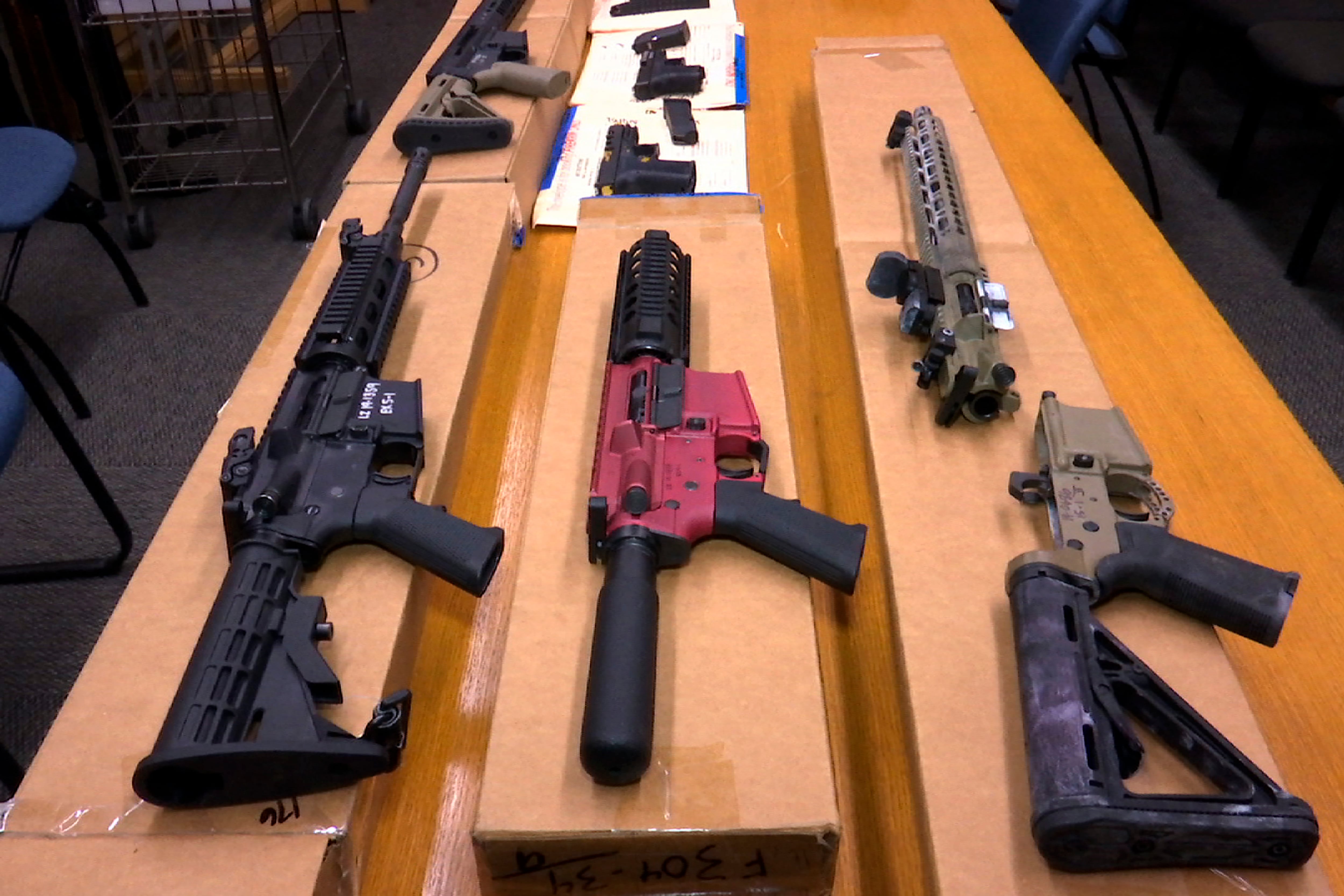
Nevada’s Supreme Court upheld the state’s ban on ghost guns Thursday, overturning a lower court’s ruling that had sided with a gun manufacturer’s argument the 2021 law regulating firearm parts with no serial numbers was unconstitutionally vague.
We may not be headed for a 2008-esque disaster, but increased geopolitical tension paired with the end of the tech boom means volatility could stick around.
The dreaded Netflix crackdown on profile sharing translated into a major boost in subscribers while the promised rate cuts seem to be a far off fantasy.