Uber Scales Back Self-Driving Unit in Wake of Crash
*By Justin Chermol*
Uber is laying off more than 100 test drivers in its autonomous car division in Pittsburgh and San Francisco, replacing them with 55 highly-trained drivers known as "mission specialists".
It's an attempt by the ride-hailing company to prove it's serious about safety in its self-driving division after a fatal crash in Tempe, Ariz., last March.
But whether real progress has been made is another story.
"There's the public messaging and there is what is actually happening," said Mark Rechtin, Executive Editor at Motor Trend. "Uber is saying all the right things publicly, but the accident in Arizona has really set them back."
Uber initially suspended all testing of its autonomous driving program after a pedestrian was struck and killed on March 18, but restarted some tests earlier this month.
Former self-driving car operators are eligible to apply for the new roles, which must operate cars on both public roads and private tracks and are expected to give technical feedback to developers.
Rechtin is optimistic about the effort, but still raised concerns.
"We need to make sure whatever Uber does is something that is functional."
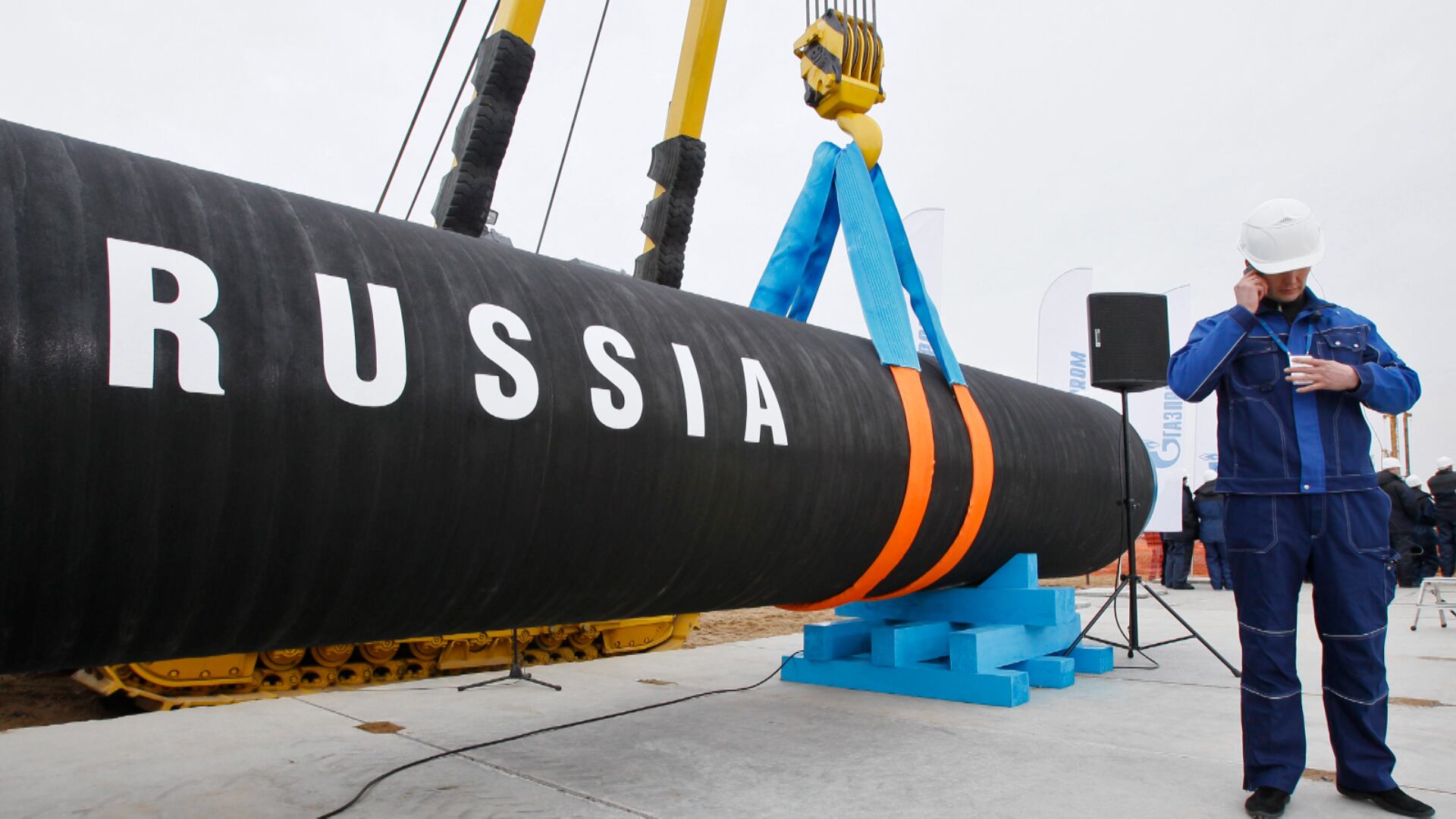
Anu Gaggar, global investment strategist for Commonwealth Financial Network, joined Cheddar News to discuss how global supply chains could be disrupted even further by an armed conflict in Ukraine.
Google parent company Alphabet saw yet another successful quarter reporting its final earnings report for 2021 on Tuesday. The tech giant beat Wall Street expectations across the board with much of that success owed to not only the growth of its cloud business, but also its multi-platform advertising. Joanna O'Connell, Principal Analyst at Forrester explains why advertising may be one of the keys to Alphabet’s future success.
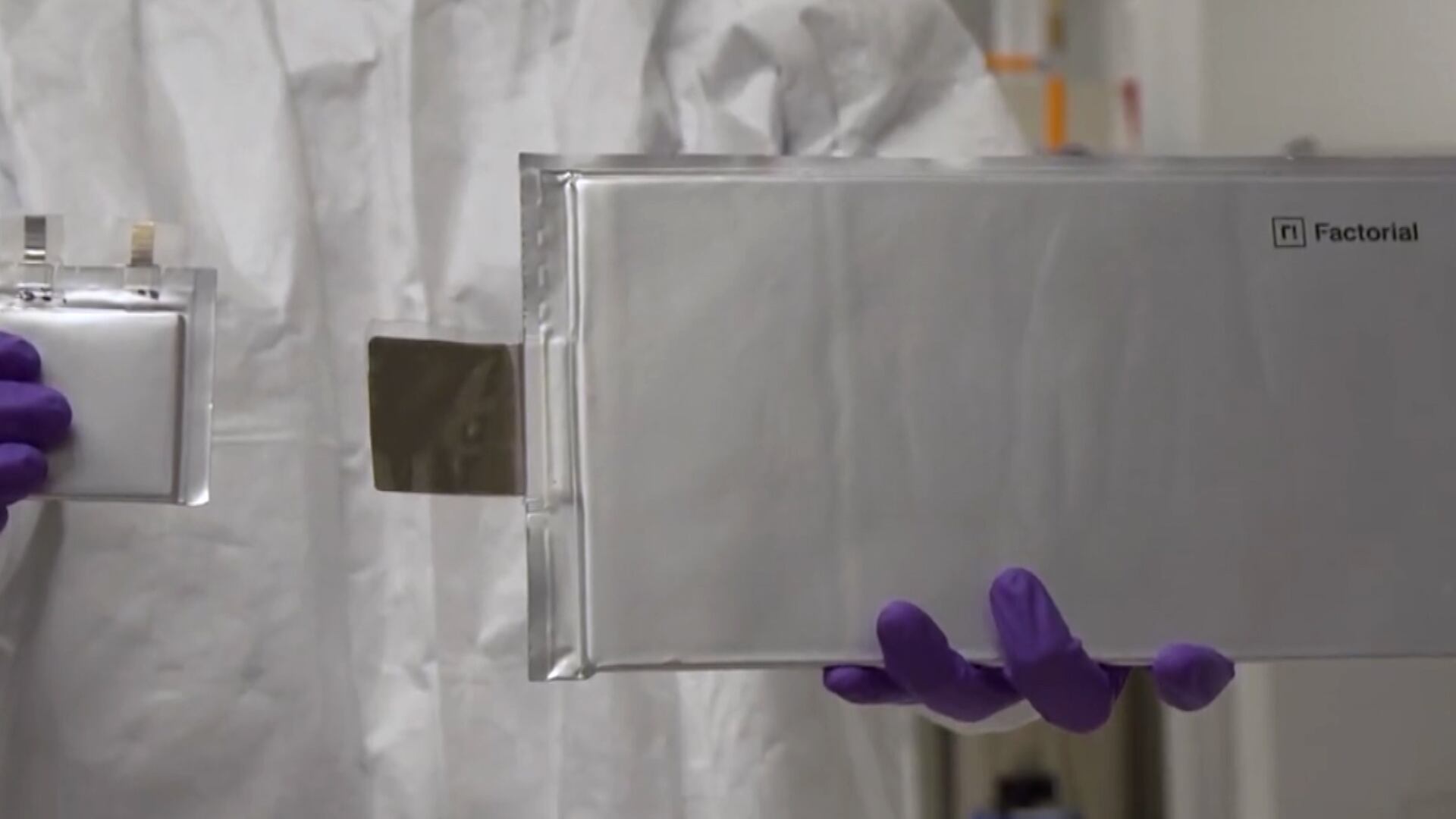
Solid-state battery maker Factorial Energy recently raised $200 million in a Series D round led by Mercedes-Benz and Stellantis. Factorial says the funding will be used to accelerate commercial production and deployment of its solid-state battery technology, which the company says is safer, and offers up to 50% more driving range than current lithium-ion technology. Factorial also has joint development agreements (announced in late 2021) with Mercedes-Benz, Stellantis, and Hyundai, three of the top 10 global automotive manufacturers, to commercialize its batteries. Factorial CEO Siyu Huang joined Cheddar News' Closing Bell to discuss.
Art Hogan, Chief Market Strategist at National Securities, joins Cheddar News' Closing Bell, where he says investors are paying more attention to earnings this week, which is leading to the Dow, S&P, and Nasdaq gaining this week. Hogan also breaks down Spotify and Meta's earnings, both of which came out after the bell.
Google's parent company Alphabet reported blockbuster fourth quarter earnings, boosted by better-than-expected Google ad revenue and Google Cloud revenue. The results sent Alphabet's stock soaring, and the company could come close to hitting a $2 trillion market valuation similar to other tech giants Apple and Microsoft. The company also announced a 20-for-1 stock split, which would make shares more accessible to would-be investors. Mark Lehmann, CEO at JMP Securities, a Citizens Company, joins Closing Bell to discuss Alphabet's earnings report, whether the company will reach a $2 trillion market cap, its stock split, and more.
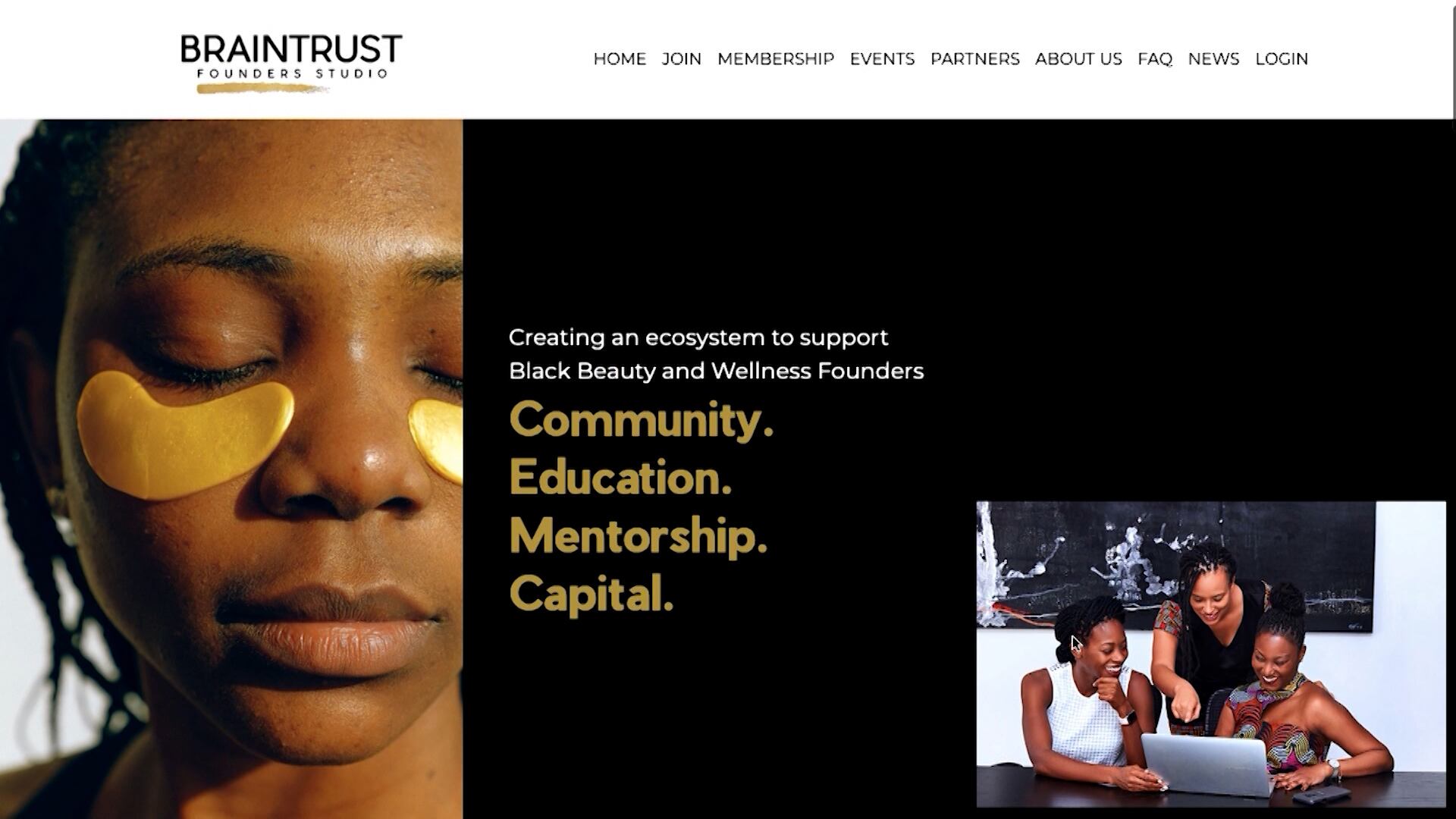
Kendra Bracken-Ferguson, founder of BrainTrust Founders Studio joins Cheddar News to talk about the importance of supporting Black beauty and wellness founders.