Uber Scales Back Self-Driving Unit in Wake of Crash
*By Justin Chermol*
Uber is laying off more than 100 test drivers in its autonomous car division in Pittsburgh and San Francisco, replacing them with 55 highly-trained drivers known as "mission specialists".
It's an attempt by the ride-hailing company to prove it's serious about safety in its self-driving division after a fatal crash in Tempe, Ariz., last March.
But whether real progress has been made is another story.
"There's the public messaging and there is what is actually happening," said Mark Rechtin, Executive Editor at Motor Trend. "Uber is saying all the right things publicly, but the accident in Arizona has really set them back."
Uber initially suspended all testing of its autonomous driving program after a pedestrian was struck and killed on March 18, but restarted some tests earlier this month.
Former self-driving car operators are eligible to apply for the new roles, which must operate cars on both public roads and private tracks and are expected to give technical feedback to developers.
Rechtin is optimistic about the effort, but still raised concerns.
"We need to make sure whatever Uber does is something that is functional."
Caraway CEO, Jordan Nathan, joins Cheddar to discuss how one bad accident turned into a successful business venture and how it will help you in the kitchen.
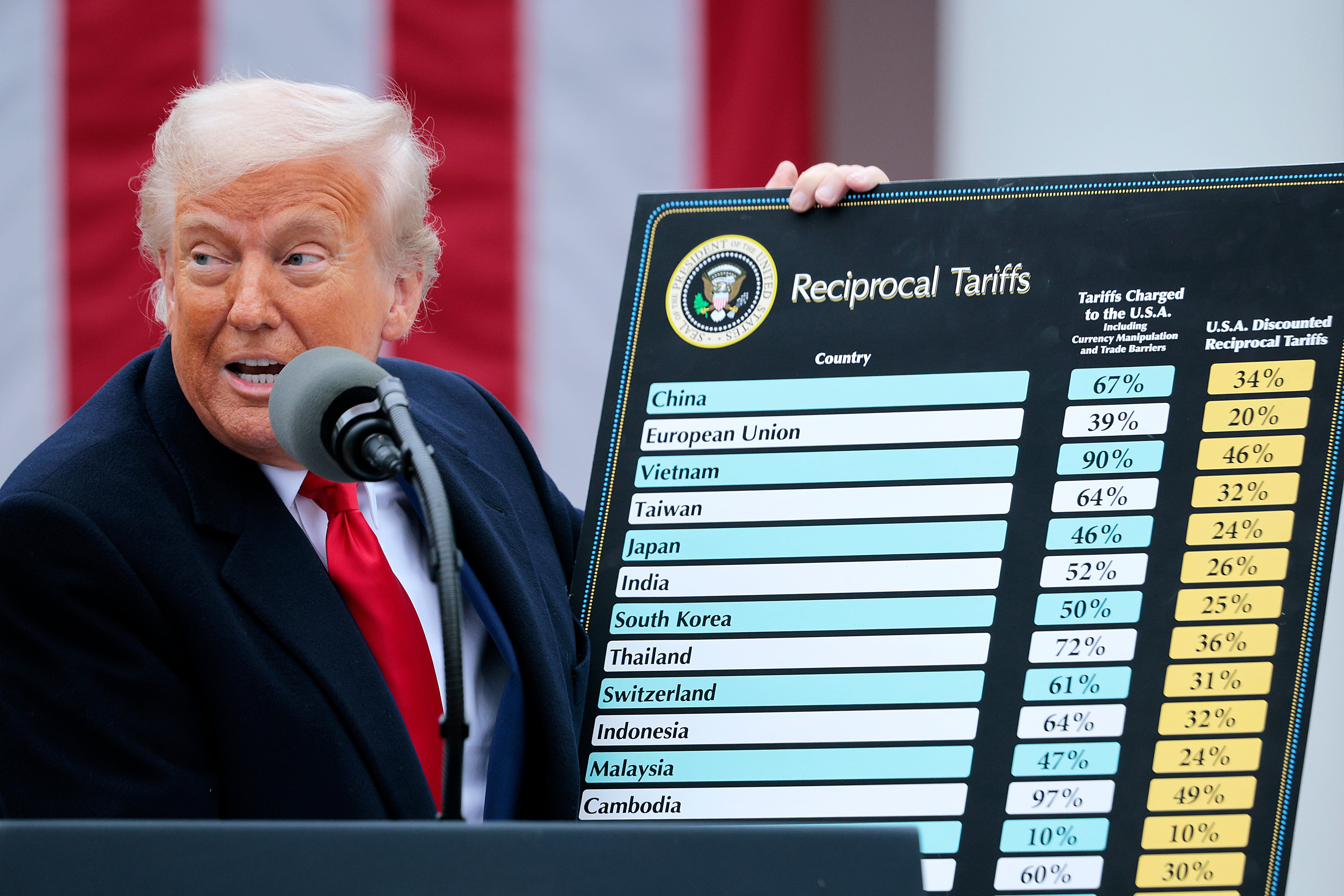
Chelsey Dulaney, reporter from The Wall Street Journal, takes us inside her piece about American Exceptionalism Trade and explains how it will affect consumers.
Sunset Magazine Editor-In-Chief, Hugh Garvey, talks the latest issue on the LA fires' threat to the California dream and the importance of the recovery efforts.
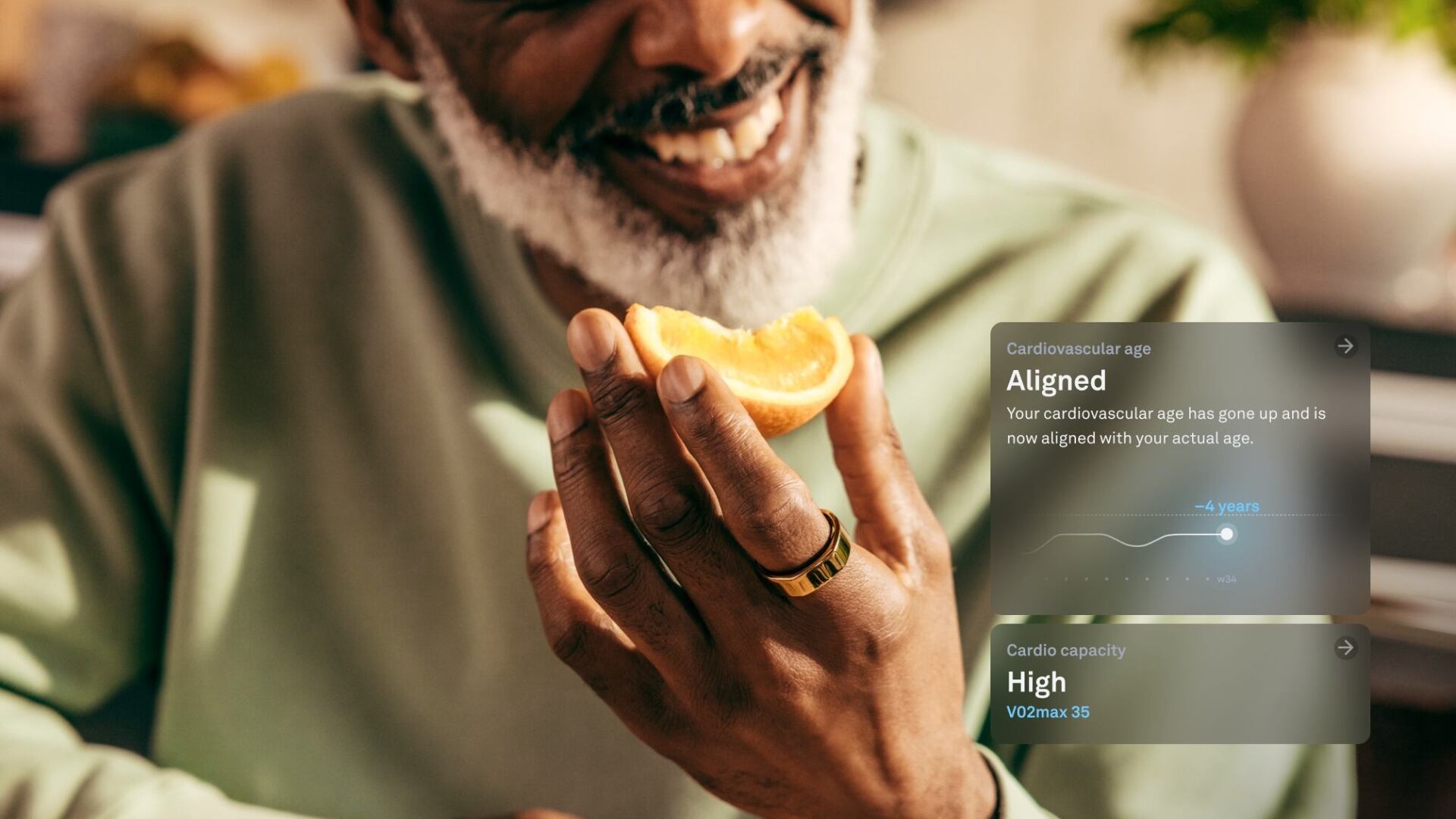
Oura Ring CEO Tom Hale joins Cheddar to take us inside the comprehensive health tracking device, explains how it works and how it can save your life. Watch!
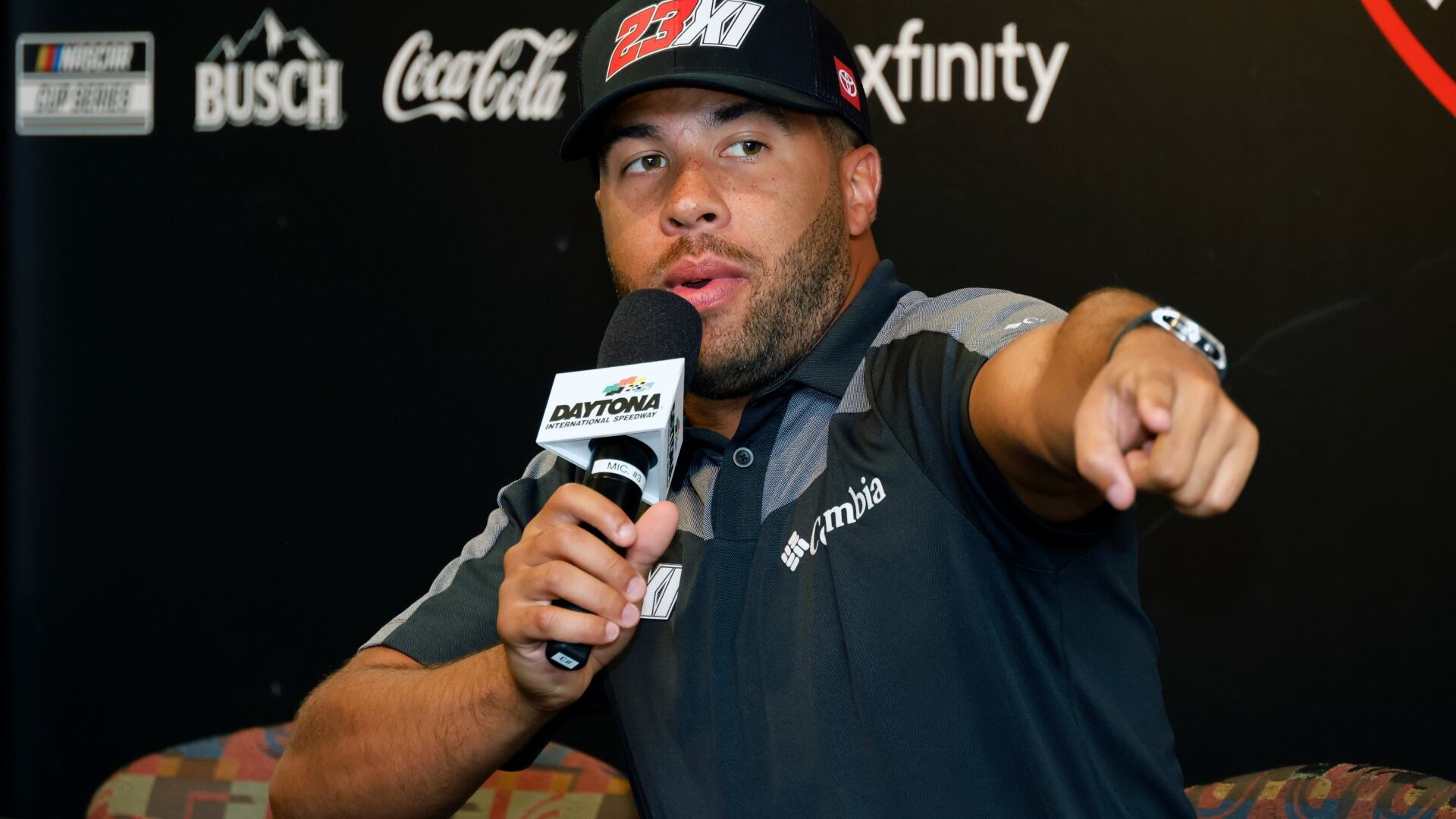
NASCAR star Bubba Wallace joins Steve Quirk, Chief Brokerage Officer at Robinhood, on the floor of the NYSE to discuss their latest partnership. Watch!
Adam Bierman, author of 'Weed Empire,' talks about the cannabis business in America and how he battled the Department of Justice and investment banks. Watch!