Uber Scales Back Self-Driving Unit in Wake of Crash
*By Justin Chermol*
Uber is laying off more than 100 test drivers in its autonomous car division in Pittsburgh and San Francisco, replacing them with 55 highly-trained drivers known as "mission specialists".
It's an attempt by the ride-hailing company to prove it's serious about safety in its self-driving division after a fatal crash in Tempe, Ariz., last March.
But whether real progress has been made is another story.
"There's the public messaging and there is what is actually happening," said Mark Rechtin, Executive Editor at Motor Trend. "Uber is saying all the right things publicly, but the accident in Arizona has really set them back."
Uber initially suspended all testing of its autonomous driving program after a pedestrian was struck and killed on March 18, but restarted some tests earlier this month.
Former self-driving car operators are eligible to apply for the new roles, which must operate cars on both public roads and private tracks and are expected to give technical feedback to developers.
Rechtin is optimistic about the effort, but still raised concerns.
"We need to make sure whatever Uber does is something that is functional."
Cheddar News' Courtney Sturgeon reports from the Cboe floor with Alan Knuckman, Chief Market Strategist at Bulls Eye Option, to discuss strategies for options traders ahead of a busy trading week amid earnings, the FOMC meeting, and more.
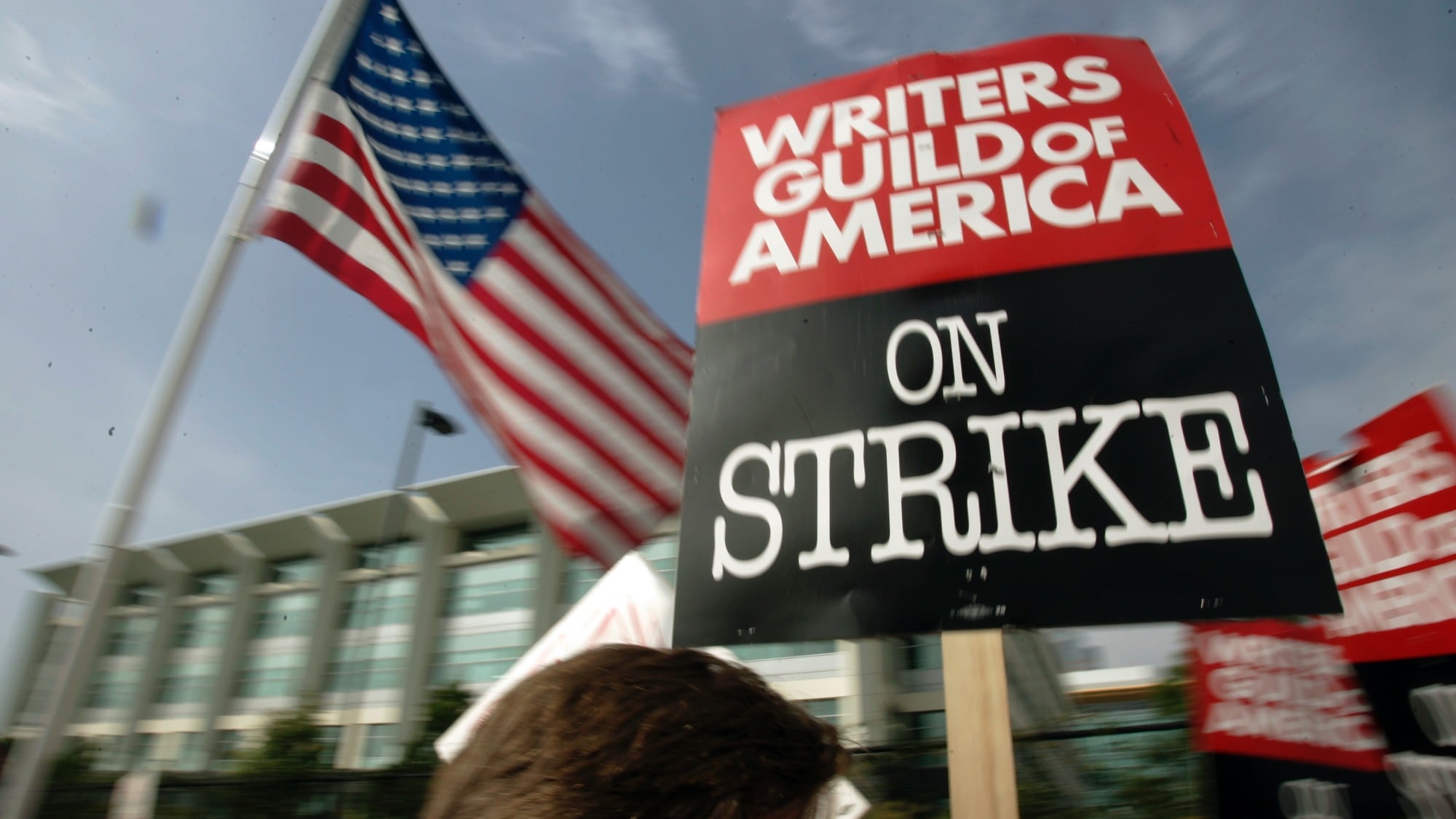
On Tuesday, the Writer’s Guild of America (WGA) kicked off its first strike in 16 years. Cheddar News' field reporter Ashley Mastronardi spoke with some of those picketing writers who said streaming giants need to catch up with the times and offer a higher wage and a bigger cut of residuals.
Airbnb is making a renewed push into renting single rooms in a nod to its beginnings and a realization that renting an entire house is too expensive for many travelers, especially younger ones.
Poised to raise interest rates Wednesday for a 10th time, Federal Reserve officials are facing two competing economic trends that could make their future rate decisions more difficult and treacherous.