Uber Scales Back Self-Driving Unit in Wake of Crash
*By Justin Chermol*
Uber is laying off more than 100 test drivers in its autonomous car division in Pittsburgh and San Francisco, replacing them with 55 highly-trained drivers known as "mission specialists".
It's an attempt by the ride-hailing company to prove it's serious about safety in its self-driving division after a fatal crash in Tempe, Ariz., last March.
But whether real progress has been made is another story.
"There's the public messaging and there is what is actually happening," said Mark Rechtin, Executive Editor at Motor Trend. "Uber is saying all the right things publicly, but the accident in Arizona has really set them back."
Uber initially suspended all testing of its autonomous driving program after a pedestrian was struck and killed on March 18, but restarted some tests earlier this month.
Former self-driving car operators are eligible to apply for the new roles, which must operate cars on both public roads and private tracks and are expected to give technical feedback to developers.
Rechtin is optimistic about the effort, but still raised concerns.
"We need to make sure whatever Uber does is something that is functional."
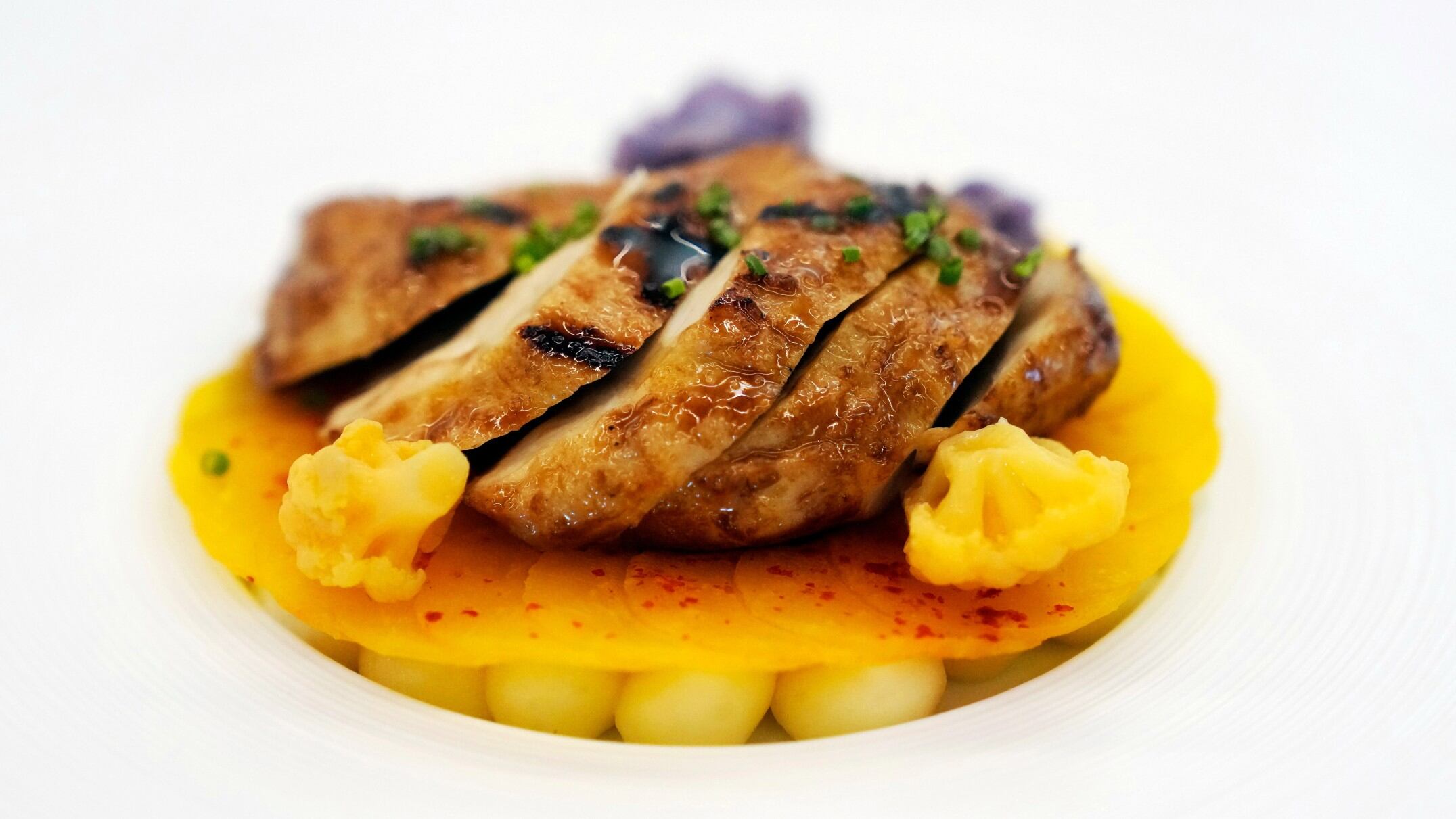
For the first time, U.S. regulators on Wednesday approved the sale of chicken made from animal cells, allowing two California companies to offer “lab-grown” meat to the nation's restaurant tables and eventually, supermarket shelves.
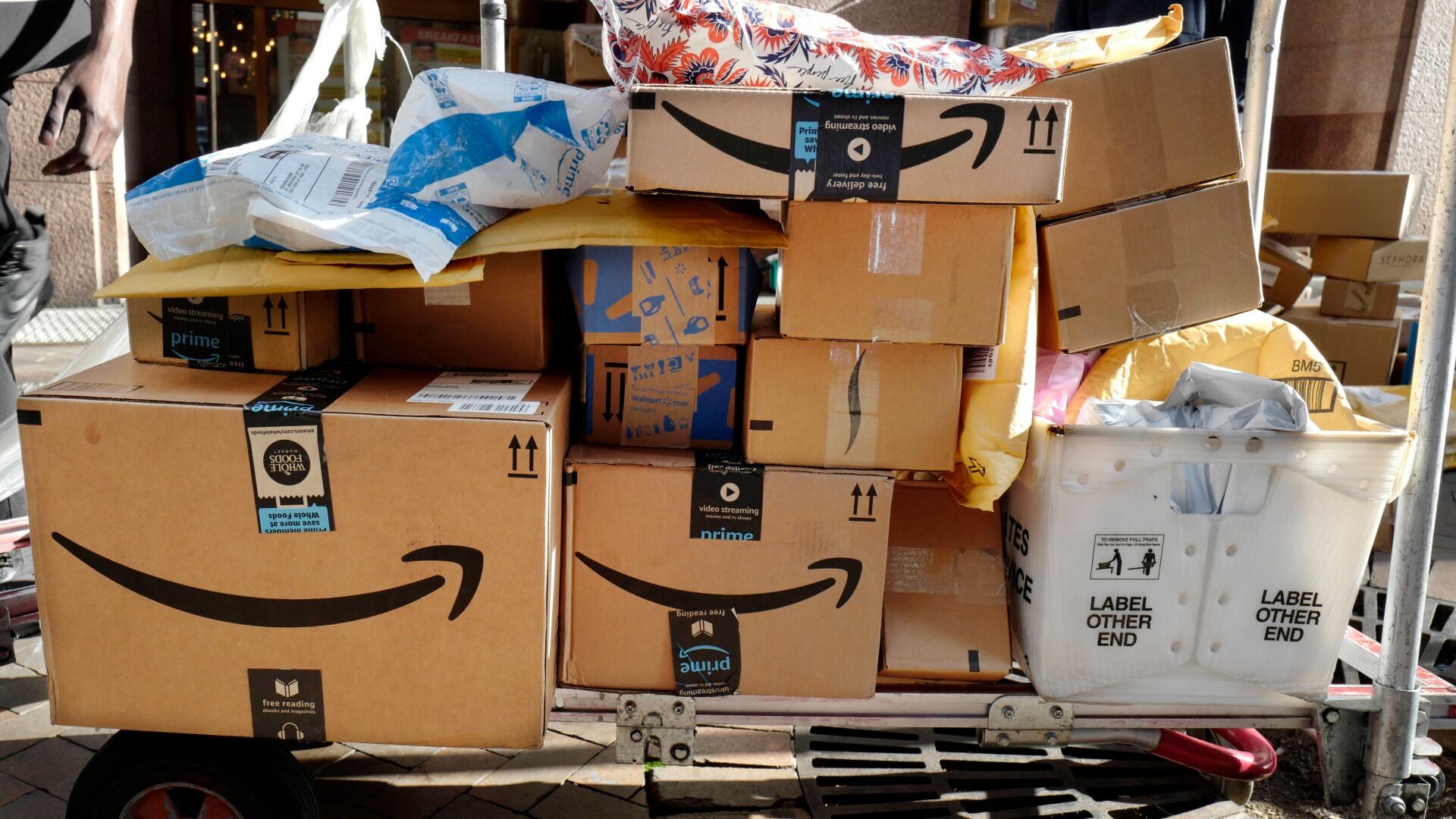
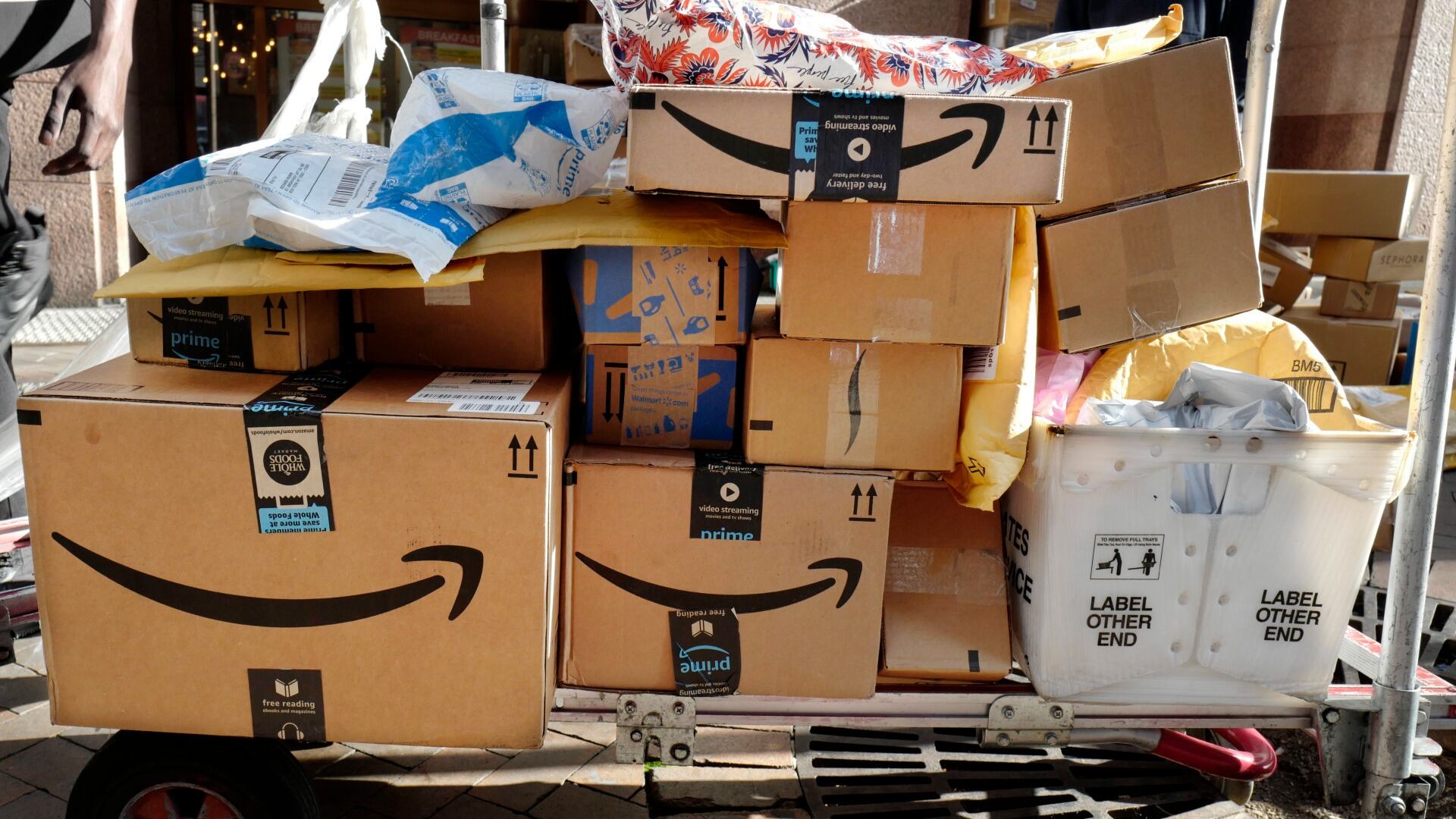
Amazon was sued Wednesday by Federal Trade Commission for what it called a years-long effort to enroll consumers without consent into its Prime program and making it difficult for them to cancel their subscriptions.
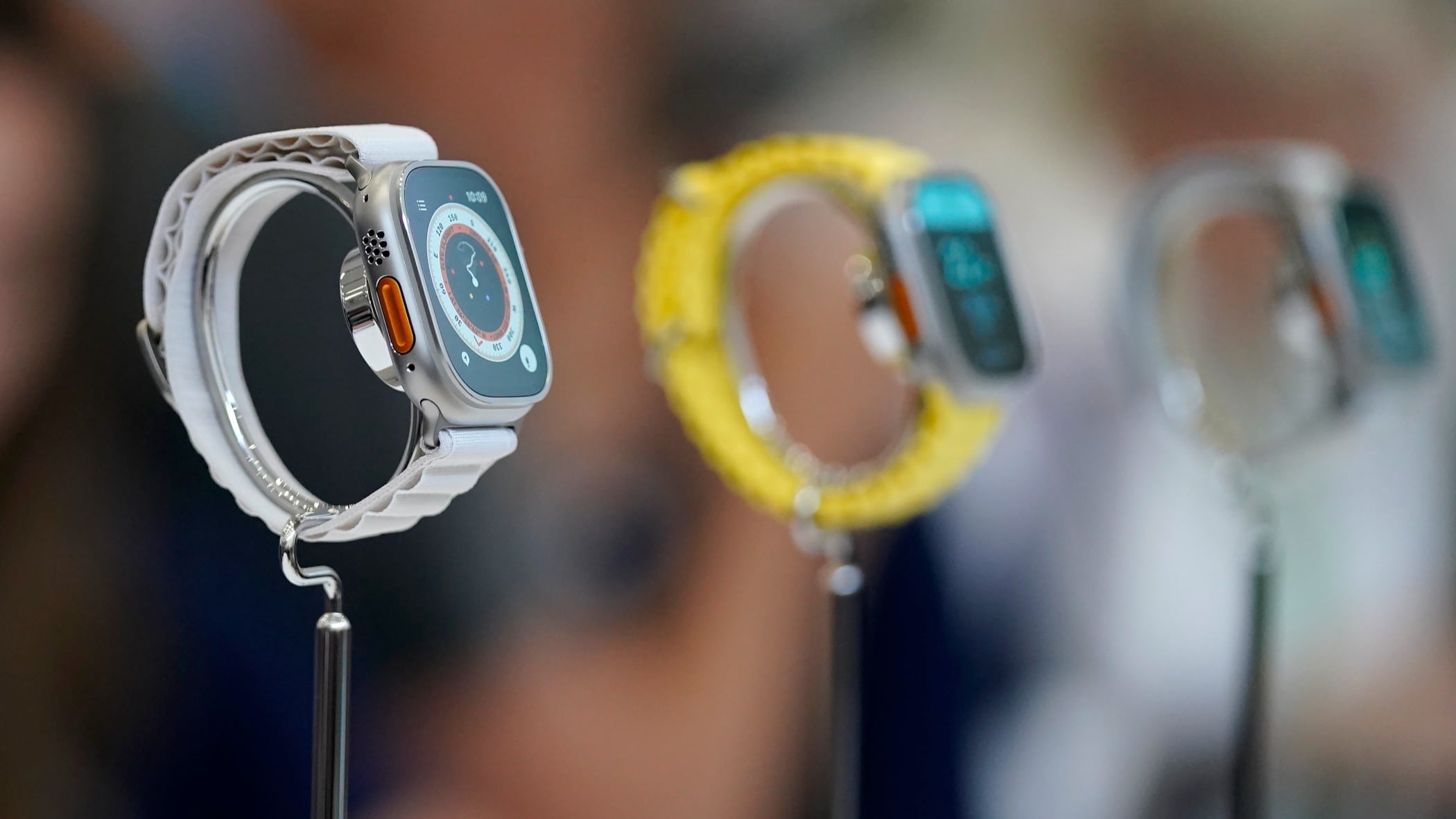
A 29-year-old Cincinnati woman was awakened by her Apple Watch, which alerted her about an elevated heart rate, prompting her to head to a doctor who notified her of a blood clot.
Anheuser-Busch's top marketing executive Marcel Marcondes addressed the ongoing boycott of Bud Light after protests over the company's partnership with trans influencer Dylan Mulvaney.
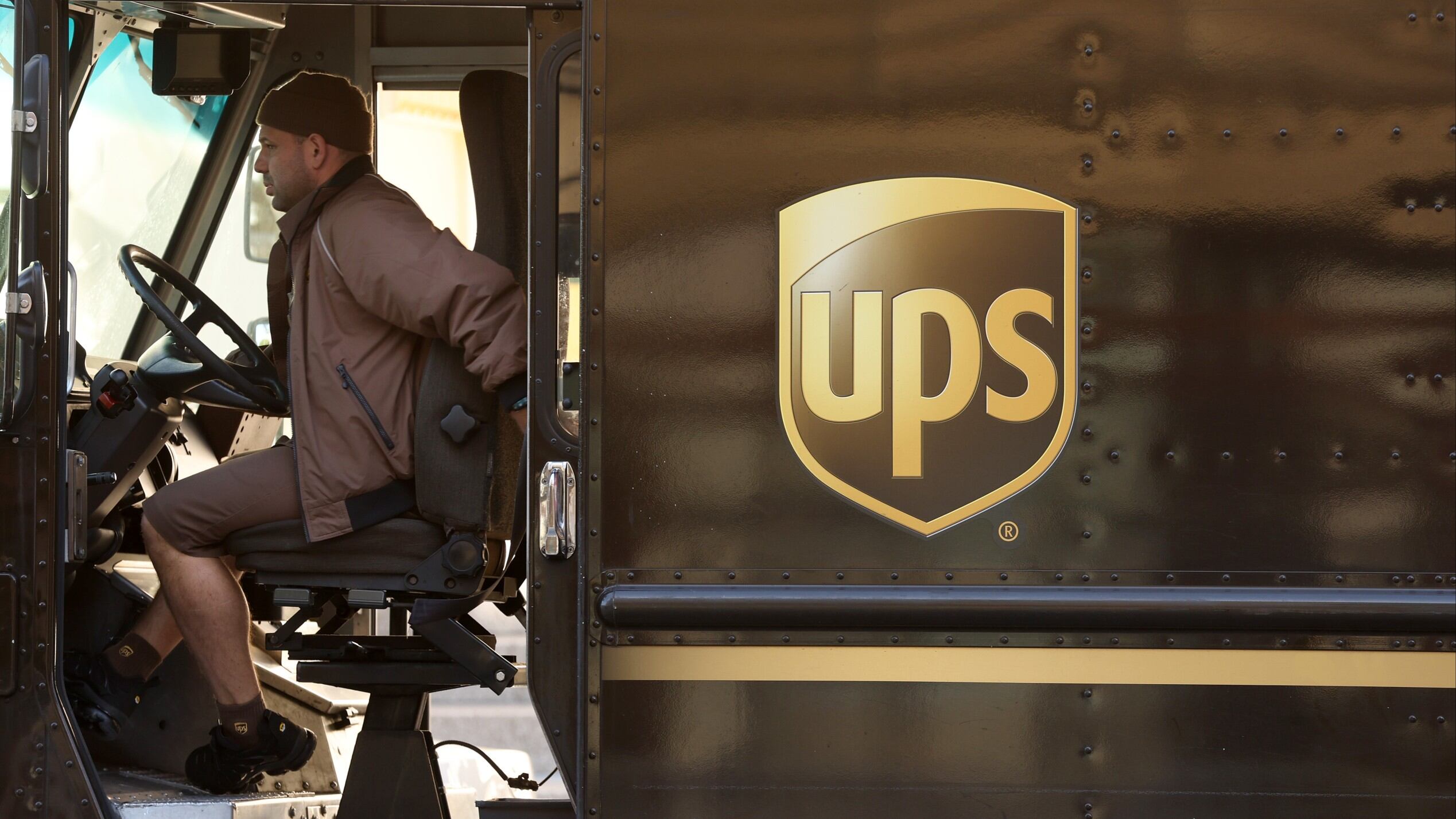
UPS recently announced it would equip delivery trucks with air conditioning. Dr. Douglas Casa, CEO of Korey Stringer Institute at the University of Connecticut, spoke with Cheddar News on the dangers of heat stroke and how workers can keep themselves safe from extreme weather.