Uber Scales Back Self-Driving Unit in Wake of Crash
*By Justin Chermol*
Uber is laying off more than 100 test drivers in its autonomous car division in Pittsburgh and San Francisco, replacing them with 55 highly-trained drivers known as "mission specialists".
It's an attempt by the ride-hailing company to prove it's serious about safety in its self-driving division after a fatal crash in Tempe, Ariz., last March.
But whether real progress has been made is another story.
"There's the public messaging and there is what is actually happening," said Mark Rechtin, Executive Editor at Motor Trend. "Uber is saying all the right things publicly, but the accident in Arizona has really set them back."
Uber initially suspended all testing of its autonomous driving program after a pedestrian was struck and killed on March 18, but restarted some tests earlier this month.
Former self-driving car operators are eligible to apply for the new roles, which must operate cars on both public roads and private tracks and are expected to give technical feedback to developers.
Rechtin is optimistic about the effort, but still raised concerns.
"We need to make sure whatever Uber does is something that is functional."
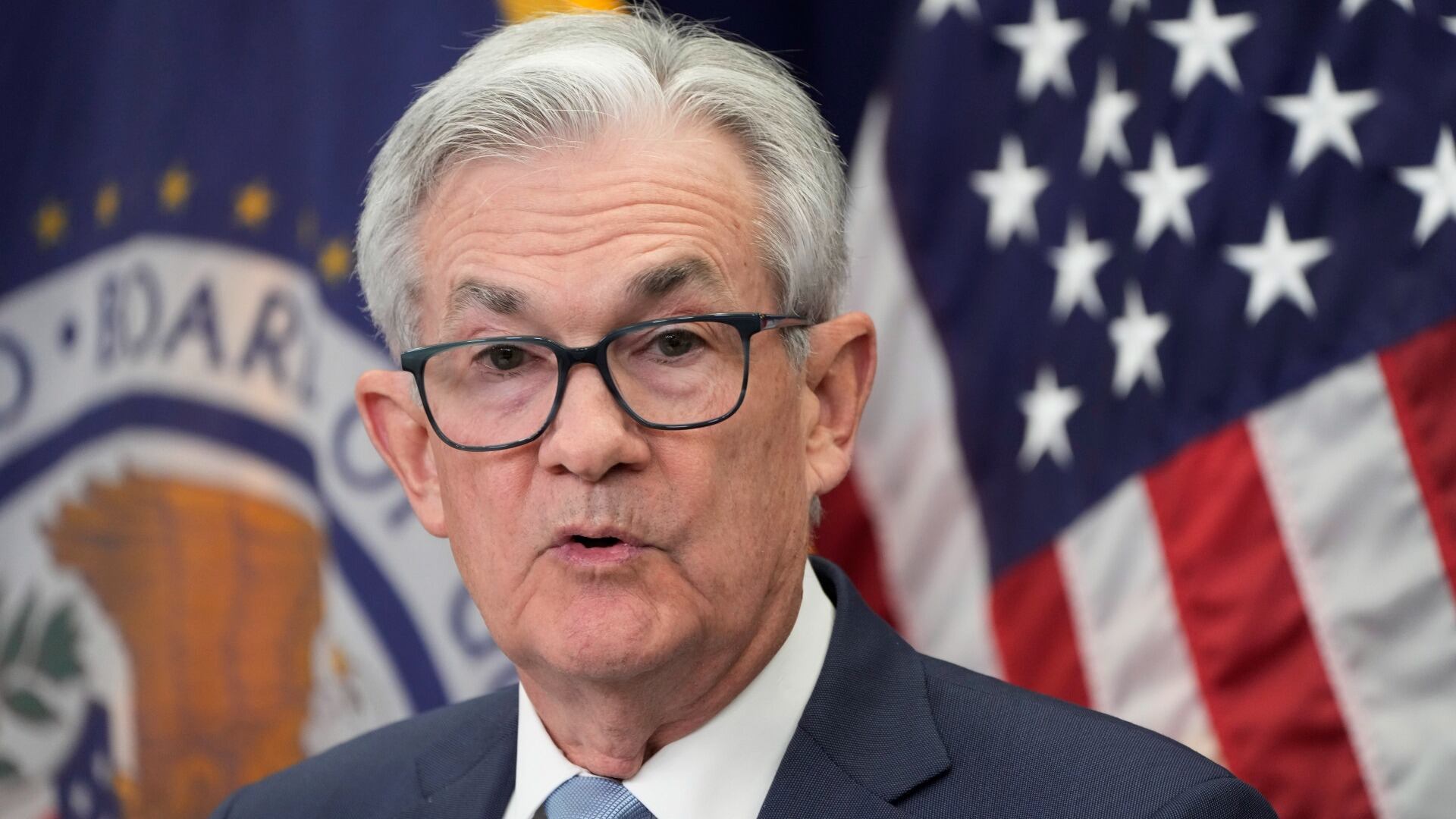
Ed Egilinsky, managing director and head of sales and distribution and alternative with Direxion, joined Cheddar News to discuss how short-term traders are preparing for any forward-looking guidance from the Federal Reserve about any potential rate hikes. Egilinsky also discussed how traders are looking at the overall banking sector for the short-term.
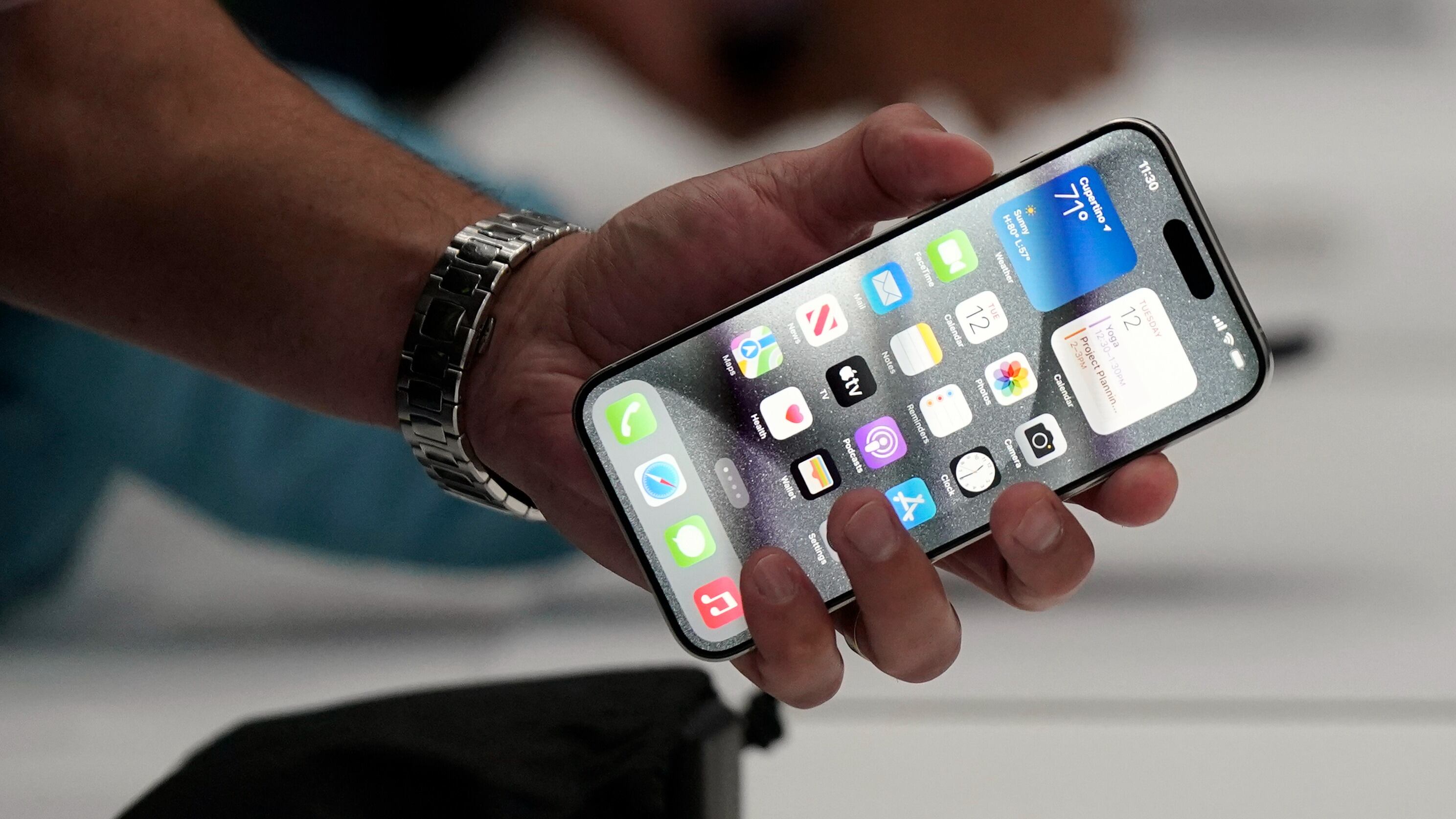
Mark Spoonauer, global editor-in-chief with Tom's Guide, joined Cheddar News to get a sneak peek at some of Apple's new products that are set to be released to the general public, including the iPhone 15 and Apple Watch.
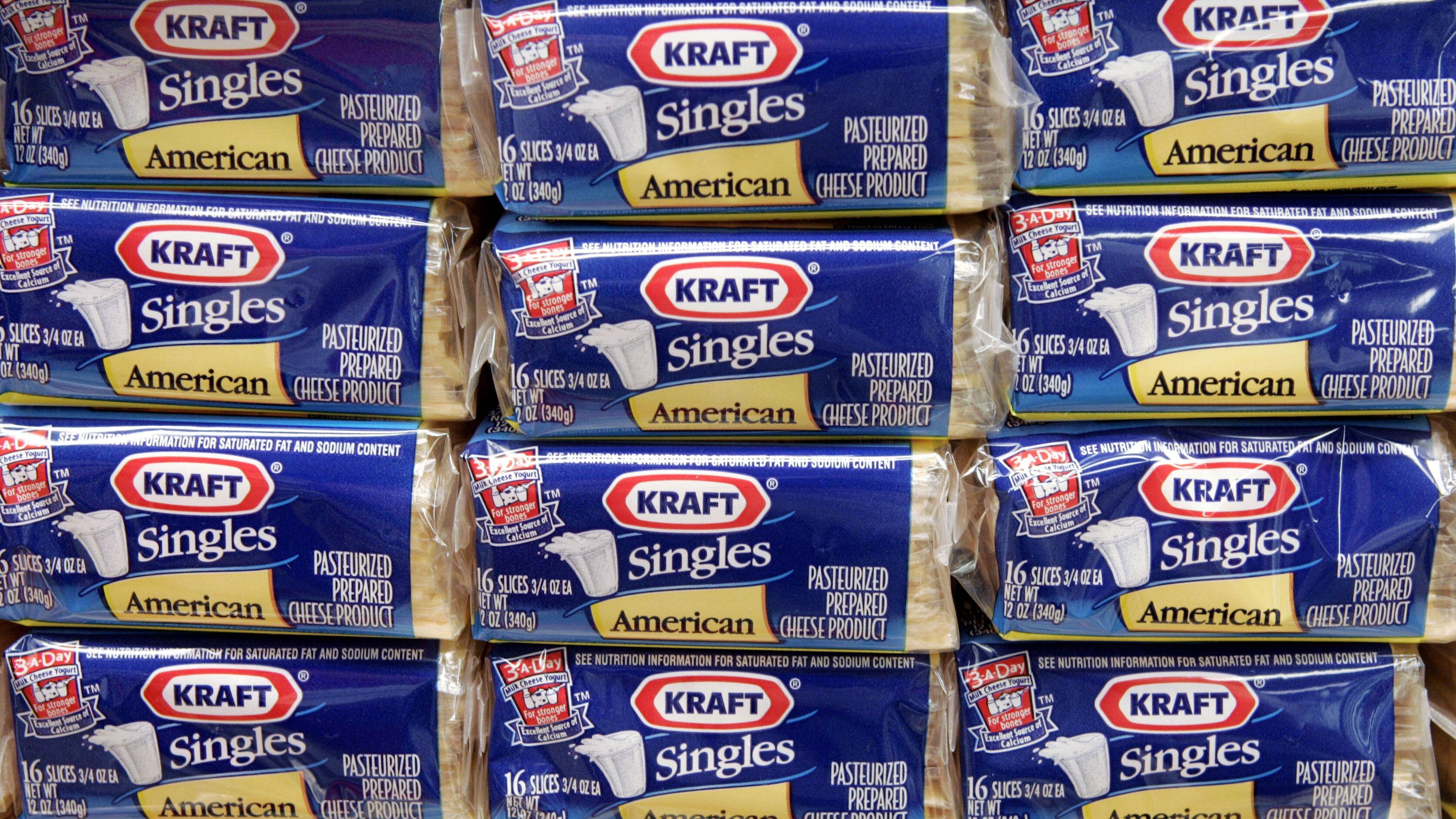
Kraft Heinz said Tuesday it's recalling more than 83,000 cases of individually-wrapped Kraft Singles American processed cheese slices because part of the wrapper could stick to the slice and become a choking hazard.
California regulators on Tuesday ordered one of the country’s oldest bottled water brands to stop using some of the natural springs it has relied on for more than 100 years to market its products throughout the western U.S.