Uber Scales Back Self-Driving Unit in Wake of Crash
*By Justin Chermol*
Uber is laying off more than 100 test drivers in its autonomous car division in Pittsburgh and San Francisco, replacing them with 55 highly-trained drivers known as "mission specialists".
It's an attempt by the ride-hailing company to prove it's serious about safety in its self-driving division after a fatal crash in Tempe, Ariz., last March.
But whether real progress has been made is another story.
"There's the public messaging and there is what is actually happening," said Mark Rechtin, Executive Editor at Motor Trend. "Uber is saying all the right things publicly, but the accident in Arizona has really set them back."
Uber initially suspended all testing of its autonomous driving program after a pedestrian was struck and killed on March 18, but restarted some tests earlier this month.
Former self-driving car operators are eligible to apply for the new roles, which must operate cars on both public roads and private tracks and are expected to give technical feedback to developers.
Rechtin is optimistic about the effort, but still raised concerns.
"We need to make sure whatever Uber does is something that is functional."
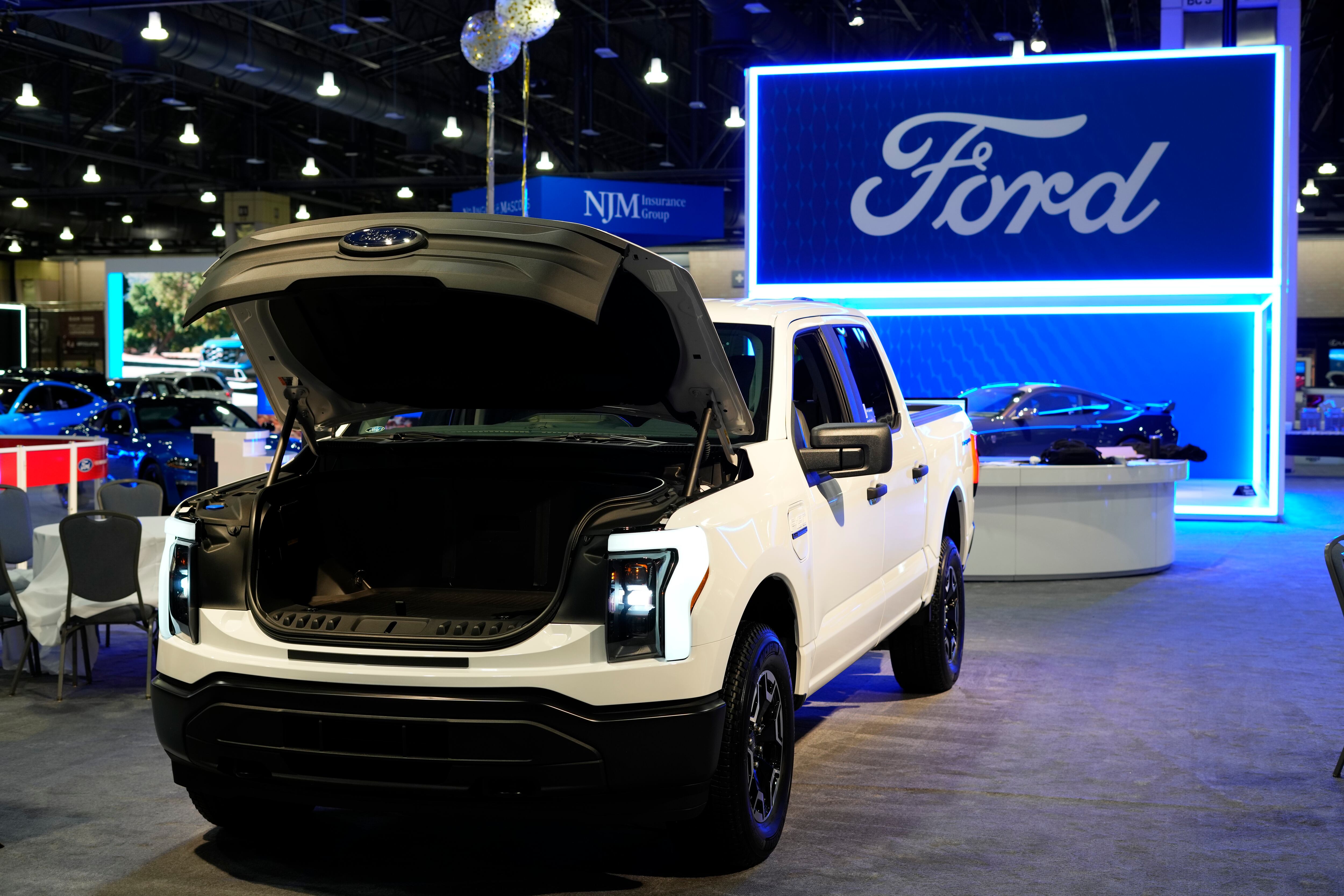
Ford says it’s reducing production of the F-150 Lightning electric pickup vehicle as it adjusts to weaker-than-expected electric vehicle sales growth. The automaker said about 1,400 workers will be impacted by the move.
Walmart Inc. is raising the starting base pay for store managers, while redesigning its bonus plan that will put more of an emphasis on profits for these leaders.
Despite concerns about shipping delays in the Red Sea, RSM Chief Economist Joe Brusuelas says there are still reasons to be optimistic about the state of the U.S. economy.
Dan Ives, Managing Director and Senior Equity Analyst at Wedbush Securities dives deeper into a report by the International Data Corporation (IDC) that Apple has ended Samsung's 12-year reign as the world's largest smartphone seller.
Artificial intelligence is the biggest buzzword at the World Economic Forum’s annual meeting in Davos. Advances in generative AI stunned the world last year, and the elite crowd is angling to take advantage of its promise and minimize its risks.
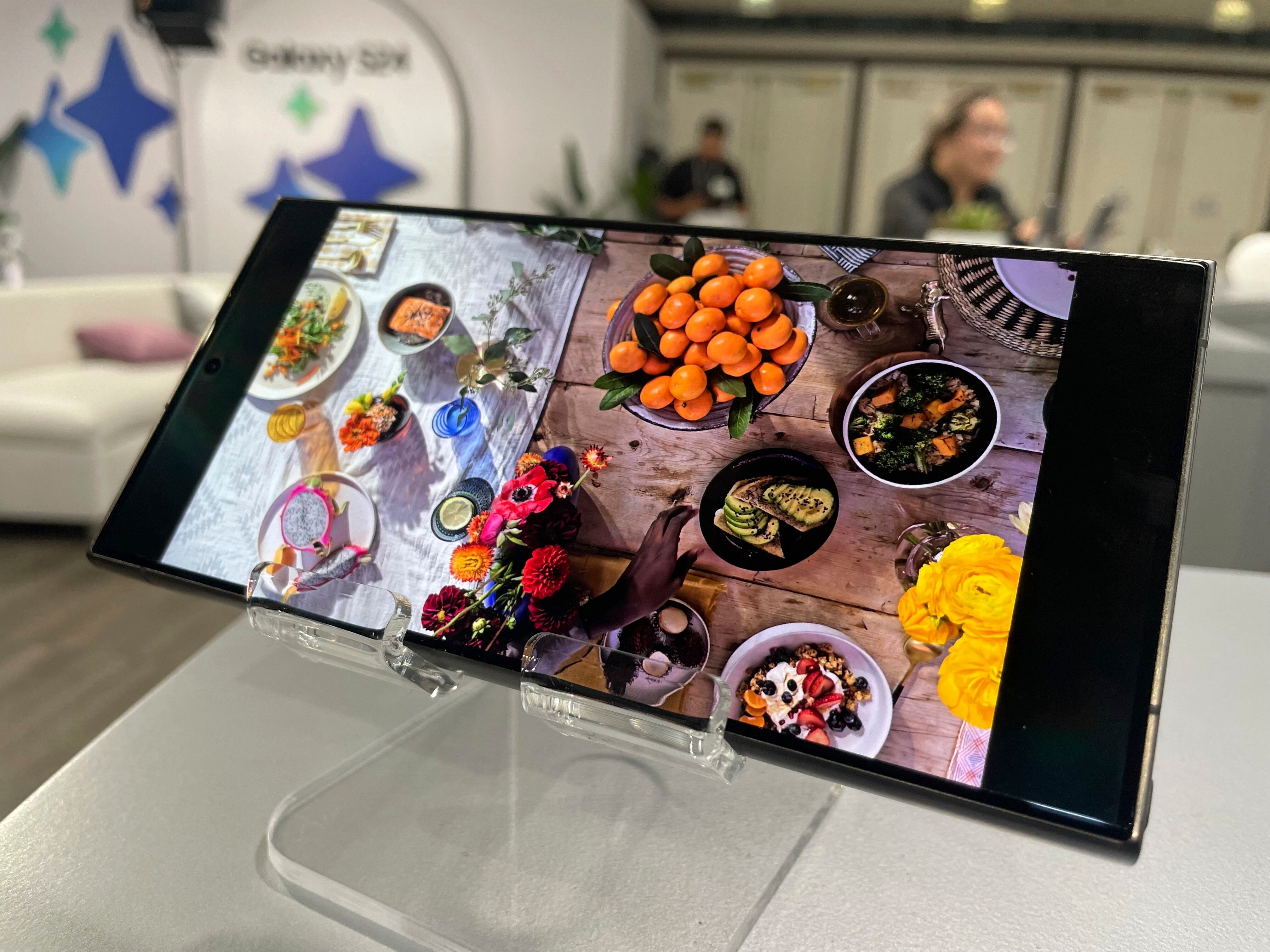
Smartphones could get much smarter this year as the next wave of artificial intelligence seeps into the devices that accompany people almost everywhere they go.
In an annual assessment of global inequalities, Oxfam International said the first trillionaire could emerge within the next decade — as the anti-poverty organization pointed to the growing wealth gap that skyrocketed globally during the pandemic.