Uber Scales Back Self-Driving Unit in Wake of Crash
*By Justin Chermol*
Uber is laying off more than 100 test drivers in its autonomous car division in Pittsburgh and San Francisco, replacing them with 55 highly-trained drivers known as "mission specialists".
It's an attempt by the ride-hailing company to prove it's serious about safety in its self-driving division after a fatal crash in Tempe, Ariz., last March.
But whether real progress has been made is another story.
"There's the public messaging and there is what is actually happening," said Mark Rechtin, Executive Editor at Motor Trend. "Uber is saying all the right things publicly, but the accident in Arizona has really set them back."
Uber initially suspended all testing of its autonomous driving program after a pedestrian was struck and killed on March 18, but restarted some tests earlier this month.
Former self-driving car operators are eligible to apply for the new roles, which must operate cars on both public roads and private tracks and are expected to give technical feedback to developers.
Rechtin is optimistic about the effort, but still raised concerns.
"We need to make sure whatever Uber does is something that is functional."
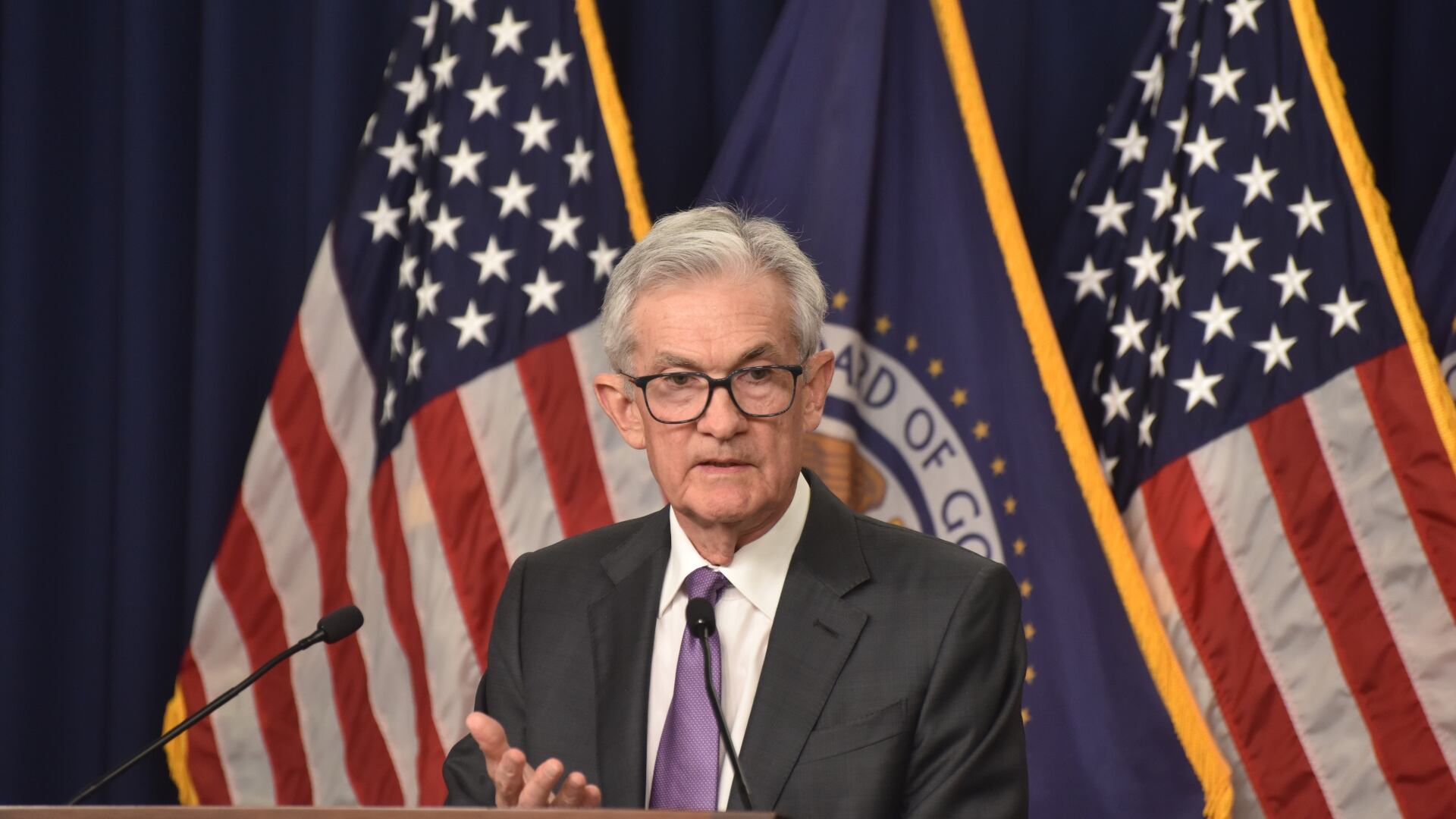
Alexander Reed, CFA and CIO for Envisage Wealth, breaks down why he thinks rates could stay higher for longer and why real estate, utilities, and regional banks are sectors to avoid.
Big brands that have relied on TikTok videos to reach younger consumers do not appear to be panicking as they wait to see what happens. But they have started planning.
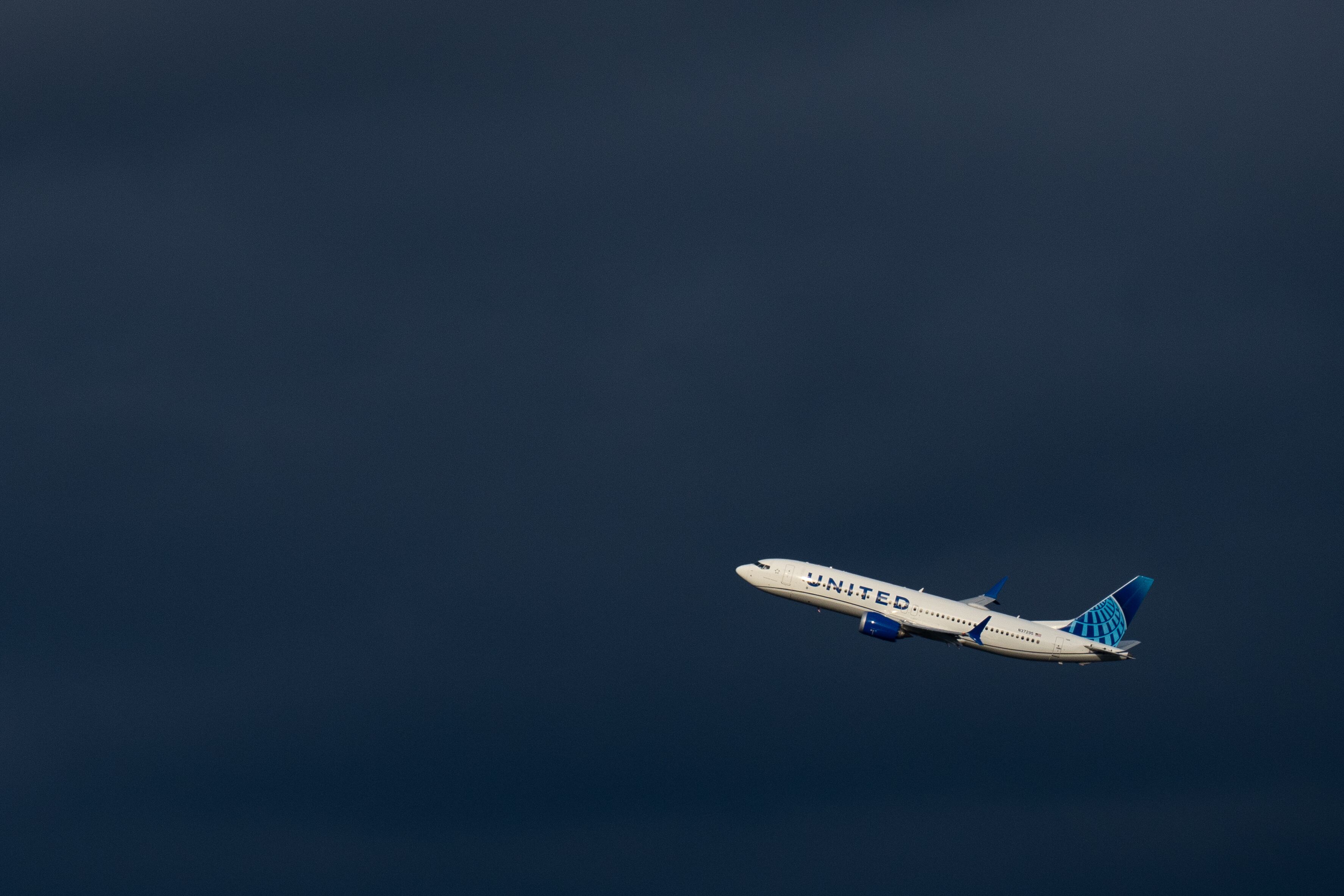
It's been 15 years since the last fatal crash of a U.S. airliner, but you wouldn't know that from a torrent of flight problems that made news in the last three months.
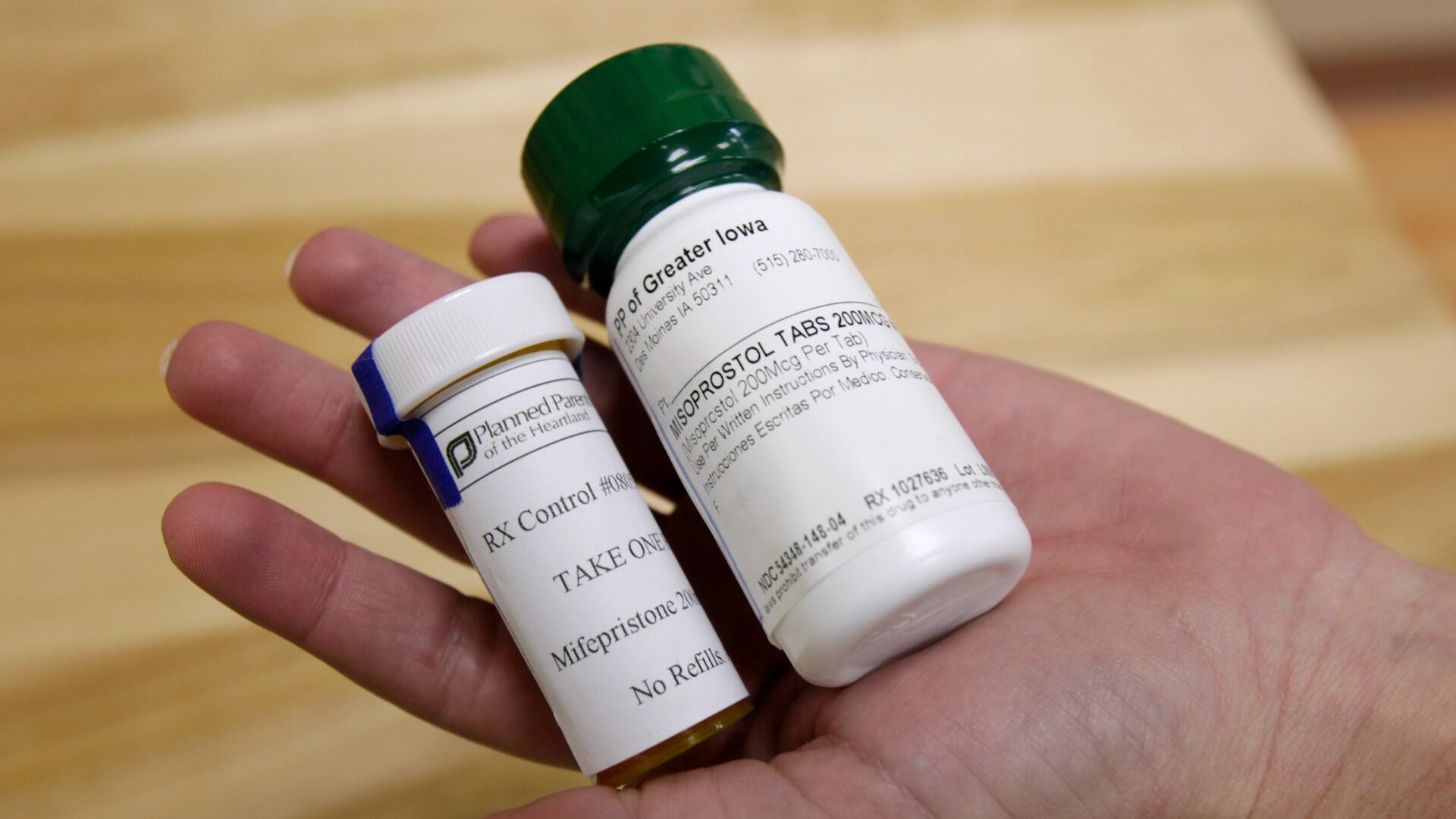
Abortion opponents want the high court to ratify a ruling from a conservative federal appeals court that would limit access to a medication called mifepristone, which was used in nearly two-thirds of abortions last year.
Annie Chechitelli, chief product officer at Turnitin, breaks down how students and teachers alike can learn from artificial intelligence – while still maintaining academic integrity.
Neiman Marcus Group CEO Geoffroy van Raemdonck talks luxury shopping and TikTok, why the company prefers to be private for now, and the benefits of flexible work arrangements.
Rebecca Walser, founder and CEO of Walser Wealth Management, discusses how geopolitical conditions, the bifurcated economy, and other volatility could weigh on markets.