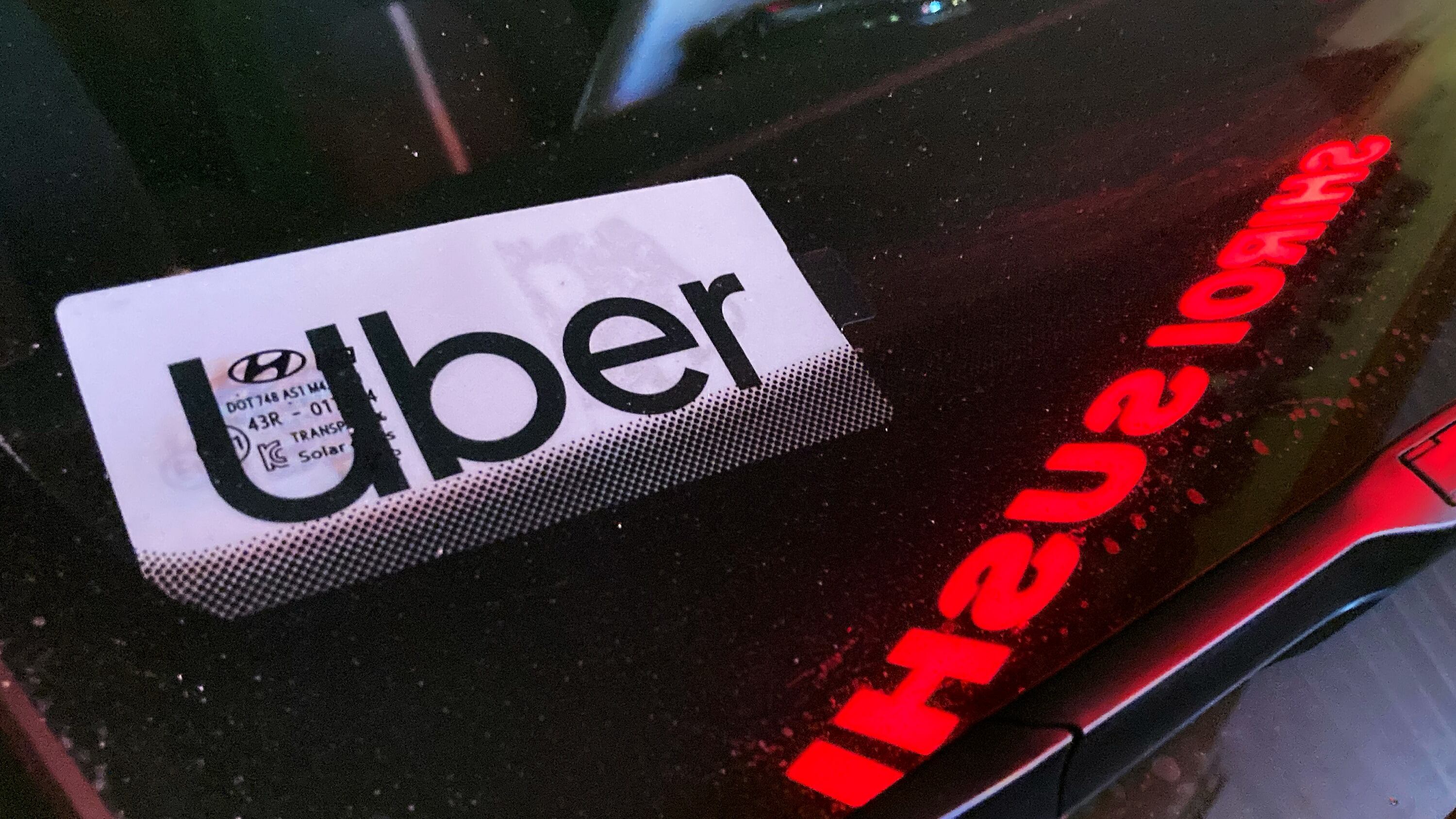
An Uber sign is displayed inside a car in Glenview, Ill., on Dec. 17, 2022. Ride-hailing companies Uber and Lyft will pay a combined $328 million to settle wage theft claims in New York, Attorney General Letitia James announced Thursday. (AP Photo/Nam Y. Huh, File)
Ride-hailing companies Uber and Lyft will pay a combined $328 million to settle wage theft claims in New York, Attorney General Letitia James announced Thursday.
James said the settlements resolve investigations into the companies improperly charging drivers sales taxes and other fees when the costs should have been paid by customers.
Uber will pay $290 million and Lyft will pay $38 million. The money will be distributed to current and former drivers, she said. The companies have also agreed to provide drivers outside of New York City with paid sick leave and give drivers outside of New York City a minimum wage of $26 per hour.
“For years, Uber and Lyft systemically cheated their drivers out of hundreds of millions of dollars in pay and benefits while they worked long hours in challenging conditions," James said in a statement.
Tony West, chief legal officer for Uber, said the agreement “helps put to rest the classification issue in New York and moves us forward with a model that reflects the way people are increasingly choosing to work.”
Lyft's chief policy officer, Jeremy Bird, said in a statement, “This is a win for drivers, and one we are proud to have achieved with the New York Attorney General’s Office.”
Quantum computing is moving from science fiction to national strategy. Infleqtion CEO Matt Kinsella explains Trump's new executive order and what it means.
Americans traveled in record numbers over July 4th despite rising costs. Skift's Sarah Kopit explains what it says about consumers, airfares, and summer travel.
The U.S. economy is being held up in part by the AI boom, but that boom could still lead to broader prosperity or inequality, says a Nobel Prize winner.
Foundation Robotics co-founder Michael LeBlanc explains how humanoid robots are moving from the lab to military and industrial missions and what comes next.
Jeff Burnstein, President of the Association for Advancing Automation (A3), discusses humanoid robots, AI, smart manufacturing, and the future of U.S. industry.
Should kids be banned from social media? Nick Lichtenberg of Fortune breaks down the global push to restrict under-16 users and what it means for Big Tech.
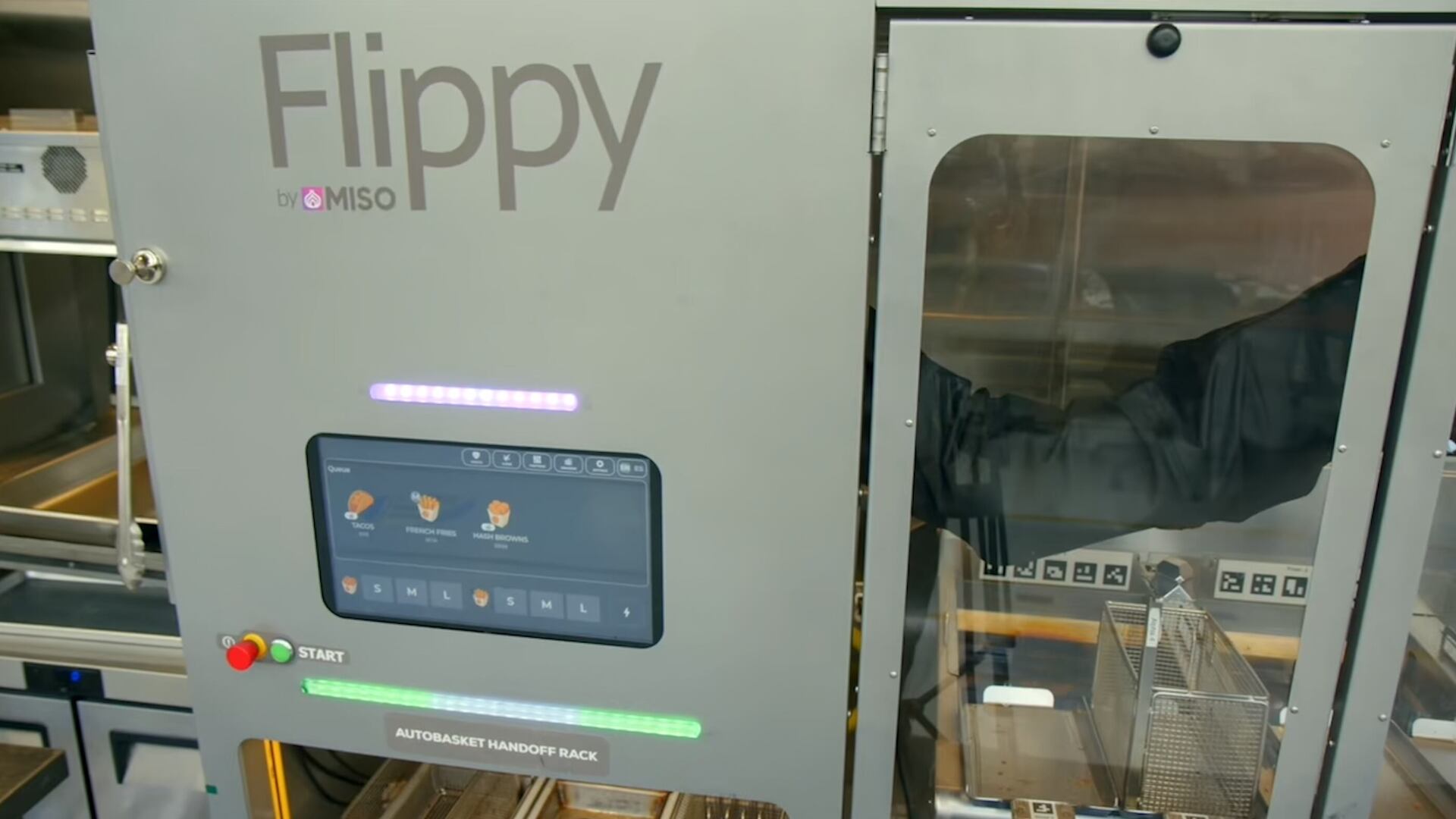
Miso Robotics CEO Rich Hull discusses Flippy Fry Station, the future of AI-powered restaurant automation and how acquiring Zume's IP could reshape food robotics