ALEX VEIGA and DAMIAN J. TROISE AP Business Writers

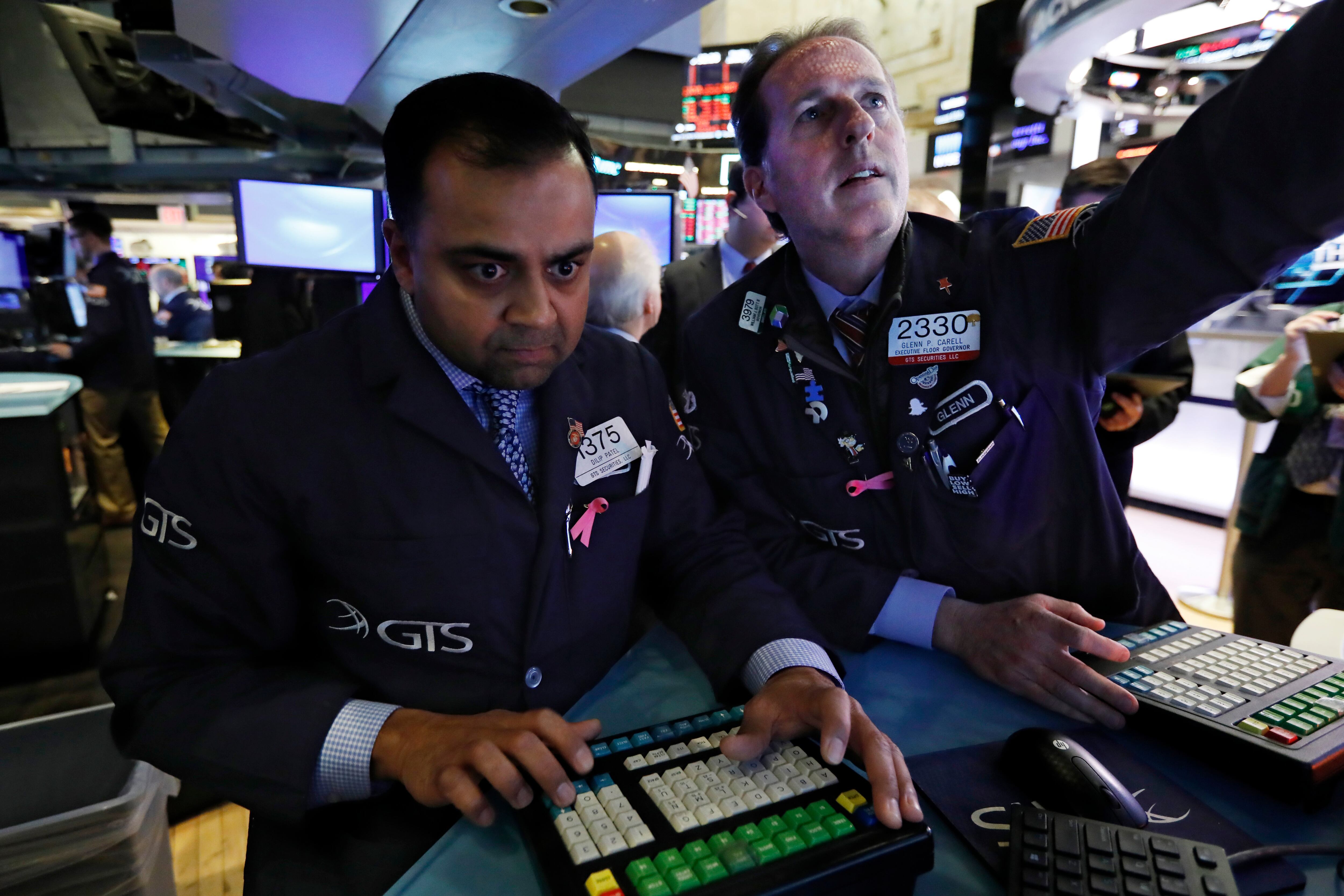
U.S. stocks fell sharply Monday, sending the Dow Jones Industrial Average down by more than 450 points, as investors grappled with fresh worries about the spread of a new virus in China that threatens global economic growth.

The sell-off gave the Dow its first 5-day losing streak since early August and handed the S&P 500 its worst day since early October. Both indexes were off about 1.5%, giving up a significant portion of their gains this month.

The latest bout of selling on Wall Street came after China announced a sharp rise in cases of the virus.

Airlines, resorts and other companies that rely on travel and tourism suffered steep losses. Gold prices rose as did bonds as traders sought refuge in safer holdings. The yield on the 10-year Treasury fell to 1.60%, its lowest level since October. The market's broad slide followed a sell-off in markets in Europe and Japan.

“Over the weekend you saw more cases,” said Quincy Krosby, chief market strategist at Prudential Financial. “That got investors and traders worried that this may be a longer event. The next question is, 'What happens to global growth if this does continue and magnify?'"

The Dow Jones Industrial Average fell 453.93 points, or 1.6%, to 28,535.80. The Dow had been down nearly 550 points. The S&P 500 index dropped 51.84 points, or 1.6%, to 3,243.63. The Nasdaq lost 175.60 points, or 1.9%, to 9,139.31. The Russell 2000 index of smaller company stocks gave up 18.09 points, or 1.1%, to 1,644.14.

Most markets in Asia were closed for the Lunar New Year holiday, but Japan’s Nikkei fell 2.03%, its biggest decline in five months. European markets also slumped. Germany’s DAX and France’s CAC 40 dove 2.7%.

Chinese health authorities have confirmed 2,750 cases of the virus along with 81 related deaths as authorities extended a week-long public holiday by an extra three days as a precaution against having the virus spread still further. The virus has spread to a dozen countries, including the U.S. Besides the threat to people's lives and health, investors are worried about how much damage the virus will do to profits for companies around the world.

Even if they're thousands of miles away from Wuhan, the interconnected global economy means U.S. companies have plenty of customers and suppliers in China. It's the world's second-largest economy, and it accounts for 6% of all revenue for S&P 500 companies over the last 12 months. That's nearly double any other country besides the United States, according to FactSet.

“Markets hate uncertainty, and the coronavirus is the ultimate uncertainty in that no one knows how badly it will impact the global economy,” said Alec Young, managing director of global markets research at FTSE Russell.

Resort operators were among the biggest losers in the S&P 500. Wynn Resorts led all company’s in the index lower with an 8.1% tumble, while Las Vegas Sands dropped 6.7%. The companies get most of their revenue from the Chinese gambling haven of Macao. MGM Resorts fell 3.9%.

American Airlines lost 5.5% and Delta dropped 3.4% as part of a broad slide for airlines because of concerns international travel will decline amid the virus’ spread.

Booking companies and cruise-line operators also got hurt. Expedia Group fell 2.7% and Carnival slid 4.7%.

Chinese companies that trade shares in the U.S. also declined. Search engine operator Baidu fell 2.9% and e-commerce company JD.com dropped 4.8%.

The technology sector, the biggest in the S&P 500, also saw heavy selling. Apple, which relies on China for supplies and sales, fell 2.9%.

Financial stocks also took steep losses. Citigroup dropped 2.2%.

Energy stocks fell broadly as U.S. oil prices fell 1.9% on worries about reduced demand from China. Schlumberger skidded 5.1%.

Utilities, real estate stocks and household goods makers held up better than the rest of the market, though they still finished in the red. The sectors are viewed as less-risky and are not as affected by international issues and developments.

A few companies managed to climb against the sliding markets. Bleach and cleaning products maker Clorox rose 1.1%.

Small biotechnology companies and drug developers made some of the biggest gains. Cleveland BioLabs more than doubled, while NanoViricides and BioCryst also climbed sharply.

"If you look at this right now, investors and traders are looking at pockets of opportunity,” Krosby said. “It's not a question of if, but when they start buying.”

Investors are also dealing with a heavy week of corporate earnings. Apple will report financial results on Tuesday. Pharmaceutical giant Pfizer and Starbucks will also report.

Boeing, McDonald’s, Coca-Cola and Amazon are also among some of the biggest names reporting earnings throughout the week that includes 147 S&P 500 companies.

Benchmark crude oil fell $1.05 to settle at $53.14 a barrel. Brent crude oil, the international standard, dropped $1.37 to close at $59.32 a barrel.

Wholesale gasoline slid 3 cents to $1.48 per gallon. Heating oil declined 5 cents to $1.70 per gallon. Natural gas inched 1 cent higher to $1.90 per 1,000 cubic feet.

Gold rose $5.50 to $1,577.40 per ounce, silver fell 6 cents to $18.06 per ounce and copper slid 9 cents to $2.60 per pound.

The dollar fell to 108.92 Japanese yen from 109.24 yen on Friday. The euro weakened to $1.1020 from $1.1029.
Share:
More In Business
Markets, Treasuries Tick Up Amid Jerome Powell's Re-Nomination to Fed Chair Position
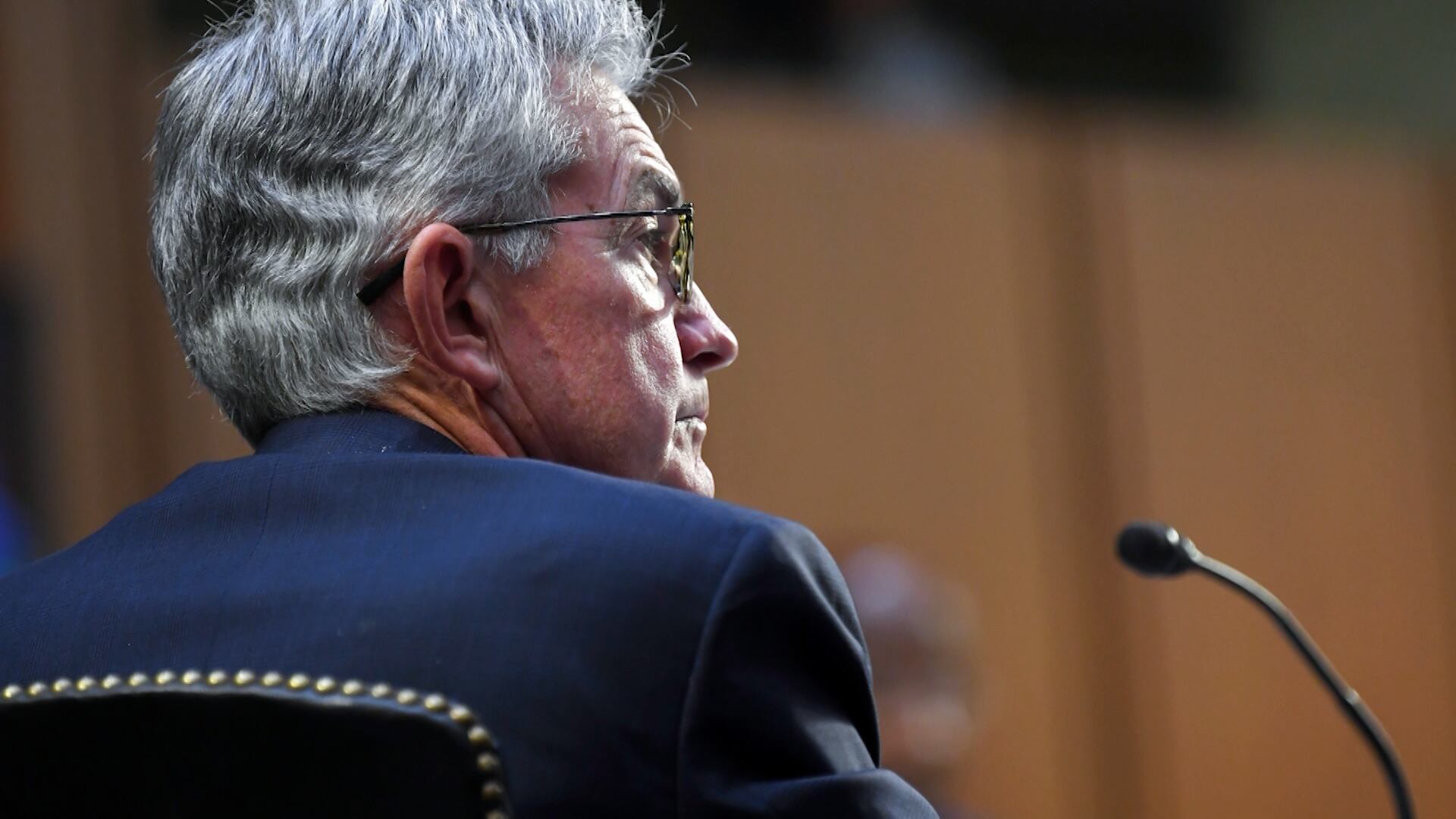
President Joe Biden announced Monday he is re-nominating Federal Reserve Chairman Jerome Powell after weeks of speculation that he would choose Democrat and Fed Governor Lael Brainard to fill the role. Biden could be looking for continuity as the U.S. continues to grapple with COVID-19 and high inflation, and investors could be on the same page: markets and treasuries ticked up after the White House made the announcement. MarketWatch Senior Reporter Greg Robb joins Cheddar News' Closing Bell to discuss Powell's re-nomination, what we can expect from the Fed's December meeting, whether it will speed up its taper timeline, and more.
Biden Choice to Keep Jerome Powell at Fed Was 'Path of Least Resistance'
President Joe Biden named Jerome Powell, initially appointed by President Trump, to keep his seat as the chair of the Federal Reserve on Monday amid the ongoing challenges of the pandemic, inflation, and unemployment. David Beckworth, a former international economist for the Treasury Department and a senior fellow with the Mercatus Center, joined Cheddar to discuss what he sees as the practicality of Biden's decision. "What Powell brings to the table is he's built up political capital with Republicans and Democrats," he said. "It's easy for him to get the job done. I think in one way he was the path of least resistance for the president."
Supply Chain Issues and Regulatory Cost Blamed for Surging Housing Costs
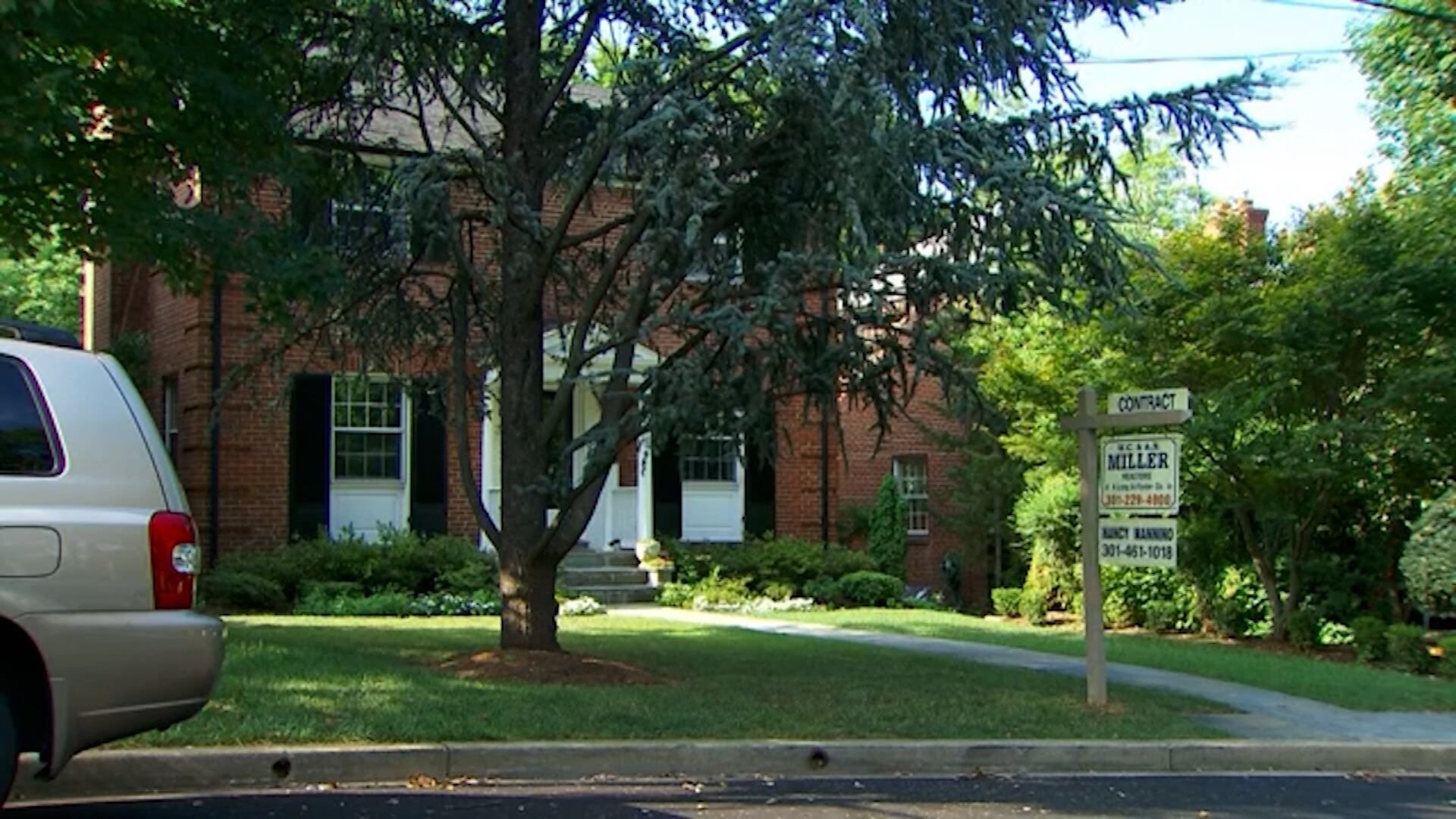
As housing prices continues to rise, Tim Rood, managing director at the real estate finance solutions company SitusAMC, joined Cheddar's "Closing Bell" to talk about what is driving up the costs, attributing it to supply chain constraints and regulatory expenses. Rood stated that the federal government's response to the 2008 financial crisis has added to the growing price tags. "The government came down super hard on banks and independent mortgage companies because of the defaults," he said.
How COVID, Conflict & Climate Change Adds to Food Insecurity Ahead of Thanksgiving
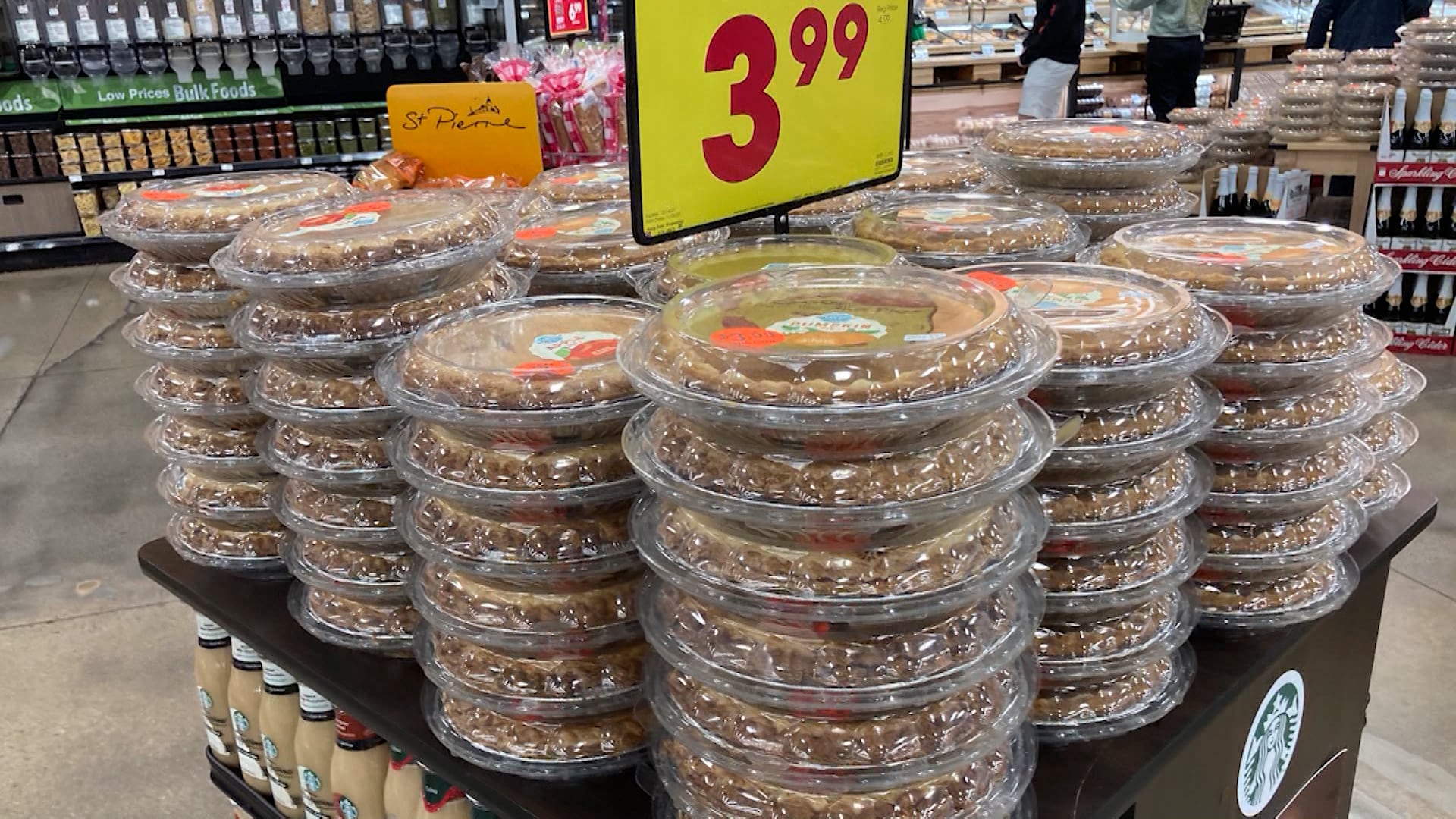
Colleen Kelly, CEO of Concern Worldwide US, joined Cheddar to discuss food insecurity concerns as the cost of this year's Thanksgiving dinner has surged amid record inflation. Kelly also talked about the ongoing issues derailing global supply chains and raising food prices, which undercuts efforts to tackle food insecurity in the United States and around the world. "Everything that hits the U.S. hits countries that are in extreme poverty even harder, and as you can imagine there were three major things affecting this in the last year: climate change, COVID, and conflict," she said.
Papa Johns CEO on the Pizza Chain's Rebrand — Including No More Menu Boards
Papa Johns has a new look for its logo, graphics, and storefronts. CEO Rob Lynch joined Cheddar's "Closing Bell" to talk about the timing of the rebrand following its ongoing success through the pandemic. Patrons entering revamped locations will notice a lack of menu boards thanks to customer smartphone use and glass panels to allow customers to watch pizzas being made by hand. "Everyone has a menu board in their pocket in the form of their phone," Lynch said. "Eighty percent of our business is ordered digitally, whether it's web-based or our fastest-growing channel being app-based."
Elizabeth Holmes to Resume Theranos Testimony
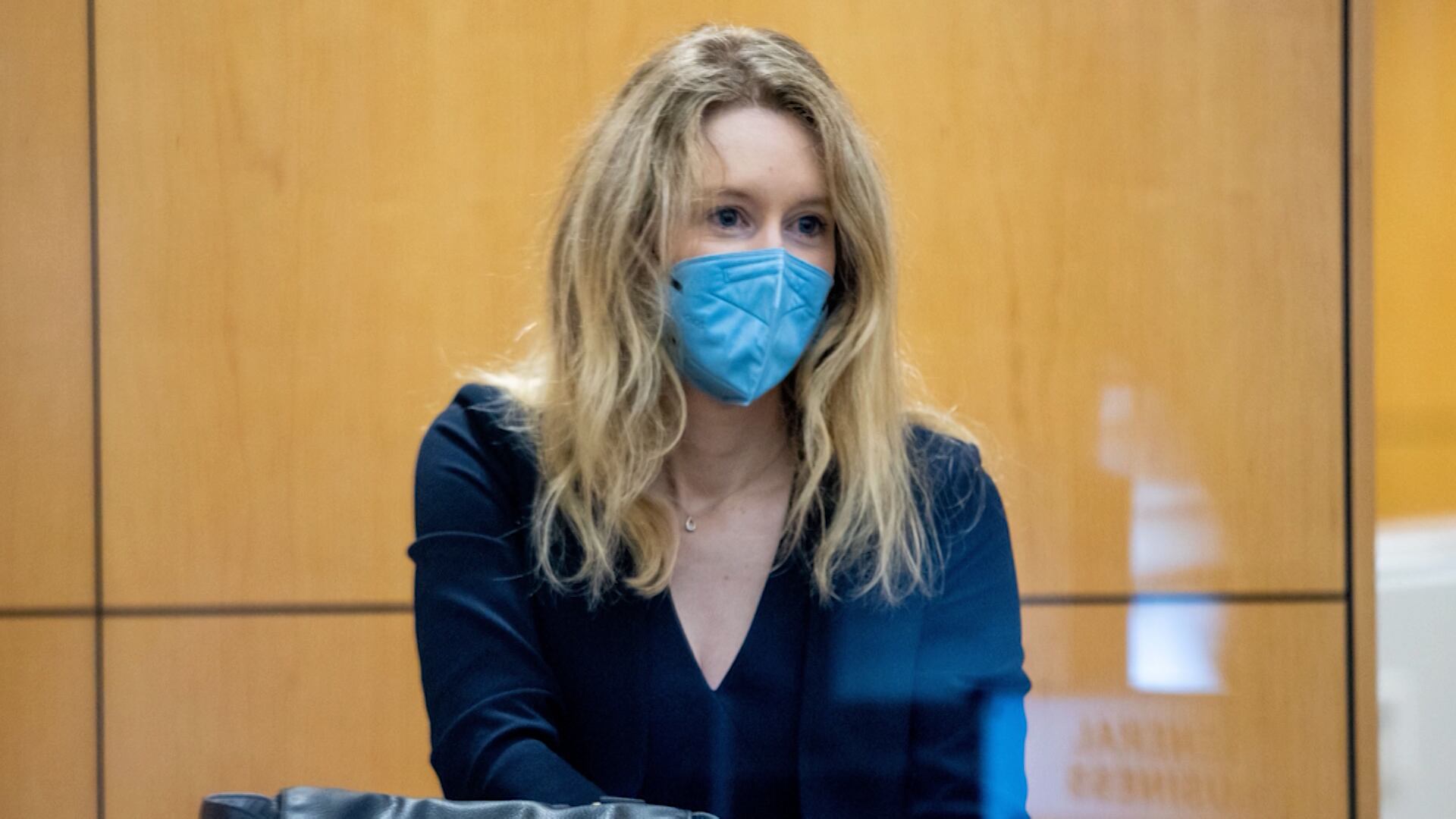
In a surprise turn of events, Elizabeth Holmes took the stand in her own defense on Friday and is expected to continue her testimony later today. Holmes, who founded a blood testing start-up Theranos back in 2003, faces 11 counts of wire fraud as well as conspiracy to commit wire fraud. Aron Solomon, Chief Legal Analyst, Esquire Digital joined Cheddar's Opening Bell to discuss.
Jerry Rice and Jaqui Rice Gold on What Makes G.O.A.T. Fuel Energy Drink Unique, Lakers Sponsorship
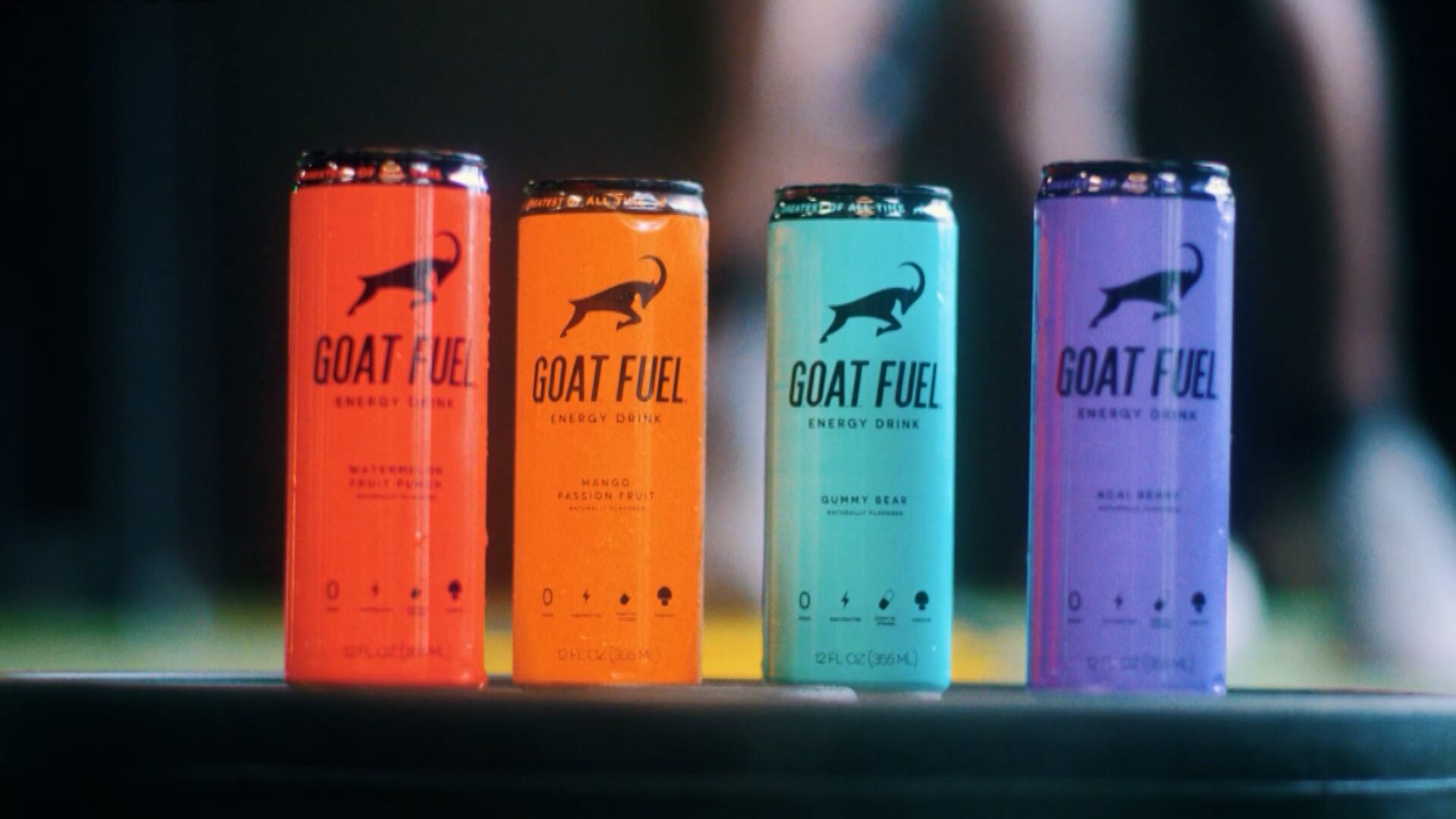
NFL Hall of Famer Jerry Rice and his daughter/business partner Jaqui Rice Gold joined Cheddar's "Between Bells" to talk about their energy drink G.O.A.T. Fuel. The pair talked about launching the brand during the height of the pandemic and what makes it different from competing brands. "The thing that separates us from the other energy drinks is we have cordyceps mushrooms in the drink," he said. "You're not going to have the jitters or anything like that." The duo also discussed the Los Angeles Lakers making it the official energy drink of its organization and what that means for the growth of the brand.
Google and T-Pain Promote Black Owned Friday in Shoppable Film for the Holidays
Rapper and singer T-Pain is teaming up with Google this holiday season to encourage shoppers to support Black-owned businesses on Black Friday. Stephanie Horton, the director of marketing for Google Shopping, joined Cheddar to provide some details about T-Pain's new song, featuring Normani, in a new shoppable interactive film for the promotion. She also explained how Google worked with local artists in various states to create shoppable murals, where products seen in the artwork are discoverable online by simply pointing your camera at it.
Bobby Kotick Considers Leaving Activision Blizzard if He Can't Quickly Fix Culture: Report
Caleb Silver, the Editor-in-Chief for Investopedia, joined Wake Up With Cheddar to break down the latest in the Activision Blizzard sexual misconduct scandal. After 1,700 of the embattled video game maker's employees signed a petition demanding CEO Bobby Kotick step down, Kotick reportedly said he would step down if he can't turn the toxic workplace culture around quickly. Silver noted that the allegations go back years with settlements and lawsuits that indicate Kotick would have to be claiming ignorance of his own business or deliberately obfuscating his knowledge of what happened under his watch.
Load More