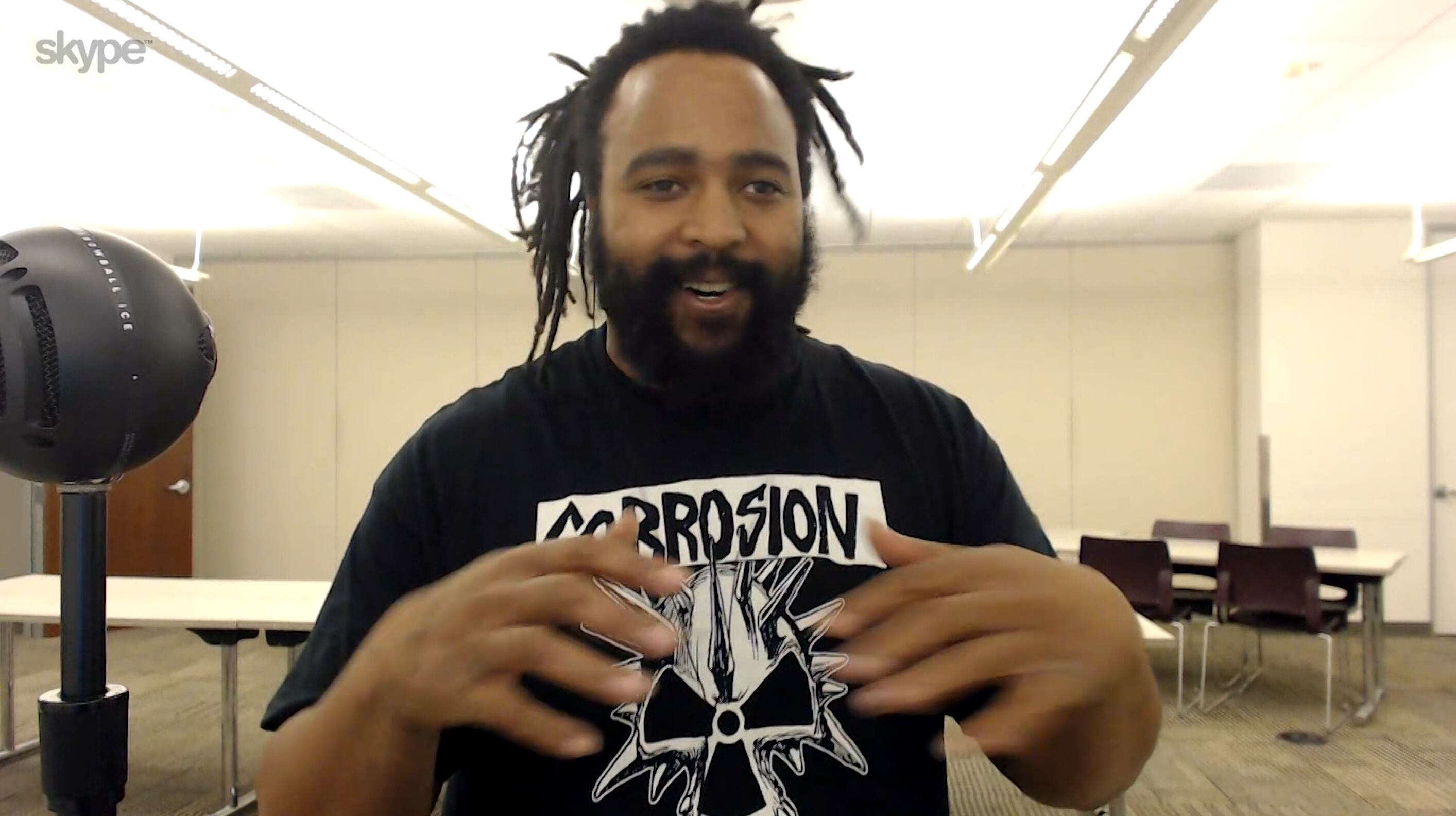
*By Christian Smith* Young American soccer fans feeling left out of the World Cup excitement this year have a new ambition, as FIFA voted Wednesday to hold the 2026 tournament in the United States, Mexico, and Canada. "Now the 12-year-old to the 25-year-old has the opportunity to know that if they play at the highest level and make their National Team, they'll have an opportunity to actually play in a World Cup on their home soil," the former U.S. forward and three-time World Cup veteran Brian McBride said in an interview with Cheddar. "There's no better experience than walking out on that field with your badge, the crest on you, and know you're representing your country." The prospect of contending for soccer's quadrennial championship on home soil in eight years provides some consolation for missing out on the 2018 tournament in Russia, and it may signal the start of U.S. Soccer's international comeback. The last time the World Cup was played in the United States, in 1994, it catapulted the national team's success and the popularity of the sport. The success of that tournament helped launch Major League Soccer, the country's professional soccer league. The opportunity to host another World Cup, this time with neighbors Mexico and Canada, represents a rare chance for U.S. Soccer to grow the sport for the second time in a generation. "I think the real key day in all of this is the day after the 2026 World Cup, what does our industry look like," said Dan Flynn, CEO of the U.S. Soccer Federation. He added that the World Cup creates new revenue opportunities for all three federations, and that money can be invested in developing better, more competitive players. American soccer isn't the only thing growing. The 2026 World Cup will be the first to feature 48 teams, up from 32. They will play a total of 80 games, with 60 of them scheduled for the United States. As part of their bid, the three North American nations pledged the tournament would generate $11 billion in revenue. The three federations could make as much as $50 million each, based on estimates. Diplomatic disputes ー including President Trump' executive order barring most visitors from several Muslim-majority countries ー raised concerns among some countries about the North American bid, but Flynn said it was never a real issue. "People want to talk about that and bring it into play, but the reality was this was about our sport," Flynn said. "I think it's a really good example of where our sport is really a sport that can bring people together." For the full interview, [click here](https://cheddar.com/videos/u-s-wins-joint-bid-to-host-world-cup-in-2026).