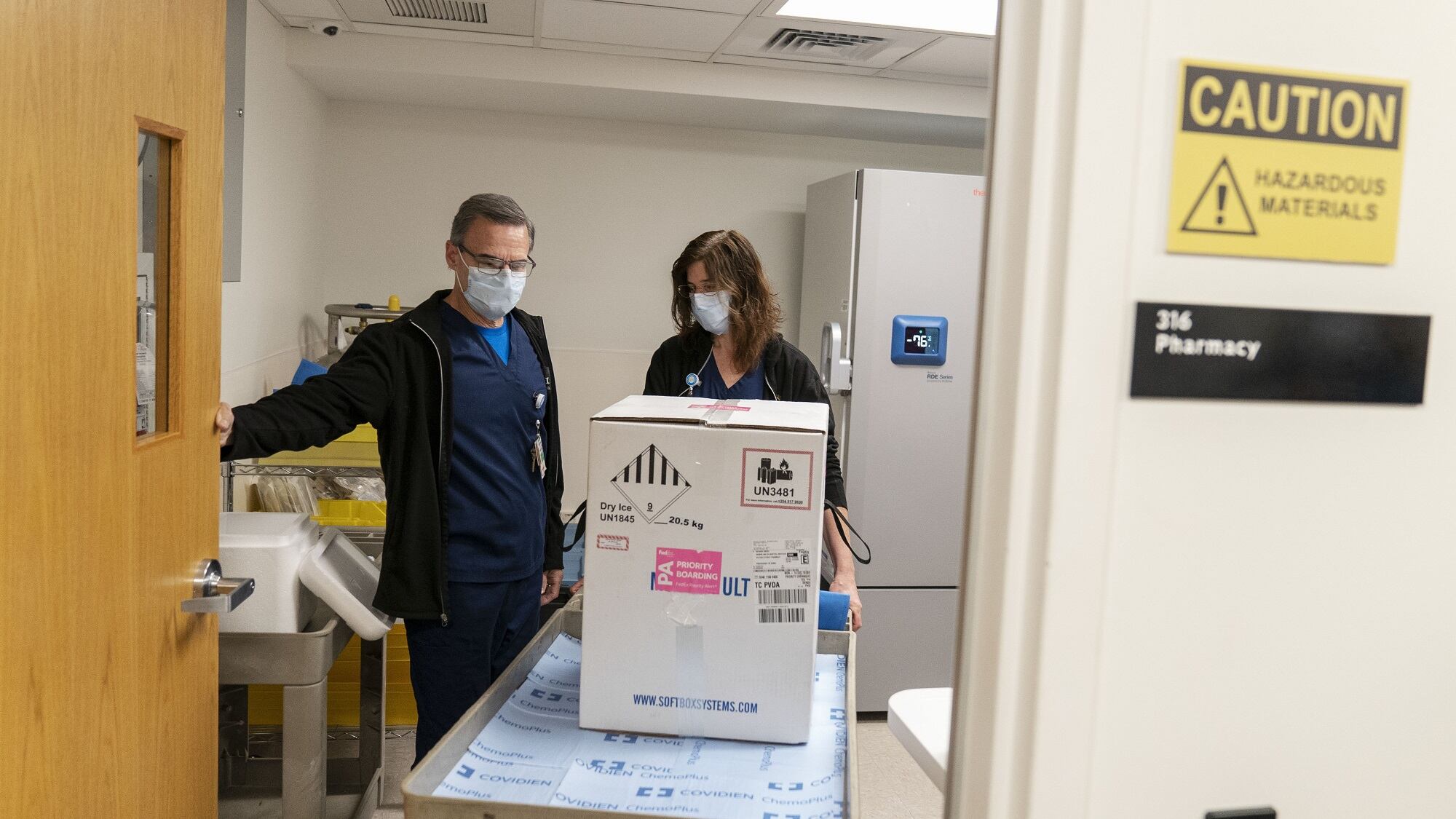
Pharmacists Richard Emery, left, and Karen Nolan, wheel a box containing the Pfizer-BioNTech COVID-19 vaccine next to a storage freezer as it arrives at Rhode Island Hospital in Providence, R.I, Monday, Dec. 14, 2020. (AP Photo/David Goldman)
By Lauran Neergaard
Hospital workers begin unloading precious frozen vials of COVID-19 vaccine Monday, with the first vaccinations against a scourge that has killed nearly 300,000 Americans expected later in the day.
“It feels like the cavalry is arriving,” Robert C. Garrett, CEO of Hackensack Meridian Health, said as New Jersey’s largest health network awaited delivery.
Shots made by Pfizer Inc. and its German partner BioNTech are the first authorized for emergency use by the Food and Drug Administration -- beginning what will become the largest vaccination campaign in U.S. history. Several other countries also have OK'd the vaccine, including the U.K., which started vaccinating last week.
For health care workers who, along with nursing home residents, will be first in line for vaccination, hope is tempered by grief and the sheer exhaustion of months spent battling a coronavirus that still is surging in the U.S. and around the world.
“This is mile 24 of a marathon. People are fatigued. But we also recognize that this end is in sight,” said Dr. Chris Dale of Swedish Health Services in Seattle.
Packed in dry ice to stay at ultra-frozen temperatures, the first of nearly 3 million doses being shipped in staggered batches this week made their way by truck and by plane around the country Sunday from Pfizer’s Kalamazoo, Michigan, factory. Once they arrive at distribution centers, each state directs where the doses go next.
Some hospitals across the country spent the weekend tracking their packages, refreshing FedEx and UPS websites for clues.
More of the Pfizer-BioNTech vaccine will arrive each week. And later this week, the FDA will decide whether to green light the world’s second rigorously studied COVID-19 vaccine, made by Moderna Inc.
Now the hurdle is to rapidly get vaccine into the arms of millions, not just doctors and nurses but other at-risk health workers such as janitors and food handlers — and then deliver a second dose three weeks later.
“We’re also in the middle of a surge, and it’s the holidays, and our health care workers have been working at an extraordinary pace,” said Sue Mashni, chief pharmacy officer at Mount Sinai Health System in New York City.
Plus, the shots can cause temporary fever, fatigue and aches as they rev up people's immune systems, forcing hospitals to stagger employee vaccinations.
A wary public will be watching closely to see whether health workers embrace vaccination. Just half of Americans say they want to get vaccinated, while about a quarter don’t and the rest are unsure, according to a recent poll by The Associated Press-NORC Center for Public Health Research.
The FDA, considered the world’s most strict medical regulator, said the Pfizer-BioNTech vaccine appears safe and strongly protective -- and laid out the data behind it in a daylong public meeting last week for scientists and consumers alike to see.
“Please people, when you look back in a year and you say to yourself, ‘Did I do the right thing?’ I hope you’ll be able to say, ‘Yes, because I looked at the evidence,’” Dr. Francis Collins, director of the National Institutes of Health, said Sunday on NBC’s Meet the Press. “People are dying right now. How could you possibly say, ‘Let’s wait and see.’”
Still, emergency use means the vaccine was cleared for widespread use before a final study in nearly 44,000 people is complete -- and that research is continuing to try to answer additional questions. While effective against COVID-19 illness, it’s not yet clear if vaccination will stop the symptomless spread that accounts for half of all cases.
The shots still must be studied in children, and during pregnancy. But the American College of Obstetricians and Gynecologists said late Sunday that vaccination should not be withheld from pregnant women who otherwise would qualify.
While the vaccine was determined to be safe, regulators in the U.K. are investigating several severe allergic reactions. The FDA’s instructions tell providers not to give it to those with a known history of severe allergic reactions to any of its ingredients.
AP journalists Tamara Lush and Kathy Young contributed to this report.
The Associated Press Health and Science Department receives support from the Howard Hughes Medical Institute’s Department of Science Education. The AP is solely responsible for all content.
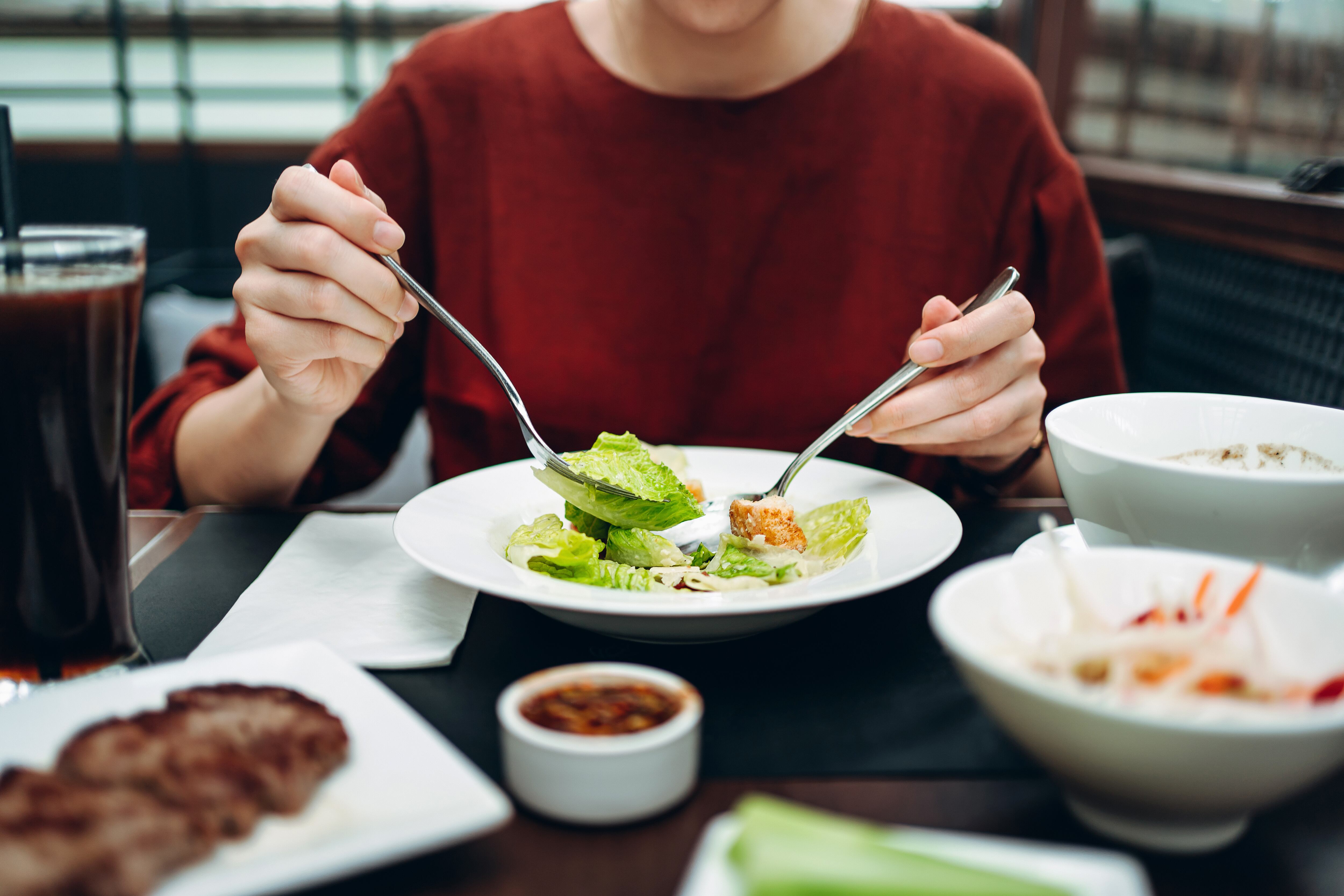
Ellen Fitzsimmons-Craft, assistant professor of psychiatry at Washington University School of Medicine, joins Cheddar News to discuss how chatbots can help prevent eating disorders and the research that uncovered these findings.
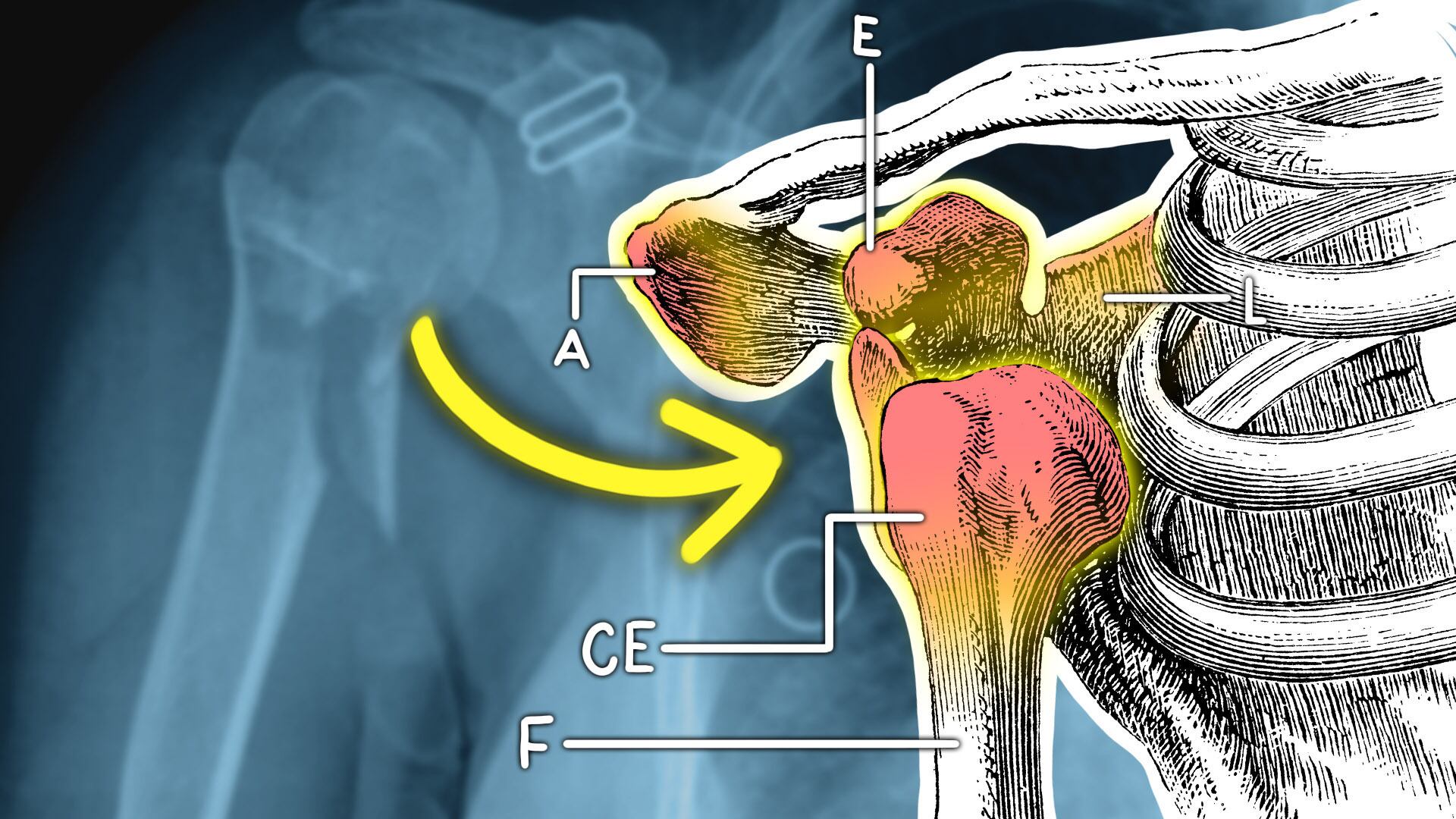
Shoulder injuries are one of the most common orthopedic injuries – and they're also one of the most commonly ignored. But chimpanzees, with whom we share nearly 99% of our DNA, don’t encounter the same issues we do. So why are human shoulders such a design disaster? Well, we can trace the answer back to a very particular moment in our evolution.
As the Omicron variant continues to sweep across the country. The US Supreme Court is expected to hear arguments at the end of this week on whether or not the Biden administration can force private companies to vaccinate or test millions of their employees. In addition, the National Nurses United has spearheaded legal action to protect nurses and health care workers, patients, and the public while on the job. President of the National Nurses Union, Zenei Cortez, joined Cheddar to discuss more.
Digital medical care provider Pear Therapeutics rang the closing bell on the Nasdaq Friday and President and CEO Dr. Corey McCann, joined Cheddar to talk about how the company plans to grow the business of software-based therapeutics and how the first FDA authorized prescription digital therapeutics company will go about treating illnesses like insomnia and addiction. "These really are pieces of software. In many cases, they're apps and in the cases of our addiction products, these are based on something called cognitive behavioral therapy or CBT," he said. "These products change the patient's brain circuitry to help them be abstinent, to help them stay in treatment, and that's exactly what we see in randomized clinical trials and that's what we see in the real world." He also addressed the ongoing mental health crises brought on by the pandemic. **copy updated to remove IPO information as Pear Therapeutics went public in December**
Jake Carbone, senior data analyst at InfluenceMap joins Cheddar News to talk about a new report by The Guardian and InfluenceMap that reveals how companies are creating fossil fuel ads designed to look like Google search results.
Satellite launch service Virgin Orbit has gone public on the Nasdaq via a SPAC merger with NextGen Acquisitions with a valuation of about $3.2 billion. CEO Dan Hart joined Cheddar's "Between Bells" from in front of his LauncherOne rocket in New York City's Times Square to talk about what's next after the IPO, an upcoming "Above the Clouds" mission to deliver commercial and national security payloads, and the benefits of their rockets being launched from commercial 747 aircraft. "We can launch anywhere in the world," he said. "There are almost 80 space agencies across the world, for instance, and about 10 of them have space launch. We can give them a space flight capability overnight by taking a runway and turning it into a spaceport."
The year 2021 saw numerous natural disasters around the world, including extreme heat and wildfires, rare deep freezes, and historic flooding. This year's United Nations COP26 conference was key for getting world leaders on board with emissions reductions and other climate-focused policies as the UN Secretary-General said the agency's report on global warming is a 'code red for humanity.' In the U.S., President Joe Biden has focused most of his domestic agenda on slashing emissions and building climate-focused infrastructure. Guests from The Economist, UNC-Chapel Hill, Global Rescue, and more join Cheddar Climate's year-end special to discuss how the climate changed in 2021, and what to expect in 2022.
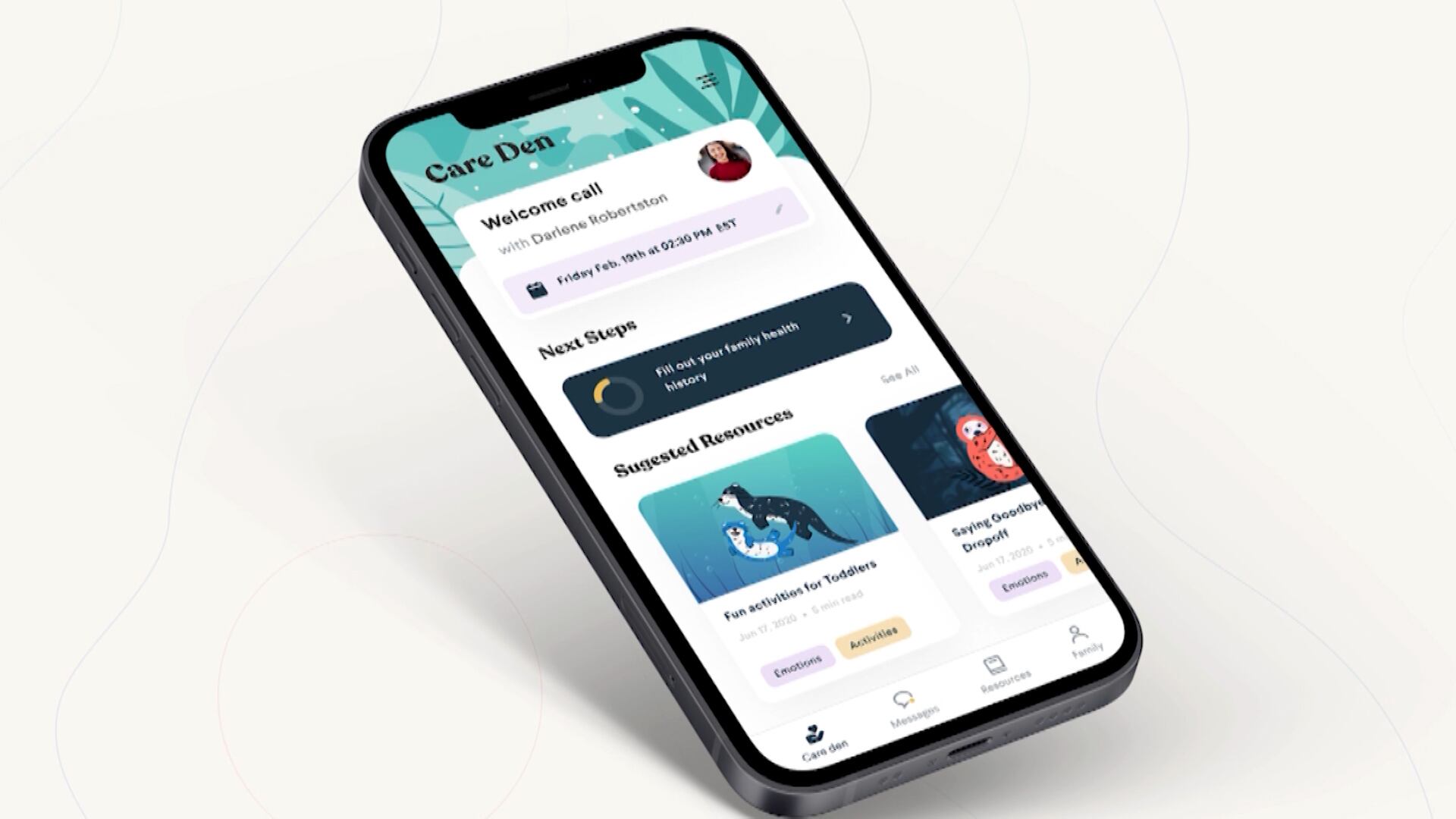
Digital mental health company Little Otter recently announced it closed a $22 million Series A round. Little Otter was founded in 2020 by a mother-daughter team, which based the company on the idea that a child's mental health can only be addressed by treating the whole family through technology available to everyone. Little Otter CEO and co-founder Rebecca Egger and her mother, Little Otter Chief Medical and Scientific Officer and co-founder Dr. Helen Egger joined Cheddar News' Closing Bell to discuss.
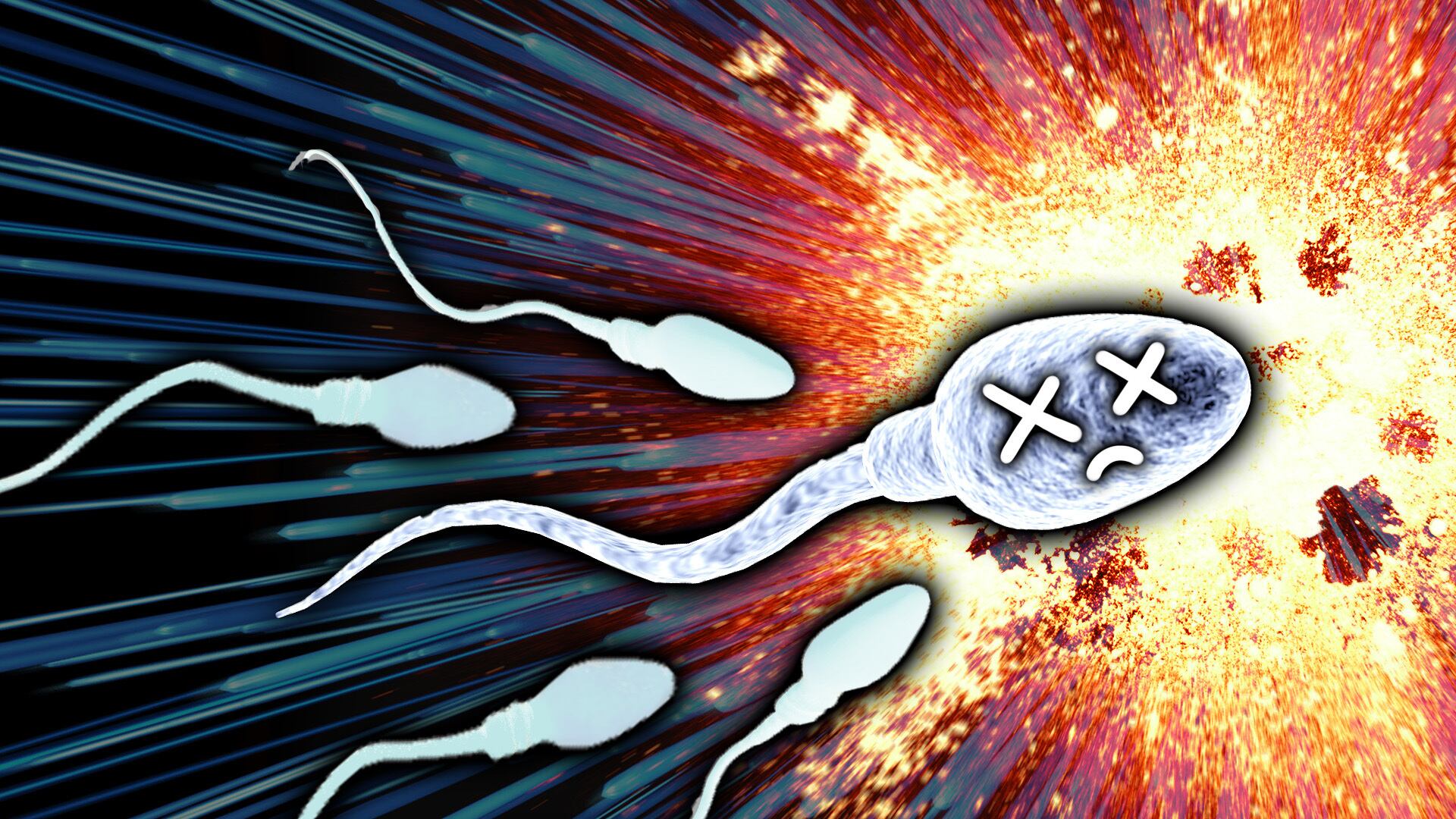
Among all the other events of the last few years, you may have missed this one: Spermageddon. This is the fun name for the idea that sperm counts among mainly ‘Western’ men are in freefall. The Spermageddon hype began with the publication of a 2017 study showing a nearly 60% drop in overall sperm counts in men living in North America, Europe, Australia, and New Zealand.
But four years later, it seems that Spermageddon has been overblown. By a lot. And all that hype has obscured the real issue behind declining male fertility.
Covid-19 has changed the way we view wellness. Jillian Hughes, communications director of Mental Health America, joins Cheddar News to discuss breaking the stigma around mental health. Justin Davis, CEO and co-founder of Spectrum Labs, weighs in on how social media impacts our wellbeing. Lastly, Precision Nutrition CEO Timothy Jones advices us on what trends to watch in 2022.