ZEKE MILLER, ROBERT BURNS and LOLITA C. BALDOR Associated Press
WASHINGTON (AP) — The United States is sending nearly 3,000 more Army troops to the Mideast as reinforcements in the volatile aftermath of the killing of an Iranian general in a strike ordered by President Donald Trump, defense officials said Friday.
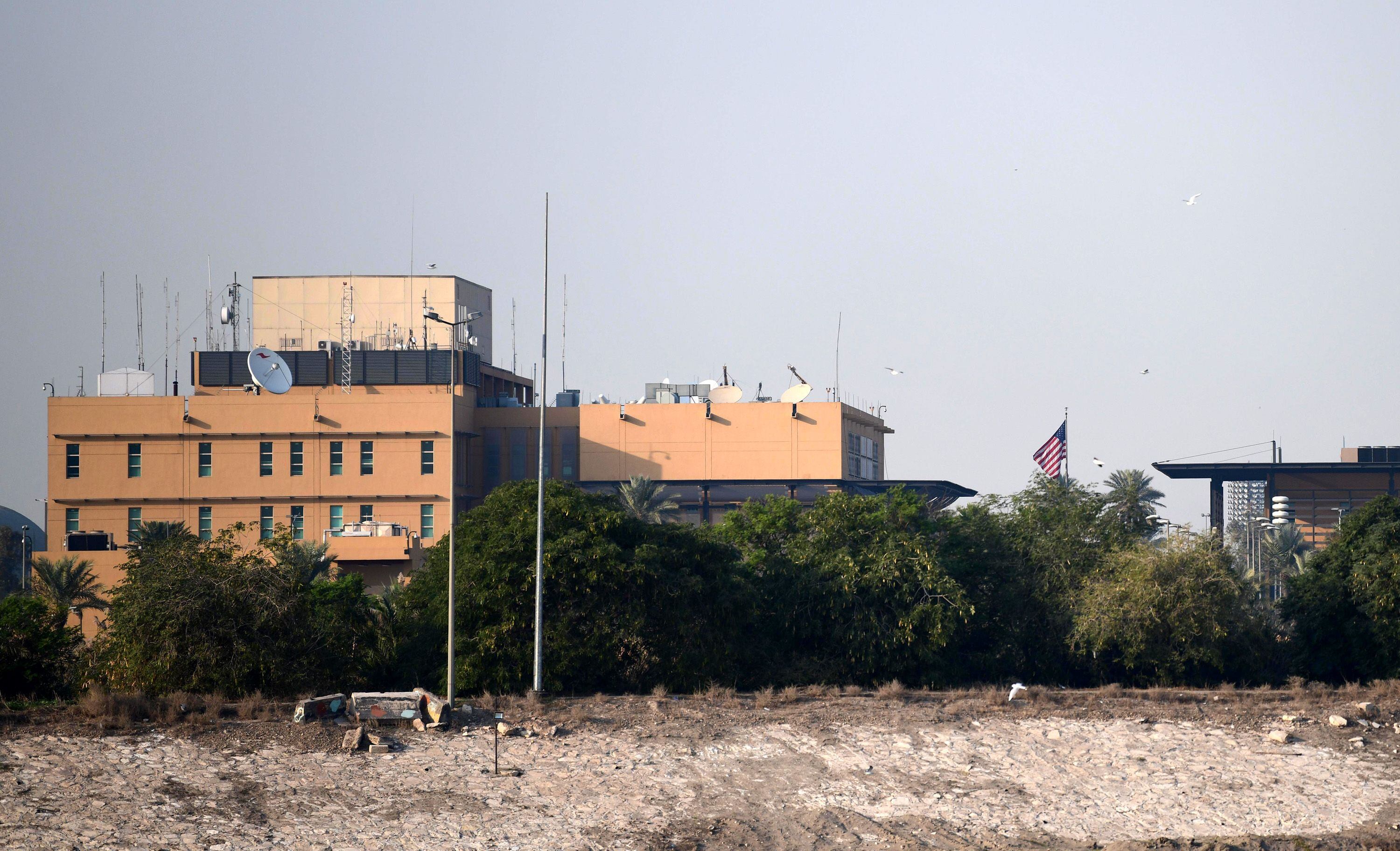
The officials, who spoke on condition of anonymity to discuss a decision not yet announced by the Pentagon, said the troops are from the 82nd Airborne Division at Fort Bragg, North Carolina. They are in addition to about 700 soldiers from the 82nd Airborne who deployed to Kuwait earlier this week after the storming of the U.S. Embassy compound in Baghdad by Iran-backed militiamen and their supporters.
The dispatching of extra troops reflects concern about potential Iranian retaliatory action for the killing Thursday of Gen. Qassem Soleimani, commander of Iran's Quds Force. But it also runs counter to Trump's repeated push to extract the United States from Mideast conflicts. Prior to this week's troop deployments, the administration had sent 14,000 additional troops to the Mideast since May, when it first publicly claimed Iran was planning attacks on U.S. interests.
The reinforcements took shape as Trump gave his first comments on the strike, declaring that he ordered the killing of Iranian Gen. Qassem Soleimani because he had killed and wounded many Americans over the years and was plotting to kill many more. "He should have been taken out many years ago," he added.
The strike marked a major escalation in the conflict between Washington and Iran, as Iran vowed "harsh retaliation" for the killing of the senior military leader. The two nations have faced repeated crises since Trump withdrew from the 2015 nuclear deal and imposed crippling sanctions.
The United States urged its citizens to leave Iraq "immediately" as fears mounted that the strike and any retaliation by Iran could ignite a conflict that engulfs the region.
Secretary of State Mike Pompeo defended the strike as "wholly lawful," saying that Soleimani posed an "imminent" threat against the U.S. and its interests in the region.
"There was an imminent attack," Pompeo told Fox News. "The orchestrator, the primary motivator for the attack, was Qassem Soleimani."
The White House did not inform lawmakers before the strike. It was expected to give classified briefings to members of Congress and staff in the afternoon. Defense Secretary Mark Esper notified House Speaker Nancy Pelosi of the strike shortly before the Pentagon confirmed it publicly.
Pompeo called world leaders Friday to explain and defend Trump's decision to order the airstrike that has sparked fears of an explosion of anti-American protests as well as more violence in the already unstable Middle East.
The State Department said Pompeo had spoken Friday with top officials in Afghanistan, Britain, China, France, Germany and Pakistan.
In his calls with the British and German foreign ministers as well as China's state councilor, Pompeo stressed that Trump acted to counter an imminent threat to U.S. lives in the region but also that the U.S. is committed to "de-escalation" of tensions, according to the department's summaries of the conversations.
De-escalation was not mentioned in the department's summary of his call with the French foreign minister, nor in his calls with Afghanistan's President Ashraf Ghani or the Pakistani military chief of staff. In those calls Pompeo "underscored the Iranian regime's destabilizing actions through the region and the Trump Administration's resolve in protecting American interests, personnel, facilities and partners," the department said.
Trump opted not to play a round of golf on Friday, and he was not expected to be seen publicly until he travels to Miami for an afternoon event for his reelection campaign.
Associated Press writers Lisa Mascaro and Matthew Lee contributed.