By Martin Crutsinger
Updated 10:17 am ET
The U.S. economy shrank at a dizzying 32.9 percent annual rate in the April-June quarter — by far the worst quarterly plunge ever — when the viral outbreak shut down businesses, throwing tens of millions out of work and sending unemployment surging to 14.7 percent, the government said Thursday.
The Commerce Department's estimate of the second-quarter decline in the gross domestic product, the total output of goods and services, marked the sharpest such drop on records dating to 1947. The previous worst quarterly contraction, a 10 percent drop, occurred in 1958 during the Eisenhower administration.
Last quarter's drop followed a 5 percent fall in the January-March quarter, during which the economy officially entered a recession triggered by the virus, ending an 11-year economic expansion, the longest on record in the United States.
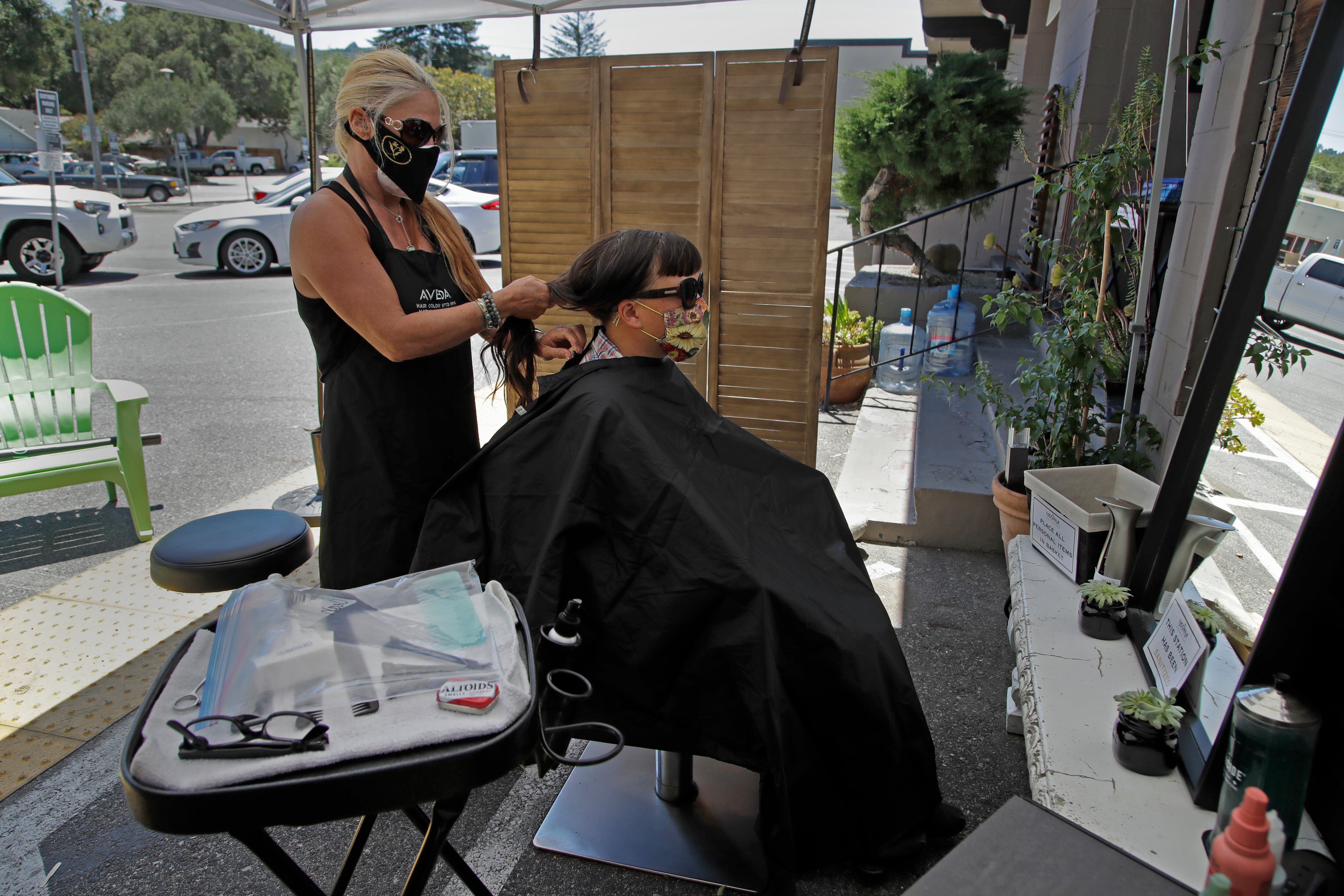
The contraction in the spring was driven by a deep pullback in consumer spending, which accounts for about 70 percent of economic activity. Spending by consumers collapsed at a 34.6 percent annual rate as travel all but froze and shutdown orders forced many restaurants, bars, entertainment venues, and other retail establishments to close.
The plunge in GDP "underscores the unprecedented hit to the economy from the pandemic," said Andrew Hunter, senior U.S. economist at Capital Economics. "We expect it will take years for that damage to be fully recovered."
So dizzying was the economic fall last quarter that most analysts expect the economy to produce a sharp bounce-back in the current July-September period, perhaps of as much as 17 percent or higher on an annual basis. Yet with the rate of confirmed coronavirus cases having surged in a majority of states, more businesses being forced to pull back on re-openings and the Republican Senate proposing to scale back government aid to the unemployed, the economy could worsen in the months ahead.
Last quarter, besides consumer spending, business investment and residential housing also posted sharp declines, with investment spending sinking 27 percent and residential housing tumbling 38.7 percent.
State and local government spending, bruised by a loss of tax revenue that forced layoffs, also fell at an annual rate of 5.6 percent. But overall government spending was up 2.7 percent, powered by a 17.4 percent surge in federal spending, reflecting the $2 trillion-plus in relief aid that Congress enacted to provide $1,200 payments to individuals, help to small businesses and supplemental unemployment benefits.
The job market, the most important pillar of the economy, has been severely damaged. Tens of millions of jobs vanished in the recession. More than 1 million laid-off people have applied for unemployment benefits for 19 straight weeks. So far, about one-third of the lost jobs have been recovered, but the resurgent virus will likely slow further gains in the job market.
President Donald Trump has pressured states to reopen businesses despite concerns that the virus remains a threat to workers and customers at many service industry jobs that require frequent face-to-face contact.
Many economists note that the economy can't fully recover until the pandemic is defeated — a point stressed Wednesday at a news conference by Federal Reserve Chair Jerome Powell. The Fed chairman warned that the viral epidemic has been endangering a modest economic recovery and that as a result, the Fed plans to keep interest rates pinned near zero well into the future.