U.S., China Cease-Fire on Tariffs Only Kicks the Can Down the Road
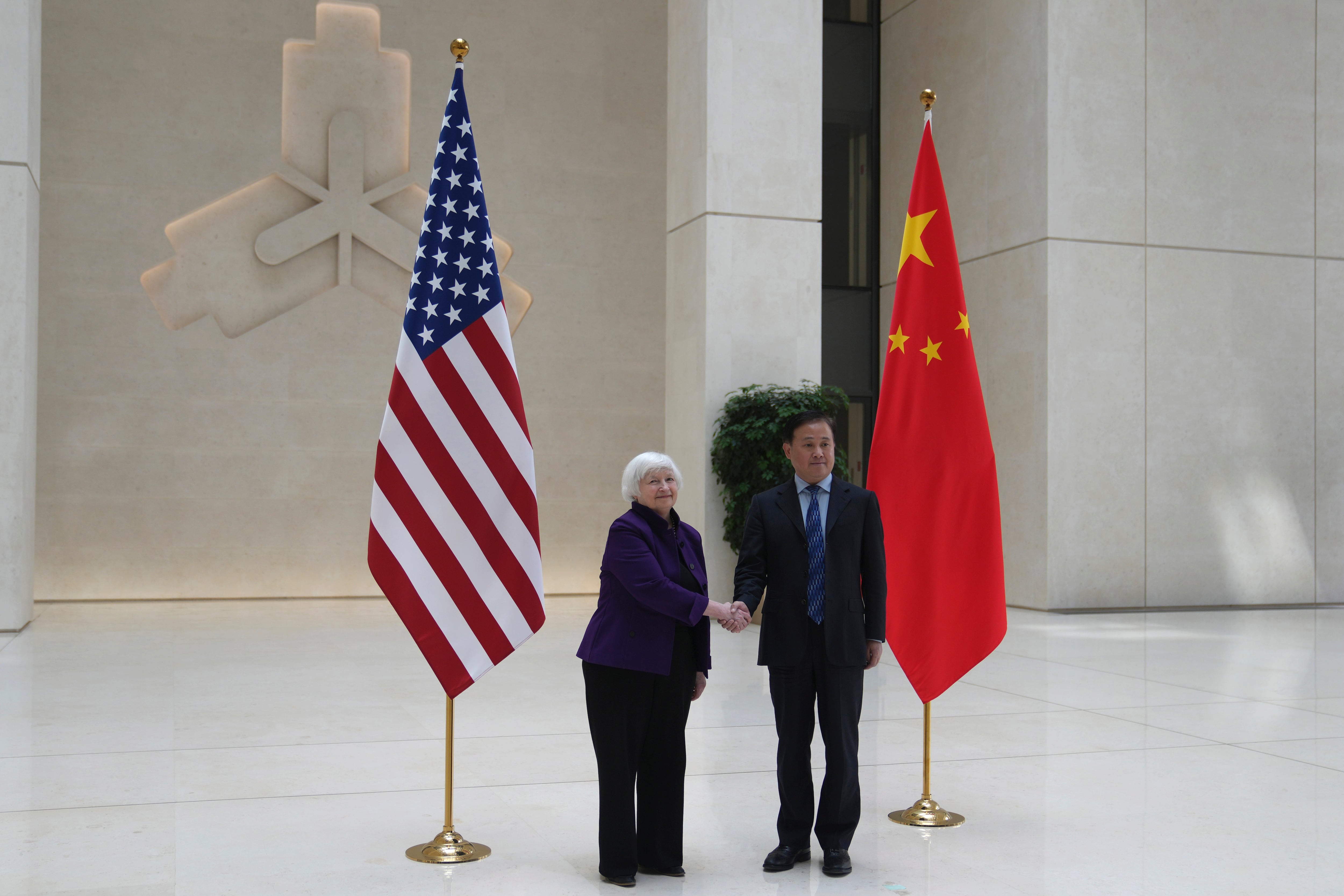
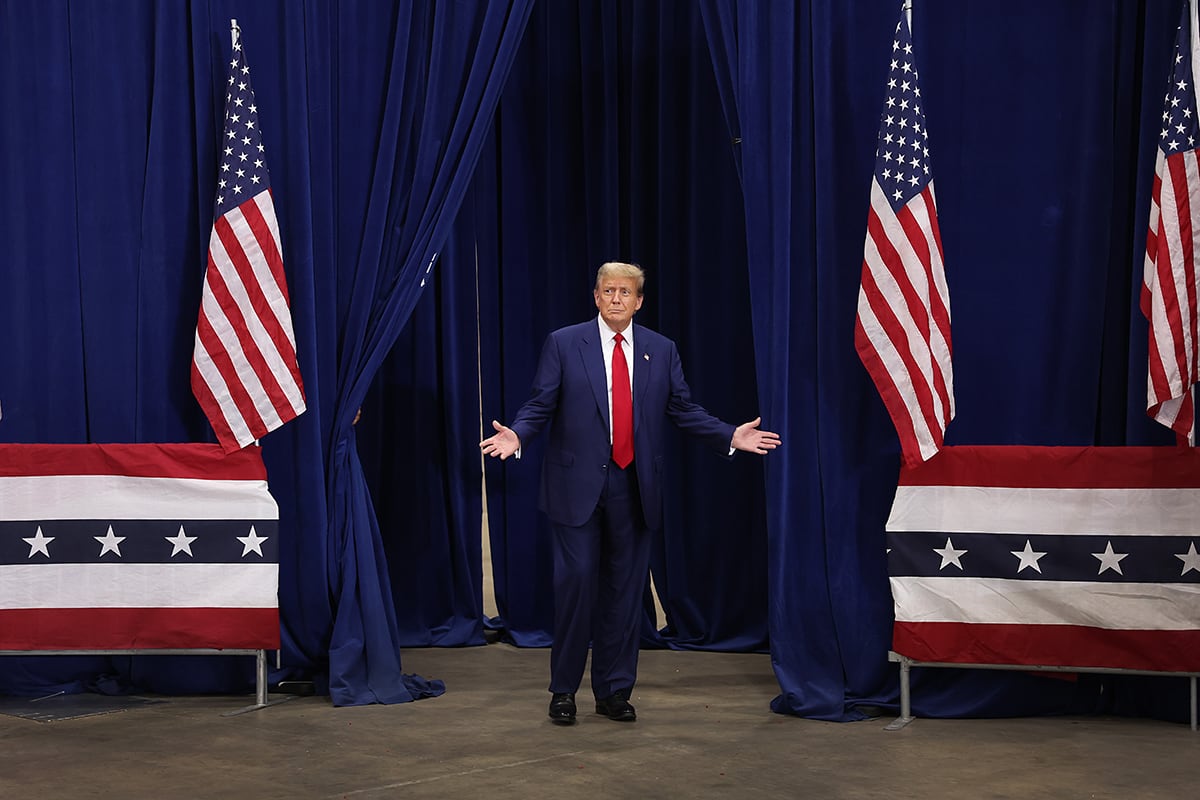
President Trump lauded his meeting with Chinese President Xi Jinping at the G20 summit in Buenos Aires as "extraordinary" after the two sides agreed to a pause in tariff increases for 90 days. But Hagar Chemali, CEO of Greenwich Media Strategies, said investors shouldn't start the ticker tape parade just yet.
Make no mistake, a temporary cease-fire in what was becoming a full-fledged trade war gives both sides time to cool off and re-assess, said Chemali. "At least both nations agree that they don't want to go down this path of economic cold war."
But the agreement was "not very substantive" and did not get to the root of the issues that led to tariffs, according to Chemali.
Trump holds most of the leverage going into the 90-day cool-off period, since the U.S. was prepared to increase tariffs on $200 billion worth of goods up to 25 percent after the first of the year. But Chemali said that without the united front of our allies' support, it may be harder for China to back down, especially on unresolved issues relating to the country's theft of American intellectual property.
In 90 days, don't be surprised to hear about another 90-day extension, she said.
For full interview [click here](https://cheddar.com/videos/trump-leaves-g20-with-trade-truce).
As we head into the second quarter, there’s an argument in favor of buying Boeing stock. Why? As one expert says, ‘there’s nowhere else to get planes.’
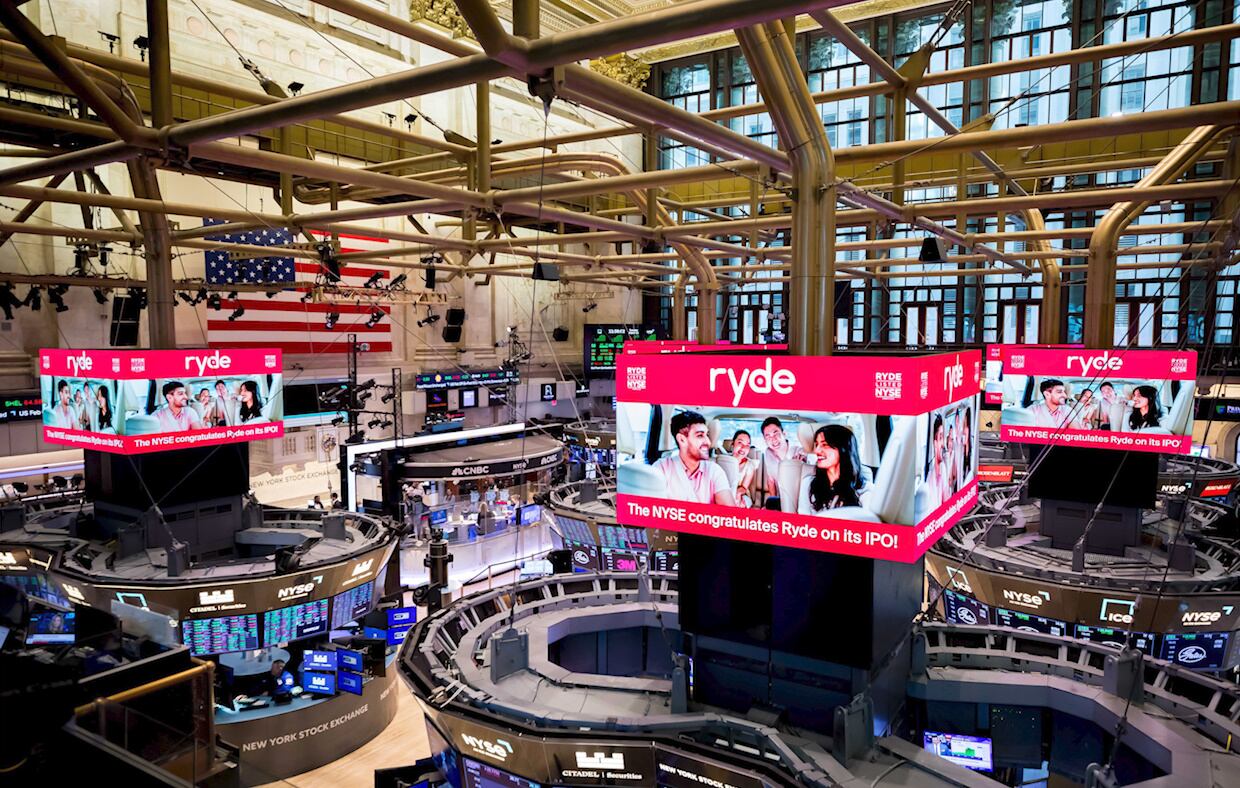
With inflation and prices still on the rise, it might be worth considering a carpool app. One of them, Singapore-based Ryde, just went public in the U.S.
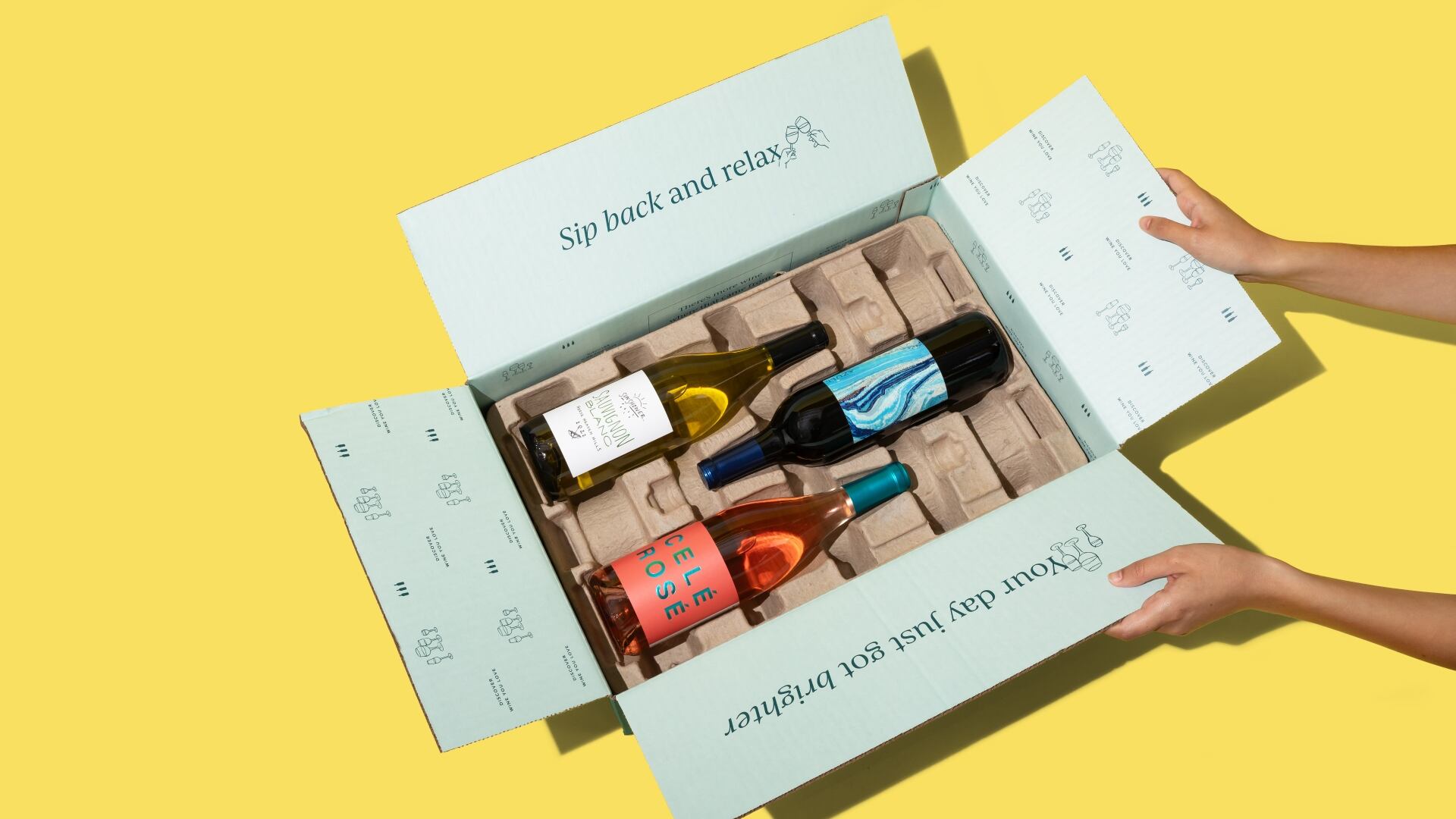
Full Glass Wine Co., the company behind Bright Cellars, Wine Insiders, and Winc, knows you fell in love with home delivery during the pandemic – and it’s investing millions into making it even better.
It might sound counterintuitive, but the Fed cutting interest rates three times this year could cause inflation to spike and actually be worse for markets and the economy as a whole.
Imagine a world with just a handful of mediocre beer options. Terrible, right? That was the U.S. before the explosion of craft breweries, the Samuel Adams founder says.