U.S., China Cease-Fire on Tariffs Only Kicks the Can Down the Road
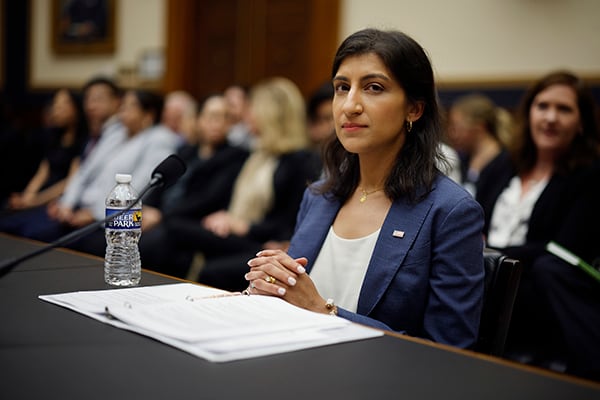
President Trump lauded his meeting with Chinese President Xi Jinping at the G20 summit in Buenos Aires as "extraordinary" after the two sides agreed to a pause in tariff increases for 90 days. But Hagar Chemali, CEO of Greenwich Media Strategies, said investors shouldn't start the ticker tape parade just yet.
Make no mistake, a temporary cease-fire in what was becoming a full-fledged trade war gives both sides time to cool off and re-assess, said Chemali. "At least both nations agree that they don't want to go down this path of economic cold war."
But the agreement was "not very substantive" and did not get to the root of the issues that led to tariffs, according to Chemali.
Trump holds most of the leverage going into the 90-day cool-off period, since the U.S. was prepared to increase tariffs on $200 billion worth of goods up to 25 percent after the first of the year. But Chemali said that without the united front of our allies' support, it may be harder for China to back down, especially on unresolved issues relating to the country's theft of American intellectual property.
In 90 days, don't be surprised to hear about another 90-day extension, she said.
For full interview [click here](https://cheddar.com/videos/trump-leaves-g20-with-trade-truce).
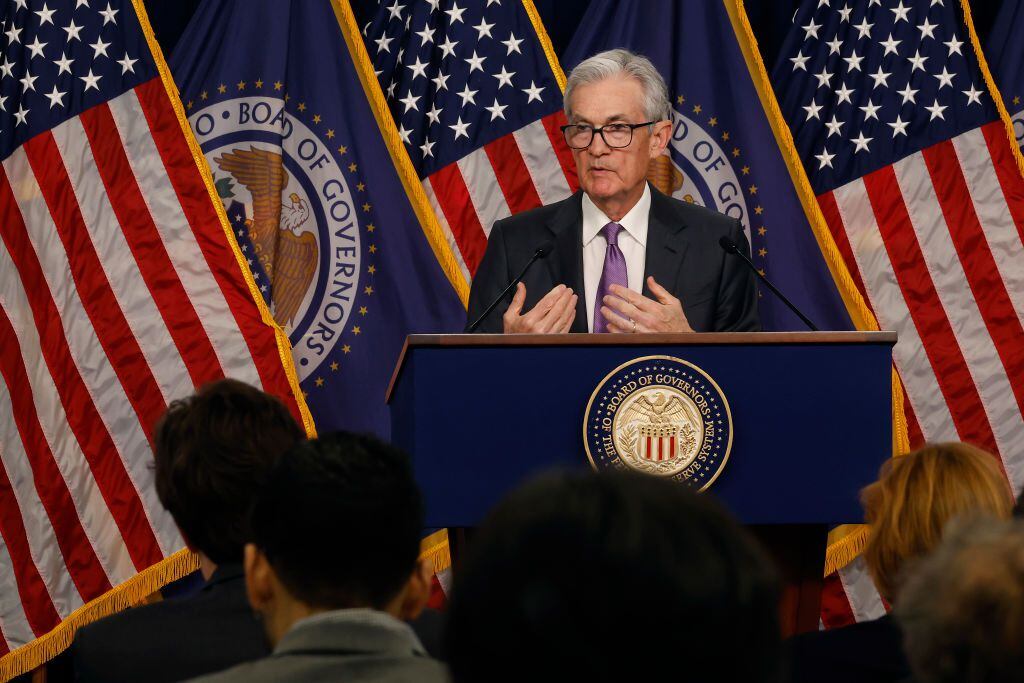
The incoming Fed decision will likely be good news for consumers with high-yield saving options, but bad news for borrowers (like anyone with high credit debt).
Empower your financial future with 'Investing Is Your Superpower' by Shinobu Hindert. Learn how to take control of your finances. No economics degree required
Inflation is still high, and economic activity is starting to slow down. But before you start to panic about stagflation, wait to see this week’s jobs report.
With buildings responsible for over 40% of emissions worldwide, the CEO of Kelvin breaks down how its technology can be used to retrofit traditional radiators.
After battling inflation for years, now U.S. consumers have to prepare for stagflation, and, unfortunately, it could be more complicated to fix than a typical