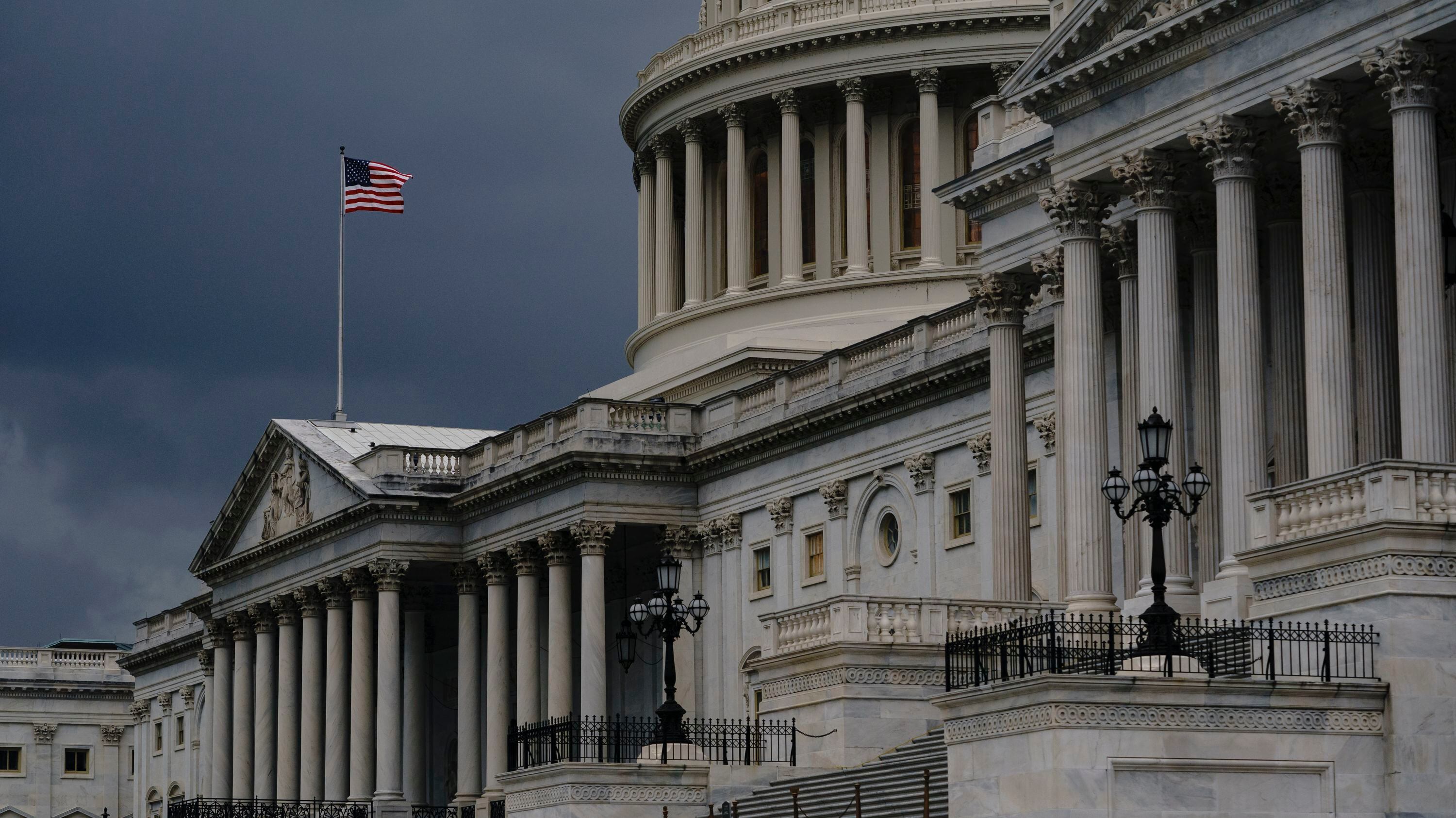
In this Aug. 3, 2020, file photo dark clouds and heavy rain sweep over the U.S. Capitol in Washington. (AP Photo/J. Scott Applewhite, File)
By Martin Crutsinger
The U.S. budget deficit hit an all-time high of $3 trillion for the first 11 months of this budget year, the Treasury Department said Friday.
The ocean of red ink is a product of the government's massive spending to try to cushion the impact of a coronavirus-fueled recession that has cost millions of jobs.
The deficit from October through August is more than double the previous 11-month record of $1.37 billion set in 2009. At that time the government was spending large sums to get out of the Great Recession triggered by the 2008 financial crisis.
With one month to go in the 2020 budget year, which ends Sept. 30, the deficit could go even higher. The Congressional Budget Office is forecasting the deficit this year will hit a record of $3.3 trillion. However, the government often runs surpluses in September so it is possible the final figure for this year could come in just under $3 trillion.
That would still put the deficit well above last year's imbalance of $984 billion. The previous record deficit for a fiscal year was $1.4 trillion in 2009 in the aftermath of the financial crisis.
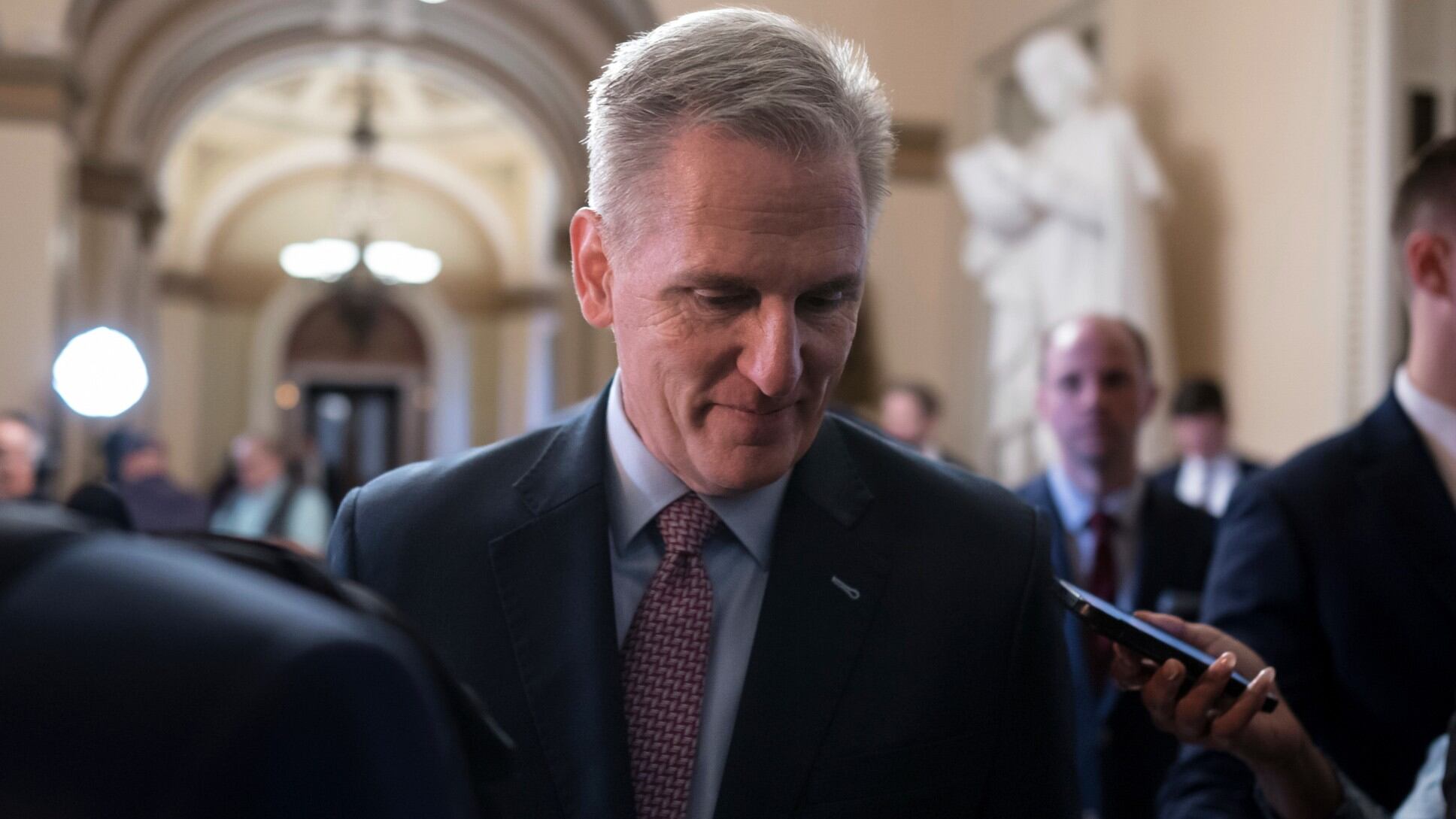
Speaker Kevin McCarthy plans to force a vote Tuesday on the far-right effort to oust him from his leadership position and insists he will not cut a deal with Democrats to remain in power, setting the stage for an extraordinary and unpredictable showdown on the House floor.
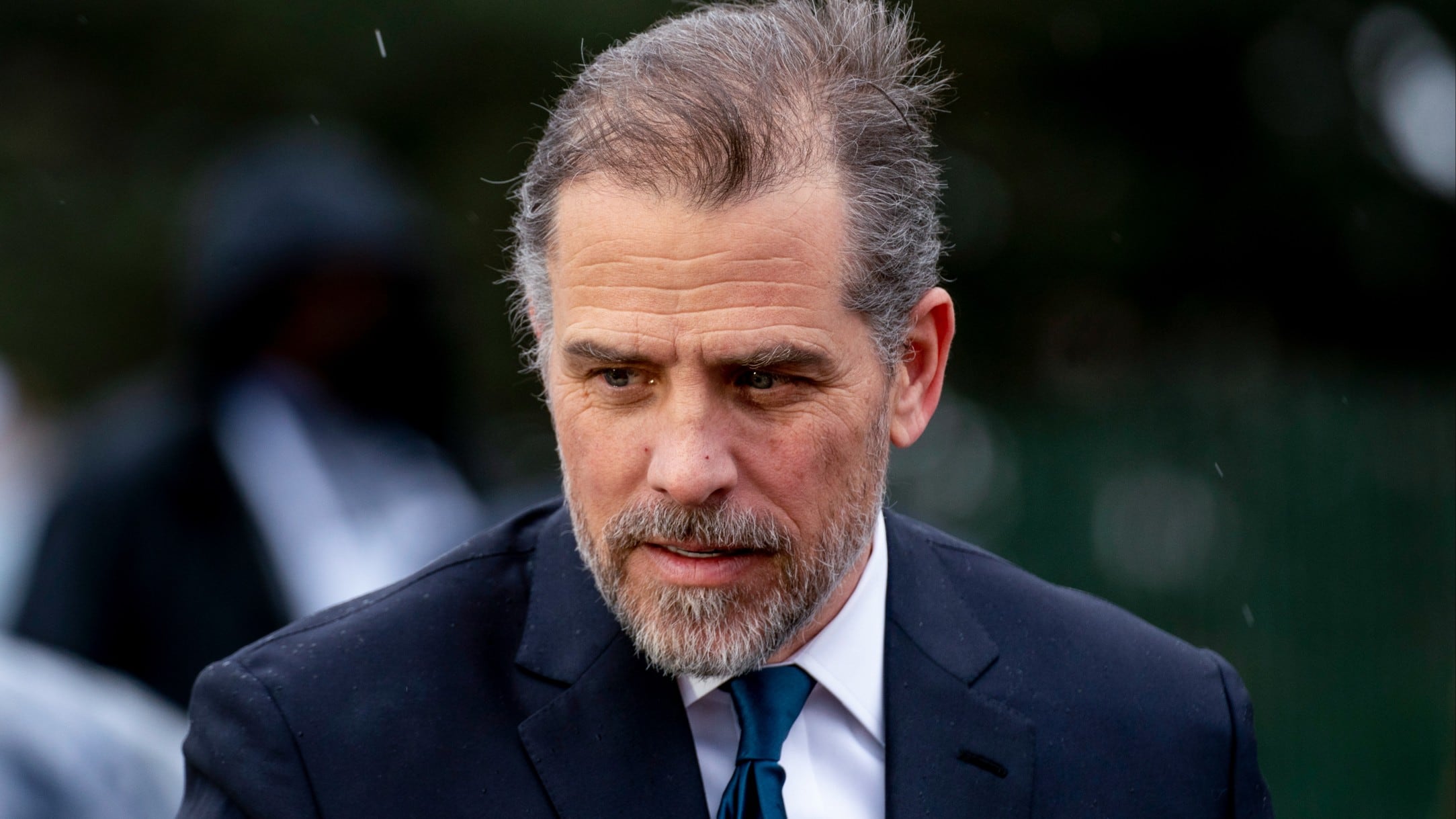
Hunter Biden pleaded not guilty on Tuesday to three federal firearms charges filed after a plea deal imploded, putting the case on track toward a possible trial as the 2024 election looms.
Speaker Kevin McCarthy is facing an extraordinary referendum on his leadership of the House after Rep. Matt Gaetz, a longtime critic, moved to launch a vote to oust him from the helm.
The office of Montana’s Republican attorney general is appealing a landmark climate change ruling that said state agencies aren't doing enough to protect 16 young plaintiffs from harm caused by global warming.