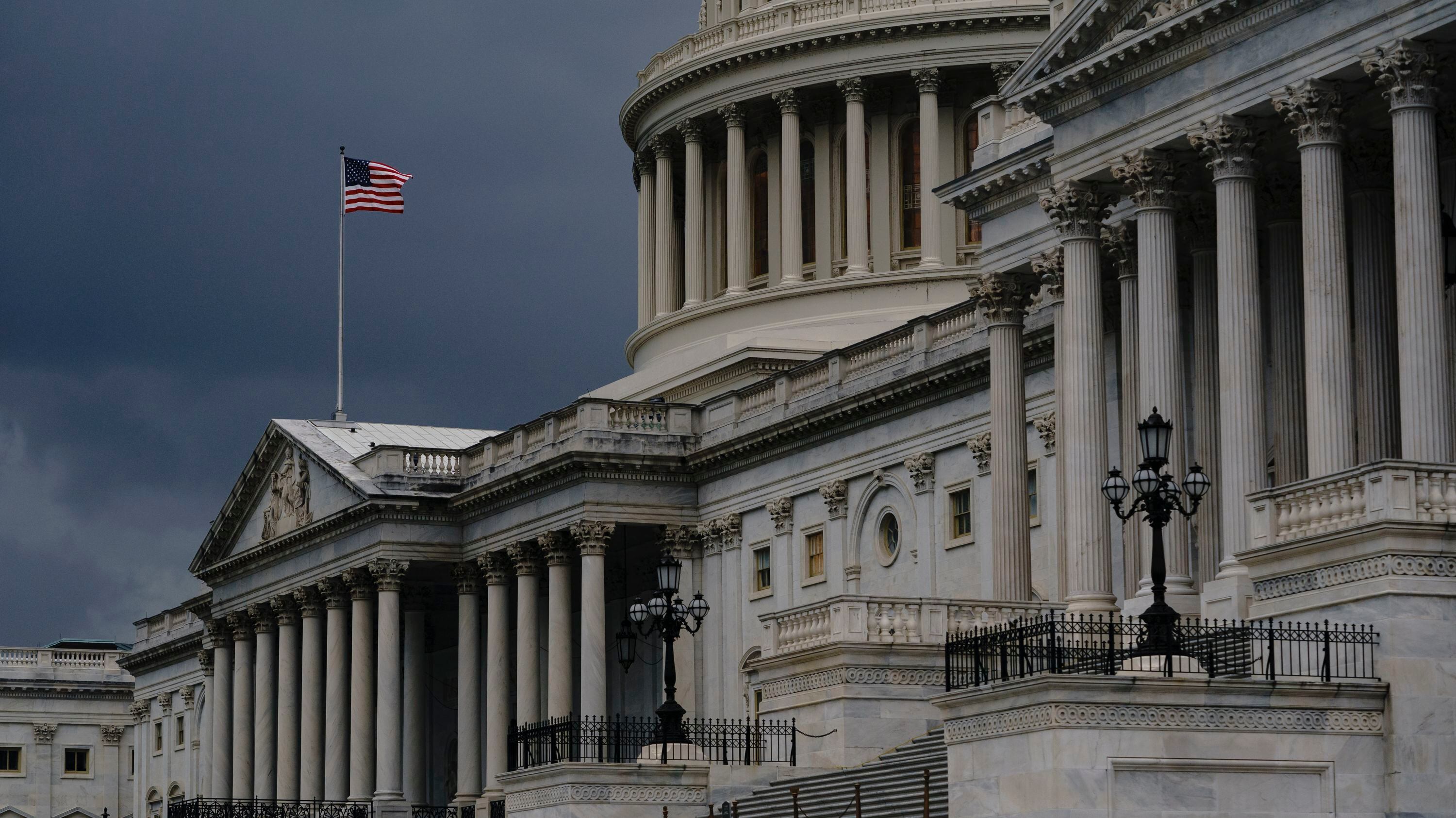
In this Aug. 3, 2020, file photo dark clouds and heavy rain sweep over the U.S. Capitol in Washington. (AP Photo/J. Scott Applewhite, File)
By Martin Crutsinger
The U.S. budget deficit hit an all-time high of $3 trillion for the first 11 months of this budget year, the Treasury Department said Friday.
The ocean of red ink is a product of the government's massive spending to try to cushion the impact of a coronavirus-fueled recession that has cost millions of jobs.
The deficit from October through August is more than double the previous 11-month record of $1.37 billion set in 2009. At that time the government was spending large sums to get out of the Great Recession triggered by the 2008 financial crisis.
With one month to go in the 2020 budget year, which ends Sept. 30, the deficit could go even higher. The Congressional Budget Office is forecasting the deficit this year will hit a record of $3.3 trillion. However, the government often runs surpluses in September so it is possible the final figure for this year could come in just under $3 trillion.
That would still put the deficit well above last year's imbalance of $984 billion. The previous record deficit for a fiscal year was $1.4 trillion in 2009 in the aftermath of the financial crisis.
While Donald Trump stated he would be willing to pardon Capitol Hill insurrectionists should he return to the presidency, the January 6 Committee issued subpoenas to 14 individuals who cast bogus electoral votes for the former president in seven states won by Joe Biden in 2020. Molly Jong-Fast, editor-at-large at The Daily Beast, joined Cheddar News to discuss the ongoing congressional investigation. "It is kind of crazy that every time Trump speaks, he kind of confesses a little more of what he was up to, but you really have to have proof," said Jong-Fast.
Natalie Fertig, federal cannabis policy reporter at Politico Pro, joins Cheddar News to discuss a new YouGov poll that looks at how Americans feel about marijuana and politics.
Alex Ward, National Security Reporter at Politico, joined Wake Up With Cheddar to discuss the latest in a looming international threat as Russia continues aggression against Ukraine, in defiance of Western nations.
The recent Virginia and New Jersey elections are making one trend line pretty clear: voters in this climate will vote on education, and it could be a winning tactic for Republicans.
Virginia's race for governor was defined by, as the Republican candidate and eventual winner described it, "school-choice." Florida Governor Ron DeSantis is taking a page out of Governor Youngkin's playbook for his upcoming reelection bid, over-indexing on themes of education. John Kennedy, Florida capital reporter at Gannett, joins Cheddar News to discuss.
North Korea launched its sixth missile test this month, equaling the total number performed in all of 2021. Cheddar News speaks with Bruce Klinger of the Heritage Foundation on why the regime is suddenly ramping up its weapons testing program.
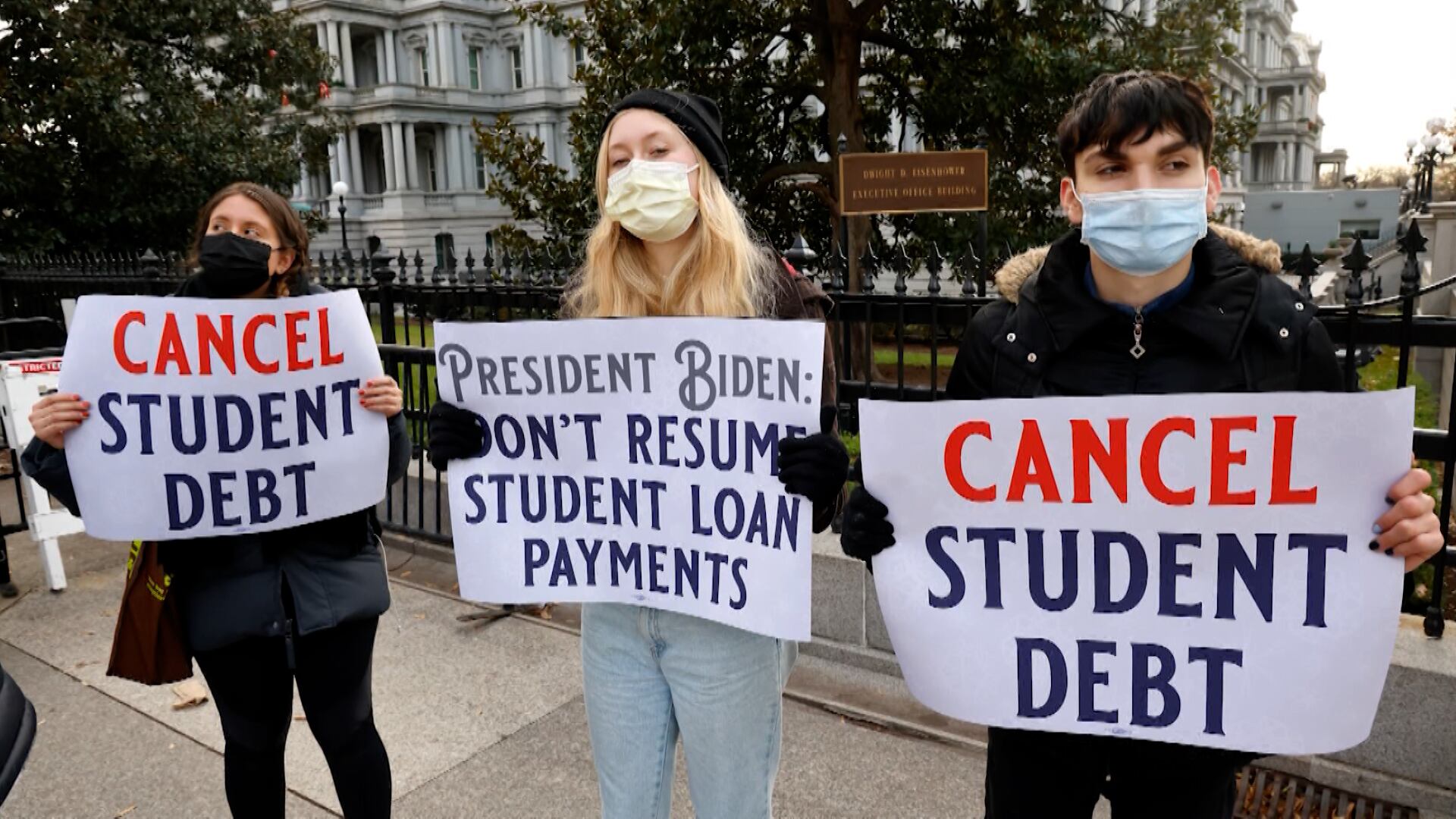
More than 80 lawmakers are calling for President Biden to release a memo outlining the legal pros and cons regarding the president's authority to cancel student loan debt, the total of which sits around $1.75 trillion. Senator Tina Smith (D-Minn.), joined Cheddar to discuss the memo and support the push to forgive student debt that could potentially have a massive positive impact on the U.S. economy. "I think that would be really helpful for all of us to be able to see as we figure out how we can go forward," she said. "It seems like a simple thing to do, and I hope that the administration will release this memo." For her part, Sen. Smith said she believes the president does have the authority to abolish student loan debt.
Dr. Celeste González de Bustamante, professor and director of the Center for Border and Global Journalism at the Univerity of Arizona, and Dr. Jeannine E. Relly, professor and director of Global Initiatives at the Center for Border and Global Journalism at the University of Arizona, join Cheddar News to discuss the recent journalist killings in Mexico.