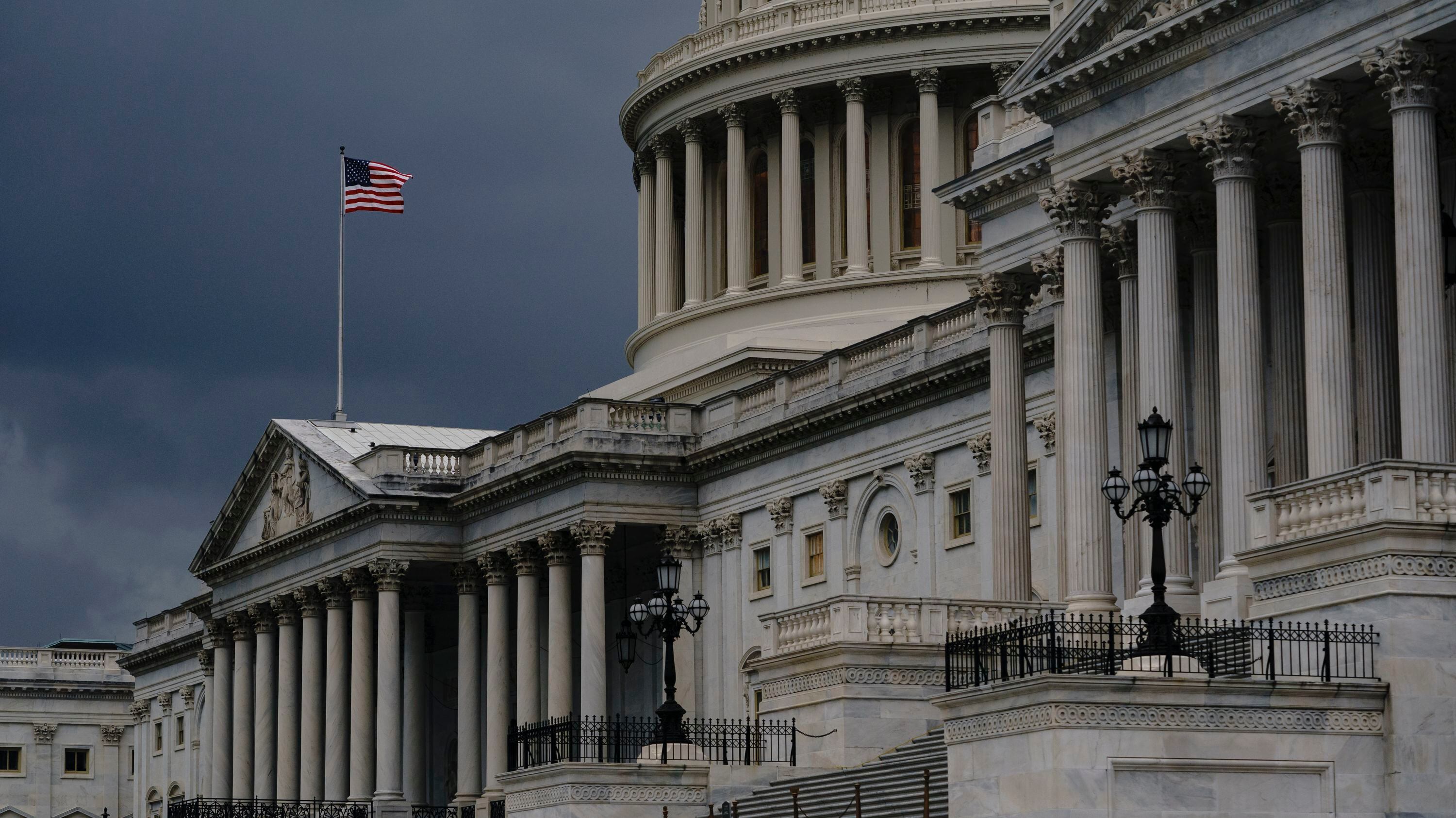
In this Aug. 3, 2020, file photo dark clouds and heavy rain sweep over the U.S. Capitol in Washington. (AP Photo/J. Scott Applewhite, File)
By Martin Crutsinger
The U.S. budget deficit hit an all-time high of $3 trillion for the first 11 months of this budget year, the Treasury Department said Friday.
The ocean of red ink is a product of the government's massive spending to try to cushion the impact of a coronavirus-fueled recession that has cost millions of jobs.
The deficit from October through August is more than double the previous 11-month record of $1.37 billion set in 2009. At that time the government was spending large sums to get out of the Great Recession triggered by the 2008 financial crisis.
With one month to go in the 2020 budget year, which ends Sept. 30, the deficit could go even higher. The Congressional Budget Office is forecasting the deficit this year will hit a record of $3.3 trillion. However, the government often runs surpluses in September so it is possible the final figure for this year could come in just under $3 trillion.
That would still put the deficit well above last year's imbalance of $984 billion. The previous record deficit for a fiscal year was $1.4 trillion in 2009 in the aftermath of the financial crisis.
Donald Trump’s former lawyer and fixer Michael Cohen is expected to testify Monday before a Manhattan grand jury investigating hush money payments he arranged and made on the former president’s behalf.
Hackers have broken into a Washington, D.C. health insurance marketplace and stolen sensitive personal data including Social Security numbers and home addresses of members of Congress, their employees and family members.
Senate Republican leader Mitch McConnell suffered a concussion after a fall at a local hotel and remains hospitalized “for a few days of observation and treatment,” a spokesman said Thursday.
Norfolk Southern's CEO is apologizing to Congress on Thursday and pledging millions of dollars to help East Palestine, Ohio, recover from the fiery hazardous materials train derailment as senators investigate.
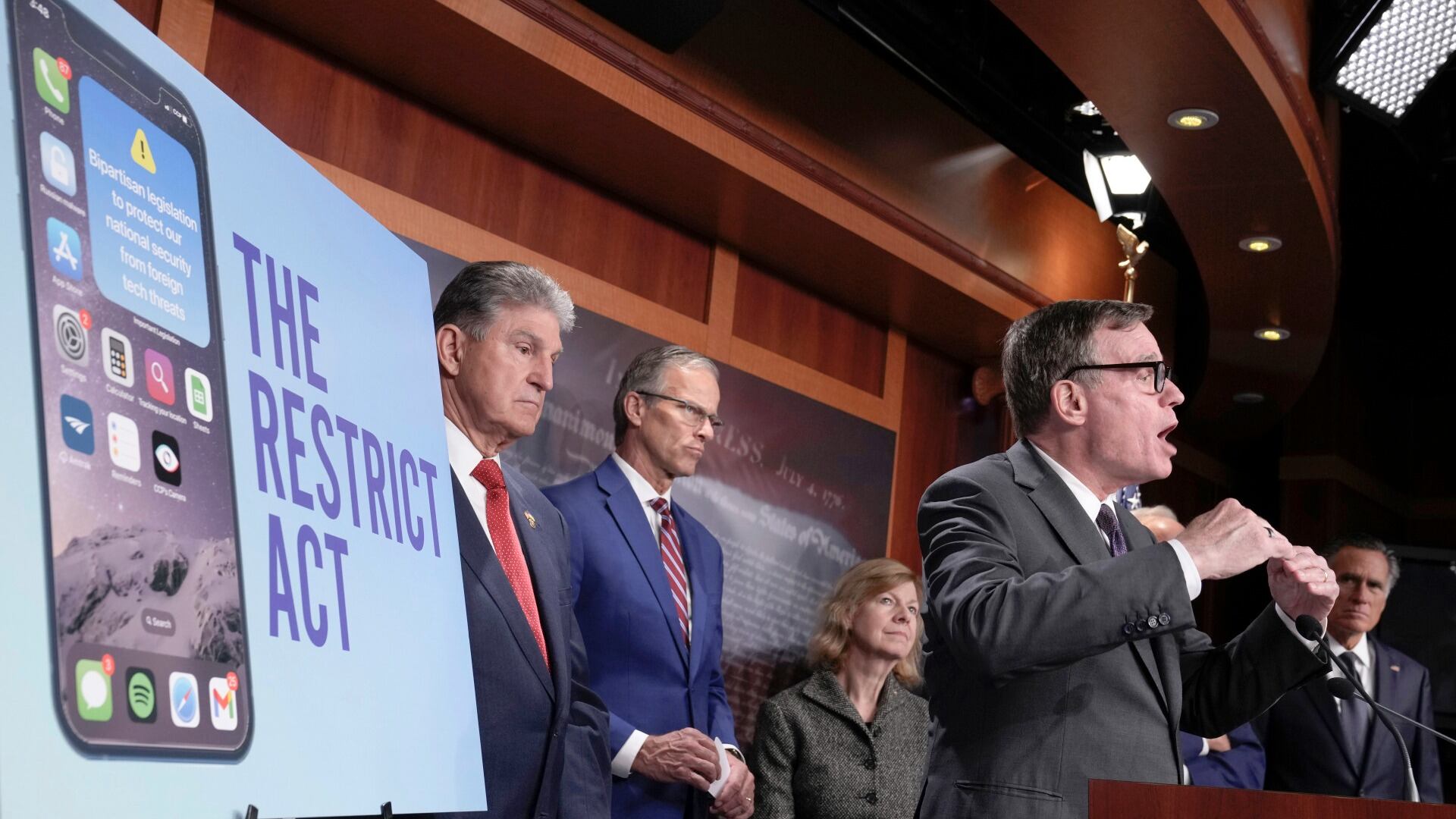
The RESTRICT Act seeks to proactively tackle dangerous technology, including TikTok, according to a bipartisan group of senators that includes Mark Warner (D-Va.).