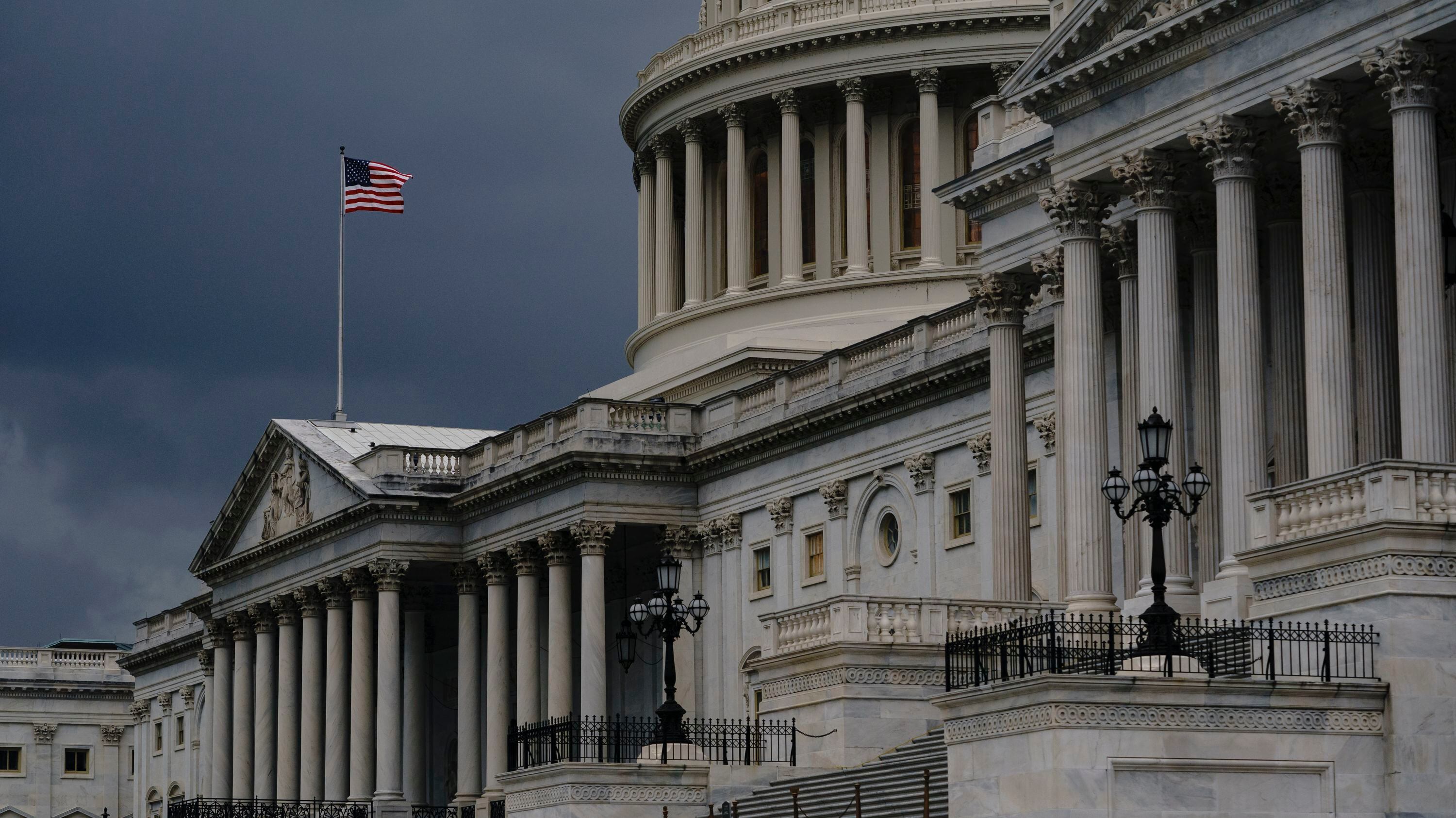
In this Aug. 3, 2020, file photo dark clouds and heavy rain sweep over the U.S. Capitol in Washington. (AP Photo/J. Scott Applewhite, File)
By Martin Crutsinger
The U.S. budget deficit hit an all-time high of $3 trillion for the first 11 months of this budget year, the Treasury Department said Friday.
The ocean of red ink is a product of the government's massive spending to try to cushion the impact of a coronavirus-fueled recession that has cost millions of jobs.
The deficit from October through August is more than double the previous 11-month record of $1.37 billion set in 2009. At that time the government was spending large sums to get out of the Great Recession triggered by the 2008 financial crisis.
With one month to go in the 2020 budget year, which ends Sept. 30, the deficit could go even higher. The Congressional Budget Office is forecasting the deficit this year will hit a record of $3.3 trillion. However, the government often runs surpluses in September so it is possible the final figure for this year could come in just under $3 trillion.
That would still put the deficit well above last year's imbalance of $984 billion. The previous record deficit for a fiscal year was $1.4 trillion in 2009 in the aftermath of the financial crisis.
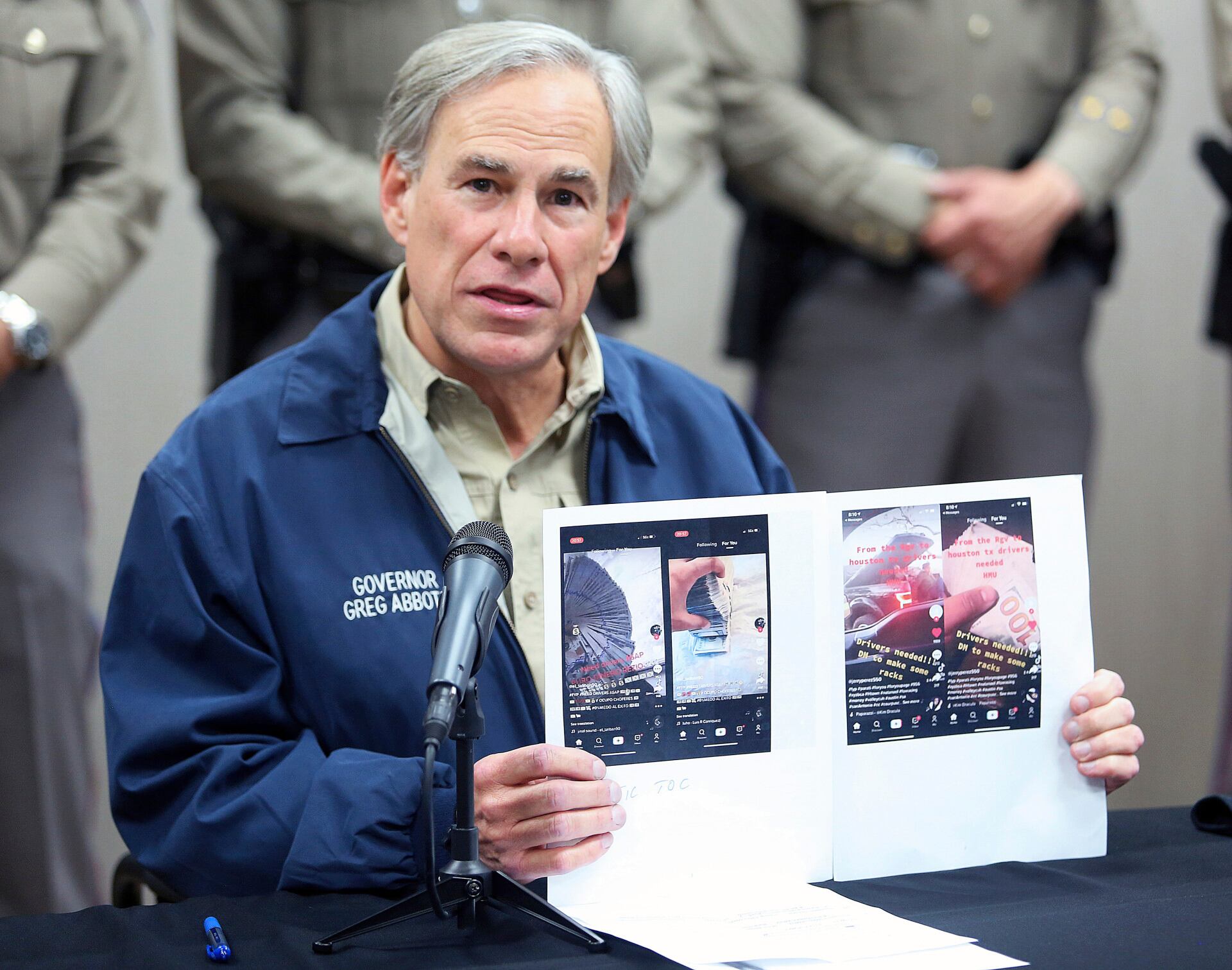
A First Amendment group sued Texas Governor Greg Abbott and others on Thursday over the state’s TikTok ban on official devices, arguing the prohibition – which extends to public universities – is unconstitutional and impedes academic freedom.
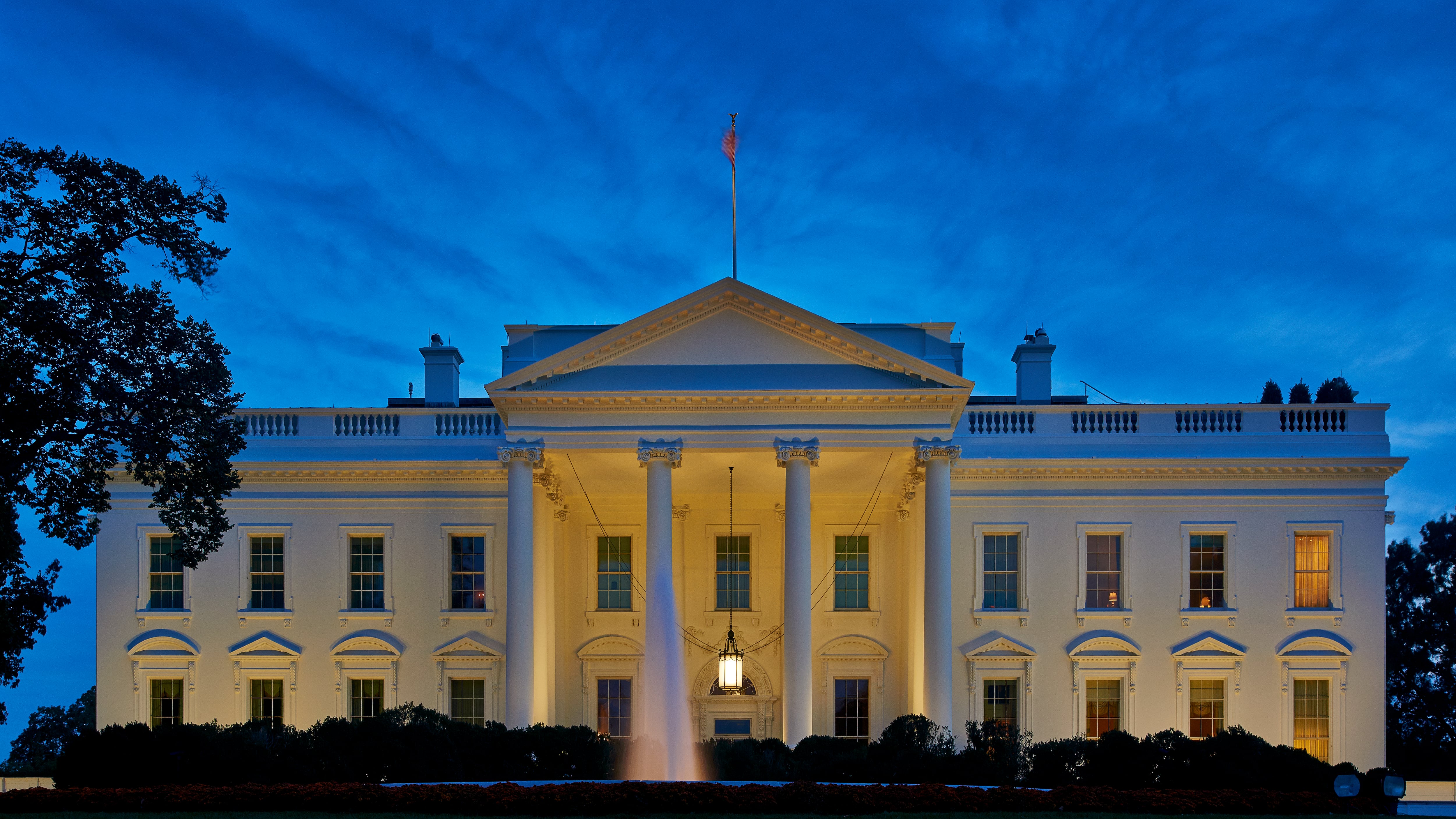
No fingerprints or DNA turned up on the baggie of cocaine found in a lobby at the White House last week despite a sophisticated FBI crime lab analysis, and surveillance footage of the area didn’t identify a suspect, according to a summary of the Secret Service investigation obtained by The Associated Press. There are no leads on who brought the drugs into the building.
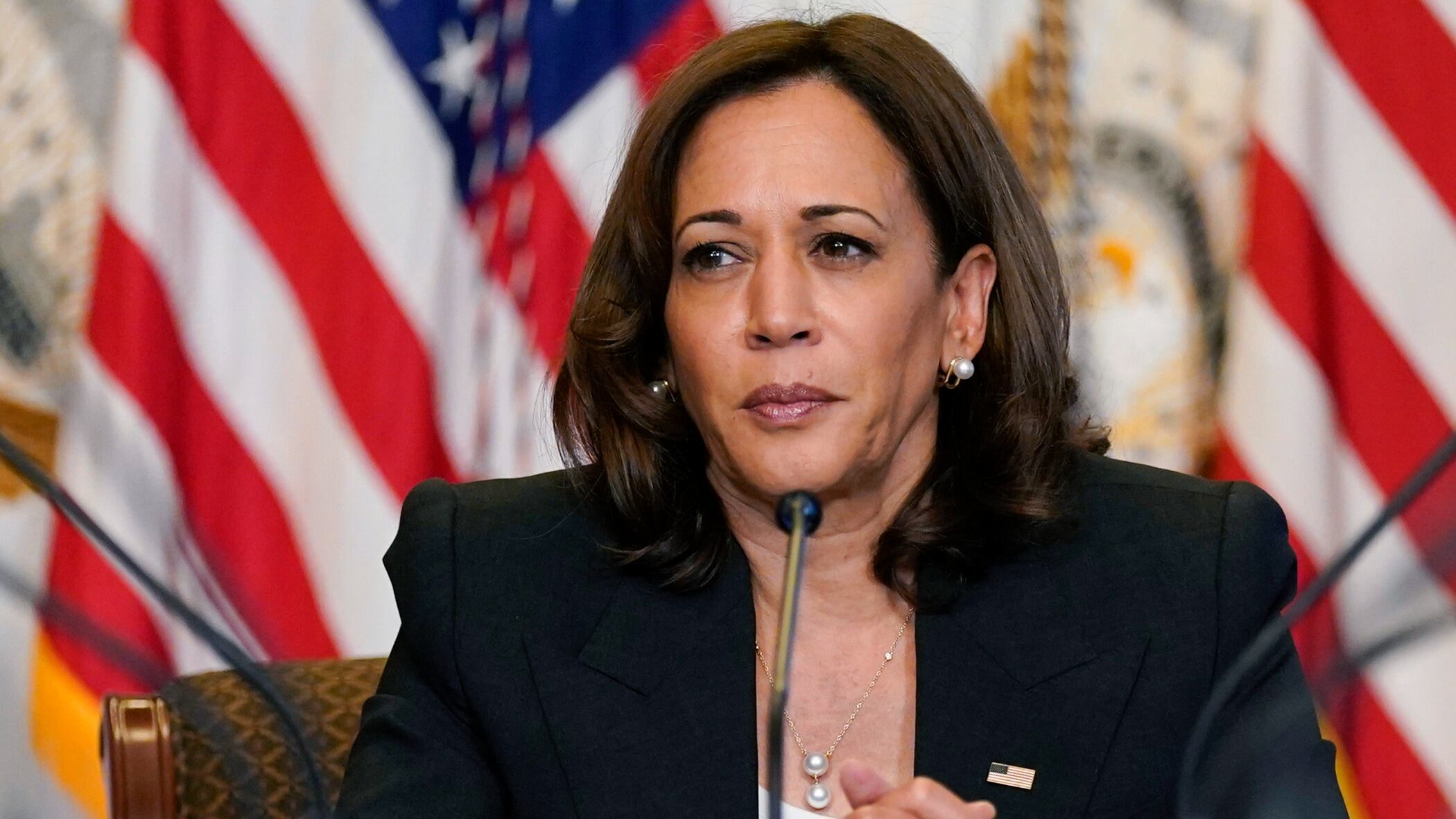
Kamala Harris, who made history as the first woman or person of color to serve as vice president, has made history again by matching the record for most tiebreaking votes in the Senate.
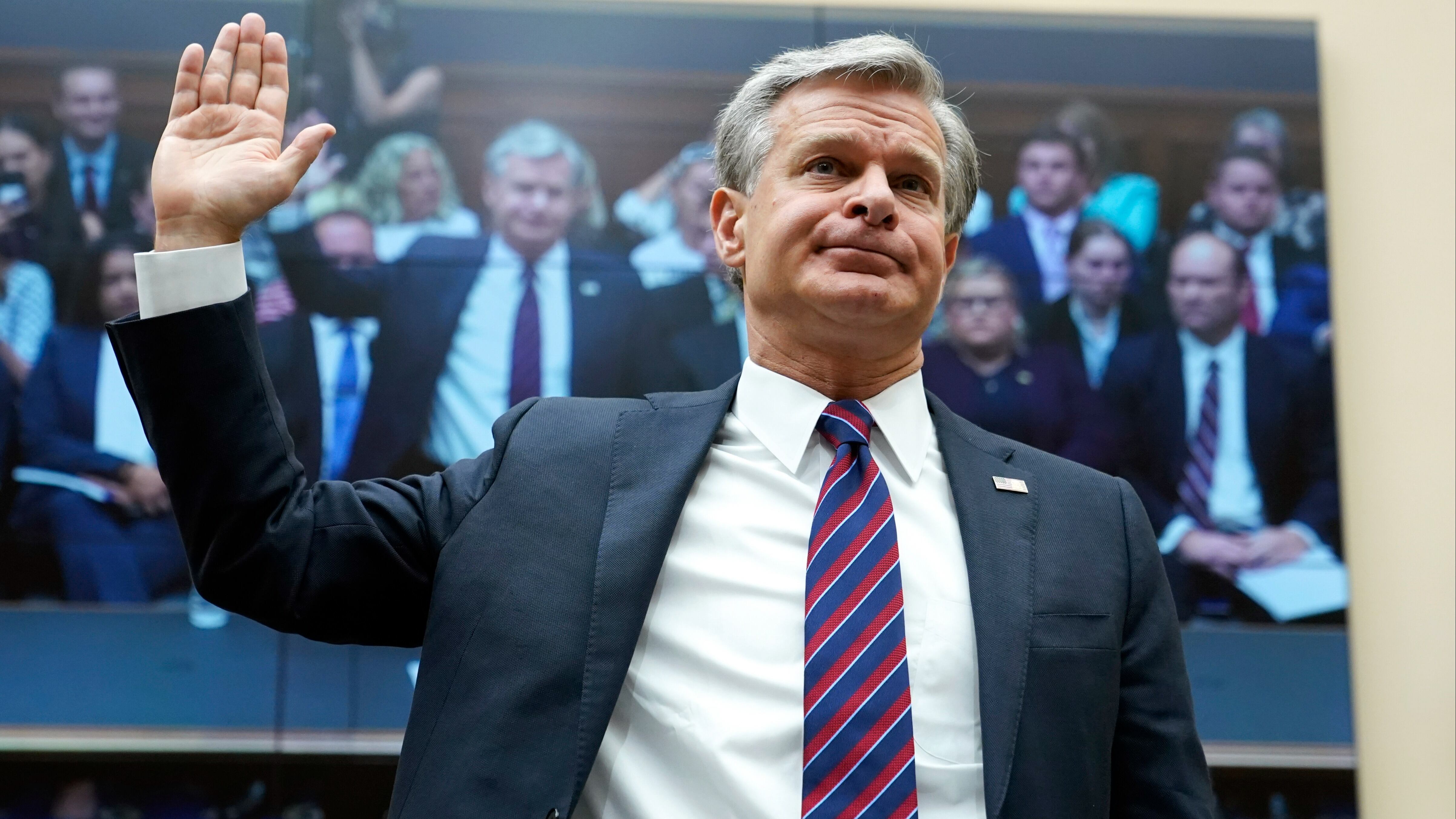
Republicans on the House Judiciary Committee accused the agency of targeting conservatives, suppressing evidence that Covid-19 came from a lab leak and abusing its surveillance powers.
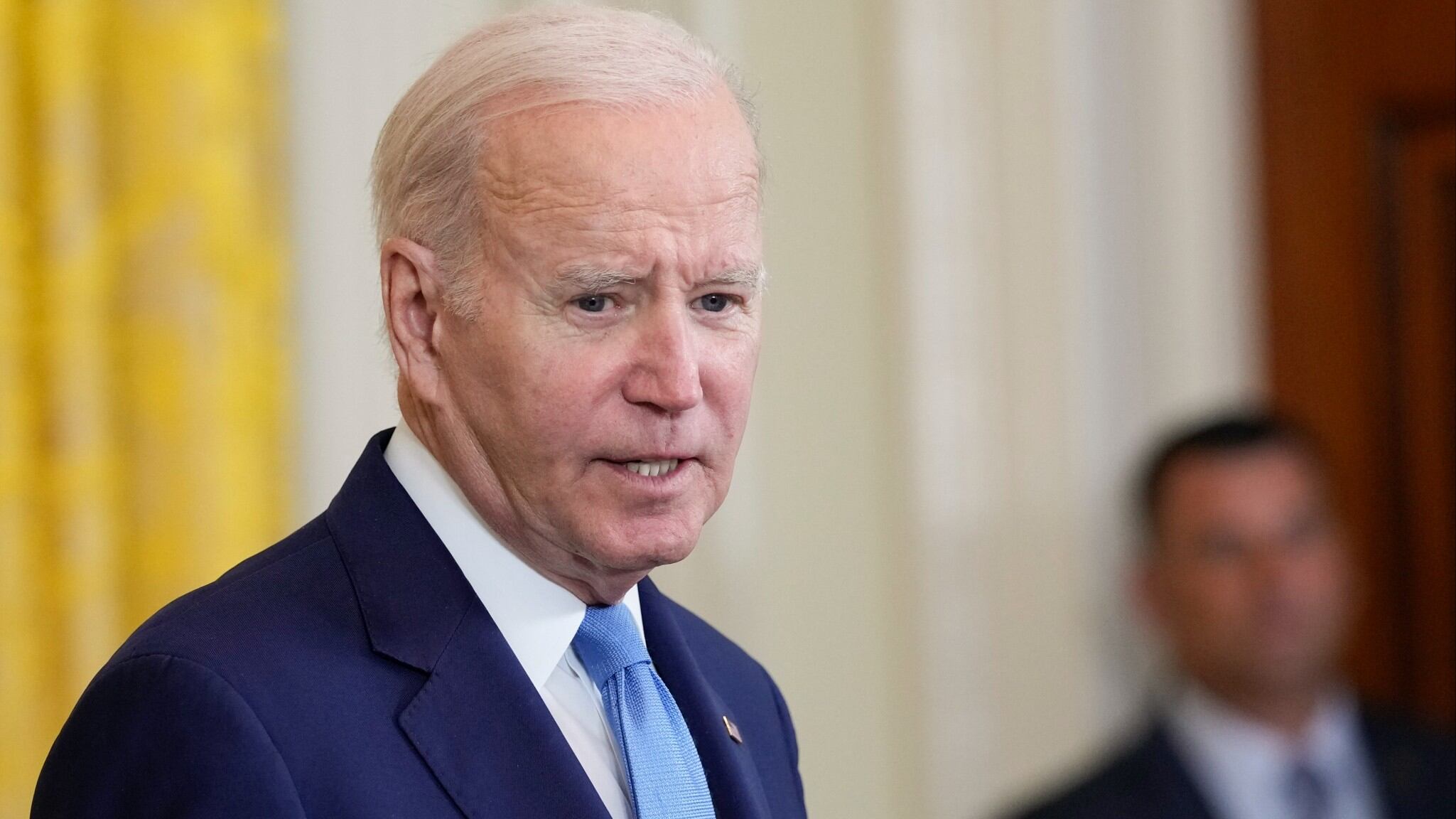
The Biden administration calls it a “student loan safety net.” Opponents call it a backdoor attempt to make college free. And it could be the next battleground in the legal fight over student loan relief.
Nearly 30,000 people in Mississippi were dropped from the state's Medicaid program after an eligibility review that the government ended during the pandemic.