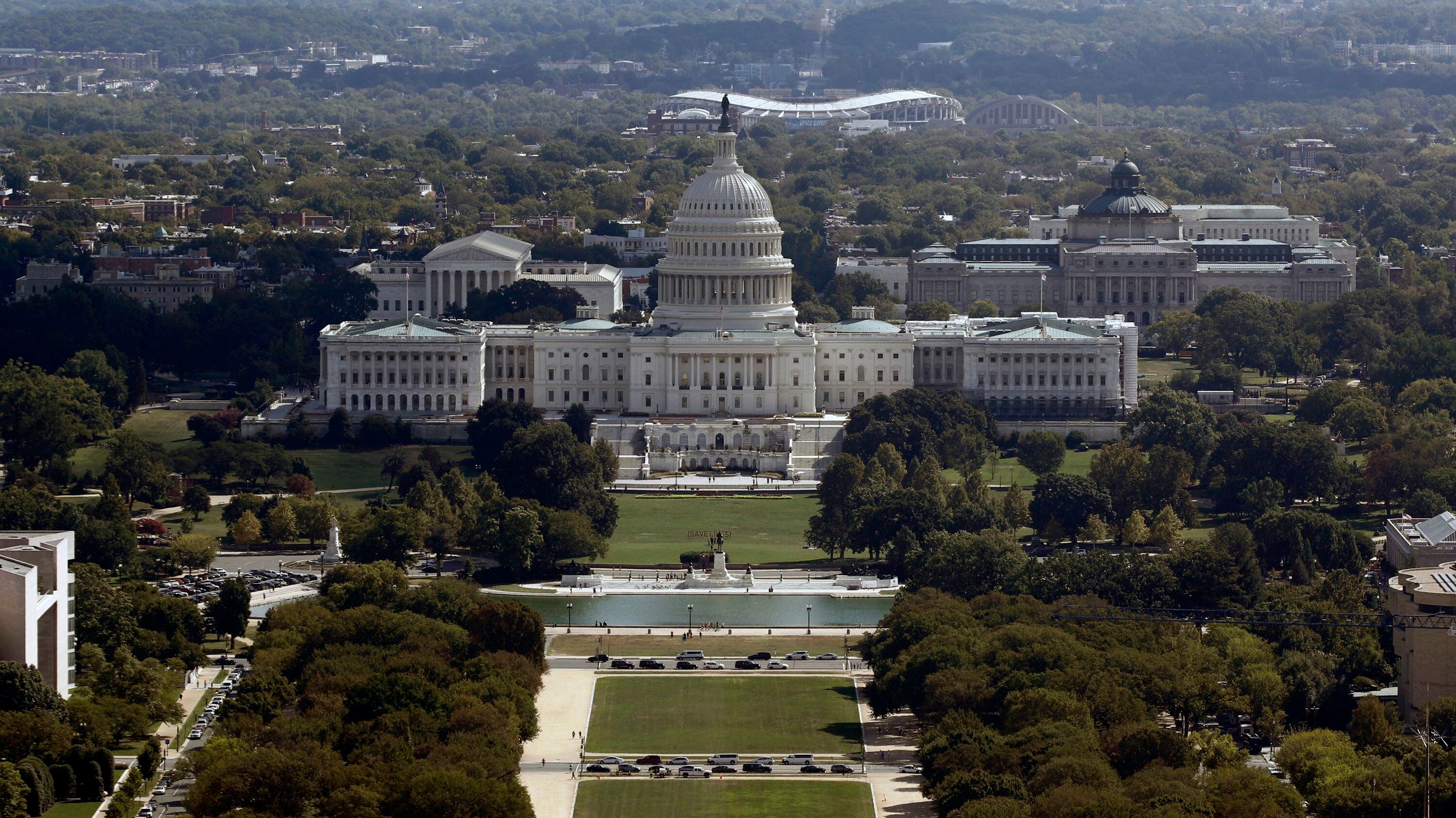
This Sept. 18, 2019, file photo shows the view of the U.S. Capitol building from the Washington Monument in Washington. The federal government incurred the biggest monthly budget deficit in history in June 2020 as spending on programs to combat the coronavirus recession exploded while millions of job losses cut into tax revenues. The Treasury Department reported Monday, July 13, 2020 that the deficit hit $864 billion last month, an amount of red ink that surpasses most annual deficits in the nation’s history and is above the previous monthly deficit record of $738 billion in April.(AP Photo/Patrick Semansky, File)
By Martin Crutsinger
The federal government incurred the biggest monthly budget deficit in history in June as spending on programs to combat the coronavirus recession exploded while millions of job losses cut into tax revenues.
The Treasury Department reported Monday that the deficit hit $864 billion last month, an amount of red ink that surpasses most annual deficits in the nation's history and is above the previous monthly deficit record of $738 billion in April. That amount was also tied to the trillions of dollars Congress has provided to cushion the impact of the widespread shutdowns that occurred in an effort to limit the spread of the viral pandemic.
For the first nine months of this budget year, which began Oct. 1, the deficit totals $2.74 trillion, also a record for that period. That puts the country well on the way to hitting the $3.7 trillion deficit for the whole year that has been forecast by the Congressional Budget Office.
That total would surpass the previous annual record of $1.4 trillion set in 2009 when the government was spending heavily to lift the country out of the recession caused by the 2008 financial crisis.
The June deficit was driven higher by spending on various government relief programs such as an extra $600 per week in expanded unemployment benefits and a Paycheck Protection Program that provided support to businesses to keep workers on their payrolls.
The report showed that the cost of the Paycheck Protection Program in June was $511 billion. That reflected a charge to the government for all the bank loans made under the program even though the government will not actually have to pay out funds until the banks determine whether the businesses met the criteria for having the loans forgiven. Those requirements include spending at least 60% of the loan amount on worker pay with the other 40% going to overhead costs such as rent and utilities.
Another reason for the surge in the June deficit was the government's decision to delay tax payments this year until July 15. That decision means that quarterly payments made by individual taxpayers and corporations will not be due until July 15 this year rather than June.
So far this budget year, revenues total $2.26 trillion, down 13.4% from the same period last year, while spending totals $5 trillion, up 49.1% from a year ago.
The CBO estimate of a $3.7 trillion deficit for this year could go higher depending on the course of the economy. The country fell into a deep recession in February, ending a record long expansion of nearly 11 years. The Trump administration is predicting that the economy will come roaring back in the second half of this year but many private forecasters are concerned that a resurgence of virus cases could make consumers too fearful to resume spending, which drives 70% of the economy.
Congress which has already approved more than $3 trillion in a series of rescue packages, is scheduled to debate another support effort when it returns from recess on June 20. Democrats are pushing for an extension of the expanded unemployment benefits which will soon run out.
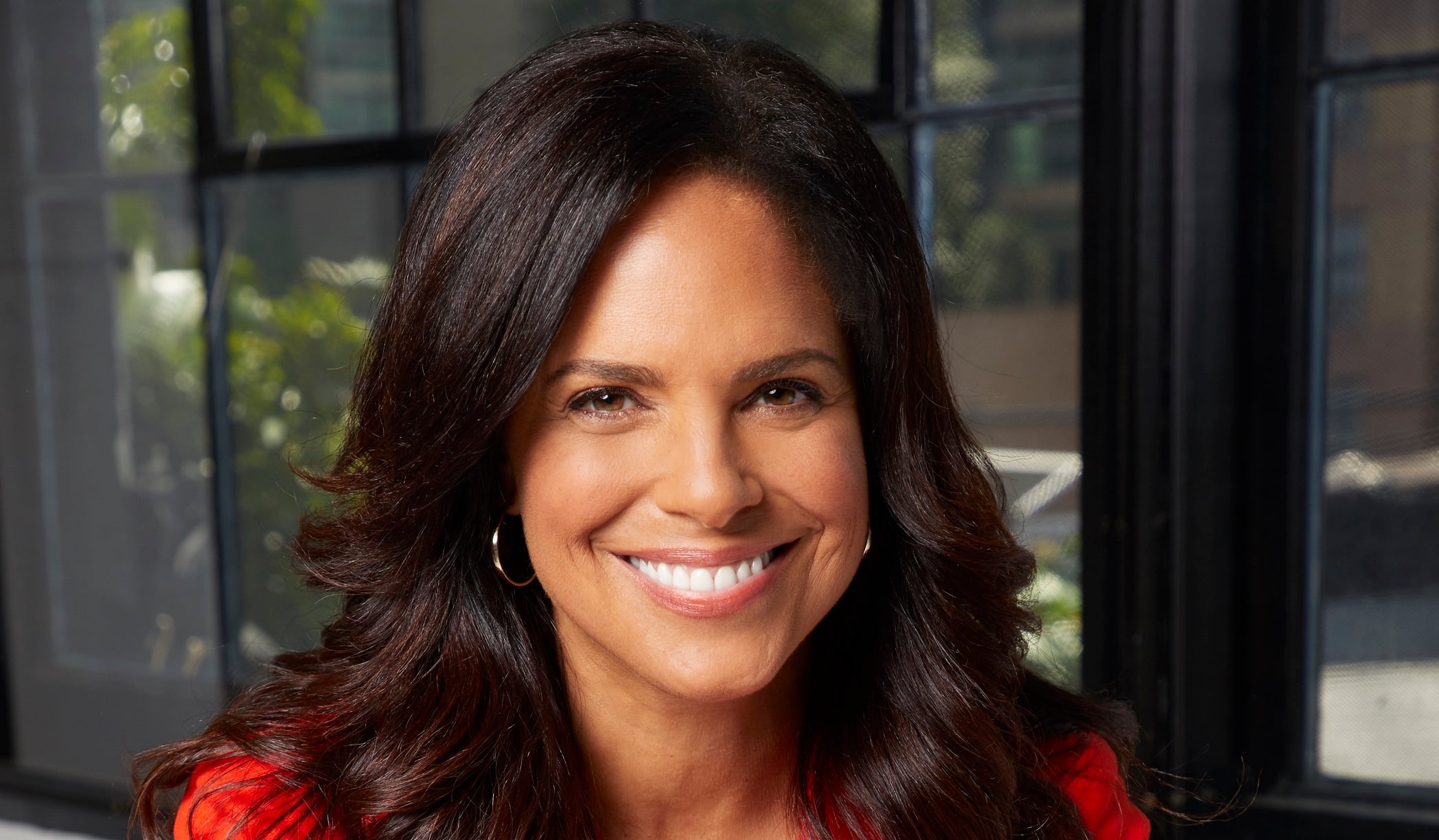
Award-winning journalist, entrepreneur, and host Soledad O'Brien spoke to Cheddar about empowering women through her own podcast on financial literacy this Women's History Month.
Six House lawmakers are calling on Meta to stop paid ads from Chinese news companies that push Russian misinformation regarding the war in Ukraine. Matt Skibinski, General Manager, NewsGuard Technologies joins Cheddar to discuss the role of social media in this war.
Reva Shakkottai, Senior Vice President and financial advisor at RBC Wealth Management, joins Cheddar News' Closing Bell, where she elaborates on factors besides Wednesday's Fed decision that led to gains across the major indexes on Thursday, including new home construction and jobless claims data.
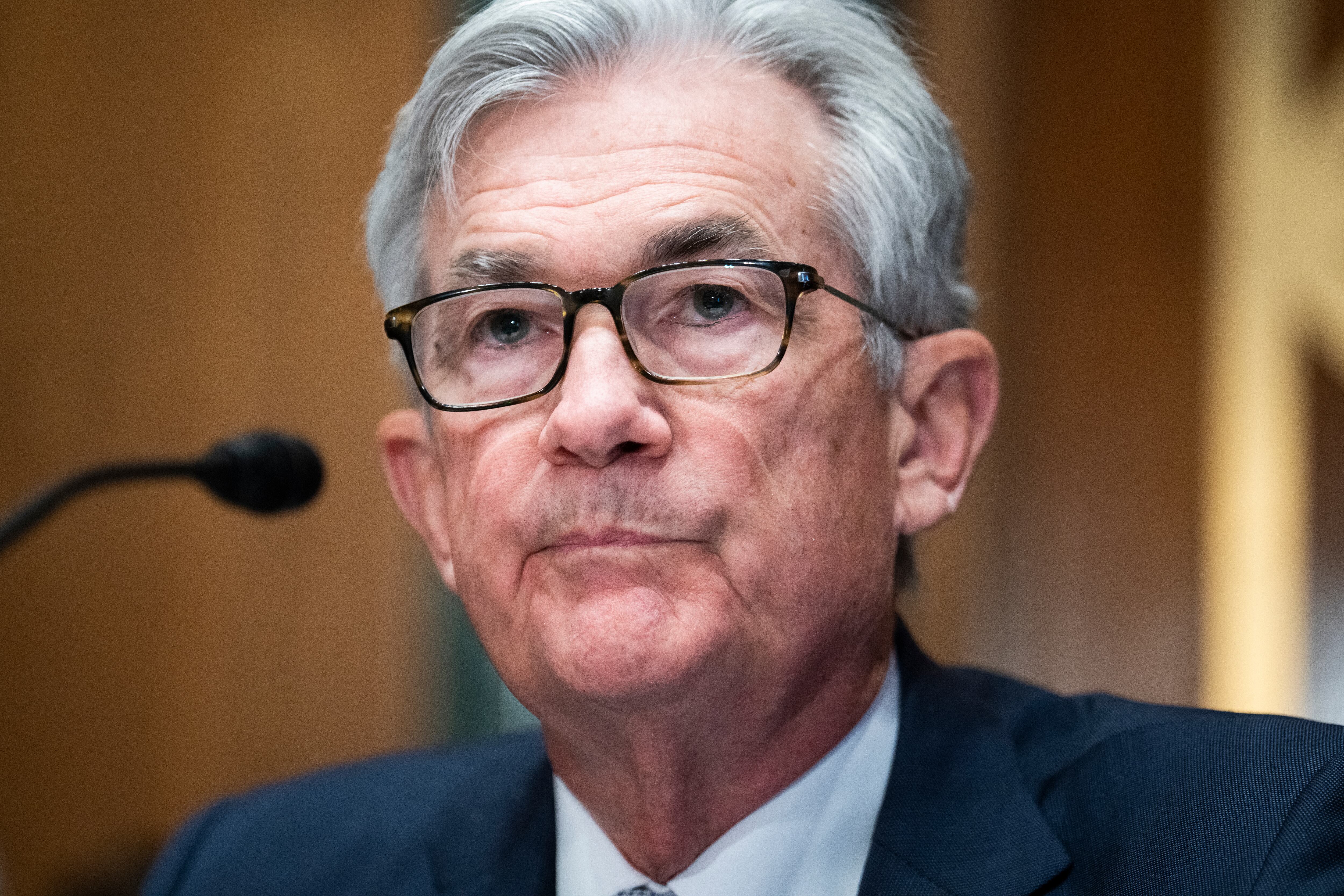
Art Hogan, Chief Market Strategist at National Securities, joins Cheddar News' Closing Bell, where he breaks down Fed Chair Jerome Powell's speech following the U.S. central bank's decision to raise rates and explains why Powell's comments move the markets more than the Fed decision itself.
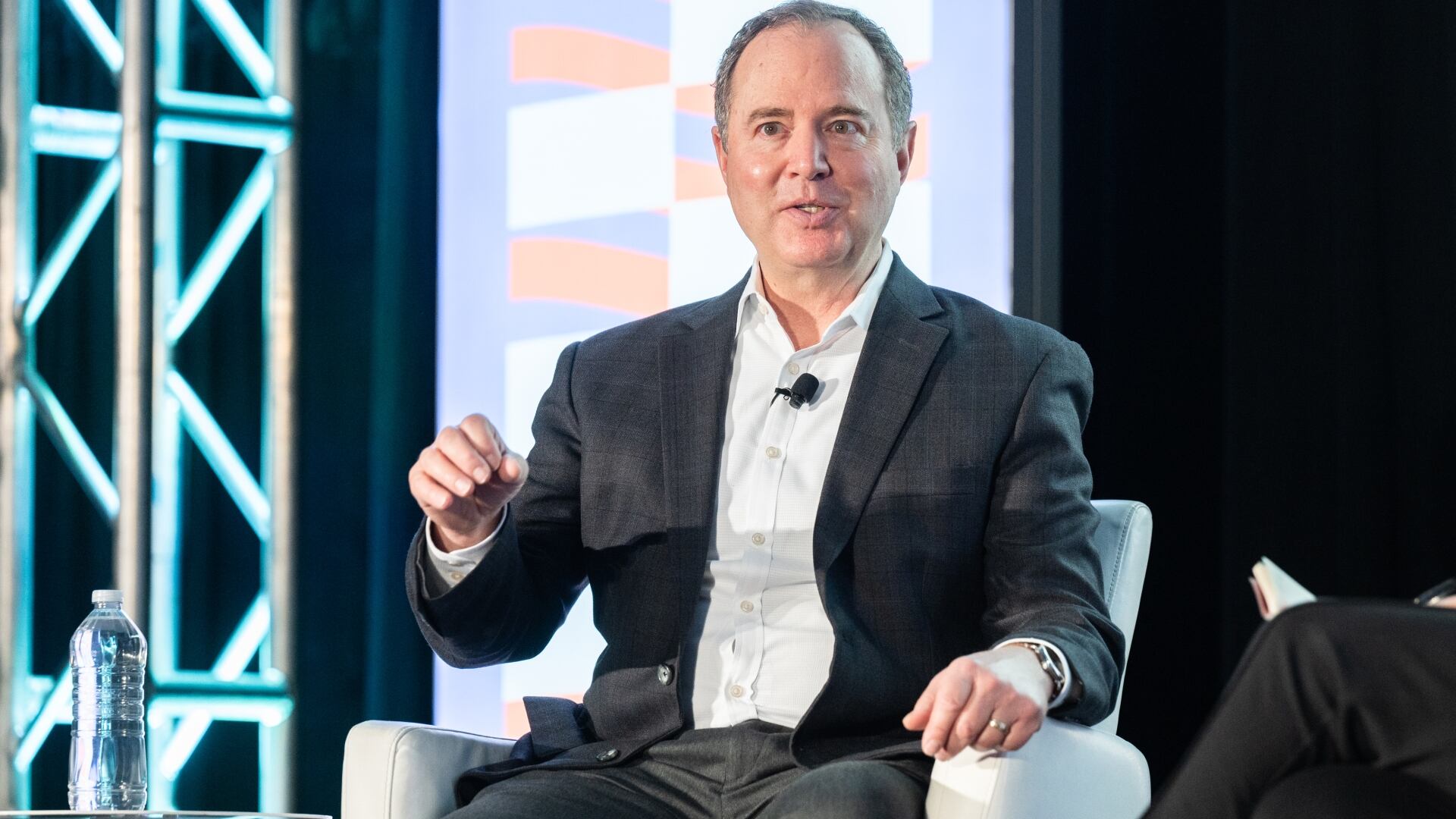
Representative Adam Schiff (D-Calif. 29th District) joined Cheddar News at South By Southwest to discuss the variety of sanctions that the United States has placed on Russia since its invasion of Ukraine began last month and the impacts they are having both domestically and abroad. With rising gas prices, especially in states like California, Schiff noted that the American people are willing to make sacrifices in order to uphold their values and suggested that crisis may be a warning to shift away from fossil fuels. "At the end of the day though, this ought to be a wake up call that we need to stop our reliance on this oil economy and move to renewable sources of energy," he said. Schiff also explained his remarks about the January 6 commission investigating those closest to former President Trump and touched on a disturbing case in San Francisco where the police department used rape kit samples to ID a murder suspect.
Markets opened lower as the Federal Reserve announces plans to hike interest rates by a quarter point, while signaling six additional rate hikes later this year. Gary Schlossberg, Global Strategist, Wells Fargo Investment Institute, joined Cheddar's Opening Bell to discuss.
Apple's Racial Equity and Justice Initiative is a $100 million program aimed at combating systemic racism while working to advance racial equity across the country. Alisha Johnson, director of the initiative, joined Cheddar at SXSW to discuss the work being done. "We focused on three critical areas. The first is education. The second is criminal justice reform, and the third is economic empowerment, really looking first in our own supply chain, how can we really increase our spend with Latinx, Hispanic, and indigenous-owned businesses," she said. "And then how can we go further to empower entrepreneurs who have been cut out of access to funding and capital and really help them to get the funding."
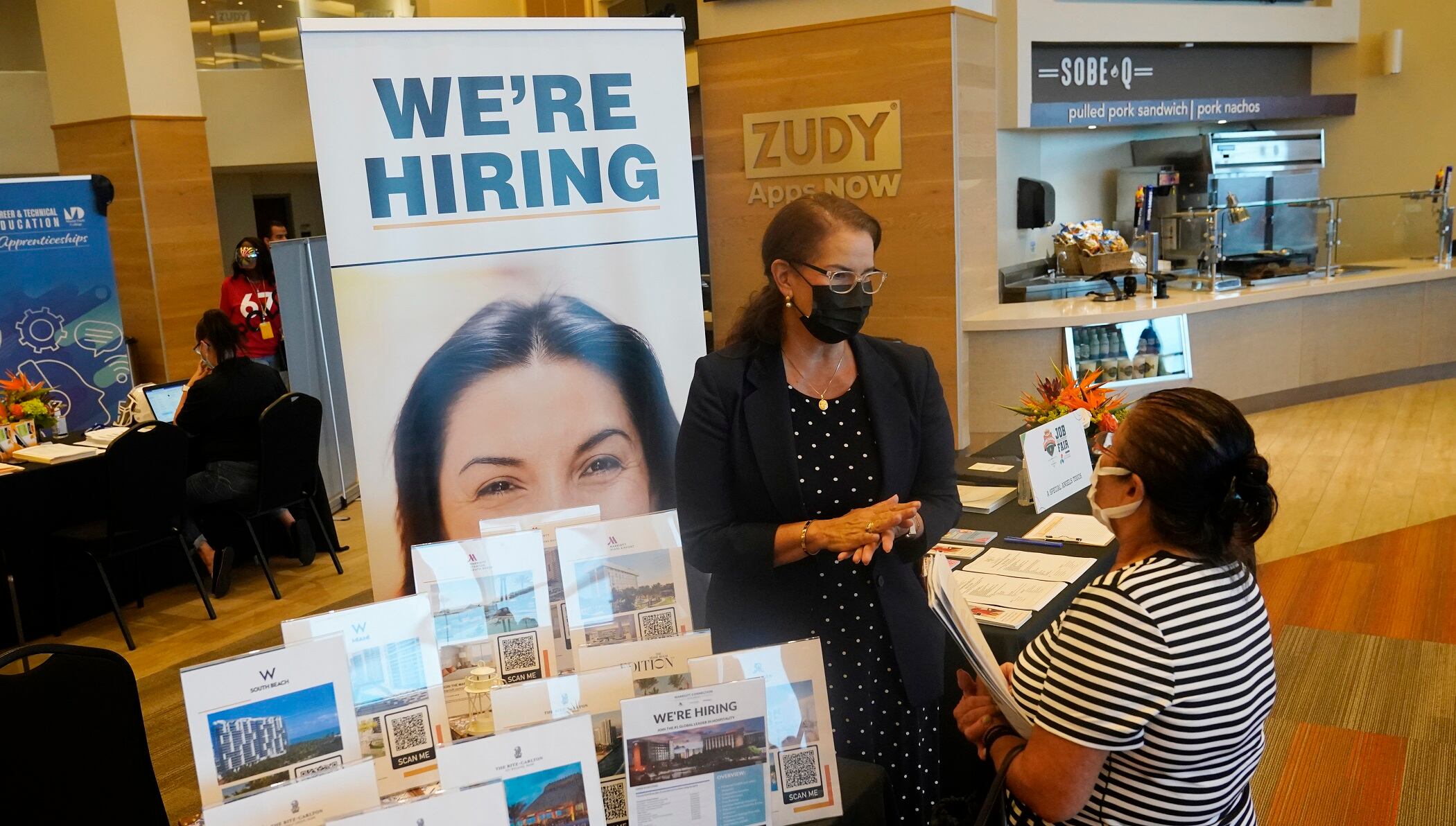
What you Need to Know on Thursday, March 17. Updates from Ukraine, President Biden refers to Putin as a ‘war criminal’ for the first time, Walmart has ambitious hiring targets for Q1, and Netflix takes steps to crack down on password sharing.