By Tali Arbel and Matt Ott
Updated 11:26 am ET
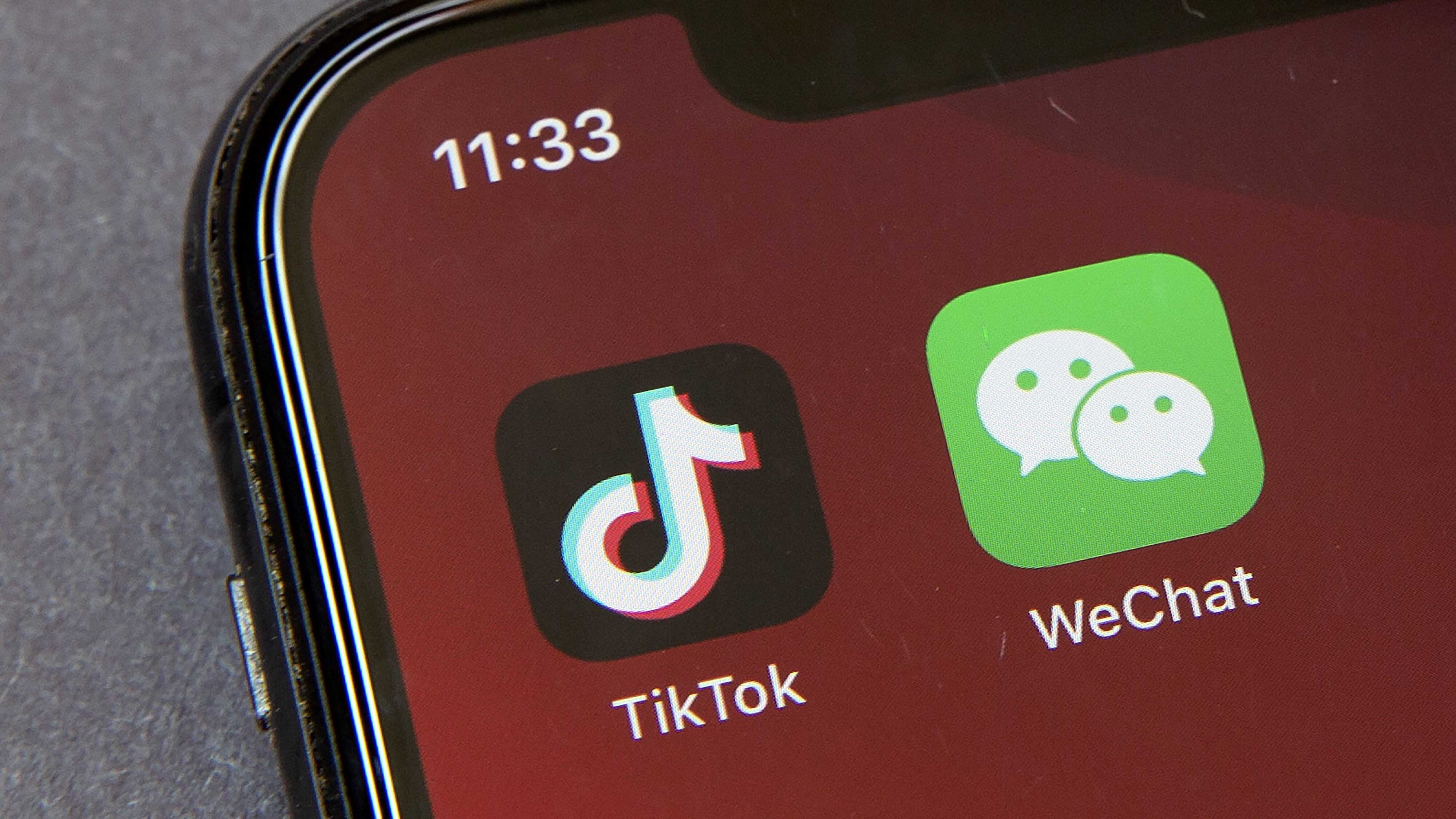
The U.S. Commerce Department said Friday it will ban Chinese-owned TikTok and WeChat from U.S. app stores on Sunday and will saddle the apps with technical restrictions that could seriously limit their functionality in the U.S.
The order, which cited national security and data privacy concerns, follows weeks of dealmaking over the video-sharing service TikTok. President Donald Trump has pressured the app's Chinese owner to sell TikTok's U.S. operations to a domestic company. It is not clear how the latest prohibitions will affect a deal recently struck by California tech giant Oracle aimed at satisfying U.S. concerns over TikTok's data collection and related issues.
TikTok expressed "disappointment" over the move and said it would continue to challenge President Donald Trump's "unjust executive order." The Commerce Department is enacting an order announced by President Donald Trump in August.
Google and Apple, the owners of the major mobile app stores, did not immediately reply to questions. Neither did WeChat owner Tencent. Oracle, which has proposed a deal with TikTok aimed at averting such a ban, also did not reply.
"At the President's direction, we have taken significant action to combat China's malicious collection of American citizens' personal data, while promoting our national values, democratic rules-based norms, and aggressive enforcement of U.S. laws and regulations," Commerce Secretary Wilbur Ross said in a prepared statement.
The action is the Trump administration's latest attempt to counter the influence of China, a rising economic superpower. Since taking office in 2017, Trump has waged a trade war with China, blocked mergers involving Chinese companies, and stifled the business of Chinese firms like Huawei, a maker of phones and telecom equipment.
China-backed hackers, meanwhile, have been blamed for data breaches of U.S. federal databases and the credit agency Equifax, and the Chinese government strictly limits what U.S. tech companies can do in China.
The order requires WeChat, which has millions of U.S. users who rely on the app to stay in touch and conduct business with people and companies in China, to end payments through its service as of Sunday and prohibits it from getting technical services from vendors that could seriously impact its functions.
Similar technical limitations for TikTok don't go into effect until Nov. 12, shortly after the U.S. election. Ross said early Friday on Fox Business Network that access to that app may be possible if certain safeguards are put into place. TikTok says it has 100 million U.S. users and 700 million globally.
WeChat users have sued to stop the ban, and a federal judge in California appeared sympathetic to WeChat users in a hearing Thursday but did not issue an injunction against the government. The Justice Department said in a filing in that case that they would not target WeChat users with criminal or civil penalties for using the app for messaging.
Like most social networks, TikTok, owned by China's ByteDance, collects user data, and moderates users' posts. It grabs users' locations and messages and tracks what they watch to figure out how best to target ads to them.
Similar concerns apply to U.S.-based social networks such as Facebook and Twitter, but Chinese ownership adds an extra wrinkle because the Chinese government could demand cooperation from Chinese companies. The administration has provided no specific evidence that TikTok has made U.S. users' data available to the Chinese government.
TikTok says it does not store U.S. user data in China and that it would not give user data to the government, and does not censor videos per dictates from China.