Secretary of State Mike Pompeo and Treasury Secretary Steve Mnuchin announced new sanctions against Iran and its economy, including on eight individuals the officials said were involved in missile strikes on Iraqi bases housing U.S. personnel on Tuesday night.
"We will continue to apply economic sanctions until Iran stops its terrorist activities and commit[s] that it will never have nuclear weapons," Mnuchin said.
Adding details to President Donald Trump's announcement Wednesday that he intended to further sanction Iran, whose goods are already heavily sanctioned, Mnuchin said the president will sign an executive order authorizing new sanctions including 17 against the nation's economy and sanctions against individuals he asserted, "advance Iran's destabilizing activities and were involved in Tuesday's ballistic missile strike." Mnuchin, who last announced sanctions against the Middle Eastern nation in September 2019 after suspected attacks on Saudi Arabian oil facilities, said the administration has "100 percent confidence" that "the economic sanctions are working."
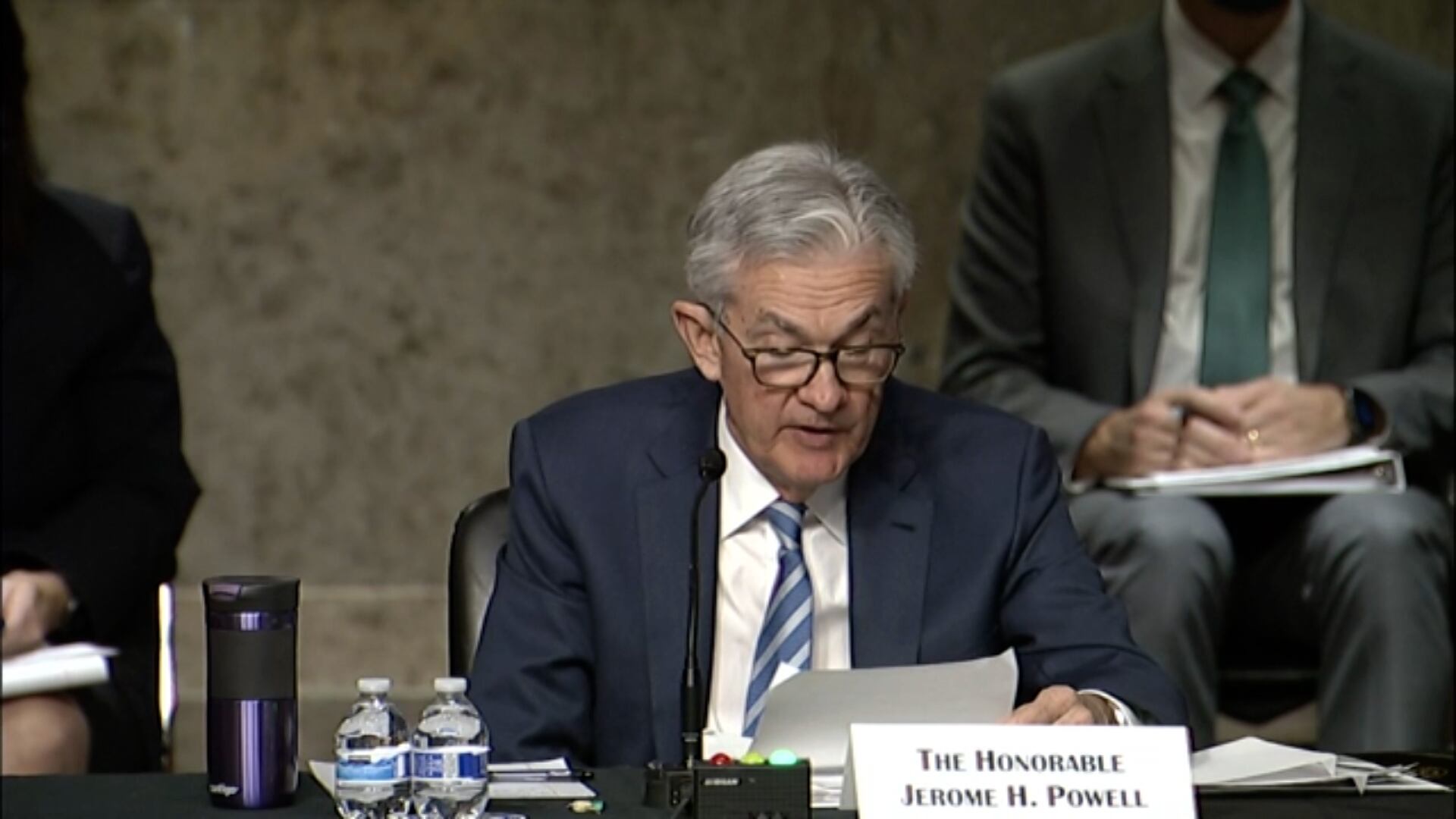
"We want Iran to behave simply like a normal nation," Pompeo told reporters in a White House briefing, saying he believed sanctions will help accomplish that goal. He added, "We're striking at the heart of the Islamic Republic's inner security apparatus."
Pompeo was pressed by reporters on the timing of attacks the president initially said were "imminent." The administration has been inconsistent in justification for the drone strike on Jan. 3 that killed Iranian top military commander Gen. Qassem Soleimani. In the past 24 hours, Trump said "they were looking to blow up our embassy," which the administration later explained he was referencing the storming of the Baghdad embassy on New Year's Eve. Though the Department of Defense had stated that the general had been "actively developing plans" to attack Americans in the region, Pompeo told Fox last night "we don't know precisely when and we don't know precisely where."
On Friday morning, Pompeo attempted to clarify the differing accounts, saying "we had specific information on an imminent threat and those included attacks on U.S. embassies. Period. Full stop."
Justification for the drone strike has had lawmakers up in arms for days, exacerbated by the five days it took the White House to brief Congressional leaders, a meeting two Republican Senators had excoriated as unacceptable and had them saying they would vote with Democrats in a war powers resolution.
Pompeo repeated this morning that Soleimani had been planning "a broad, large-scale attack against American interests," including U.S. embassies and bases in the region, and reiterated reports from the U.S. and its allies that the Ukrainian passenger jet that crashed after its takeoff in Iran, just hours after Iran had sent a retaliatory missile barrage at Americans housed in Iraqi bases, was "likely" shot down by an Iranian missile.
"When we get the results of that investigation, I am confident we and the rest of the world will take appropriate action," Pompeo said.
After 40 years of tension came to a head last month with the death of an American contractor, storming of the American embassy in Baghdad, and the killing of Soleimani, lawmakers worried the president had taken the U.S. to the brink of war with the Iran. On Jan. 8, Trump said Iran appeared to "be standing down" after its missile attack response.