Secretary of State Mike Pompeo and Treasury Secretary Steve Mnuchin announced new sanctions against Iran and its economy, including on eight individuals the officials said were involved in missile strikes on Iraqi bases housing U.S. personnel on Tuesday night.
"We will continue to apply economic sanctions until Iran stops its terrorist activities and commit[s] that it will never have nuclear weapons," Mnuchin said.
Adding details to President Donald Trump's announcement Wednesday that he intended to further sanction Iran, whose goods are already heavily sanctioned, Mnuchin said the president will sign an executive order authorizing new sanctions including 17 against the nation's economy and sanctions against individuals he asserted, "advance Iran's destabilizing activities and were involved in Tuesday's ballistic missile strike." Mnuchin, who last announced sanctions against the Middle Eastern nation in September 2019 after suspected attacks on Saudi Arabian oil facilities, said the administration has "100 percent confidence" that "the economic sanctions are working."
"We want Iran to behave simply like a normal nation," Pompeo told reporters in a White House briefing, saying he believed sanctions will help accomplish that goal. He added, "We're striking at the heart of the Islamic Republic's inner security apparatus."
Pompeo was pressed by reporters on the timing of attacks the president initially said were "imminent." The administration has been inconsistent in justification for the drone strike on Jan. 3 that killed Iranian top military commander Gen. Qassem Soleimani. In the past 24 hours, Trump said "they were looking to blow up our embassy," which the administration later explained he was referencing the storming of the Baghdad embassy on New Year's Eve. Though the Department of Defense had stated that the general had been "actively developing plans" to attack Americans in the region, Pompeo told Fox last night "we don't know precisely when and we don't know precisely where."
On Friday morning, Pompeo attempted to clarify the differing accounts, saying "we had specific information on an imminent threat and those included attacks on U.S. embassies. Period. Full stop."
Justification for the drone strike has had lawmakers up in arms for days, exacerbated by the five days it took the White House to brief Congressional leaders, a meeting two Republican Senators had excoriated as unacceptable and had them saying they would vote with Democrats in a war powers resolution.
Pompeo repeated this morning that Soleimani had been planning "a broad, large-scale attack against American interests," including U.S. embassies and bases in the region, and reiterated reports from the U.S. and its allies that the Ukrainian passenger jet that crashed after its takeoff in Iran, just hours after Iran had sent a retaliatory missile barrage at Americans housed in Iraqi bases, was "likely" shot down by an Iranian missile.
"When we get the results of that investigation, I am confident we and the rest of the world will take appropriate action," Pompeo said.
After 40 years of tension came to a head last month with the death of an American contractor, storming of the American embassy in Baghdad, and the killing of Soleimani, lawmakers worried the president had taken the U.S. to the brink of war with the Iran. On Jan. 8, Trump said Iran appeared to "be standing down" after its missile attack response.
Although this week's weather is predicted to be less severe than the 2021 storm, Texans are preparing for the worst - stocking up on supplies and emptying shelves in grocery stores, once again. Some Texans still have not recovered from last year's tragedy, and are heading into the next few weeks with anxiety for what's to come. Leslie Beyer, CEO of the Houston-based energy workforce & technology council, joins Cheddar News to discuss if the Texas grid will fail again.
Student loan debt continues to be a major concern for tens of millions of Americans who collectively owe about $1.7 trillion. Black college students often take on larger amounts of student debt in order to pay for a higher education. In turn, they are more likely to struggle post-graduation with repaying their debt, creating a racial wealth gap divide. Andre Perry, senior fellow at Brookings Institution joined All Hands to help break down the black student debt crisis.
After two NYPD officers were killed with an illegal gun, President Biden made a trip to New York City to speak on the issue of gun violence fed by the "iron pipeline" of illegal firearms that make their way from the South to the Big Apple. Kris Brown, the president of the gun violence prevention organization Brady United, joined Cheddar to discuss what this visit from the president could mean for the future of gun laws in America. "He's asked Congress to pass things like expanding the Brady background check system, but with the filibuster a barrier to so much action right now in the Congress, he's looking at solutions that involve funding at the federal level and really involve enforcement."
Following the surprising big beat on estimates for the January jobs report, William M. Rodgers III, vice president and director of the Institute for Economic Equity at the Federal Reserve Bank of St. Louis, joined Cheddar News to break down the data. “We ended 2021 with a strong crescendo to a recovery that had taken hold, and we started 2022 in good fashion." He also discussed the dueling pressures of wage growth and inflation.
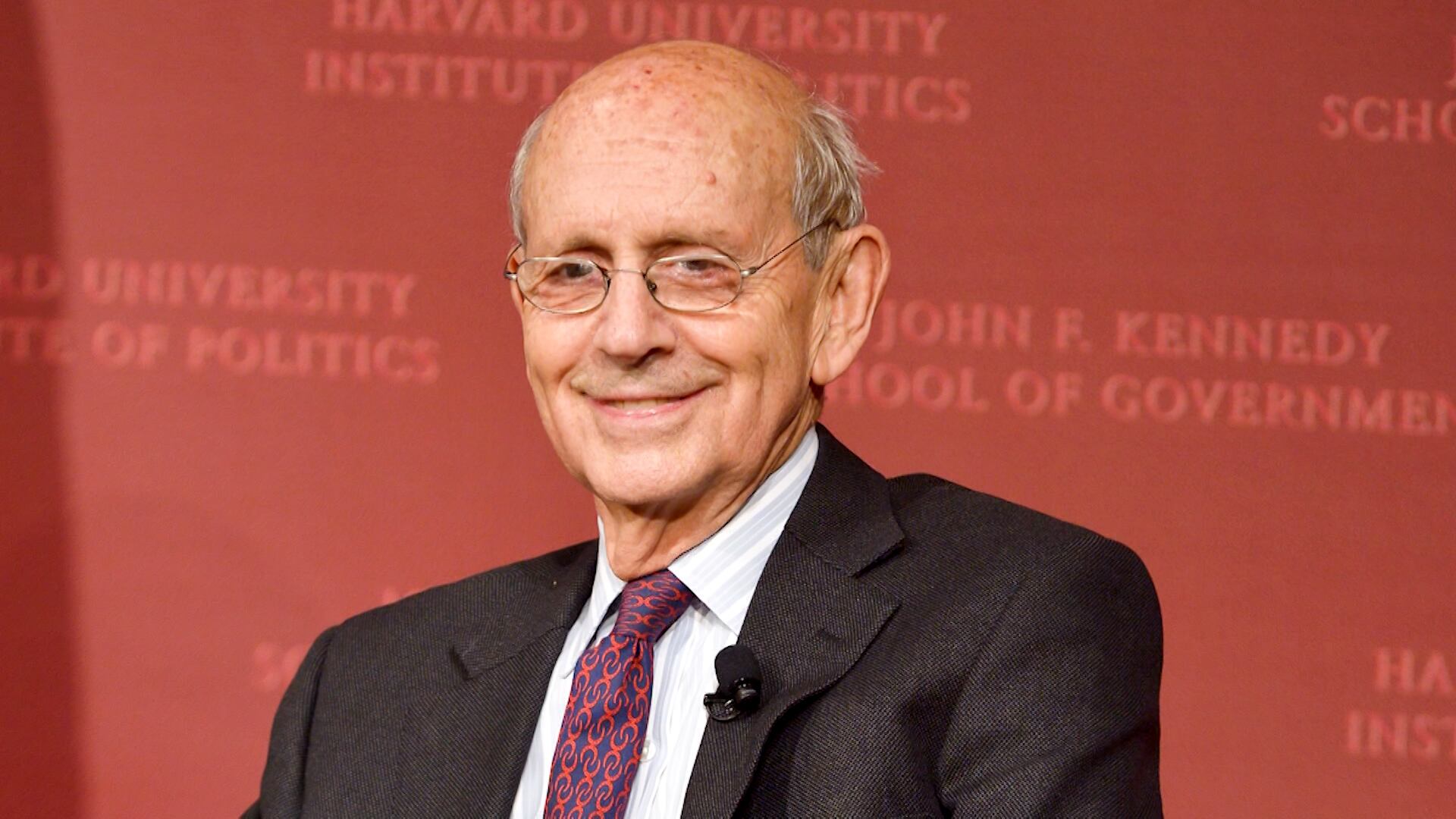
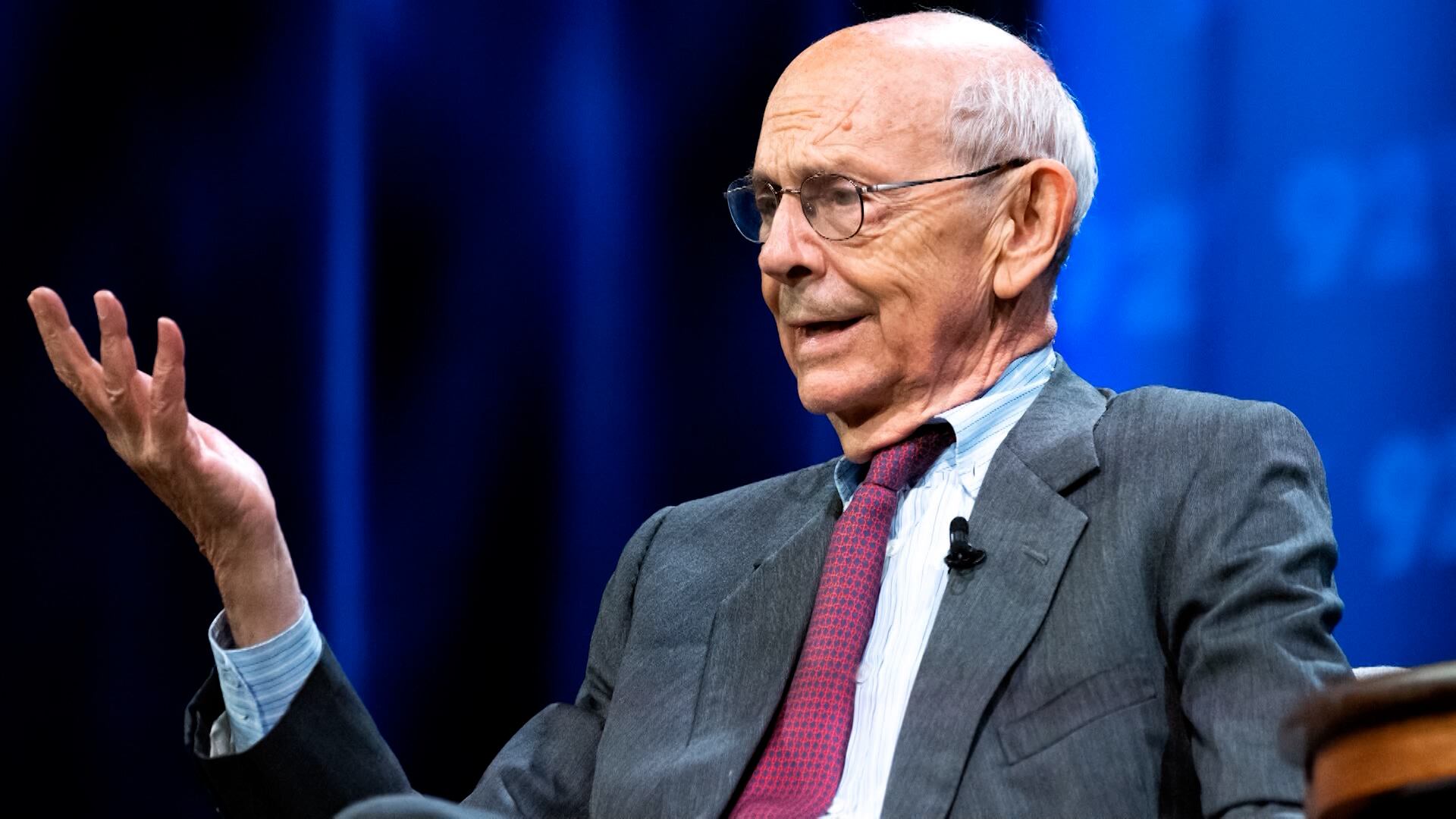
Jessica Mason Pieklo, senior vice president and executive editor of the Rewired News Group and co-host of the podcast. "Boom! Lawyered," joins Cheddar Politics to discuss Justice Stephen Breyer's retirement, legacy and potential replacement on the Supreme Court.
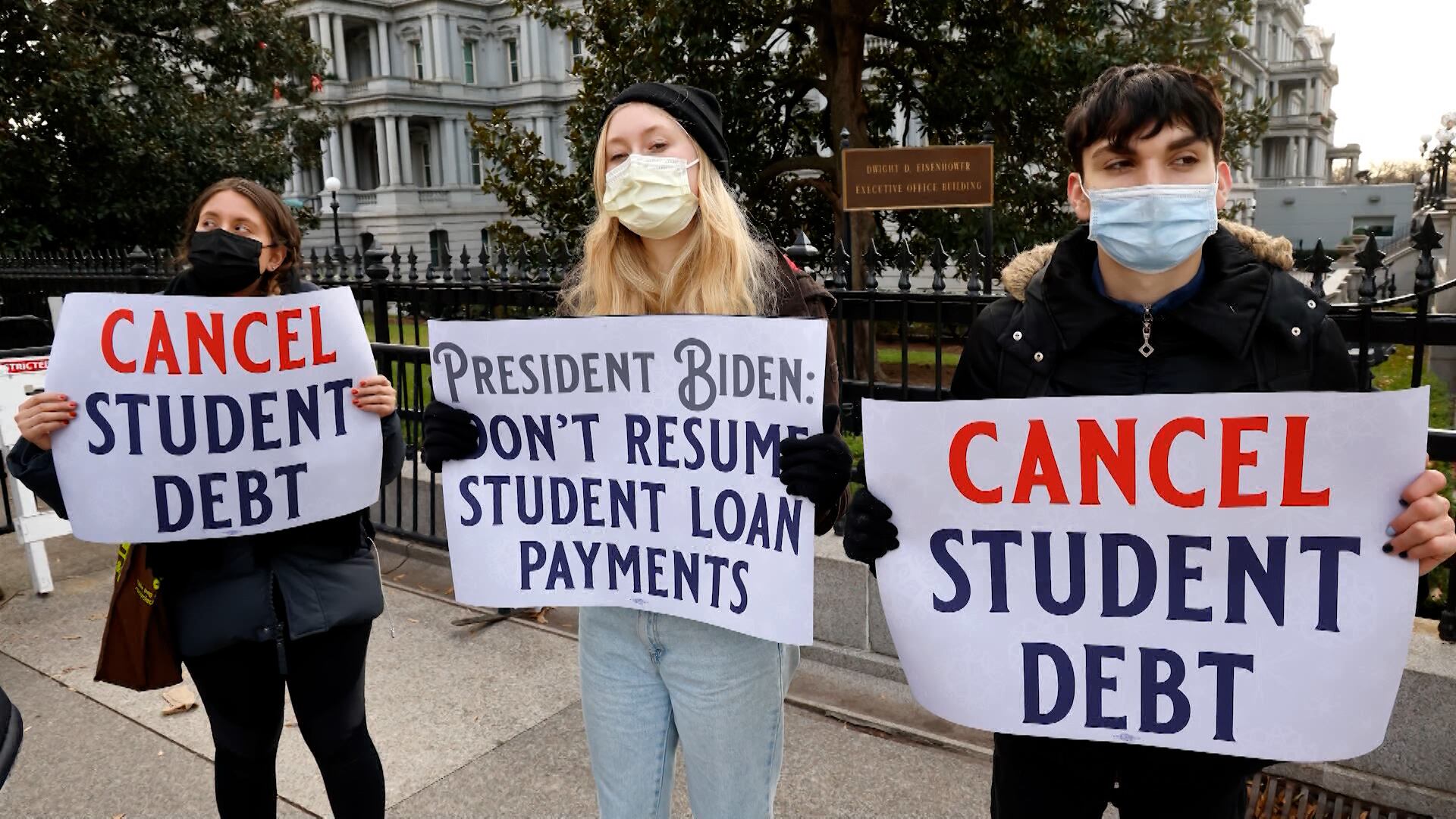
The Biden administration delivered a temporary win for student loan borrowers this year by extending the moratorium on federal payments for a few more months. That moratorium is coming to an end on May 1st and borrowers will again have their monthly loan payment plopped in their lap.
Stephanie Vanderslice, a creative writing professor paying off debt through the Parent Plus program, and Mike Pierce, executive director of the Student Borrower Protection Center, join Cheddar Politics to discuss.
2022 was already going to be a big year for the Supreme Court. We have decisions on major issues like abortion and gun rights on the way. Then, Justice Stephen Breyer announced his retirement and that set up a major confirmation fight for later this year. Amy Howe, co-founder of SCOTUSblog, joins Cheddar Politics to discuss.
The Labor Department released a better-than-expected report of 467,000 jobs added in January. Heather Boushey, Council of Economic Advisers Member for President Biden, joined Cheddar to tout the administration's handling of the economy amid the pandemic and the upward revisions for the previous month. "It also shows that, because of the revisions, the economy was stronger over the past couple of months," she said. "I don't think that this can be said enough, but economic forecasting during an historic pandemic is extremely difficult." Boushey also addressed issues involving wage growth versus the rapid rise of inflation.