Secretary of State Mike Pompeo and Treasury Secretary Steve Mnuchin announced new sanctions against Iran and its economy, including on eight individuals the officials said were involved in missile strikes on Iraqi bases housing U.S. personnel on Tuesday night.
"We will continue to apply economic sanctions until Iran stops its terrorist activities and commit[s] that it will never have nuclear weapons," Mnuchin said.
Adding details to President Donald Trump's announcement Wednesday that he intended to further sanction Iran, whose goods are already heavily sanctioned, Mnuchin said the president will sign an executive order authorizing new sanctions including 17 against the nation's economy and sanctions against individuals he asserted, "advance Iran's destabilizing activities and were involved in Tuesday's ballistic missile strike." Mnuchin, who last announced sanctions against the Middle Eastern nation in September 2019 after suspected attacks on Saudi Arabian oil facilities, said the administration has "100 percent confidence" that "the economic sanctions are working."
"We want Iran to behave simply like a normal nation," Pompeo told reporters in a White House briefing, saying he believed sanctions will help accomplish that goal. He added, "We're striking at the heart of the Islamic Republic's inner security apparatus."
Pompeo was pressed by reporters on the timing of attacks the president initially said were "imminent." The administration has been inconsistent in justification for the drone strike on Jan. 3 that killed Iranian top military commander Gen. Qassem Soleimani. In the past 24 hours, Trump said "they were looking to blow up our embassy," which the administration later explained he was referencing the storming of the Baghdad embassy on New Year's Eve. Though the Department of Defense had stated that the general had been "actively developing plans" to attack Americans in the region, Pompeo told Fox last night "we don't know precisely when and we don't know precisely where."
On Friday morning, Pompeo attempted to clarify the differing accounts, saying "we had specific information on an imminent threat and those included attacks on U.S. embassies. Period. Full stop."
Justification for the drone strike has had lawmakers up in arms for days, exacerbated by the five days it took the White House to brief Congressional leaders, a meeting two Republican Senators had excoriated as unacceptable and had them saying they would vote with Democrats in a war powers resolution.
Pompeo repeated this morning that Soleimani had been planning "a broad, large-scale attack against American interests," including U.S. embassies and bases in the region, and reiterated reports from the U.S. and its allies that the Ukrainian passenger jet that crashed after its takeoff in Iran, just hours after Iran had sent a retaliatory missile barrage at Americans housed in Iraqi bases, was "likely" shot down by an Iranian missile.
"When we get the results of that investigation, I am confident we and the rest of the world will take appropriate action," Pompeo said.
After 40 years of tension came to a head last month with the death of an American contractor, storming of the American embassy in Baghdad, and the killing of Soleimani, lawmakers worried the president had taken the U.S. to the brink of war with the Iran. On Jan. 8, Trump said Iran appeared to "be standing down" after its missile attack response.
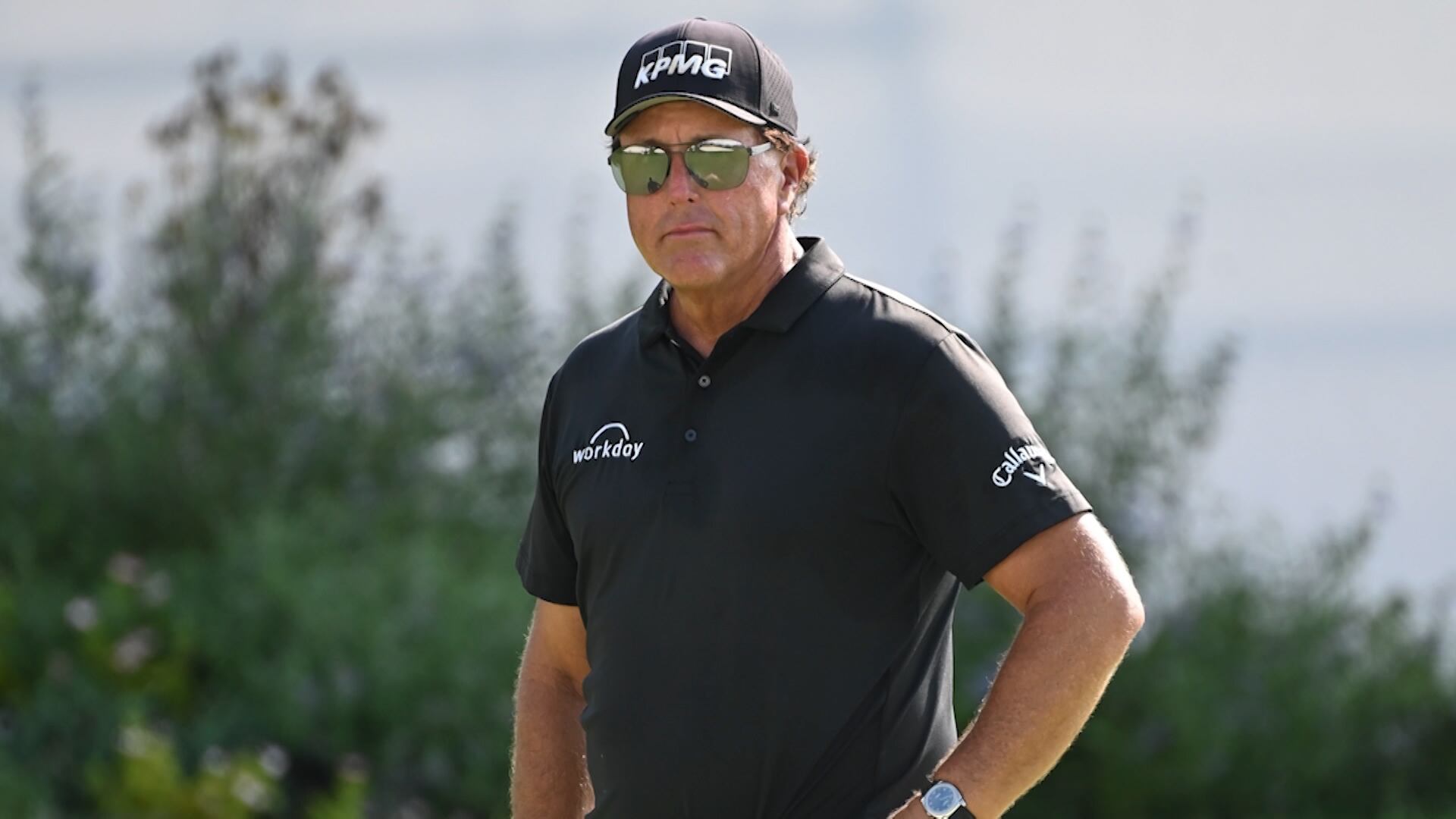
The PGA has suspended 17 golfers, including Phil Mickelson and Dustin Johnson, who are competing in a Saudi-backed golf event outside of London. In a memo, commissioner Jay Monahan said "these players have made their choice for their own financial-based reasons", announcing they are ineligible to participate on the PGA tour or any other tours it sanctions. Hugh Kellenberger, Senior Managing Editor at the Athletic, breaks down the controversy, and what might happen next.
U.S. stocks closed Friday at session lows after May CPI data showed inflation in the U.S. has not peaked and is still rising rapidly. For the week, the S&P fell 5.06%, the Dow lost 4.58%, and the Nasdaq dropped 5.60%, marking the worst week since January for all three major indexes. Mike Zigmont, Head of Trading and Research at Harvest Volatility Management, joins Cheddar News' Closing Bell to discuss.
Benefits brokerage, Nava Benefits, raised $40 million in a Series B round. Nava says it's on a mission to fix healthcare, one benefits plan at a time. The startup is working to bring benefits to small business that are normally available to only Fortune 500 companies. Brandon Weber, Co-Founder and CEO of Nava Benefits, joined Cheddar News' Closing Bell to discuss.
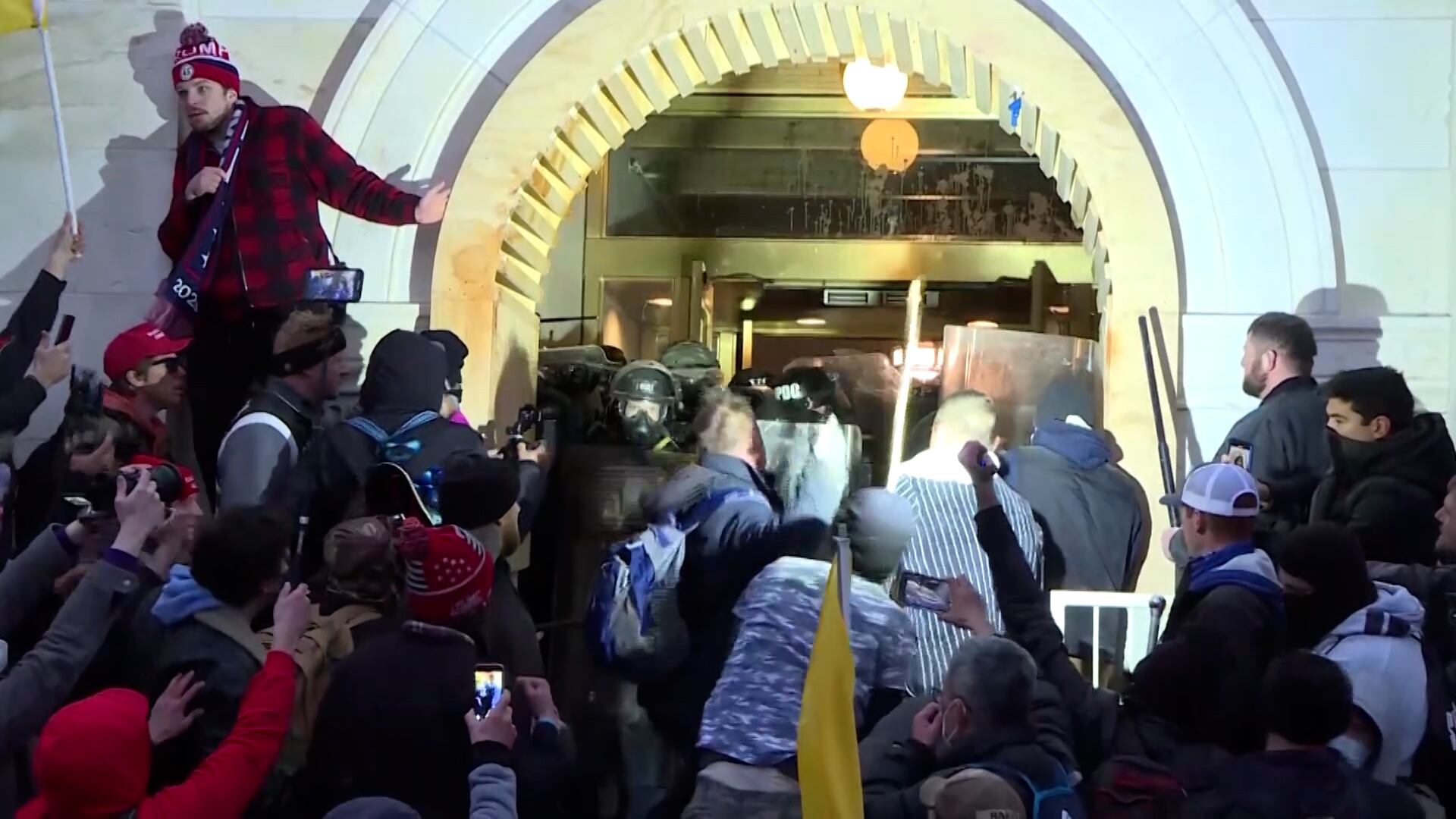
The House Select Committee investigating the Jan. 6 riots on Capitol Hill held its first primetime hearing on Thursday. Cheddar News speaks with legal analyst Tracy Pearson, who breaks down the biggest takeaways.
Fuel and oil prices have risen almost 17 percent since May, making the national gas prices reach nearly $5 a gallon. Andrew Lipow from consulting firm Lipow Oil Associates joined Cheddar News to discuss the future of gas prices. "The biggest issue on the oil market is really events that are beyond our control, which is what is happening over in Europe," he said, regarding the ongoing Russia Ukraine war. Lipow also said he predicted gas prices to hit $5.05 and that he's focused on the Biden administration's overtures in repairing a relationship with Saudi Arabia.
March For Our Lives will be returning this weekend to Washington, DC, in the wake of the recent mass shooting seen throughout the country. Marchers include Yolanda Renee King, the only granddaughter of Martin Luther King Jr. She joined Cheddar News to discuss the importance of the march and activism in general. "I just think that it's so important to have these rallies because we need to demand to our leaders and politicians that they pass legislation and that and we actually need to see action," she said.
Erika Alexander and Whitney Dow, directors of 'The Big Payback,' join Cheddar News to discuss their new film, 'The Big Payback.' It premieres Saturday, June 11 at the Tribeca Festival.
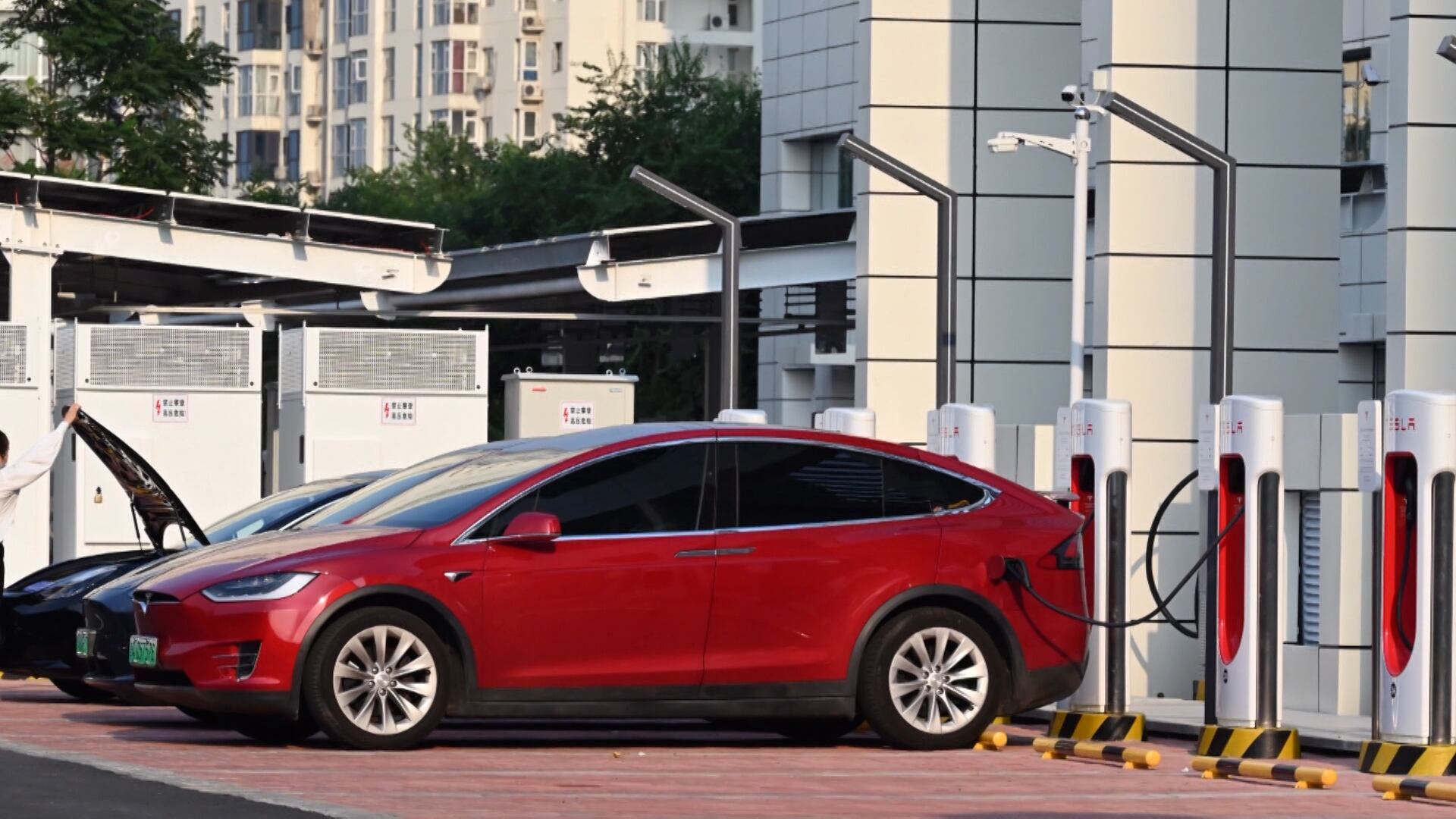
President Biden proposed a new rule that would add 500,000 chargers for electric vehicles nationwide. The proposal comes amid the rapid shift to EVs with dozens of automakers announcing plans for all-electric fleets within the next decade. But with the new surge will the U.S. have the proper infrastructure to keep up? Scott Painter, founder and CEO of Autonomy.com joined Cheddar's Opening Bell to discuss. "I really think the idea of standardization is a big deal. Standardization certainly makes it much better for everybody to be able to get a charge when they need one," he said.
The House select committee investigating the January 6th riots on Capitol Hill is opening its landmark series of public hearings. Cheddar News speaks with Mike Sozan, senior fellow at the Center for American Progress who explains how to follow the hearings and what to expect.