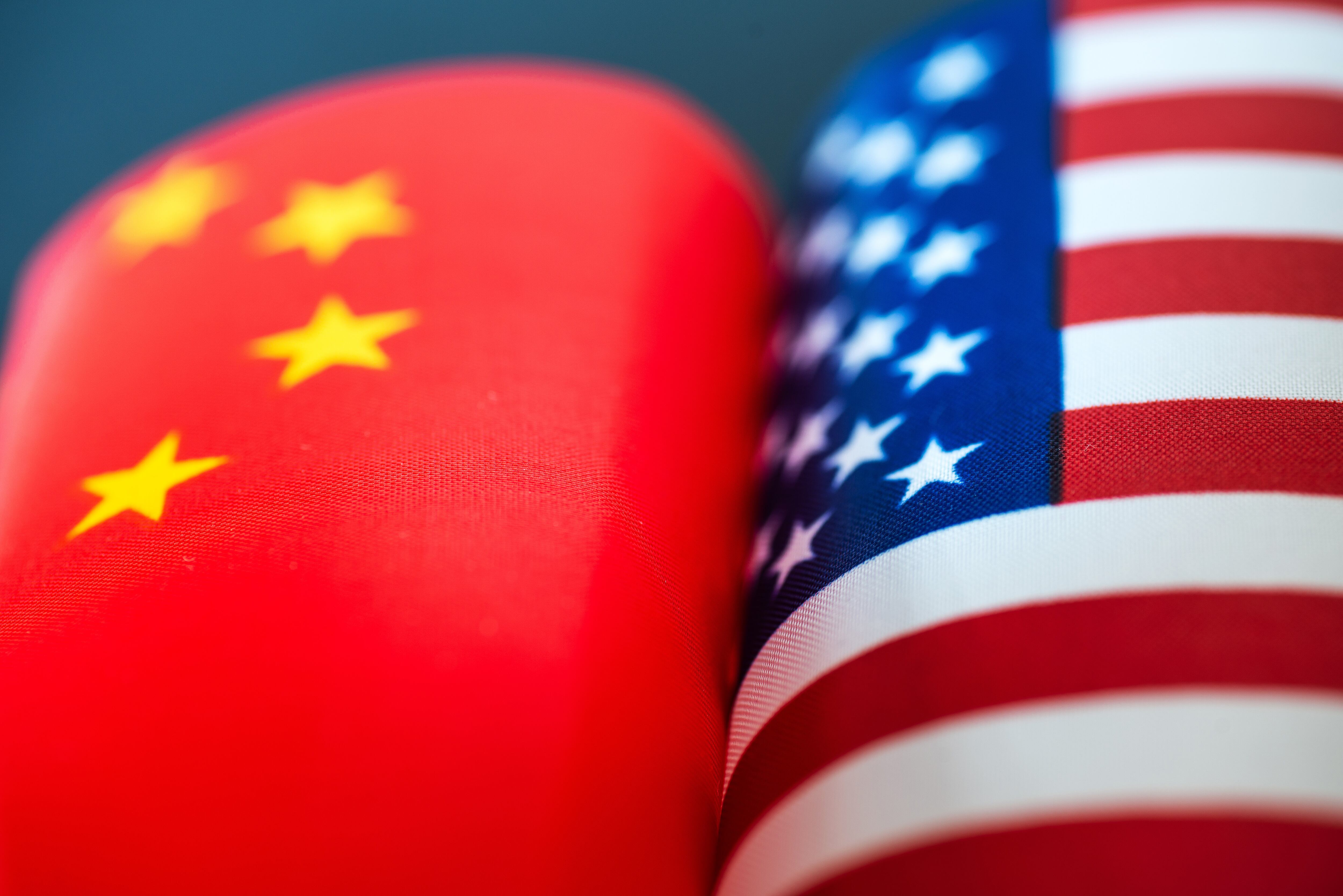
Stocks in the U.S. opened higher Tuesday, reversing pre-market losses after a report in the Wall Street Journal signified that American and Chinese negotiators were preparing to delay the next round of tariffs, scheduled to go into effect Sunday. The Journal cited sources close to the matter on both sides of the table.
Dec. 15 is the date that U.S. tariffs on Chinese imports would increase and hit the consumer electronics industry especially hard. Chinese-made products like Bluetooth headphones, smart watches, and other smart devices have been spared, so far, in the 17-month trade war.
Scheduled tariffs have been delayed in the past as the two sides appeared to show progress in reaching a "phase one" deal, though it has yet to materialize. One of the largest impediments to the deal remains China's refusal to commit to buying more agricultural products and farming equipment from the U.S., according to the Journal. American farmers are considered by the White House to be a key bloc of support for President Trump's re-election.
News that the Dec. 15 deadline could be punted came as President Trump and House Speaker Nancy Pelosi appear to be on the verge of announcing a separate trade deal, known as UMSCA, which would involve just Mexico and Canada, replacing NAFTA. That deal could be announced as soon as this week ー raising the specter of House Democrats handing the president a major policy victory just as they also prepare to impeach him.
The saga of Adidas' high-profile break-up with Ye, formerly known as Kanye West, continues. Investors have filed a class action lawsuit alleging that executives were aware of Ye's behavioral issues well before Adidas ended its relationship with him last October.
The top financial concern for Americans in 2023 is inflation. Sudha Chandrasekharan, SVP, of Global E-Commerce at Auctane, joins Cheddar News to discuss how this outlook will change consumer spending habits, and why e-commerce is playing a vital role in the economy.
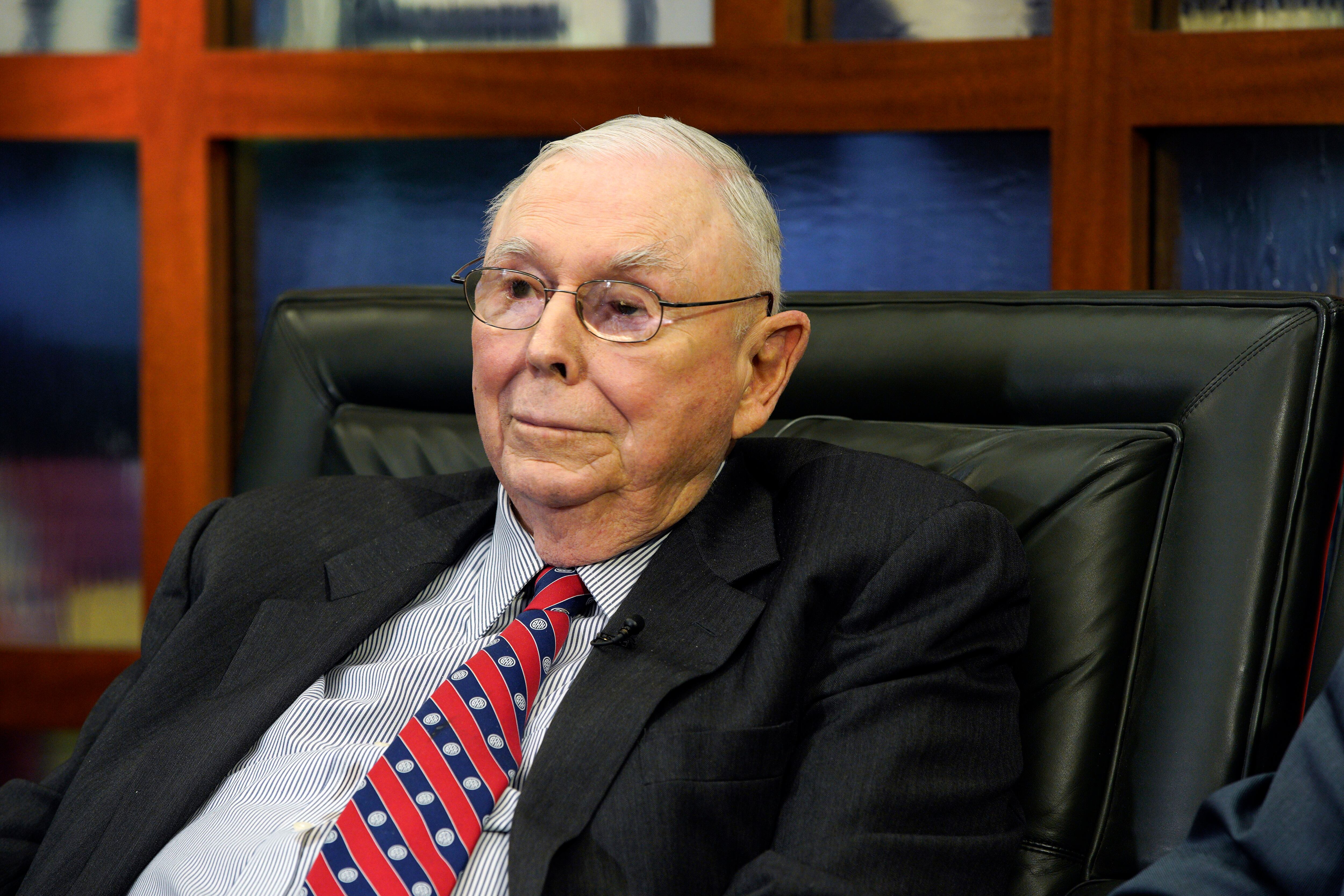
Charlie Munger, vice chairman of Berkshire Hathaway, told the Financial Times that the U.S. commercial property market is in trouble. “It’s not nearly as bad as it was in 2008,” he said. “But trouble happens to banking just like trouble happens everywhere else.”
Labor strife is coming to a head in the entertainment industry, as the Writers Guild of America (WGA) said it's prepared to strike at midnight Tuesday if it doesn't come to terms with the Alliance of Motion Picture and Television Producers (AMPTP).
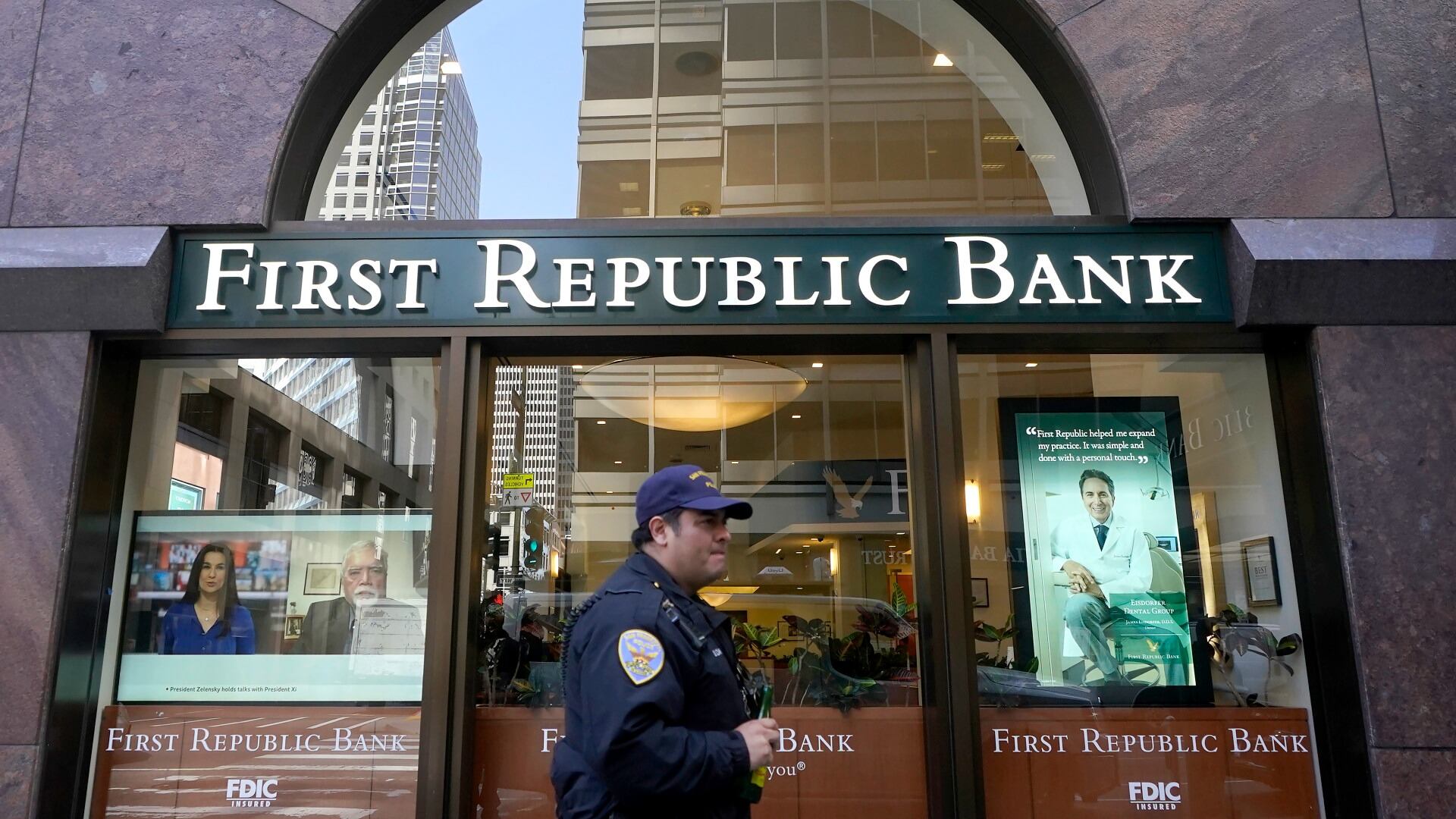
Regulators seized troubled First Republic Bank early Monday, making it the second-largest bank failure in U.S. history, and promptly sold all of its deposits and most of its assets to JPMorgan Chase.