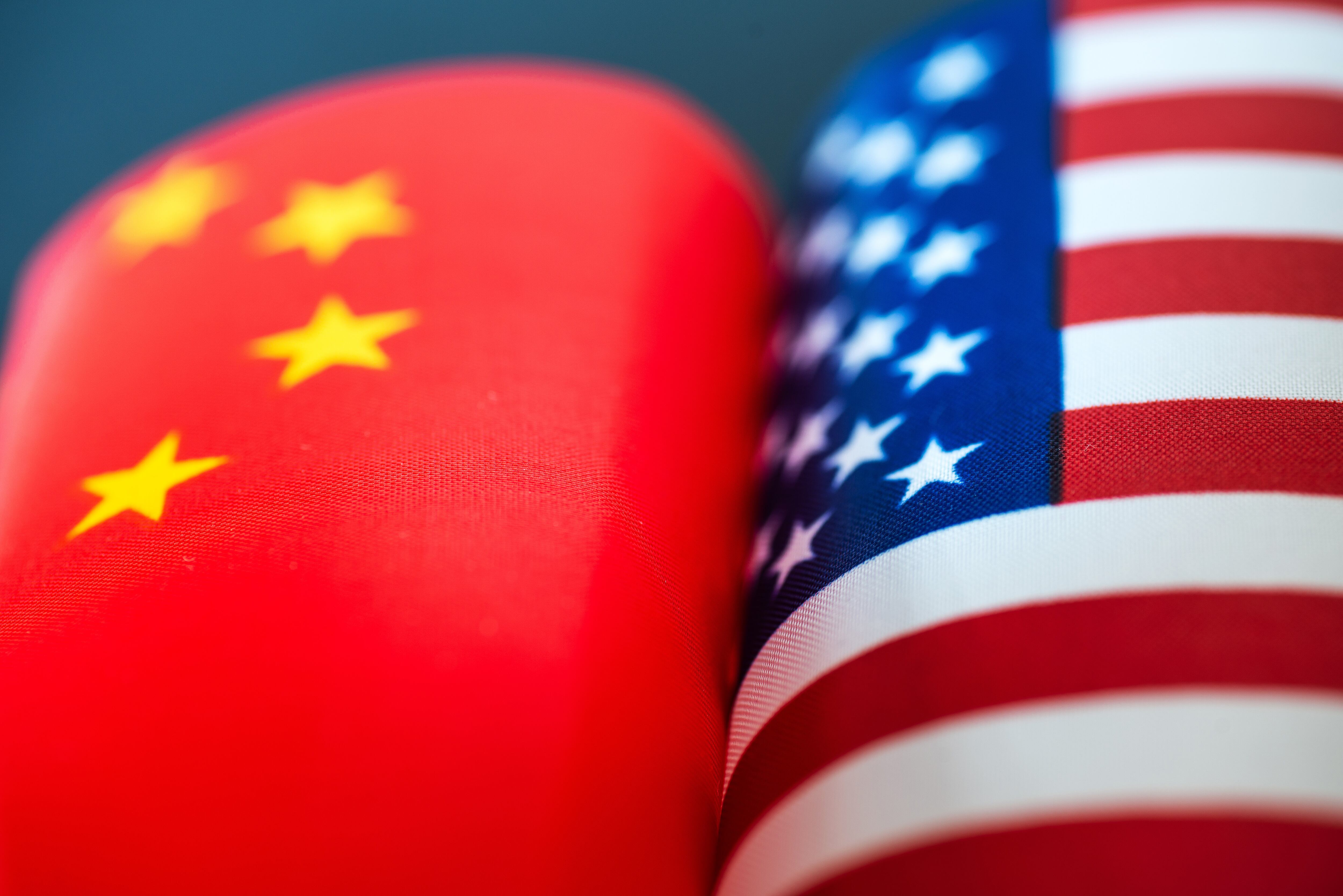
Stocks in the U.S. opened higher Tuesday, reversing pre-market losses after a report in the Wall Street Journal signified that American and Chinese negotiators were preparing to delay the next round of tariffs, scheduled to go into effect Sunday. The Journal cited sources close to the matter on both sides of the table.
Dec. 15 is the date that U.S. tariffs on Chinese imports would increase and hit the consumer electronics industry especially hard. Chinese-made products like Bluetooth headphones, smart watches, and other smart devices have been spared, so far, in the 17-month trade war.
Scheduled tariffs have been delayed in the past as the two sides appeared to show progress in reaching a "phase one" deal, though it has yet to materialize. One of the largest impediments to the deal remains China's refusal to commit to buying more agricultural products and farming equipment from the U.S., according to the Journal. American farmers are considered by the White House to be a key bloc of support for President Trump's re-election.
News that the Dec. 15 deadline could be punted came as President Trump and House Speaker Nancy Pelosi appear to be on the verge of announcing a separate trade deal, known as UMSCA, which would involve just Mexico and Canada, replacing NAFTA. That deal could be announced as soon as this week ー raising the specter of House Democrats handing the president a major policy victory just as they also prepare to impeach him.
Stellantis is telling owners of nearly 220,000 Jeep Cherokee SUVs worldwide to park them outdoors and away from other vehicles because the power liftgates can catch fire even when the engines are off.
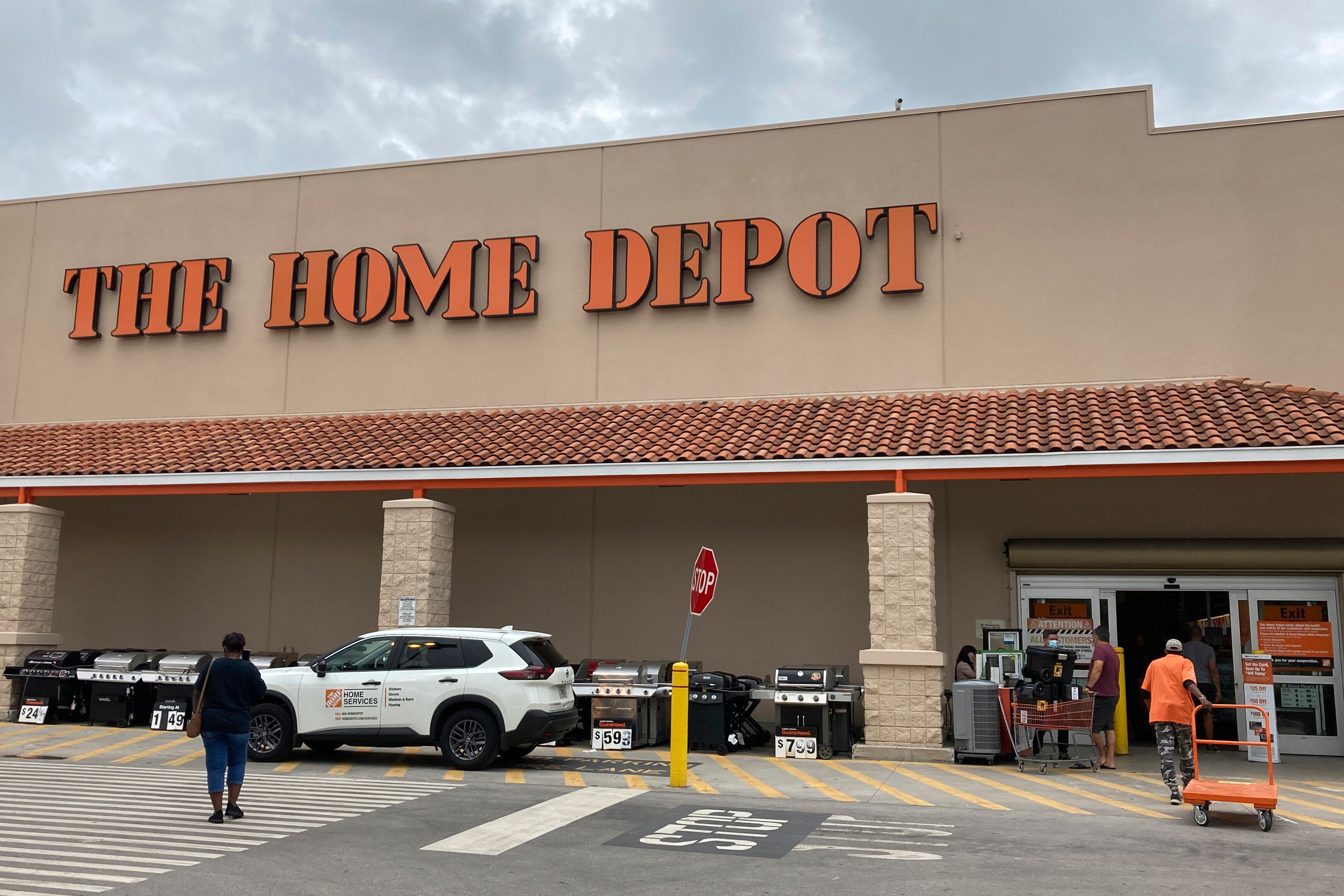
After years of explosive growth during the pandemic, Home Depot’s revenue during the first quarter fell short of expectations and the company cut its profit and sales outlook for the year
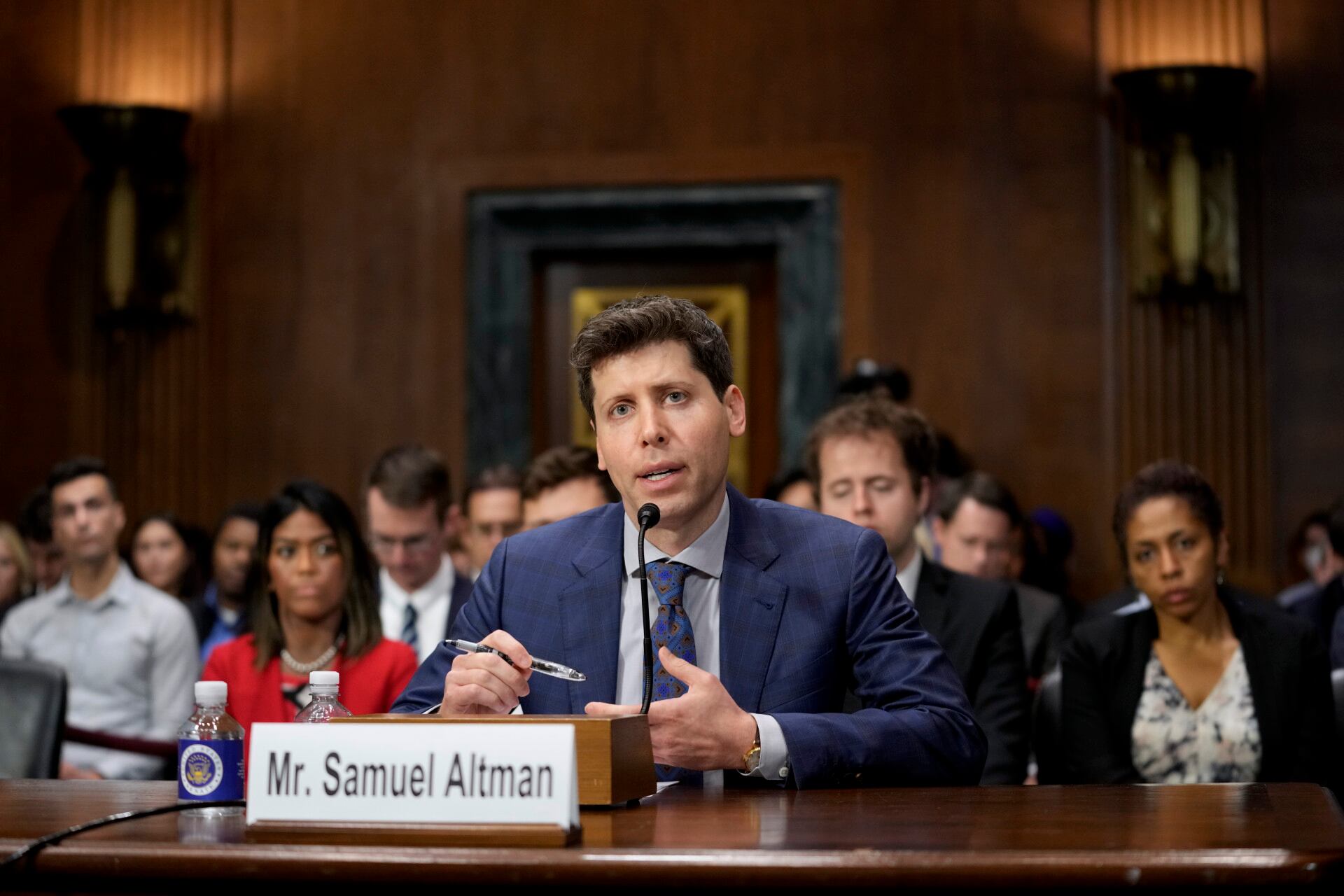
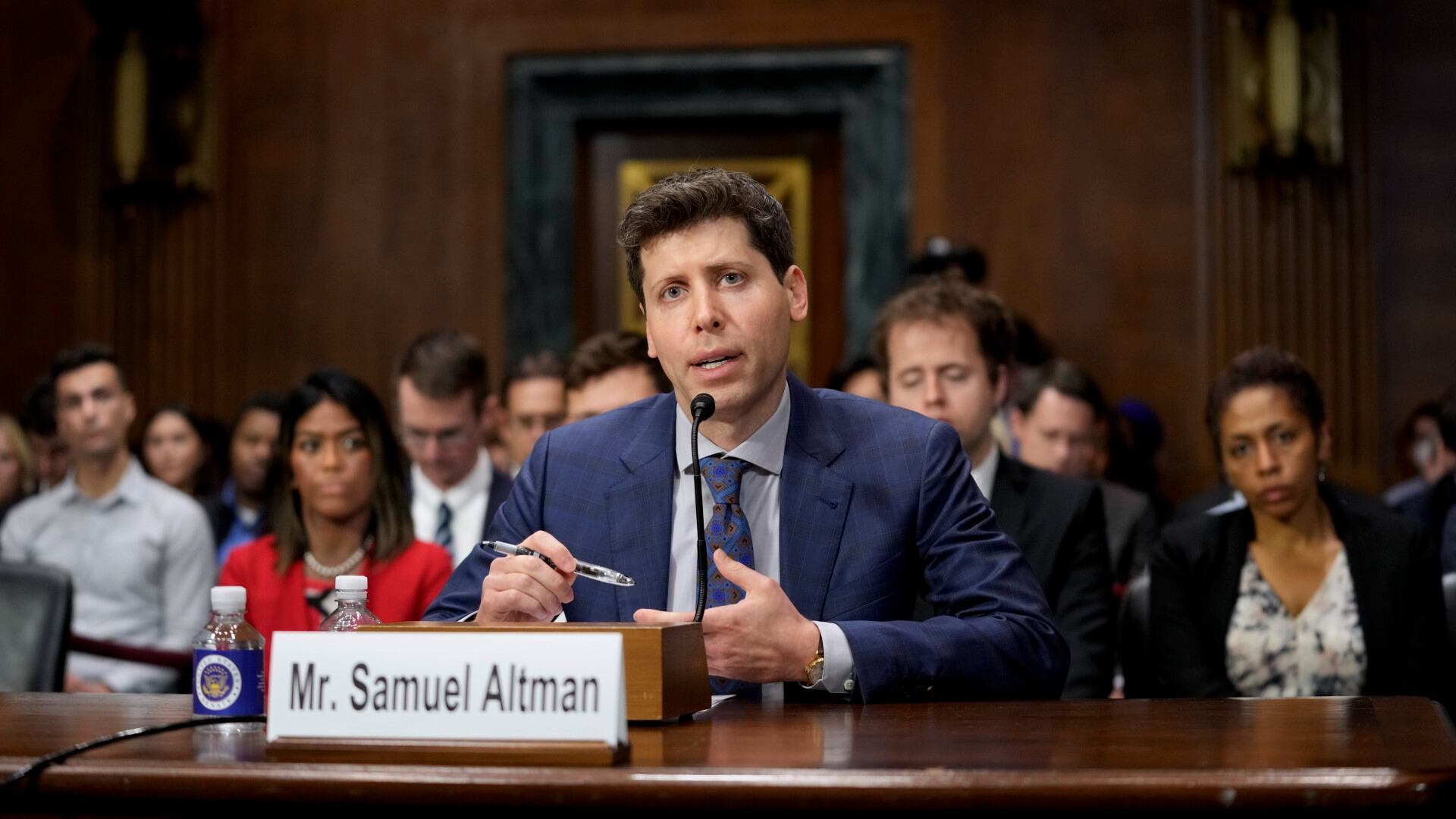
The head of the artificial intelligence company that makes ChatGPT told Congress on Tuesday that government intervention "will be critical to mitigate the risks of increasingly powerful” AI systems.
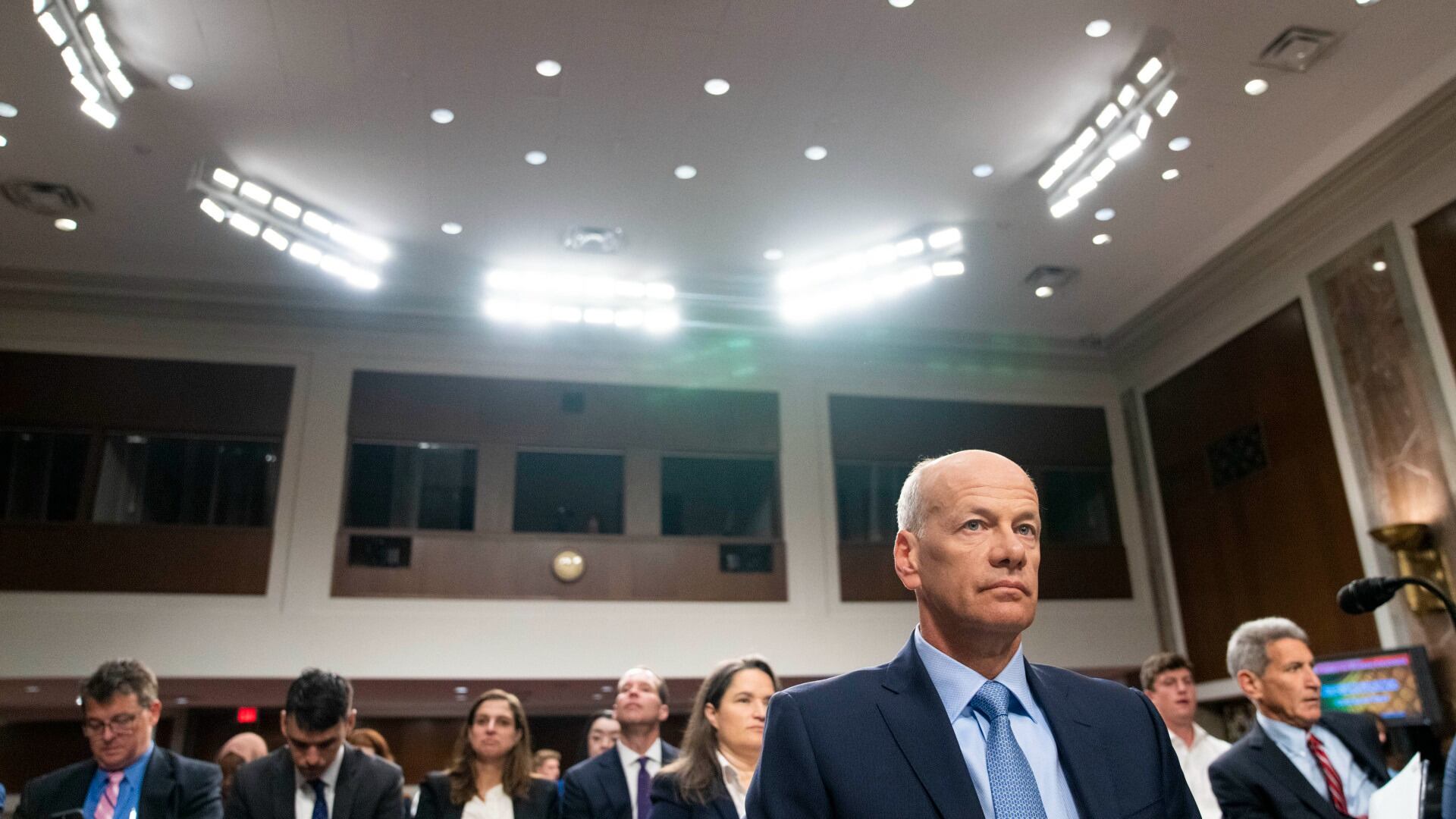
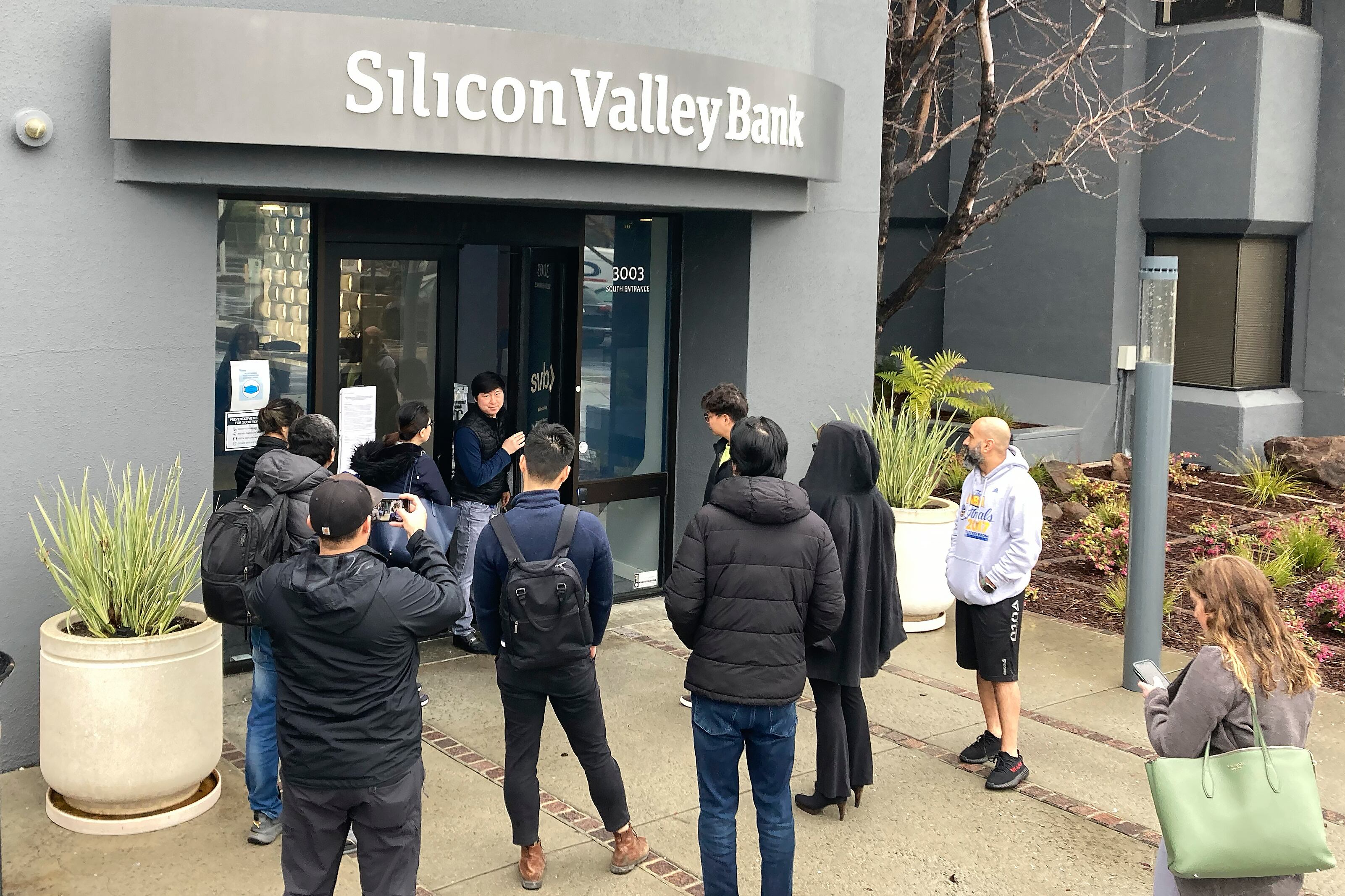
Top executives at Silicon Valley Bank and Signature Bank largely avoided taking responsibility for their banks’ dramatic failures at a Senate hearing Tuesday.
The head of the artificial intelligence company that makes ChatGPT will testify before Congress as lawmakers call for new rules to guide the rapid development of AI technology.
The recent failures of a trio of midsize banks has once again raised questions about whether senior executives in the U.S. are being rewarded more for short-term gains — like rising stock prices — than for ensuring their companies' long-term health.