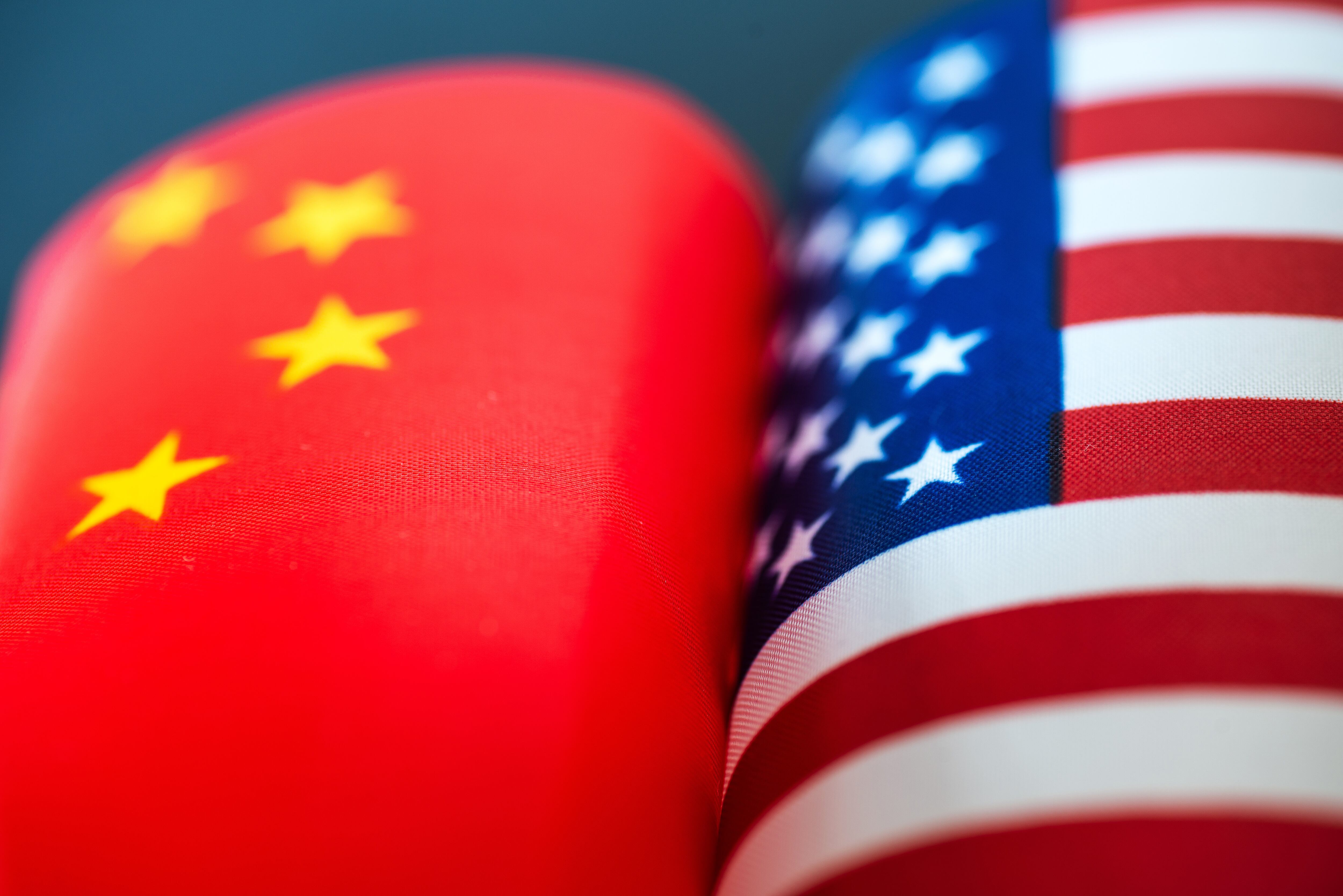
Stocks in the U.S. opened higher Tuesday, reversing pre-market losses after a report in the Wall Street Journal signified that American and Chinese negotiators were preparing to delay the next round of tariffs, scheduled to go into effect Sunday. The Journal cited sources close to the matter on both sides of the table.
Dec. 15 is the date that U.S. tariffs on Chinese imports would increase and hit the consumer electronics industry especially hard. Chinese-made products like Bluetooth headphones, smart watches, and other smart devices have been spared, so far, in the 17-month trade war.
Scheduled tariffs have been delayed in the past as the two sides appeared to show progress in reaching a "phase one" deal, though it has yet to materialize. One of the largest impediments to the deal remains China's refusal to commit to buying more agricultural products and farming equipment from the U.S., according to the Journal. American farmers are considered by the White House to be a key bloc of support for President Trump's re-election.
News that the Dec. 15 deadline could be punted came as President Trump and House Speaker Nancy Pelosi appear to be on the verge of announcing a separate trade deal, known as UMSCA, which would involve just Mexico and Canada, replacing NAFTA. That deal could be announced as soon as this week ー raising the specter of House Democrats handing the president a major policy victory just as they also prepare to impeach him.
From snow in April to heatwaves in December, it’s hard to plan a trip in a climate change world. Startup Sensible Weather thinks weather-based travel reimbursements are the solution.
Between corporate debt and the widening gap between ‘the haves and the have nots,’ there are reasons to be cautious about the economy, even with interest rate cuts on their way.
If the A.I. hype hasn’t given you enough of a reason to be excited (and a little terrified), the CEO of Zapata AI says the next frontier is designing bridges or creating pharmaceutical drugs.
Stocks are near record highs, inflation is moderating, and analyst Deiya Pernas is 'optimistic' the U.S. is heading for a soft landing without a recession – which is good news for your wallet.
Google co-founders Larry Page and Sergey Brin loved pulling pranks, so much so they began rolling outlandish ideas every April Fools' Day not long after starting their company more than a quarter century ago.
Sam Bankman-Fried co-founded the FTX crypto exchange in 2019 and quickly built it into the world’s second most popular place to trade digital currency. It collapsed almost as quickly — by the fall of 2022, it was bankrupt.
The economic effects of the Baltimore bridge collapse, Americans are living longer but not better, and Gen Z and millennials are struggling to afford rent, let alone a mortgage.