The U.S. economy added 136,000 jobs in September, indicating sustained — yet slowing — growth amid increasing concerns of an economic downturn.
In its monthly jobs report released Friday, the Bureau of Labor Statistics (BLS) also announced that unemployment in the U.S. declined to 3.5 percent — its lowest point in 50 years. The rate fell by 0.2 percent from the month prior, bringing the number of Americans without a job to 5.8 million.
“Today’s jobs report is consistent with our outlook of a gradually slowing growth path,” said Doug Duncan, the chief economist at Fannie Mae. “However, some of the underlying details paint a mixed picture.”
The total jobs added in September missed expectations, which analysts predicted would be roughly 145,000 jobs. Average monthly employment growth so far this year is now 161,000, which remains well below 223,000 average monthly gains in 2018, the BLS reported.
The industries with the most employment gains were health care and professional and business services, adding 39,000 and 34,000 jobs respectively. Other sectors, such as mining, construction, financial activities, and manufacturing, showed negligible change last month.
Average hourly wages across the economy decreased 1 cent in September, reversing a growth trend that saw an 11 cent hike in August and a 9 cent increase in July and June. Over the past year, the BLS said, average hourly wages have grown by 2.9 percent.
The September jobs report comes on the heels of multiple disappointing indicators released in recent days that point to an economic slowdown worldwide.
The Institute for Supply Management (ISM), a non-profit trade association, reported this week that the U.S. service industry fell to its lowest point in three years and that the manufacturing sector contracted for the second straight month.
“After the very weak ISM data, there was this anticipation built up that [the jobs report] could be much more negative than what we got,” said Matthew Luzzetti, the chief U.S. economist at Deutsche Bank. “Even though it missed expectations, I don't think it was as bad as feared.”
On Tuesday, moreover, the World Trade Organization warned that enduring trade tensions and weakening economies worldwide are causing a significant decline in global commerce. The instability led the Geneva-based organization to cut its forecast for trade volume growth to just 1.2 percent in 2019, more than 50 percent lower than an earlier estimate.
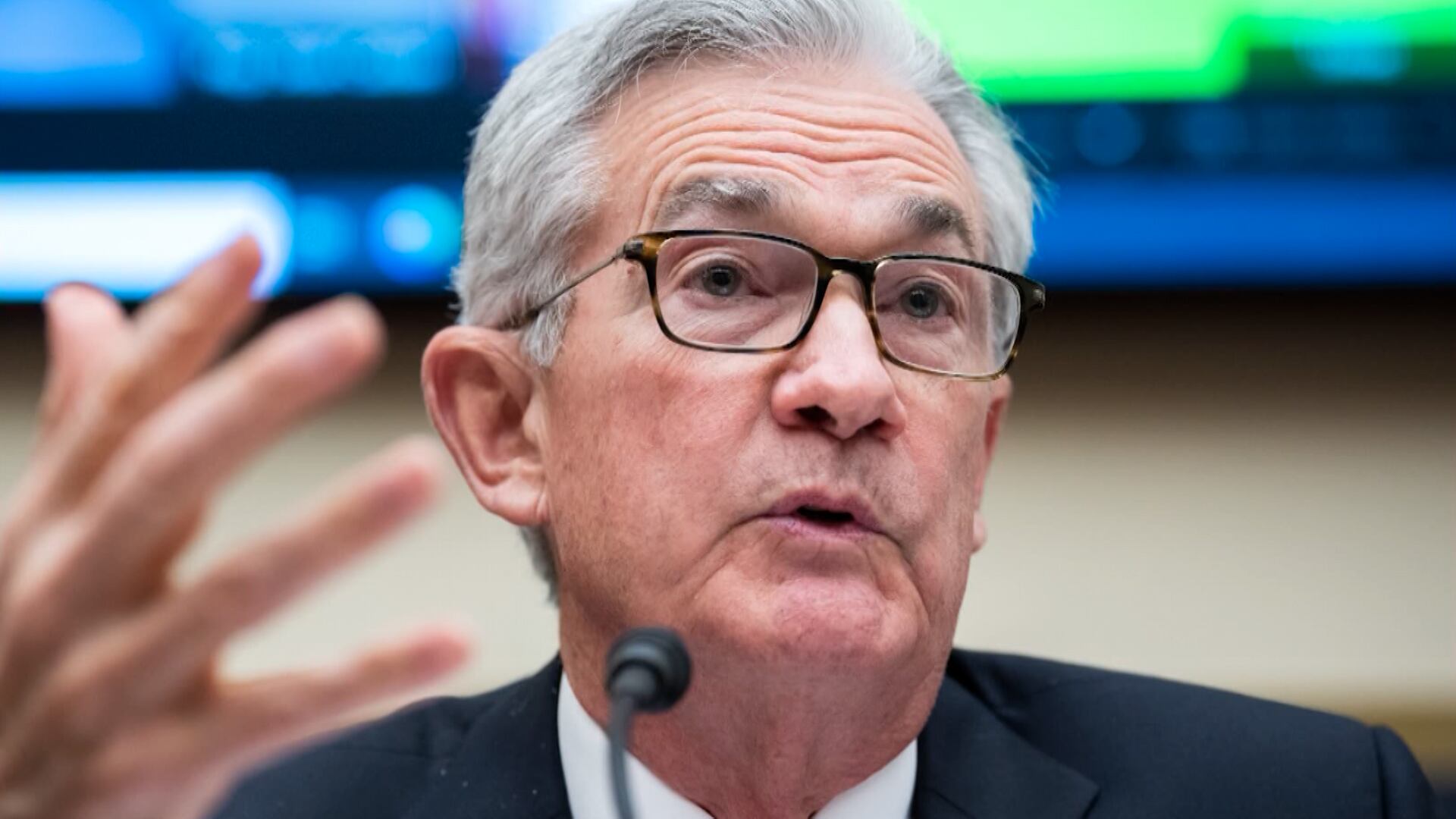
Friday’s jobs report also comes ahead of a Federal Reserve meeting later this month. The U.S. central bank has already slashed rates twice in recent months to spur growth and sustain expansion.
“The report does little to clarify the divergent views on the Federal Reserve about whether the economy is slowing or not,” Duncan said. “But we continue to believe the Fed will cut rates this quarter due to trade uncertainties and weak manufacturing data.”
President Trump lauded September’s unemployment figure, saying Friday morning that it is a “tremendous number.”
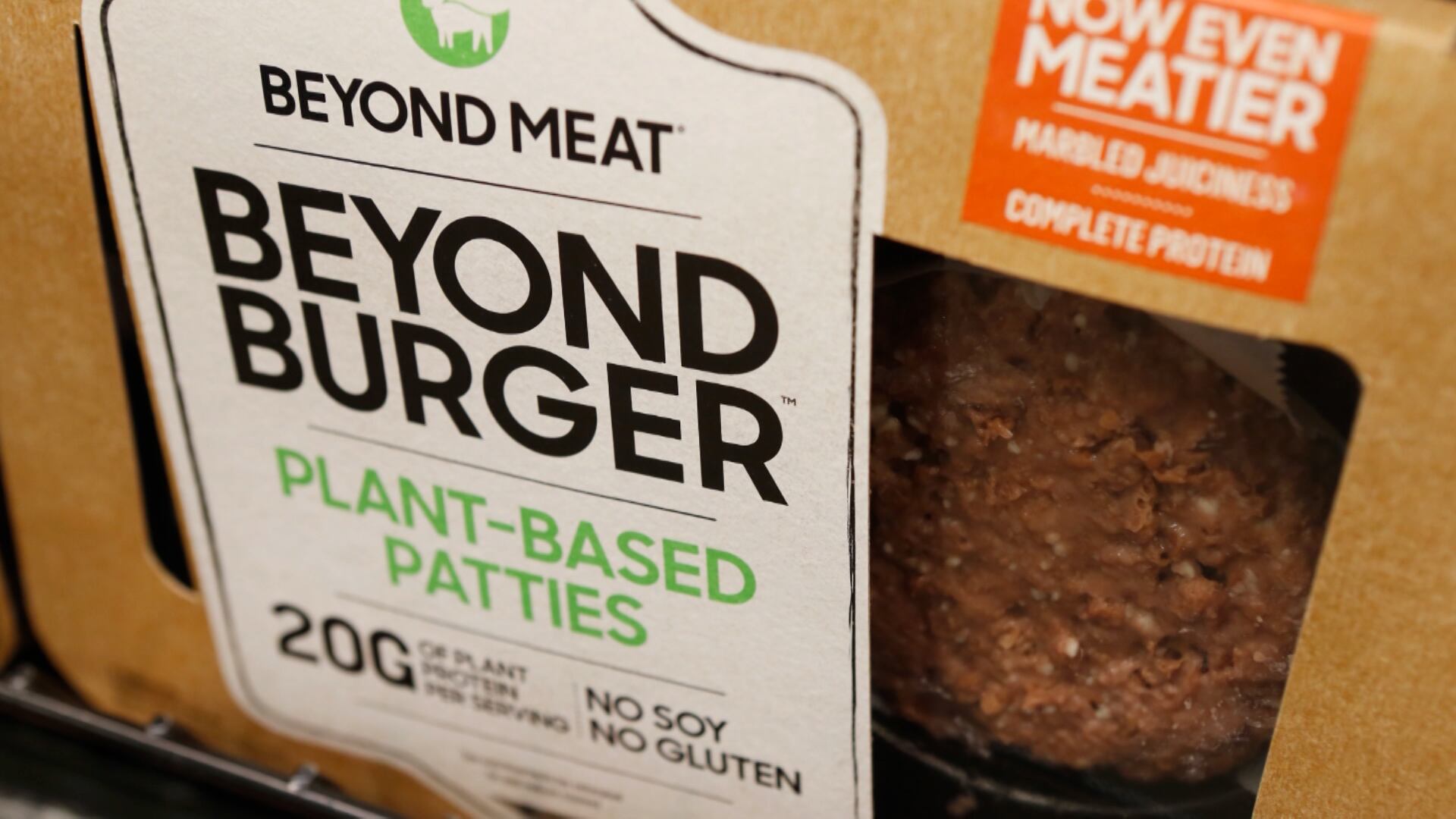
The U.S. market value of the plant-based food industry reached an all-time high last year. According to a new report from the Plant Based Food Association, retail sales of plant-based foods reached $7.4 billion, but questions are arising over whether the industry can sustain the levels of growth it had in the past few years. Julie Emmett, senior director of marketplace development at the Plant Based Food Association, joined Cheddar News' Closing Bell to discuss.
Jimmy Lee, CEO of Wealth Consulting Group, joins Cheddar News' Closing Bell, where he explains why he and his firm remain bullish on the market despite the volatility brought on by the Russia-Ukraine conflict and rising inflation.
Saint Peter's University - a small school in New Jersey school - has skyrocketed to the center of the sports world in a 'Cinderella' story for the record books. The ultimate underdog of the men's March Madness tournament is just the third 15-seed to reach the Sweet 16, after beating Murray State and college basketball powerhouse Kentucky. Throughout the university's historic run, Saint Pete's has reportedly been earning what amounts to millions of dollars in publicity. Amanda Christovich, reporter for Front Office Sports, joins Cheddar News' Closing Bell to discuss.
Kyte, a company that delivers rental cars to customers on-demand, closed an asset-backed credit financing of up to $200 million from Goldman Sachs and the Ares Global Management Alternative Credit Team to accelerate the company's fleet growth and margin expansion. Kyte and its financing providers will create a more robust trip economy that services a more demanding customer with a shared vision of an electrified, autonomous future. Ludwig Schoenack, co-founder and co-CEO of Kyte, joins Cheddar News' Closing Bell to discuss.
Volatility continues to be the name of the game when it comes to crypto. Bitcoin, the most valuable digital token, saw a small jump today - one of several small rallies throughout the month of March. Caitlin Cook, vice president of crypto education company Onramp Academy, joins Cheddar News' Closing Bell to discuss.
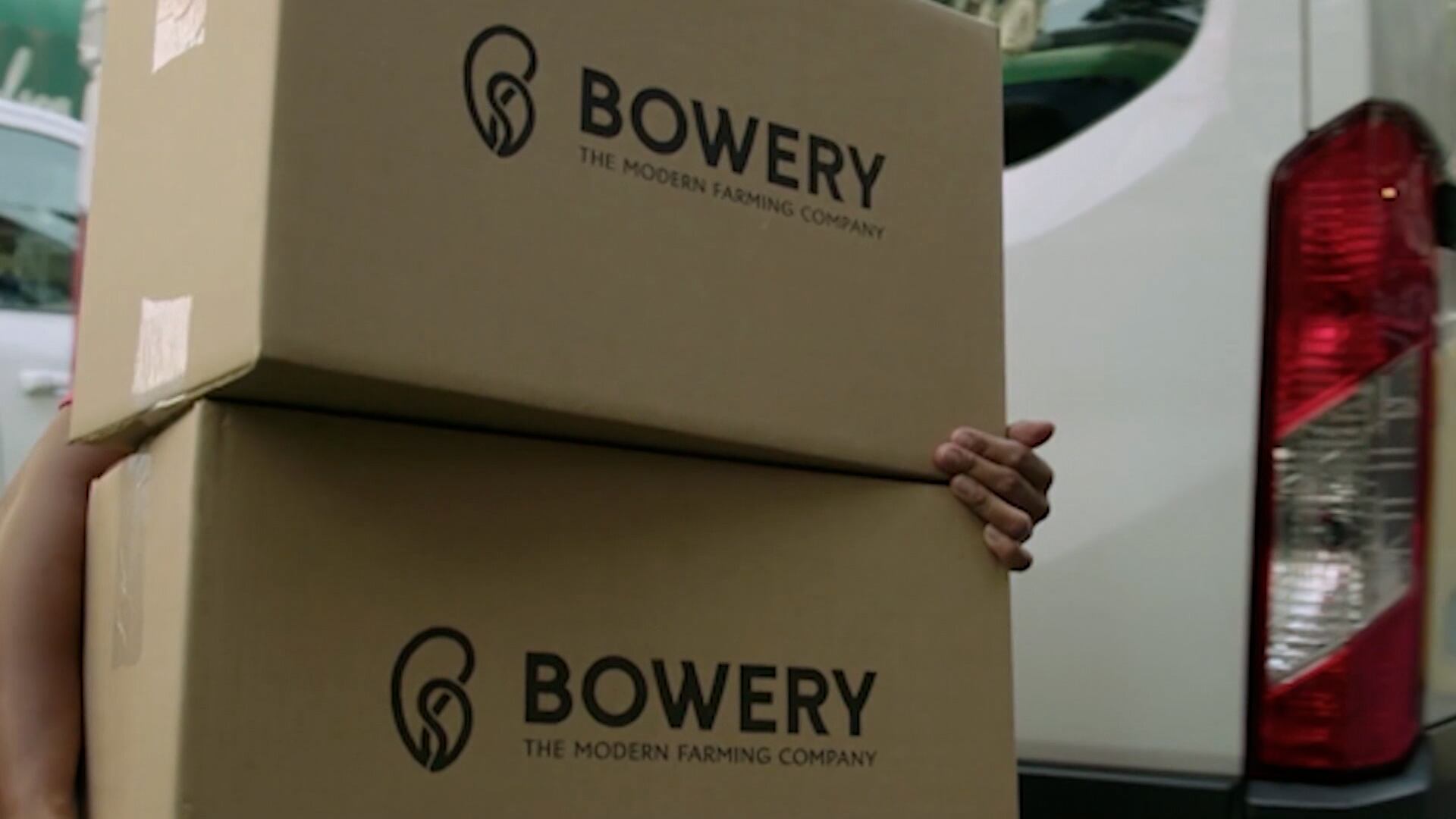
Bowery Farming's vertical growing process allows it to cultivate 13 types of greens — and now, strawberries — in a sustainable way that's also faster than traditional farming. Bowery focuses on sustainability from start to finish, using unique technology to provide plants with what they need at the right time while eliminating waste and cutting down on carbon dioxide emissions. Katie Seawell, Chief Commercial Officer of Bowery Farming, joins Closing Bell to discuss the company's vertical farming process, sustainability focus, fixing the food supply chain, and more.
Nexii, a company based in Canada, is getting some big backing for its sustainable, low-carbon concrete alternative. CEO Stephen Sidwell, joined Cheddar News to talk about the initiatives his company is taking to tackle climate change and scaling up production to meet demand. "Most people don’t realize it, but buildings are the number one contributor to CO2 emissions," he said. "So that's really what we're attacking, the overall CO2 emissions."