The U.S. economy added 136,000 jobs in September, indicating sustained — yet slowing — growth amid increasing concerns of an economic downturn.
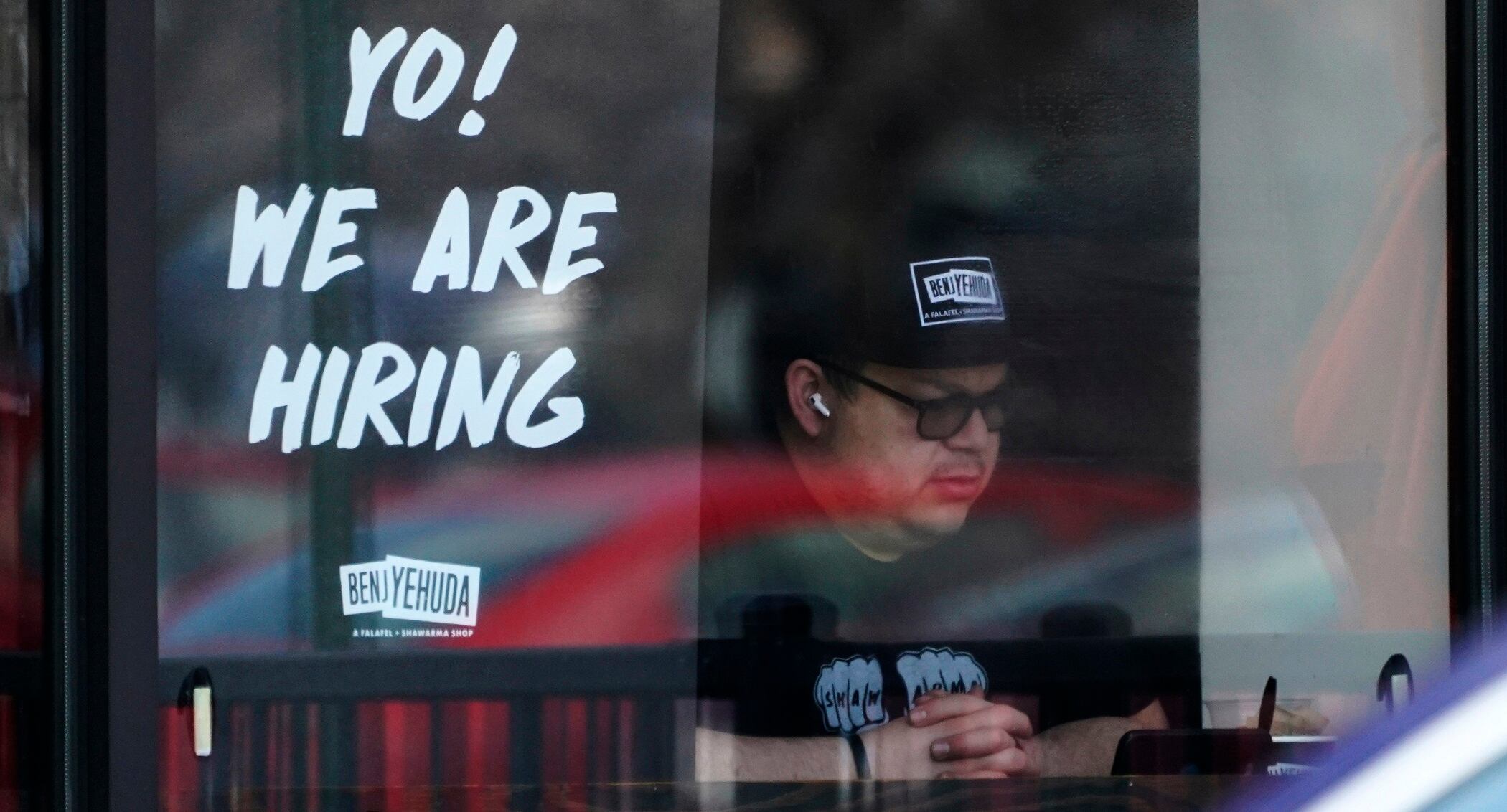
In its monthly jobs report released Friday, the Bureau of Labor Statistics (BLS) also announced that unemployment in the U.S. declined to 3.5 percent — its lowest point in 50 years. The rate fell by 0.2 percent from the month prior, bringing the number of Americans without a job to 5.8 million.
“Today’s jobs report is consistent with our outlook of a gradually slowing growth path,” said Doug Duncan, the chief economist at Fannie Mae. “However, some of the underlying details paint a mixed picture.”
The total jobs added in September missed expectations, which analysts predicted would be roughly 145,000 jobs. Average monthly employment growth so far this year is now 161,000, which remains well below 223,000 average monthly gains in 2018, the BLS reported.
The industries with the most employment gains were health care and professional and business services, adding 39,000 and 34,000 jobs respectively. Other sectors, such as mining, construction, financial activities, and manufacturing, showed negligible change last month.
Average hourly wages across the economy decreased 1 cent in September, reversing a growth trend that saw an 11 cent hike in August and a 9 cent increase in July and June. Over the past year, the BLS said, average hourly wages have grown by 2.9 percent.
The September jobs report comes on the heels of multiple disappointing indicators released in recent days that point to an economic slowdown worldwide.
The Institute for Supply Management (ISM), a non-profit trade association, reported this week that the U.S. service industry fell to its lowest point in three years and that the manufacturing sector contracted for the second straight month.
“After the very weak ISM data, there was this anticipation built up that [the jobs report] could be much more negative than what we got,” said Matthew Luzzetti, the chief U.S. economist at Deutsche Bank. “Even though it missed expectations, I don't think it was as bad as feared.”
On Tuesday, moreover, the World Trade Organization warned that enduring trade tensions and weakening economies worldwide are causing a significant decline in global commerce. The instability led the Geneva-based organization to cut its forecast for trade volume growth to just 1.2 percent in 2019, more than 50 percent lower than an earlier estimate.
Friday’s jobs report also comes ahead of a Federal Reserve meeting later this month. The U.S. central bank has already slashed rates twice in recent months to spur growth and sustain expansion.
“The report does little to clarify the divergent views on the Federal Reserve about whether the economy is slowing or not,” Duncan said. “But we continue to believe the Fed will cut rates this quarter due to trade uncertainties and weak manufacturing data.”
President Trump lauded September’s unemployment figure, saying Friday morning that it is a “tremendous number.”
U.S. employers added 390,000 jobs in May, extending a streak of solid hiring that has bolstered an economy under pressure from high inflation and rising interest rates.
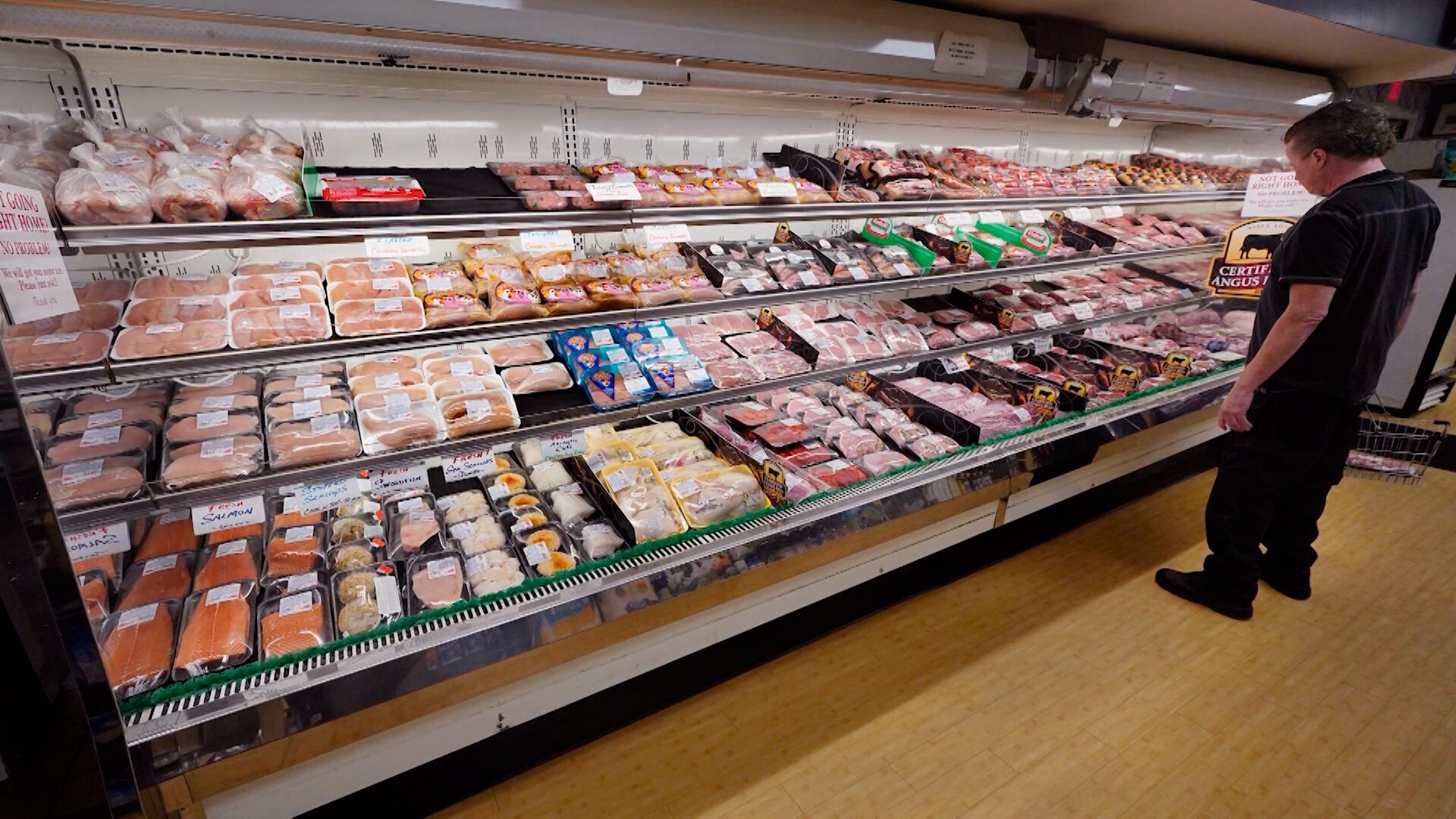
The White House is earmarking $2.1 billion to help secure the nation's food supply, amid widespread shortages due to the pandemic, Russia's war in Ukraine, and rising inflation. The Biden administration's plans are expected to shore up food infrastructure and distribution while also aiding farmers. Bread for the World Senior International Policy Advisor Abiola Afolayan joined Cheddar News' Closing Bell to discuss.
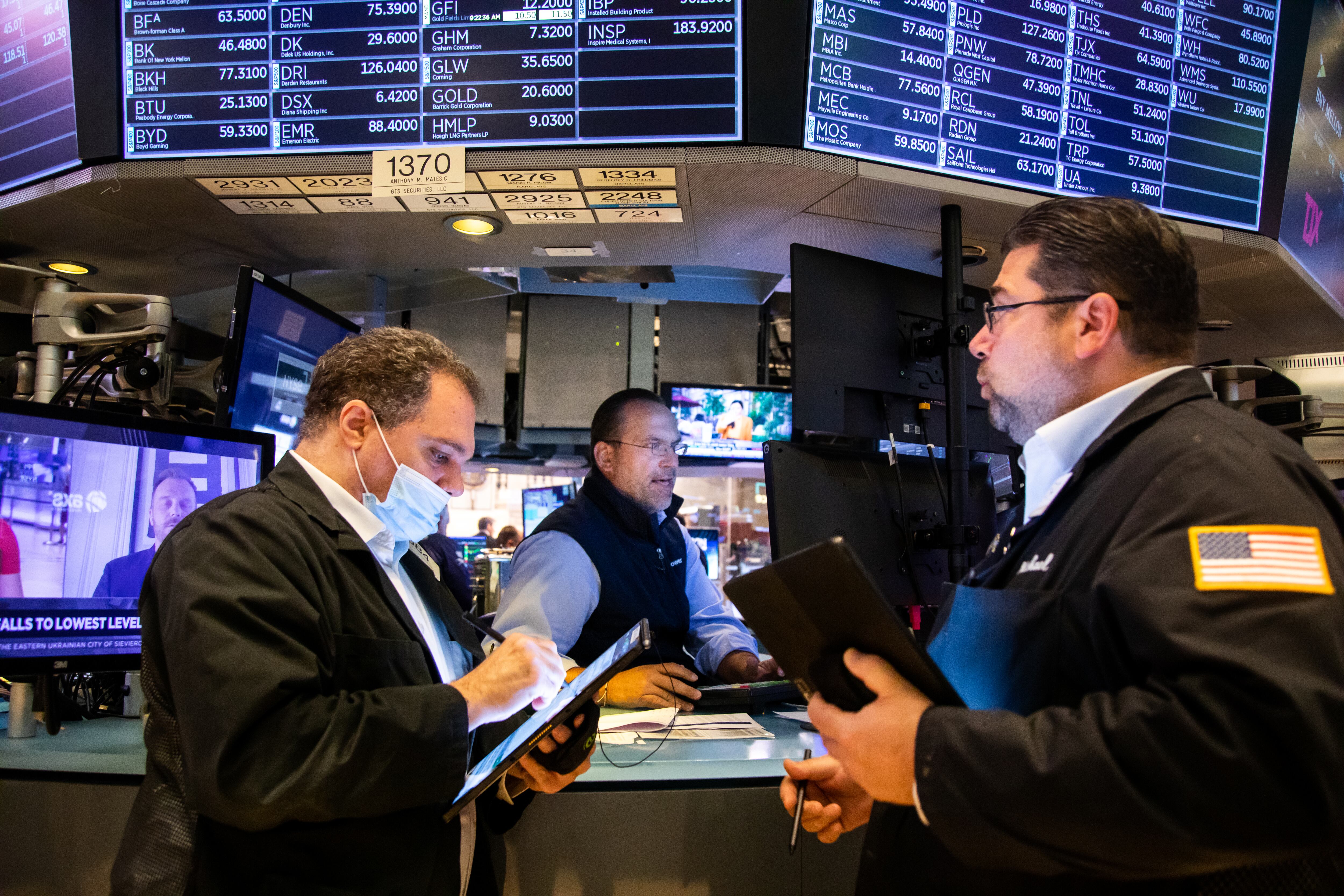
Concerns about economic growth are weighing down sentiment on Wall Street, as investors also monitor the uncertain impact of the Federal Reserve's quantitative tightening - the process of reducing its $9 trillion balance sheet it built up over the course of the pandemic. The Fed's QT is meant to normalize monetary policy while bringing down inflation, something the White House calls a 'top economic priority.' As Americans cope with higher prices for everyday essentials, Treasury Secretary Janet Yellen admitted that she was wrong about inflation being 'transitory,' as extenuating factors have caused inflation from the pandemic to worsen. JPMorgan CEO Jamie Dimon also weighed in on inflation and the state of the economy, warning investors to brace for a so-called economic 'hurricane' due to impacts from inflation and Russia's war in Ukraine. The still-tight job market is putting pressure on the economy as well, as the latest JOLTS report shows job openings in the U.S. are down from record highs but remain high.
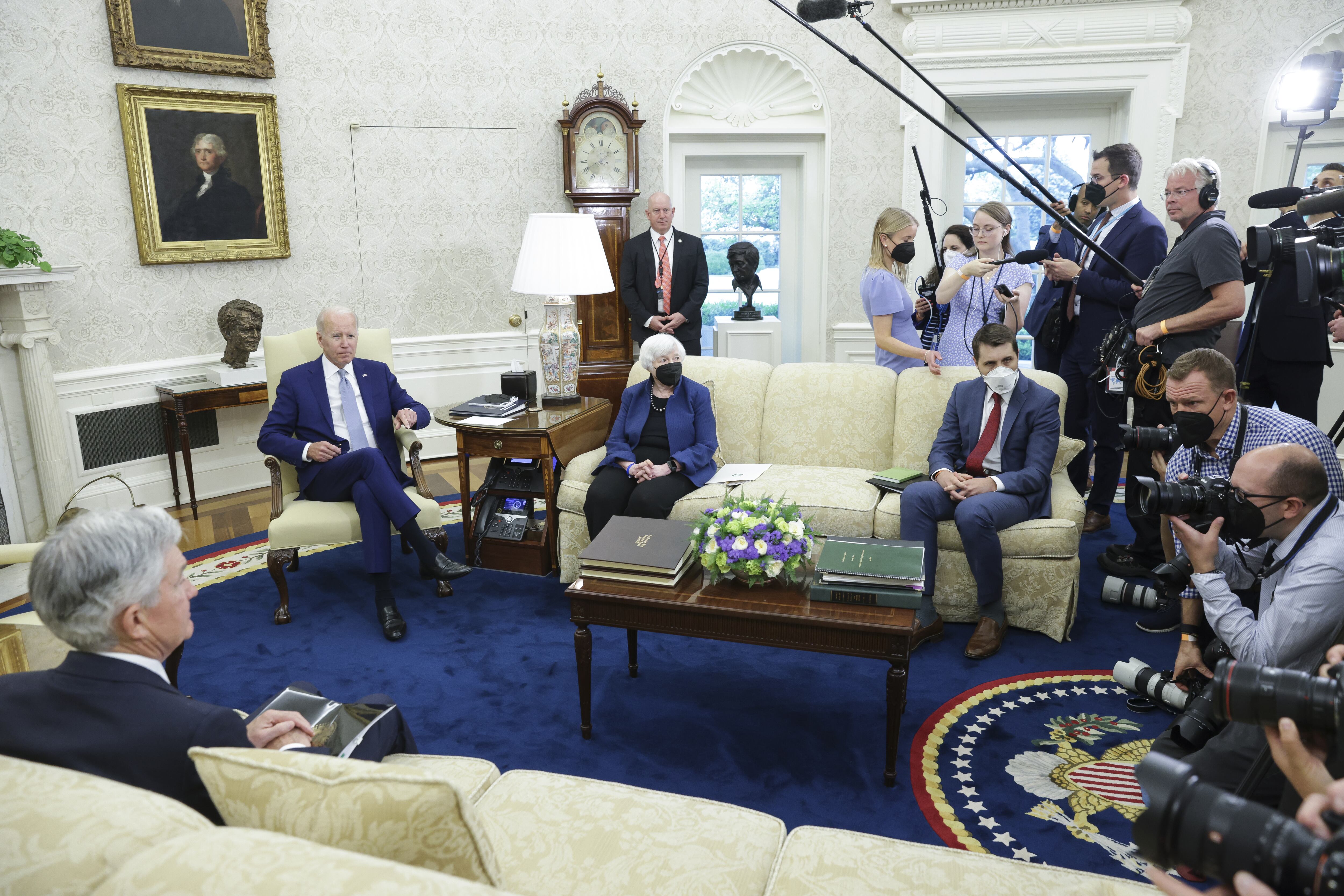
President Biden and Federal Reserve chair Jerome Powell meet at the White House today for the first time since Powell's renomination to the position. The President and the Fed Chair discussed the economy and historically high inflation, as new data shows inflation may be cooling slightly. Morning Consult economic analyst Jesse Wheeler joins Cheddar News' Closing Bell to discuss how the Biden administration at the U.S. central bank can work together to combat soaring prices for American consumers.
Gene Goldman, Chief Investment Officer at Cetera, joins Cheddar News' Closing Bell, where he breaks down the reasons behind Thursday's bounce-back performance on Wall Street. Goldman also provides a dose of investing advice, highlighting the sectors he's favoring right now.
David Scranton, CEO and Founder of Sound Income Strategies, joins Cheddar News' Closing Bell, where he provides his insight into why markets ended Wednesday's session lower and hones in on what he's looking for when it comes to the Fed combating inflation.
ADP's Chief Economist Nela Richardson joins Cheddar News' Closing Bell for a look at the job market in the United States. She breaks down the numbers behind her firm's latest findings and says her biggest concern lies in the continuing loss of jobs at small businesses, which shed 91,000 jobs during the month of May.
Tech-enabled residential hospitality company Mint House recently raised $35 million in a Series B round led by Mohari Hospitality. Mint House was described by one of its backers as 'the best of a hotel without the worst of a hotel, and the best of an Airbnb without the worst of an Airbnb.' Mint House offers apartment-style lodging across the country. The company claims its spaces combine the comfort of a home with the luxury of a hotel in order to give guests all of the perks and none of the tradeoffs. Will Lucas, Founder and CEO of Mint House, joins Cheddar News' Closing Bell to discuss.