The U.S. economy added 136,000 jobs in September, indicating sustained — yet slowing — growth amid increasing concerns of an economic downturn.
In its monthly jobs report released Friday, the Bureau of Labor Statistics (BLS) also announced that unemployment in the U.S. declined to 3.5 percent — its lowest point in 50 years. The rate fell by 0.2 percent from the month prior, bringing the number of Americans without a job to 5.8 million.
“Today’s jobs report is consistent with our outlook of a gradually slowing growth path,” said Doug Duncan, the chief economist at Fannie Mae. “However, some of the underlying details paint a mixed picture.”
The total jobs added in September missed expectations, which analysts predicted would be roughly 145,000 jobs. Average monthly employment growth so far this year is now 161,000, which remains well below 223,000 average monthly gains in 2018, the BLS reported.
The industries with the most employment gains were health care and professional and business services, adding 39,000 and 34,000 jobs respectively. Other sectors, such as mining, construction, financial activities, and manufacturing, showed negligible change last month.
Average hourly wages across the economy decreased 1 cent in September, reversing a growth trend that saw an 11 cent hike in August and a 9 cent increase in July and June. Over the past year, the BLS said, average hourly wages have grown by 2.9 percent.
The September jobs report comes on the heels of multiple disappointing indicators released in recent days that point to an economic slowdown worldwide.
The Institute for Supply Management (ISM), a non-profit trade association, reported this week that the U.S. service industry fell to its lowest point in three years and that the manufacturing sector contracted for the second straight month.
“After the very weak ISM data, there was this anticipation built up that [the jobs report] could be much more negative than what we got,” said Matthew Luzzetti, the chief U.S. economist at Deutsche Bank. “Even though it missed expectations, I don't think it was as bad as feared.”
On Tuesday, moreover, the World Trade Organization warned that enduring trade tensions and weakening economies worldwide are causing a significant decline in global commerce. The instability led the Geneva-based organization to cut its forecast for trade volume growth to just 1.2 percent in 2019, more than 50 percent lower than an earlier estimate.
Friday’s jobs report also comes ahead of a Federal Reserve meeting later this month. The U.S. central bank has already slashed rates twice in recent months to spur growth and sustain expansion.
“The report does little to clarify the divergent views on the Federal Reserve about whether the economy is slowing or not,” Duncan said. “But we continue to believe the Fed will cut rates this quarter due to trade uncertainties and weak manufacturing data.”
President Trump lauded September’s unemployment figure, saying Friday morning that it is a “tremendous number.”
As Meta and Microsoft ramp up their AR and VR tech futures, analysts have been waiting on word from Apple, but the consumer tech giant is reportedly delaying such an announcement. Doug Astrop, a managing partner at Exponential Investment Partners, joined Cheddar to dive into the rumors about the possibilities of a foray into the metaverse by Tim Cook's megacorp sometime in 2022 or 2023. "We can't really predict with a great deal of certainty how it's going to play out, but I'm confident Apple's going to be a big player and do very well in any scenario that unfolds," said Astrop.
Monster Beverage is charging into the beer and hard seltzer biz with its $330 acquisition of CANarchy Craft Brewery Collective. The energy drink finalized the deal a week after Constellation Brands Inc. made a deal with Coca-Cola to acquire the Fresca brand.
Ford has seen a record 52-week high for its valuation, hitting more than $100 billion for the first time. The rise in its stocks comes amid its push for more electric vehicles, including the highly anticipated F-150 Lightning pickup, coming this spring.
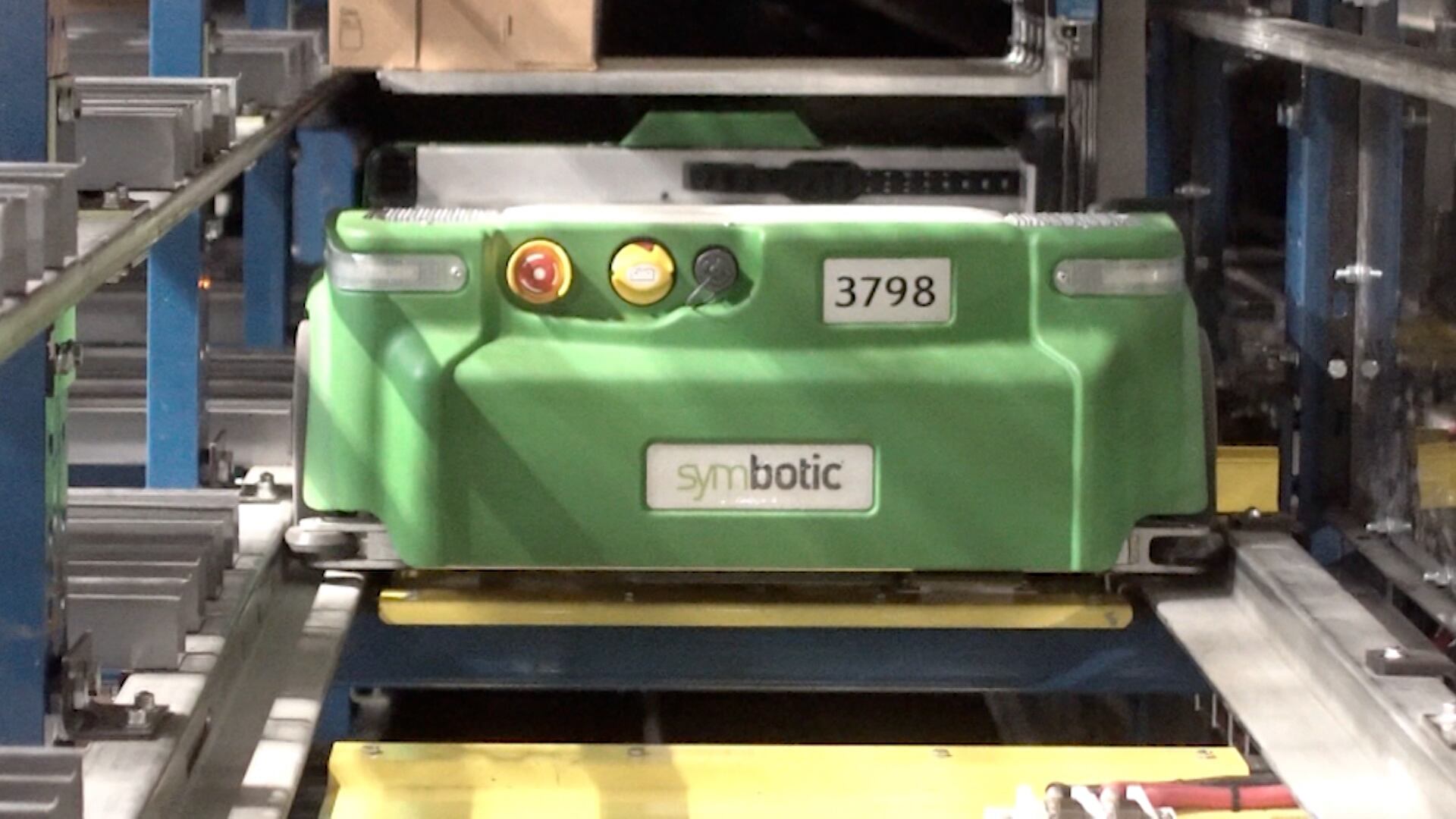
Specializing in AI, robotics, and automation for the global supply chain, Symbotic announced last month it will be tapping the public markets in a SPAC deal with investment giant SoftBank. Symbotic CFO Tom Ernst and Vikas Parekh, a managing partner at SoftBank Investment Advisers spoke with Cheddar about going public and the future of modernizing logistics amid the constrained supply networks. "The supply chain is fundamentally broken," said Ernst. "By employing the best in modern technology for autonomous vehicles and artificial intelligence, we're able to fundamentally rethink the way in which you receive and store and sort goods, making for a dramatically more efficient supply chain."
JP Morgan Chase beat Q4 earnings estimates, largely attributed to credit card borrowers and corporations. Meanwhile, Wells Fargo also reported strong quarterly earnings and saw a 15 percent growth in its shares for the year.
Taiwan Semiconductor Manufacturing Company (TSMC), the largest supplier of semiconductors, doubled its Q4 revenue forecast and announced a $44 billion investment for expanded chip manufacturing in 2022. Caleb Silver, Editor in Chief at Investopedia, joined Cheddar to discuss the future for the global tech giant. "It has the money. It has the equity. It has the dominance over the market, so not a surprise at all, and it's taking charge as we head into this sort of next phase of advanced chipmaking," Silver said.
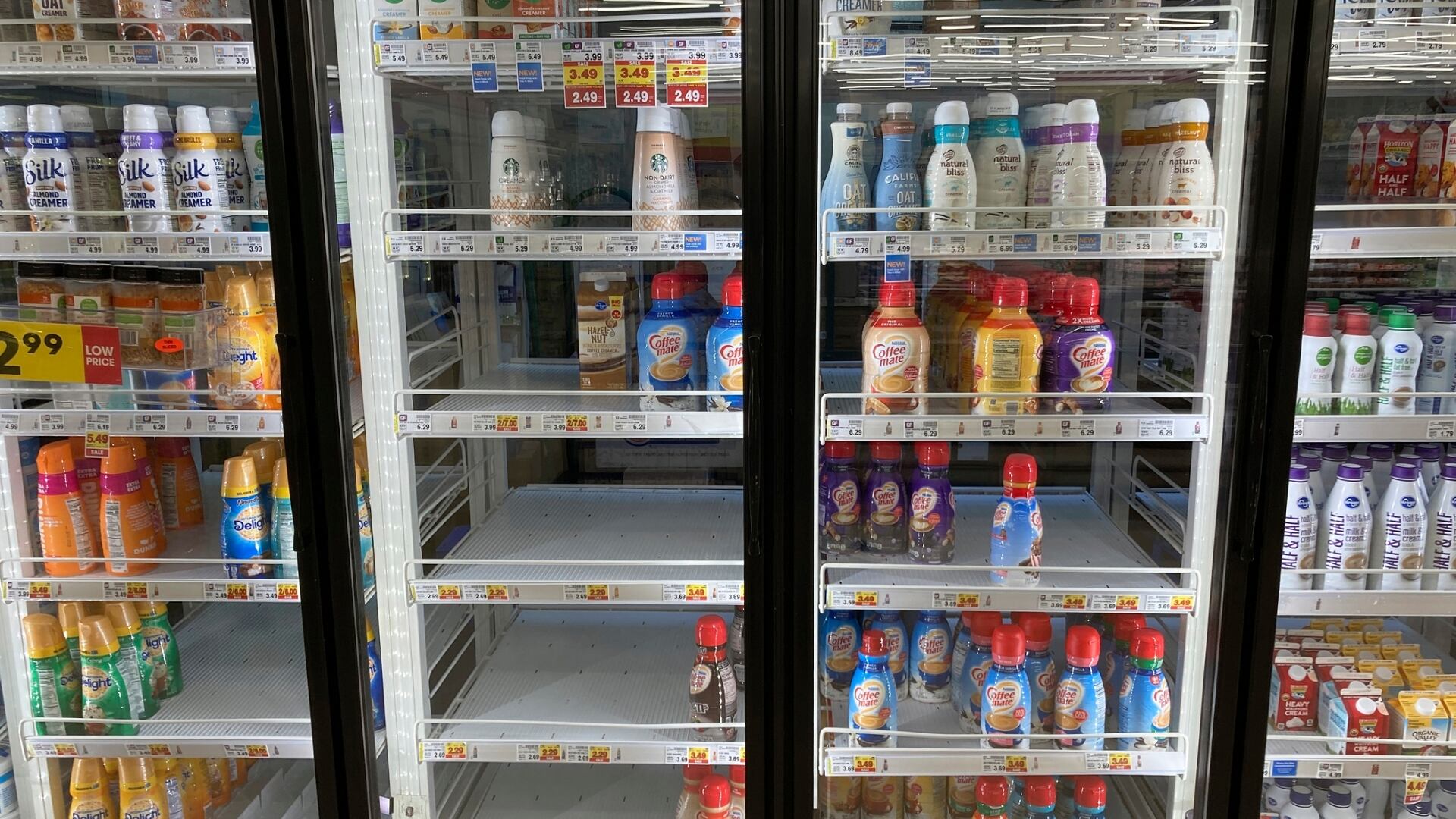
Grocery stores are restricting hours and services due to omicron-related labor and supply chain issues. This also comes at a time of labor unrest for supermarket giant Kroger as more than 8,000 workers at its King Soopers chain in Colorado have gone on strike.
Michael Hershfield, Founder & CEO of Accrue Savings, joined Wake Up With Cheddar to discuss the company's new round of funding, and its core mission of rewarding consumers for saving rather than taking on more debt with buy now, pay later options.